

Motmot

キノドニジフウキンチョウ 対 ズグロアオフウキンチョウ

Iridosornis analis 対 Stilpnia heinei

キノドニジフウキンチョウとズグロアオフウキンチョウのクイズ
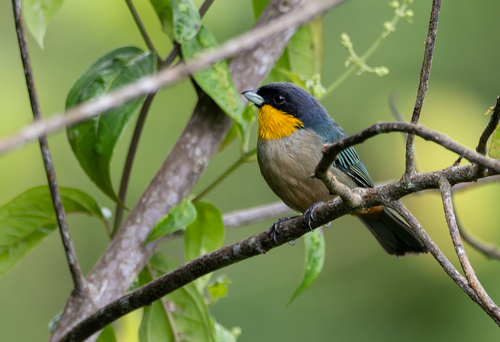
キノドニジフウキンチョウ (Iridosornis analis) キノドニジフウキンチョウ
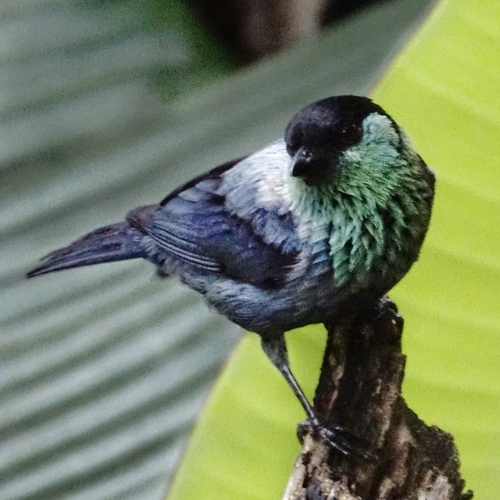
ズグロアオフウキンチョウ (Stilpnia heinei) ズグロアオフウキンチョウ

メディア

読み込み中…

要点

イエノドニジフウキンチョウとズグロアオフウキンチョウを区別する最も信頼できるフィールドマークは、前者の明るい黄色の喉の存在であり、後者の輝くアクアマリン緑または緑の鱗状の喉とは対照的です。幼鳥と雌のズグロアオフウキンチョウは特に混乱を招くことがあります。なぜなら、彼らはオスの黒い帽子を欠き、一般的に緑がかった外見を持っていますが、決して黄色の喉を示すことはありません。すべての年齢と性別において、ズグロアオフウキンチョウは暗い羽根の基部による独特の鱗状または縞模様の効果を喉と胸に示しますが、イエノドニジフウキンチョウはより均一な黄色の喉を持っています。両種は類似のアンデス山地の生息地に生息していますが、構造や翼の模様の微妙な違いが、特に未熟な鳥の場合に役立つことがあります。

識別のコツ

  1. 黄色の喉は診断的です: このグループの中で明るい黄色の喉を持つ鳥はすべてイエノドニジフウキンチョウであり、年齢や性別に関係ありません。ズグロアオフウキンチョウは決して黄色の喉を示さず、その喉は緑またはアクアマリン緑で、鱗状または縞模様の外観を持っています。
  2. 鱗状/縞模様の喉と胸(ズグロアオフウキンチョウ): ズグロアオフウキンチョウの喉と胸に見られる独特の鱗状または縞模様の効果を探してください。これはすべての年齢と性別に見られますが、オスで最も際立っています。
  3. 黒い帽子(オスのズグロアオフウキンチョウ): 成熟したオスのズグロアオフウキンチョウは、ロア、額、上部のうなじまで伸びる黒い冠を持ち、銀色の青灰色の上面と鮮やかに対比されています。イエノドニジフウキンチョウはこの帽子を持っていません。
  4. 雌/未熟の混乱: 雌と未熟のズグロアオフウキンチョウは黒い冠を欠き、全体的に鈍い緑で、緑の鱗状の喉を持っています。他の緑がかったフウキンチョウと混同されることがありますが、決して黄色の喉を示すことはありません。
  5. 上翼の模様(ズグロアオフウキンチョウ): 飛行中または休息中に、ズグロアオフウキンチョウは青灰色または緑がかった上翼の覆い羽を示し、一次覆い羽と三次羽は青または緑で縁取られています。幼いオスは一次羽に淡い青の縁を示すことがあります。イエノドニジフウキンチョウはこれらの特定の翼の模様を示しません。
  6. サイズと体格: イエノドニジフウキンチョウは重く、ズグロアオフウキンチョウよりも体格が大きく見えることがあります。ズグロアオフウキンチョウは軽く、やや短いです。これは微妙で、補助的な証拠として最も良いです。
  7. 生息地の文脈: 鳥が山の中の非常に開けた、茂みの多い、またはエッジの生息地で見られる場合、ズグロアオフウキンチョウの可能性が高いです。イエノドニジフウキンチョウは密な山地の森林に典型的です。
  8. 行動: ズグロアオフウキンチョウは、しばしば一人またはペアで枝の下や茂みの中に隠れているのが見られます。イエノドニジフウキンチョウは、キャノピー内の混合群れで活動している可能性が高いです。
  9. 尾の覆い羽(ズグロアオフウキンチョウ): ズグロアオフウキンチョウは、暗い中心と広い白い縁を持つ尾の覆い羽を持ち、微妙な特徴ですが、近距離で有用です。イエノドニジフウキンチョウにはそのようなパターンは記載されていません。
  10. 性差(ズグロアオフウキンチョウ): オスは黒い帽子と銀色の青い背中でより対照的です。雌は鈍く、緑がかっています。両性は常に緑またはアクアマリン緑の喉を持ち、決して黄色ではありません。
  11. 幼鳥の混乱: 幼いズグロアオフウキンチョウは鈍い雌に似ていますが、一次羽に淡い青の縁を示すことがあります。イエノドニジフウキンチョウの幼鳥は詳細には記載されていませんが、黄色の喉を持つ鳥はズグロアオフウキンチョウではありません。
  12. 歌(ズグロアオフウキンチョウ): 高い止まり木から低音で最大10秒の歌を聞いた場合、それはおそらくズグロアオフウキンチョウです。イエノドニジフウキンチョウの歌は記載されていないため、これを唯一の証拠として使用しないでください。
  13. 地理的重複: 両種はコロンビアとエクアドルに生息しています。ベネズエラにいる場合はズグロアオフウキンチョウであり、ペルーにいる場合はイエノドニジフウキンチョウです。
  14. 類似種との比較: ズグロアオフウキンチョウはシルバー・バックとギンボシフウキンチョウに似ることがありますが、それらは異なる喉と冠の模様を持っています。イエノドニジフウキンチョウはその黄色の喉により、これらと混同されることはありません。
  15. チェックリストアプローチ: まず喉の色を確認し、次に冠の色と鱗状の効果を探してください。生息地と行動を補助的な手がかりとして使用し、鈍い雌や未熟な個体には注意してください—喉の色が最も良いマークです。

大きさ

イエノドニジフウキンチョウは重く、体重は約26g [wikidata]であり、ズグロアオフウキンチョウは小さく、軽いです(成人は18〜20g、Wikipediaによる)。この違いはフィールドでは微妙ですが、イエノドニジフウキンチョウは並べて見るとやや体格が大きく、頑丈に見えることがあります。両者は中型のフウキンチョウですが、ズグロアオフウキンチョウは長さがやや短いです(約13cm)。

羽色

行動

ズグロアオフウキンチョウはしばしば一人またはペアで見られ、開けた風景で採餌しますが、頻繁に枝の下や茂みの中に隠れています。彼らは高い、時には露出した止まり木から歌うことがあります。イエノドニジフウキンチョウの行動は、情報源では詳細には記載されていませんが、山地の森林のフウキンチョウとして、キャノピーまたはサブキャノピー内の混合群れで見られる可能性が高く、しばしばズグロアオフウキンチョウよりも活発で秘密主義ではありません。両種は森林の中部から上部で採餌しているのが見られますが、ズグロアオフウキンチョウは隠れたり部分的に隠れたりする可能性が高いです。

生息環境

両種はコロンビアとエクアドルのアンデス山地の森林に生息しており、イエノドニジフウキンチョウはペルーにも、ズグロアオフウキンチョウはベネズエラにも生息しています。イエノドニジフウキンチョウは亜熱帯または熱帯の湿った山地の森林を好み、ズグロアオフウキンチョウは山の中の開けた風景を利用することで知られ、時にはより開けたまたはエッジの生息地に進出し、茂みの中に隠れます。重複はかなりありますが、ズグロアオフウキンチョウは森林のエッジや半開放的な地域で見られる可能性が高いです。

声

ズグロアオフウキンチョウは頻繁に歌うことで知られ、高いところから、時には露出した止まり木から歌います。その歌は最大10秒間で低音です。イエノドニジフウキンチョウの音声の詳細は情報源に提供されていないため、ズグロアオフウキンチョウが歌っているのを聞かない限り、歌は信頼できる区別ではありません。

より良い説明を送る

比較と同じ項目を使ってください。文章はすぐに公開されます。

The most reliable field mark to separate Yellow-throated Tanager from Black-capped Tanager is the presence of a bright yellow throat on the former, versus the shining aquamarine-green or green-scaled throat of the latter. Juvenile and female Black-capped Tanagers can be especially confusing, as they lack the male's black cap and have a generally greenish appearance, but they never show a yellow throat. In all ages and sexes, Black-capped Tanager shows a distinctive scaly or streaked effect on the throat and chest due to dark feather bases, while Yellow-throated Tanager has a more uniform yellow throat. Both species occur in similar Andean montane habitats, but subtle differences in structure and wing pattern can help in tricky cases, especially with immature birds.

  1. Yellow throat is diagnostic: Any bird with a bright yellow throat in this group is a Yellow-throated Tanager, regardless of age or sex. Black-capped Tanager never shows a yellow throat; its throat is green or aquamarine-green with a scaly or streaked look.
  2. Scaly/streaked throat and chest (Black-capped): Look for the distinctive scaly or streaked effect on the throat and chest of Black-capped Tanager, caused by dark feather bases. This is visible in all ages and sexes, but most striking in males.
  3. Black cap (male Black-capped): Adult male Black-capped Tanagers have a black crown extending to the lores, forehead, and upper nape, sharply set off from silvery bluish-grey upperparts. Yellow-throated Tanager lacks this cap.
  4. Female/immature confusion: Female and immature Black-capped Tanagers lack the black crown and are overall dull green with a green-scaled throat. They can be confused with other greenish tanagers, but never show a yellow throat.
  5. Upperwing pattern (Black-capped): In flight or at rest, Black-capped Tanager shows bluish-grey or greenish upperwing coverts, with primary coverts and tertials edged in blue or green. Juvenile males may show a pale blue edge to the primaries. Yellow-throated Tanager does not show these specific wing patterns.
  6. Size and bulk: Yellow-throated Tanager is heavier and may appear bulkier than Black-capped, which is lighter and slightly shorter. This is subtle and best used as supporting evidence.
  7. Habitat context: If the bird is seen in very open, bushy, or edge habitats within the mountains, Black-capped Tanager is more likely. Yellow-throated Tanager is more typical of dense montane forest.
  8. Behavior: Black-capped Tanagers may be seen hiding under branches or within bushes, often alone or in pairs. Yellow-throated Tanager is more likely to be active in mixed flocks in the canopy.
  9. Undertail coverts (Black-capped): Black-capped Tanager has undertail coverts with dark centers and broad white edges, a subtle feature but potentially useful at close range. No such pattern is described for Yellow-throated Tanager.
  10. Sex differences (Black-capped): Males are more contrasting with a black cap and silvery blue back; females are duller and greener. Both sexes always have a green or aquamarine-green throat, never yellow.
  11. Juvenile confusion: Juvenile Black-capped Tanagers resemble dull females, but may show a pale blue edge to the primaries. Yellow-throated Tanager juveniles are not detailed, but any yellow-throated bird is not a Black-capped.
  12. Song (Black-capped): If you hear a low-pitched, up-to-10-second song from a high perch, it is likely Black-capped Tanager. Yellow-throated Tanager's song is not described, so do not use this as sole evidence.
  13. Geographic overlap: Both species occur in Colombia and Ecuador. If in Venezuela, it is Black-capped; if in Peru, it is Yellow-throated.
  14. Comparison with similar species: Black-capped Tanager can resemble Silver-backed and Beryl-spangled Tanagers, but those have different throat and crown patterns. Yellow-throated Tanager is unlikely to be confused with these due to its yellow throat.
  15. Checklist approach: Always check throat color first, then look for crown color and scaly effect on the chest. Use habitat and behavior as supporting clues, and be cautious with dull females and immatures—throat color remains the best mark.

Yellow-throated Tanager is heavier, with a body mass of about 26 g [wikidata], while Black-capped Tanager is smaller and lighter (18–20 g for adults, per Wikipedia). This difference is subtle in the field, but Yellow-throated Tanager may appear slightly bulkier and more robust, especially when seen side by side. Both are medium-sized tanagers, but Black-capped Tanager is a bit shorter in length (about 13 cm).

  • Juvenile and Immature Birds: Black-capped Tanagers in juvenile and immature plumage resemble duller females, with greenish upperparts and a scaled green throat and chest. Juvenile males may show a pale blue edge to the primaries, but never a yellow throat. Yellow-throated Tanager juveniles are not described in detail in the sources, but the species is always characterized by a yellow throat, which is never present in Black-capped Tanager of any age.

  • Adult Males: Yellow-throated Tanager has a bright yellow throat, contrasting with darker blue or blackish upperparts (not detailed in these notes, but implied by the name and typical genus pattern). Black-capped Tanager males have a black crown, silvery bluish-grey upperparts, and a shining aquamarine-green or opalescent green throat and chest with a distinctive scaly appearance from dark feather bases. The rest of the underparts are dull greyish-blue.

  • Adult Females: Female Black-capped Tanagers lack the black cap, have a dusky crown edged in green (giving a slightly scaly look), and are overall duller and more greenish, with a green-scaled throat and chest. Female Yellow-throated Tanagers (not described in detail) would still show a yellow throat, which is diagnostic.

  • Upperwing Pattern: Black-capped Tanager has bluish-grey or greenish upperwing coverts with dusky or blackish primary coverts edged in blue or green, and tertials edged blue or green. These subtle contrasts are not likely to be diagnostic at a distance, but the overall impression is of a bird with some blue or green edging on otherwise dark wings. No distinctive upperwing pattern is described for Yellow-throated Tanager.

Black-capped Tanagers are often found alone or in pairs, foraging in open landscapes but frequently hiding under branches or within bushes. They may sing from high, sometimes exposed perches. Yellow-throated Tanagers' behavior is less detailed in the sources, but as a montane forest tanager, it is likely to be seen in mixed flocks within the canopy or subcanopy, often more active and less secretive than Black-capped. Both species can be seen foraging in the mid to upper levels of the forest, but Black-capped may be more likely to skulk or remain partially hidden.

Both species are found in Andean montane forests of Colombia and Ecuador, with Yellow-throated Tanager also in Peru and Black-capped Tanager also in Venezuela. Yellow-throated Tanager prefers subtropical or tropical moist montane forests, while Black-capped Tanager is noted for using open landscapes within the mountains, sometimes venturing into more open or edge habitats and hiding in bushes. Overlap is substantial, but Black-capped may be more likely at forest edge or in semi-open areas.

Black-capped Tanager is noted for singing frequently, often from high and sometimes exposed perches. Its song is up to ten seconds long and low-pitched. No vocalization details are provided for Yellow-throated Tanager in the sources, so song is not a reliable separation unless Black-capped is heard singing.

変更を破棄しますか?

保存していない編集があります。今離れると失われます。

キノドニジフウキンチョウ · ズグロアオフウキンチョウ · 苦手な鳥