

Motmot

キアシセグロカモメ 対 ニシセグロカモメ

Larus michahellis 対 Larus fuscus

キアシセグロカモメとニシセグロカモメのクイズ
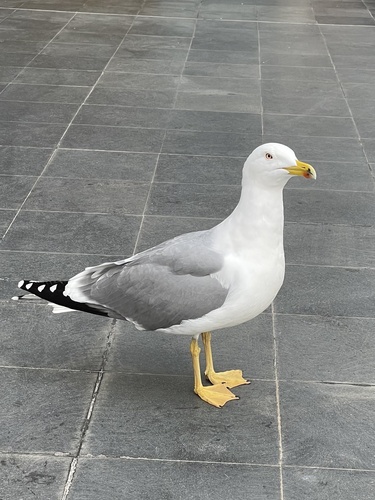
キアシセグロカモメ (Larus michahellis) キアシセグロカモメ
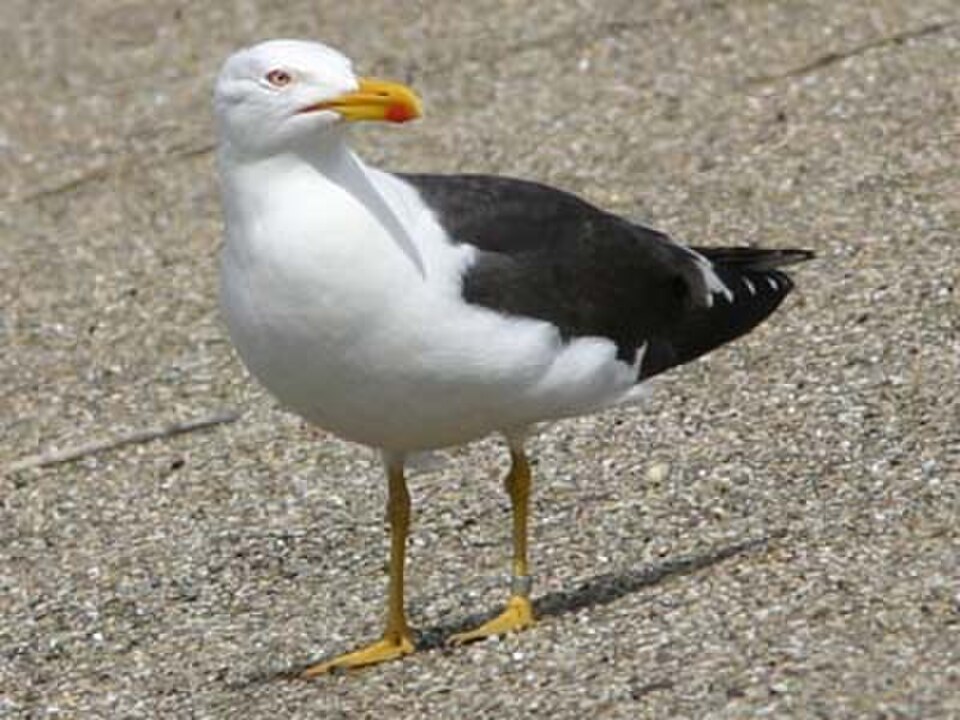
ニシセグロカモメ (Larus fuscus) ニシセグロカモメ

メディア

読み込み中…

要点

イエロー脚カモメとニシセグロカモメを区別する最も信頼できるフィールドマークは、成鳥の背中と上翼の色です:イエロー脚カモメは中程度の灰色の背中を持ち、ハイリングカモメよりも暗く、ニシセグロカモメよりも明るいです。一方、ニシセグロカモメは明らかに暗い、ほぼ黒っぽい灰色の背中と上翼を示します。幼鳥では、翼と尾のパターンに注目してください:イエロー脚カモメの初年度は、より明るい頭部と腹部、はっきりした黒い尾帯、暗い飛行羽を持ち、ニシセグロカモメの初年度は、上面がより均一に暗く、鱗状で、しっかりとした暗い三次羽を持っています。両種は成鳥として黄色い脚を持っていますが、幼鳥の脚の色は変動があり、常に信頼できるわけではありません。構造とサイズは重なりますが、イエロー脚カモメは平均してややがっしりとしています。特に非成鳥の羽毛では、複数の特徴を常に確認してください。

識別のコツ

  1. 背中/背中の色(成鳥): サイドバイサイドのビューでは、イエロー脚カモメは中程度の灰色の背中を持ち、ハイリングカモメよりも暗く、ニシセグロカモメよりも明るいです。良い光の下で直接比較するのが最適です。
  2. 翼と尾のパターン(幼鳥/初年度): イエロー脚カモメの初年度は、より明るい頭部と腹部、はっきりした黒い尾帯、暗い飛行羽を持っています。ニシセグロカモメの初年度は、上面がより均一に暗く、鱗状で、しっかりとした暗い三次羽ときれいで対照的な翼のパターンを持っています。飛行中または休息中の鳥を観察する際にこれを使用してください。
  3. 脚の色(成鳥): 両種は成鳥として黄色い脚を持っていますが、イエロー脚カモメの脚はしばしば明るいです。幼鳥では、脚の色は変動があり、信頼できません。
  4. 頭の色(秋/冬): イエロー脚カモメは秋に白い頭を持ち、ニシセグロカモメは冬に灰色の頭を示すことがよくあります。これは微妙で、他のマークと組み合わせて使用するのが最適です。
  5. くちばしのパターン(幼鳥): イエロー脚カモメの2冬目の鳥は黒いくちばしの先端を保持しますが、ニシセグロカモメは初年度により均一に暗いくちばしを示すことがあります。
  6. 目の色(成鳥): イエロー脚カモメは赤い眼窩リングを持ち(ニシセグロカモメのように)、ハイリングカモメは暗い黄色のリングを持っています。これらの2種を区別するのには役立ちませんが、ハイリングカモメが混じっている場合には有用です。
  7. 翼先端のパターン(成鳥): イエロー脚カモメは翼先端により広範囲の黒を示し、白い斑点(「ミラー」)が少ないですが、ニシセグロカモメは小さな白いミラーを持っています。これは微妙で、広げた翼の良いビューが必要です。
  8. 腹部のトーン(幼鳥/初年度): イエロー脚カモメは、特に頭部と腹部がより明るいですが、ニシセグロカモメはより暗く、均一です。
  9. 構造: イエロー脚カモメはややがっしりとしており、くちばしが重いですが、これは経験や直接比較でのみ明らかです。両種はサイズで重なります。
  10. 飛行の印象: 両者は強力な飛行者ですが、イエロー脚カモメはやや重い翼に見えることがあります。これは主観的で、単独では信頼できません。
  11. 生息地/範囲: 地中海盆地にいる場合、イエロー脚カモメの方が可能性が高いです。北西ヨーロッパや北大西洋では、ニシセグロカモメの方が一般的です。ただし、両者はコア範囲外で漂流者として発生することがあるため、常に羽毛を確認してください。
  12. 季節的文脈: ニシセグロカモメは渡り鳥で、繁殖シーズン外の北ヨーロッパでより一般的である可能性がありますが、イエロー脚カモメは地中海でより居住的です。
  13. 三次羽のパターン(幼鳥): ニシセグロカモメの幼鳥はしっかりとした暗い三次羽を持っていますが、イエロー脚カモメの三次羽は均一に暗くありません。休息中の幼鳥の近くのビューでこれを使用してください。
  14. くちばしの色(成鳥): 両者は赤い斑点のある黄色いくちばしを持っているため、これで区別するのは有用ではありません。
  15. 声: 利用可能なメモに基づいて診断的ではありません。両者は典型的なラルスの鳴き声を持っています。

大きさ

両種は大きなカモメで、サイズにかなりの重なりがありますが、イエロー脚カモメは通常ややがっしりとしており、翼の弦が長く(40.8–47.2 cm対38–45 cm)、最大体重が重い(ニシセグロカモメの1100 gに対して最大1600 gまで)です。ニシセグロカモメは平均約817.5 gですが、イエロー脚カモメは特に大きなオスではより重くなることがあります。フィールドでは、この違いは微妙で、姿勢や年齢によってしばしば隠されるため、サイズだけでは診断的であることは稀です。

羽色

幼鳥と初冬の鳥は翼と尾のパターンで最もよく区別されます。イエロー脚カモメの初年度は、より明るい頭部、尾、腹部を持ち、はっきりした黒い尾帯と暗い飛行羽を持っています。彼らの上面はニシセグロカモメよりも鱗状が少なく、全体的な印象は下側がより明るいです。2冬目になると、イエロー脚カモメはほとんど成鳥のようになりますが、パターンのある翼の覆羽と黒いくちばしの先端を保持します。ニシセグロカモメの初年度は、上面がより暗く、均一に鱗状で、しっかりとした暗い(バーのない)三次羽ときれいで対照的な翼のパターンを持っています。彼らの腹部はイエロー脚カモメよりも明るくありません。成鳥は背中の色が異なります:イエロー脚カモメは中程度の灰色の背中を持ち、ニシセグロカモメは明らかに暗く、ほぼ黒っぽい灰色です。両者は成鳥として黄色い脚を持っていますが、イエロー脚カモメの脚はしばしば明るいです。秋には、イエロー脚カモメは白い頭を持ち、ニシセグロカモメは灰色の冬の頭を示すことがあります。成鳥の翼先端のパターン:イエロー脚カモメはより広範囲の黒を持ち、白い斑点(「ミラー」)が少ないですが、ニシセグロカモメは小さな白いミラーを持っています。

行動

両種は機会主義的な採餌者であり、ゴミ捨て場、港、都市部でスカベンジングしているのが見られます。イエロー脚カモメは攻撃的な巣の防御者として知られており、食べ物が不足している場合にはより捕食的な行動に移行することがあり、ネズミやハトを狩ることさえあります。ニシセグロカモメは渡り鳥で、特に繁殖シーズン外ではより落ち着きがなく、移動的に見えることがあります。飛行中、両者は強力で直接的な飛行を持っていますが、イエロー脚カモメはややがっしりとして重い翼に見えることがあります。

生息環境

イエロー脚カモメは地中海、南ヨーロッパ、中東および北アフリカの一部で最も一般的で、しばしば海岸、崖、そしてますます都市部で繁殖します。ニシセグロカモメはヨーロッパの大西洋および北極海岸で繁殖し、さらに南で冬を越し、西アフリカやますます北アメリカを含みます。両種は内陸や都市部でも見られますが、イエロー脚カモメは地中海盆地に典型的であり、ニシセグロカモメは北西ヨーロッパでより広範囲に分布し、渡り鳥です。

より良い説明を送る

比較と同じ項目を使ってください。文章はすぐに公開されます。

The most reliable field mark to separate Yellow-legged Gull from Lesser Black-backed Gull is the mantle and upperwing color in adults: Yellow-legged Gull has a medium grey back, darker than Herring Gull but paler than Lesser Black-backed, while Lesser Black-backed Gull shows a distinctly darker, almost blackish-grey back and upperwings. In immatures, focus on the wing and tail pattern: Yellow-legged Gull first-years have a paler head and underparts, a well-defined black tail band, and dark flight feathers, while Lesser Black-backed first-years are more uniformly dark and scaly above, with solidly dark tertials. Both species have yellow legs as adults, but leg color in immatures is variable and not always reliable. Structure and size overlap, but Yellow-legged is on average slightly bulkier. Always check multiple features, especially in non-adult plumages.

  1. Mantle/Back Color (Adults): In side-by-side views, Yellow-legged Gull has a medium grey back, darker than Herring Gull but paler than Lesser Black-backed, which is distinctly dark grey to blackish. Works best in good light and with direct comparison.
  2. Wing and Tail Pattern (Juvenile/First-year): Yellow-legged first-years have a paler head and underparts, a well-defined black tail band, and dark flight feathers. Lesser Black-backed first-years are more uniformly dark and scaly above, with solidly dark tertials and a neat, contrasting wing pattern. Use this when observing birds in flight or at rest.
  3. Leg Color (Adults): Both species have yellow legs as adults, but Yellow-legged's are often brighter. In immatures, leg color is variable and not reliable.
  4. Head Color (Autumn/Winter): Yellow-legged is whiter-headed in autumn, while Lesser Black-backed often shows a greyer head in winter. This is subtle and best used in combination with other marks.
  5. Bill Pattern (Immatures): Yellow-legged second-winter birds retain black bill tips, while Lesser Black-backed may show a more uniformly dark bill in first-years.
  6. Eye Color (Adults): Yellow-legged has a red orbital ring (like Lesser Black-backed), but Herring Gull has a dark yellow ring. Not helpful for separating these two, but useful if Herring Gull is in the mix.
  7. Wingtip Pattern (Adults): Yellow-legged shows more extensive black at the wingtip with fewer white spots ('mirrors'), while Lesser Black-backed has smaller white mirrors. This is subtle and requires good views of the spread wing.
  8. Underpart Tone (Juvenile/First-year): Yellow-legged is paler below, especially on the head and underparts, compared to the darker, more uniform Lesser Black-backed.
  9. Structure: Yellow-legged is slightly bulkier and heavier-billed, but this is only apparent with experience or in direct comparison. Both species overlap in size.
  10. Flight Jizz: Both are powerful fliers, but Yellow-legged may appear heavier-winged. This is subjective and not reliable alone.
  11. Habitat/Range: If in the Mediterranean basin, Yellow-legged is more likely; in northwestern Europe or North Atlantic, Lesser Black-backed is more common. However, both can occur as vagrants outside their core range, so always check plumage.
  12. Seasonal Context: Lesser Black-backed is migratory and may be more common in northern Europe outside the breeding season, while Yellow-legged is more resident in the Mediterranean.
  13. Tertial Pattern (Juvenile): Lesser Black-backed juveniles have solidly dark tertials, while Yellow-legged's tertials are less uniformly dark. Use this in close views of resting juveniles.
  14. Bill Color (Adults): Both have yellow bills with a red spot, so this is not useful for separation.
  15. Voice: Not diagnostic based on available notes; both have typical Larus calls.

Both species are large gulls with considerable overlap in size, but Yellow-legged Gull is typically a bit bulkier, with a longer wing chord (40.8–47.2 cm vs. 38–45 cm) and heavier maximum weight (up to 1600 g vs. 1100 g for Lesser Black-backed). Lesser Black-backed averages about 817.5 g, while Yellow-legged can be heavier, especially in large males. In the field, this difference is subtle and often masked by posture and age, so size alone is rarely diagnostic.

Juvenile and first-winter birds are best separated by wing and tail pattern. Yellow-legged Gull first-years have a paler head, rump, and underparts, with a well-defined black tail band and dark flight feathers. Their upperparts are less scaly than Lesser Black-backed, and the overall impression is paler below. By second winter, Yellow-legged Gulls are mostly adult-like but retain patterned wing coverts and black bill tips. Lesser Black-backed first-years are darker and more uniformly scaly above, with solidly dark (unbarred) tertials and a neat, contrasting wing pattern. Their underparts are less pale than Yellow-legged. Adults differ in mantle color: Yellow-legged has a medium grey back, while Lesser Black-backed is distinctly darker, nearly blackish-grey. Both have yellow legs as adults, but Yellow-legged's legs are often brighter. In autumn, Yellow-legged is whiter-headed, while Lesser Black-backed may show a greyer winter head. Wingtip pattern in adults: Yellow-legged has more extensive black with fewer white spots ('mirrors'), while Lesser Black-backed has smaller white mirrors.

Both species are opportunistic foragers and can be seen scavenging at rubbish tips, harbors, and urban areas. Yellow-legged Gulls are known to be aggressive nest defenders and may shift to more predatory behavior if food is scarce, even hunting rats and pigeons. Lesser Black-backed Gulls are migratory and may appear more restless or mobile, especially outside the breeding season. In flight, both have a powerful, direct flight, but Yellow-legged may appear slightly bulkier and heavier-winged.

Yellow-legged Gull is most common around the Mediterranean, southern Europe, and parts of the Middle East and North Africa, often breeding on coasts, cliffs, and increasingly in urban areas. Lesser Black-backed Gull breeds along Atlantic and Arctic coasts of Europe and winters further south, including West Africa and, increasingly, North America. Both species can be found inland and in urban settings, but Yellow-legged is more typical of the Mediterranean basin, while Lesser Black-backed is more widespread in northwestern Europe and migratory.

変更を破棄しますか?

保存していない編集があります。今離れると失われます。

キアシセグロカモメ · ニシセグロカモメ · 苦手な鳥