

Motmot

キボウシスミレフウキンチョウ 対 ハシブトスミレフウキンチョウ

Euphonia luteicapilla 対 Euphonia laniirostris

キボウシスミレフウキンチョウとハシブトスミレフウキンチョウのクイズ
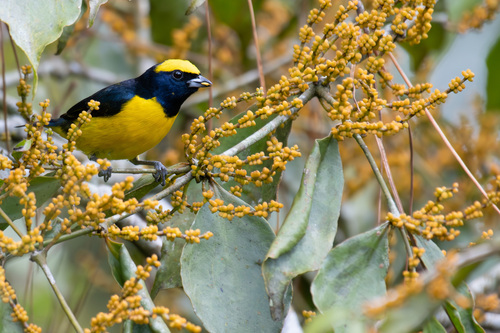
キボウシスミレフウキンチョウ (Euphonia luteicapilla) キボウシスミレフウキンチョウ
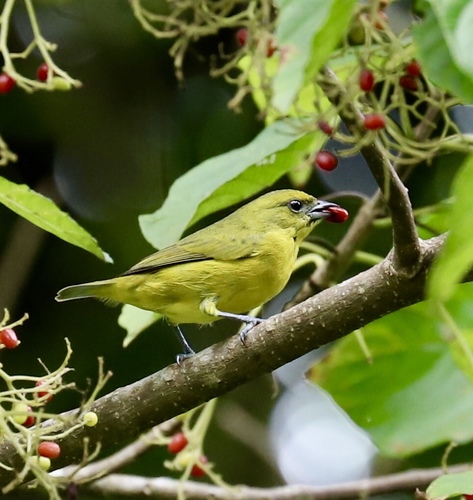
ハシブトスミレフウキンチョウ (Euphonia laniirostris) ハシブトスミレフウキンチョウ

メディア

読み込み中…

要点

キボウシスミレフウキンチョウとハシブトスミレフウキンチョウを区別するための最も信頼できるフィールドマークは、成鳥のオスにおける黄色の冠の広がりと形状です:キボウシスミレフウキンチョウは目を大きく超えて広がる明るい黄色の冠を持ち、ハシブトスミレフウキンチョウは目をわずかに超える限られた黄色の額の斑点を持っています。メスはより難しいですが、キボウシスミレフウキンチョウのメスは全体的にオリーブ色で、額に黄色がかった色合いがあります。一方、ハシブトスミレフウキンチョウのメスはより緑色で、淡い尾羽を示すことがあります。くちばしのサイズも微妙ですが有用な手がかりです:ハシブトスミレフウキンチョウは明らかに太いくちばしを持っています。両種はサイズと構造が似ていますが、文脈と微妙な羽毛の詳細がほとんどのフィールド状況で役立ちます。

識別のコツ

  1. Male crown pattern: 成鳥のオスでは、黄色の冠を確認してください。キボウシスミレフウキンチョウは目の後ろまで広がる大きく明るい黄色の冠を持ち、ハシブトスミレフウキンチョウは目をわずかに超える黄色の額の斑点を持ち、残りの冠は青黒いです。これはオスにとって最も信頼できるマークです。
  2. Bill shape: ハシブトスミレフウキンチョウはキボウシスミレフウキンチョウよりも明らかに太く深いくちばしを持っています。これは横からのプロファイルや鳥が餌を食べているときに最もよく見えます。
  3. Female upperparts: メスのキボウシスミレフウキンチョウは上面がオリーブ色で、額に黄色がかった色合いがあります。ハシブトスミレフウキンチョウのメスは上面がより緑色で、黄色がかった額はあまりはっきりしていません。
  4. Female underparts: キボウシスミレフウキンチョウのメスはオリーブ黄色の腹部を持ち、中央が淡く、尾羽が鈍いです。ハシブトスミレフウキンチョウのメスは下が緑黄色で、尾羽の覆羽が最も淡く、いくつかの亜種ではほぼ白っぽく見えることがあります。
  5. Male underparts: 両方のオスは明るい黄色の腹部を持っていますが、いくつかのハシブトスミレフウキンチョウの亜種(hypoxantha)は、キボウシスミレフウキンチョウと重なる可能性のある、さらに明るいレモンイエローの腹部と冠を示します。冠のパターンを主要なマークとして使用してください。
  6. Tail and undertail: ハシブトスミレフウキンチョウ(特に指名亜種とzopholega)は、飛行中や尾を広げたときに外側の尾羽の裏側に白い斑点を示すことがあります。キボウシスミレフウキンチョウにはこれらの白い斑点はありません。
  7. Wing and back color: 両種は成鳥のオスにおいて光沢のある青黒い上面を示しますが、ハシブトスミレフウキンチョウは青みがかった色合いのより暗い翼を持つことがあります。これは微妙で、常に信頼できるわけではありません。
  8. Juvenile/immature plumage: どちらの種にも特定の年齢に特有の翼や飛行のマークは記載されていないため、未熟な鳥は上記の構造と一般的な色合いで特定するのが最適です。
  9. Habitat context: コスタリカ、ニカラグア、またはパナマの外で見られた場合、キボウシスミレフウキンチョウを除外してください。重複ゾーンでは、両種が一緒に存在する可能性があるため、ハビタットだけに頼らないでください。
  10. Geographic range: ハシブトスミレフウキンチョウは南アメリカで期待される唯一の種です。キボウシスミレフウキンチョウはそこには存在しません。
  11. Iris, leg, and bill color: 両方とも暗褐色の虹彩と暗灰色の脚を持っています。くちばしの色は似ていますが、ハシブトスミレフウキンチョウのくちばしはより太く、下顎の基部は青灰色です。
  12. Size: ハシブトスミレフウキンチョウはわずかに重いですが、サイズの重複は大きく、フィールドでは信頼できません。
  13. Social behavior: 両種は似たように振る舞い、しばしばペアや小さな群れで見られます。行動は区別要因ではありません。
  14. Voice: 提供された情報源には診断的な声の違いは記載されていません。区別のために声に頼らないでください。
  15. Pitfalls: ハシブトスミレフウキンチョウの亜種変異、特にhypoxantha(非常に黄色の冠と腹部)に注意してください。これはキボウシスミレフウキンチョウに非常に似ることがあります。確認のために、冠の黄色の広がりとくちばしの太さを常にチェックしてください。

大きさ

両種は小型のスミレフウキンチョウで、長さ(約9〜10 cm)が重複していますが、ハシブトスミレフウキンチョウはわずかに重い(約15 g対キボウシスミレフウキンチョウの13 g)です。違いは微妙で、フィールドでは診断的であることは稀です。ハシブトスミレフウキンチョウのくちばしは明らかに太く深いもので、近距離または良好な光の下でよく見えますが、全体的な体のサイズは強い区別要因ではありません。

羽色

成鳥のオスは黄色の冠で最もよく区別されます:キボウシスミレフウキンチョウは目を大きく超えて広がる大きく明るい黄色の冠と額を持ち、ハシブトスミレフウキンチョウの黄色は額に限定され、目をわずかに超えるだけで、残りの冠は光沢のある青黒いです。両方とも青黒い上面を持っていますが、ハシブトスミレフウキンチョウは青みがかった色合いのやや暗い翼と尾を示すことがあります。両者の腹部は明るい黄色ですが、いくつかのハシブトスミレフウキンチョウの亜種(特にhypoxantha)は、さらに広範囲またはレモンイエローの冠と明るい腹部を持ち、混乱を引き起こす可能性があります。メスはより難しいです:キボウシスミレフウキンチョウのメスは上面がオリーブ色で、額に黄色がかった色合いがあり、下はオリーブ黄色です。一方、ハシブトスミレフウキンチョウのメスは上面がより緑色で、下は緑黄色で、尾羽の覆羽が最も淡いです。ハシブトスミレフウキンチョウの尾羽はしばしば淡いまたは白い斑点を示します(特にいくつかの亜種で)、これはキボウシスミレフウキンチョウには存在しません。未熟な羽毛や幼鳥の羽毛は、情報源で詳細に記載されておらず、どちらの種にも年齢に特有の上翼や飛行のマークは記載されていません。

行動

両種は活発で社交的で、しばしばペアや小さな群れで見られ、樹冠やエッジの植生を移動します。フィールドで信頼できる区別をするための強い行動の違いは情報源には記載されていません。

生息環境

両種は中米(コスタリカ、パナマ)で重複していますが、ハシブトスミレフウキンチョウは南アメリカにまで広がるはるかに広い範囲を持っています。キボウシスミレフウキンチョウはコスタリカ、ニカラグア、パナマにより制限されています。両者は森林のエッジ、開けた場所、庭、耕作地を利用しますが、ハシブトスミレフウキンチョウは乾燥したより広範囲の開放的および半開放的な生息地、都市化された地域にいる可能性が高いです。コスタリカとパナマでは、両者が一緒に見られることがあるため、生息地だけに頼ることは診断的ではありません。

より良い説明を送る

比較と同じ項目を使ってください。文章はすぐに公開されます。

The most reliable field mark for separating Yellow-crowned Euphonia from Thick-billed Euphonia is the extent and shape of the yellow crown patch on adult males: Yellow-crowned shows a broad yellow crown that extends well past the eye, while Thick-billed has a more limited yellow forehead patch that only slightly passes the eye. Females are trickier, but Yellow-crowned females are more olive overall, with a yellowish tinge on the forehead, whereas Thick-billed females are greener and may show a paler undertail. Bill size is also a subtle but useful clue: Thick-billed has a noticeably chunkier bill. Both species are similar in size and structure, but context and subtle plumage details help in most field situations.

  1. Male crown pattern: On adult males, check the yellow crown. Yellow-crowned has a large, bright yellow crown that extends well behind the eye; Thick-billed has a yellow forehead patch that only slightly passes the eye, with the rest of the crown blue-black. This is the single most reliable mark for males.
  2. Bill shape: Thick-billed Euphonia has a noticeably thicker, deeper bill than Yellow-crowned. This is best seen in side profile or when birds are feeding.
  3. Female upperparts: Female Yellow-crowned is olive above, with a yellowish tinge on the forehead; Thick-billed female is greener above, with a less distinct yellowish forehead.
  4. Female underparts: Yellow-crowned female has olive-yellow underparts with a paler center and duller undertail; Thick-billed female is greenish-yellow below, palest on the undertail coverts, which may appear almost whitish in some subspecies.
  5. Male underparts: Both males have bright yellow underparts, but some Thick-billed subspecies (hypoxantha) show even brighter, lemon-yellow underparts and crown, which may overlap with Yellow-crowned. Use crown pattern as primary mark.
  6. Tail and undertail: Thick-billed Euphonia (especially nominate and zopholega) may show white patches on the underside of the outer tail feathers, visible in flight or when the tail is spread; Yellow-crowned lacks these white patches.
  7. Wing and back color: Both species show glossy blue-black upperparts in adult males, but Thick-billed may have duskier wings with a blue tinge. This is subtle and not always reliable.
  8. Juvenile/immature plumage: No distinctive age-specific wing or flight marks are described for either species, so immature birds are best identified by structure and general coloration as above.
  9. Habitat context: If seen outside Costa Rica, Nicaragua, or Panama, rule out Yellow-crowned. In overlap zones, both species may occur together, so do not rely on habitat alone.
  10. Geographic range: Thick-billed is the only one expected in South America; Yellow-crowned is absent there.
  11. Iris, leg, and bill color: Both have dark brown irises and dark gray legs; bill color is similar, but Thick-billed's is stouter with a blue-gray base to the mandible.
  12. Size: Thick-billed is slightly heavier, but size overlap is great and not reliable in the field.
  13. Social behavior: Both species behave similarly, often in pairs or small groups; behavior is not a separator.
  14. Voice: No diagnostic vocal differences are described in the sources provided; do not rely on voice for separation.
  15. Pitfalls: Beware of subspecific variation in Thick-billed, especially hypoxantha (very yellow crown and underparts), which can closely resemble Yellow-crowned. Always check the extent of the yellow on the crown and the bill thickness for confirmation.

Both species are small euphonias and overlap in length (about 9–10 cm), but Thick-billed Euphonia averages slightly heavier (about 15 g vs. 13 g for Yellow-crowned). The difference is subtle and rarely diagnostic in the field. The bill of Thick-billed is distinctly stouter and deeper, which can be seen well at close range or in good light, but overall body size is not a strong separator.

Adult males are best separated by the yellow crown: Yellow-crowned Euphonia has a large, bright yellow crown and forecrown that extends well past the eye, covering much of the crown, whereas Thick-billed Euphonia's yellow is confined to the forehead and only slightly passes the eye, leaving the rest of the crown glossy blue-black. Both have blue-black upperparts, but Thick-billed may show a slightly duskier wing and tail with a blue tinge. Underparts in both are bright yellow, but some Thick-billed subspecies (notably hypoxantha) have an even more extensive or lemon-yellow crown and brighter underparts, which can cause confusion. Females are more difficult: Yellow-crowned females are olive above with a yellowish forehead and olive-yellow below, while Thick-billed females are greener above and have greenish-yellow underparts, palest on the undertail coverts. The undertail of Thick-billed often shows paler or white patches (especially in some subspecies), which is not present in Yellow-crowned. Juvenile and immature plumages are not described in detail in the sources, and there are no distinctive upperwing or flight marks noted for either species at any age.

Both species are active, social, and often found in pairs or small groups, moving through the canopy or edge vegetation. There are no strong behavioral differences noted in the sources that would reliably separate them in the field.

Both species overlap in Central America (Costa Rica, Panama), but Thick-billed Euphonia has a much broader range, extending into South America. Yellow-crowned is more restricted to Costa Rica, Nicaragua, and Panama. Both use forest edges, clearings, gardens, and cultivated areas, but Thick-billed is more likely in a wider range of open and semi-open habitats, including drier and more urbanized areas. In Costa Rica and Panama, both may be found together, so habitat alone is not diagnostic.

変更を破棄しますか?

保存していない編集があります。今離れると失われます。

キボウシスミレフウキンチョウ · ハシブトスミレフウキンチョウ · 苦手な鳥