

Motmot

キバシオナガガモ 対 キバシコガモ

Anas georgica 対 Anas flavirostris

キバシオナガガモとキバシコガモのクイズ
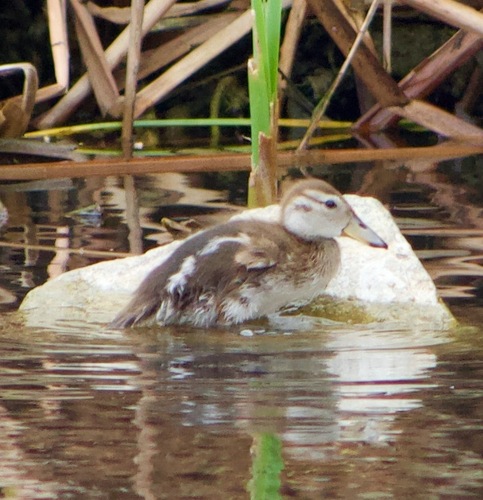
キバシオナガガモ (Anas georgica) キバシオナガガモ
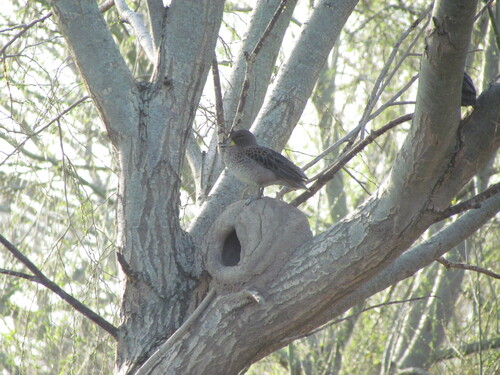
キバシコガモ (Anas flavirostris) キバシコガモ

メディア

読み込み中…

要点

キバシオナガガモとキバシコガモを区別する最も信頼できる方法は、サイズと構造です:キバシオナガガモは明らかに大きく、首が長く、尖った尾を持っていますが、キバシコガモはコンパクトで、首と尾が短いです。両方とも黒い模様のある黄色いくちばしを持っていますが、キバシオナガガモのくちばしは黄色のサイドストライプと中央の黒いストライプを示し、一方、キバシコガモのくちばしはより均一に黄色で、黒い先端と黒いクルメンリッジがあります。羽毛では、キバシオナガガモは黒い斑点のある淡褐色の体と、黒っぽい緑の二次羽を持つ灰褐色の上翼を示しますが、キバシコガモはより地味で、暗い頭とより均一な灰色の側面を持っています。社会的行動も役立ちます:キバシオナガガモはキバシコガモよりも大きな群れを形成する可能性が低いです。

識別のコツ

  1. Size and Structure: キバシオナガガモはキバシコガモよりもはるかに大きく、首が長いです。両方を一緒に見ると、違いは明らかです;単独の場合は、近くのカモと比較するか、キバシオナガガモの伸びやかで優雅な外観とキバシコガモのコンパクトでずんぐりした形を注意してください。
  2. Tail Shape: キバシオナガガモは、特に飛行中や泳いでいるときに、体を超えて目立つことが多い尖った淡褐色の尾を持っています。キバシコガモの尾は短く、尖っていません。
  3. Bill Pattern: キバシオナガガモのくちばしは黄色で、黒い先端と中央に太い黒いストライプ、さらに黄色のサイドストライプがあります。キバシコガモのくちばしは明るい黄色で、黒い先端とクルメンに沿った黒いバンドがありますが、キバシオナガガモの中央の黒いストライプやサイドストライプはありません。これは近距離での重要な特徴です。
  4. Head and Neck: キバシオナガガモは茶色の頭と相対的に長い首を持っています。キバシコガモの頭は暗く、首は明らかに短いです。
  5. Body Plumage: キバシオナガガモは、特に側面と胸に変動する黒い斑点のある淡褐色の体を示します。キバシコガモは、平坦な灰色の側面と単色の腹部を持ち、強い斑点がありません。
  6. Upperwing Pattern: キバシオナガガモの上翼は灰褐色で、黒っぽい緑の二次羽を持っていますが、どちらの種にも特有の飛行マークは記載されていません。飛行中は全体の色と構造を使用してください。
  7. Group Size: キバシコガモは、特に冬や渡りの時期に大きな群れを形成することが多いです;キバシオナガガモは通常、単独またはペアで見られ、大きな群れを形成することは稀です。
  8. Habitat Preference: 両者は湿地で重なりますが、キバシオナガガモは高地や開けた海岸を含むより広範な生息地で見られることがありますが、キバシコガモは湿った植生のある湿地を好みます。
  9. Behavior: キバシオナガガモの長い首と体は、ダブリング時により優雅で伸びやかな外観を与えます;キバシコガモはよりコンパクトで忙しそうに見えます。
  10. Confusion Risk: 照明が悪い場合や距離がある場合、両者は黄色いくちばしを持つ褐色に見えることがあります。サイズ、尾の形、くちばしのパターンを主な手がかりとして使用してください。
  11. No Distinctive Juvenile/Immature Flight Marks: 年齢特有の上翼や飛行マークは記載されていません;すべての年齢で構造とくちばしのパターンに依存してください。
  12. Sexes Similar: 両種はフィールドでの性的二形性がほとんどありません;上記の特徴はオスとメスの両方に適用されます。
  13. Seasonal Variation: 両種に強い季節的な羽毛の変化は記載されていません;識別のヒントは年間を通じて信頼できます。
  14. Bill Pattern in Hybrids: 稀なハイブリッドは中間的なくちばしのパターンを示すことがあります;くちばしのパターンがあいまいな場合は、サイズと構造をバックアップとして使用してください。
  15. When in Doubt: 群れを成していて、コンパクトな形状と平坦な側面がすべて存在する場合はキバシコガモに傾き、単独で、より大きく、尖った尾と斑点のある側面がある場合はキバシオナガガモに傾いてください。

大きさ

キバシオナガガモはキバシコガモよりも明らかに大きいです。キバシオナガガモは長い首とより細長い尖った尾を持ち、水中でも飛行中でも伸びやかで優雅なプロファイルを与えます。それに対して、キバシコガモはコンパクトで、短い首と尾を持ち、全体的によりずんぐりした外観をしています。このサイズの違いは、両種が一緒にいる場合、距離があってもしばしば見えます。

羽色

両種に対して年齢特有の上翼や飛行パターンのマークは記載されていませんが、大人と幼鳥は全体の体と翼の色合いによって区別できます。キバシオナガガモは淡褐色の尖った尾と灰褐色の上翼を持ち、黒っぽい緑の二次羽があり、黒い斑点のある淡褐色の体と対照的です。キバシコガモはキバシオナガガモの尖った尾がなく、より均一な色合いで、暗い頭と平坦な灰色の側面を持ち、腹部は単色で、キバシオナガガモの斑点がありません。両種とも黒い模様のある黄色いくちばしを持っていますが、キバシオナガガモのくちばしは黄色のサイドストライプと黒い中央ストライプを示し、キバシコガモのくちばしはより均一に黄色で、黒い先端とクルメンに沿った黒いバンドがあります。これらの違いは年齢や季節を通じて一貫しています。

行動

キバシコガモは、特に繁殖シーズン以外に大きな群れを形成する傾向があり、グループで見られることが多いです。キバシオナガガモはあまり群れを成さず、単独またはペアで見られることが多いです。両種とも浅い水でダブリングして餌を探しますが、キバシオナガガモの長い首と体は、餌を探すときにより優雅で伸びやかな外観を与えるかもしれません。

生息環境

両種は南アメリカで広く重なり、フォークランド諸島やサウスジョージアを含み、両者とも淡水の湿地、湖、湿原を利用します。キバシオナガガモはより柔軟で、高地の湖から低地の川、さらには開けた国の沿岸地域まで生息しています。キバシコガモは湿潤な生息地を好み、川沿いで見られることは少ないです。生息地だけでは、両者が存在する場所での区別には信頼できません。

より良い説明を送る

比較と同じ項目を使ってください。文章はすぐに公開されます。

The most reliable way to separate Yellow-billed Pintail from Yellow-billed Teal is by size and structure: the pintail is noticeably larger and longer-necked, with a pointed tail, while the teal is compact with a shorter neck and tail. Both have yellow bills with black markings, but the pintail's bill shows yellow side stripes and a central black stripe, whereas the teal's bill is more uniformly yellow with a black tip and a black culmen ridge. In plumage, pintail shows a buffy brown body with black spots and a grayish-brown upperwing with blackish-green secondaries; the teal is plainer, with a darker head and more uniform grayish sides. Social behavior can also help: pintails are less likely to form large flocks than teals.

  1. Size and Structure: The pintail is much larger and longer-necked than the teal. If you see both together, the difference is obvious; alone, compare to nearby ducks or note the stretched, elegant look of the pintail versus the teal's compact, squat shape.
  2. Tail Shape: Pintail has a pointed, brownish tail that often projects noticeably beyond the body, especially in flight or when swimming. The teal's tail is shorter and less pointed.
  3. Bill Pattern: Pintail's bill is yellow with a black tip and a bold black stripe down the center, plus yellow side stripes. Teal's bill is bright yellow with a black tip and a black band along the ridge (culmen), but lacks the central black stripe and side stripes of the pintail. This is a key close-range mark.
  4. Head and Neck: Pintail has a brown head and a proportionally longer neck. Teal's head is darker and the neck is noticeably shorter.
  5. Body Plumage: Pintail shows a buffy brown body with variable black spotting, especially on the flanks and breast. Teal is more uniform below, with plain grayish sides and a unicolored underside, lacking strong spotting.
  6. Upperwing Pattern: Pintail's upperwing is grayish-brown with blackish-green secondaries, but no unique flight marks are described for either species. Use overall color and structure in flight.
  7. Group Size: Teal is often in large flocks, especially in winter or migration; pintail is usually solitary or in pairs, rarely forming big groups.
  8. Habitat Preference: Both overlap in wetlands, but pintail may be found in a wider range of habitats, including higher elevations and open coasts, while teal prefers marshy, vegetated wetlands.
  9. Behavior: Pintail's longer neck and body give it a more graceful, stretched look when dabbling; teal appears more compact and busy.
  10. Confusion Risk: In poor light or at distance, both may appear brownish with yellow bills. Use size, tail shape, and bill pattern as primary clues.
  11. No Distinctive Juvenile/Immature Flight Marks: There are no described age-specific upperwing or flight marks for separation; rely on structure and bill pattern at all ages.
  12. Sexes Similar: Both species show little sexual dimorphism in the field; the above marks apply to both males and females.
  13. Seasonal Variation: No strong seasonal plumage changes are described for either species; identification tips are reliable year-round.
  14. Bill Pattern in Hybrids: Rare hybrids may show intermediate bill patterns; if the bill pattern is ambiguous, use size and structure as backup.
  15. When in Doubt: If flocking, compact shape, and plain sides are all present, lean teal; if solitary, larger, with pointed tail and spotted flanks, lean pintail.

Yellow-billed Pintail is distinctly larger than Yellow-billed Teal. The pintail has a longer neck and a more elongated, pointed tail, giving it a stretched, elegant profile both on water and in flight. In contrast, the teal is compact, with a shorter neck and tail, and appears more squat overall. This size difference is often visible even at a distance if both species are present together.

No age-specific upperwing or flight pattern marks are described for either species, but adults and immatures can be separated by overall body and wing coloration. The pintail has a brownish, pointed tail and a grayish-brown upperwing with blackish-green secondaries, contrasting with its buffy brown, black-spotted body. The teal lacks the pintail's pointed tail and is more uniformly colored, with a darker head and plain grayish sides; its underside is unicolored, lacking the pintail's spotting. Both species have yellow bills with black markings, but the pintail's bill shows yellow side stripes and a black central stripe, while the teal's bill is more evenly yellow with a black tip and a black band along the culmen. These differences are consistent across ages and seasons.

Yellow-billed Teal tends to form larger flocks, especially outside the breeding season, and is often seen in groups. Yellow-billed Pintail is less gregarious and more likely to be found singly or in pairs. Both species dabble and feed in shallow water, but the pintail's longer neck and body may give it a more graceful, stretched appearance when foraging.

Both species overlap widely in South America, including the Falkland Islands and South Georgia, and both use freshwater wetlands, lakes, and marshes. The pintail is more flexible, occurring from high-altitude lakes to lowland rivers and even coastal areas in open country. The teal prefers palustrine (marshy) habitats and is less often found along rivers. Habitat alone is not reliable for separation where both occur.

変更を破棄しますか?

保存していない編集があります。今離れると失われます。

キバシオナガガモ · キバシコガモ · 苦手な鳥