

Motmot

コシジロウズラシギ 対 ヒレアシトウネン

Calidris fuscicollis 対 Calidris pusilla

コシジロウズラシギとヒレアシトウネンのクイズ
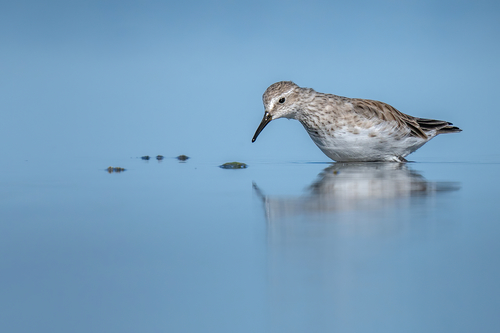
コシジロウズラシギ (Calidris fuscicollis) コシジロウズラシギ
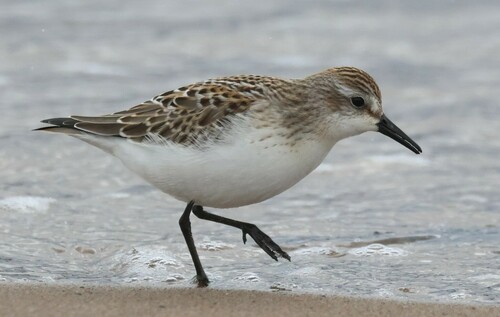
ヒレアシトウネン (Calidris pusilla) ヒレアシトウネン

メディア

読み込み中…

要点

ホシジロウズラシギとヒレアシトウネンを区別する最も信頼できる方法は、ホシジロウズラシギの特徴的な白い尻を飛んでいるときに見つけることです。この特徴はヒレアシトウネンには見られません。鳥が飛んでいない場合は、ホシジロウズラシギの長い翼(尾を大きく超えて伸びる)とやや大きく、細身の体型を探してください。両種は特に幼鳥の時に止まっているときに非常に似て見えることがありますが、翼の長さ、くちばしの形、微妙な羽毛の違いに注意を払うことで助けになります。年齢や季節によって複雑になることがありますが、飛んでいるときの白い尻と長い一次羽の突出がすべての羽色での最良の手がかりです。

識別のコツ

  1. 飛んでいるときの白い尻: ホシジロウズラシギは常に明るい白い尻と上尾羽を飛んでいるときに見せ、尾の暗い中心と対照的です。ヒレアシトウネンの尻は鈍く、背中と同じ色です。これは特に混合群や鳥が飛び立つときに最も信頼できるフィールドマークです。
  2. 一次羽の突出: 地上では、ホシジロウズラシギの翼先は尾を大きく超えて伸びています(長い一次羽の突出)。ヒレアシトウネンの一次羽は尾先にほとんど届かないか、ちょうど出会います。このマークはすべての年齢と季節に有効ですが、止まっている鳥で最もよく見られます。
  3. くちばしの形と長さ: ホシジロウズラシギは長く、やや下向きのくちばしを持っていますが、ヒレアシトウネンのくちばしは短く、太く、まっすぐです。これは微妙で変動がありますが、よく見れば役立ちます。
  4. 幼鳥の上面: 幼鳥のホシジロウズラシギは背中に白い「V」を示し、黒い中心の肩羽と茶色と白の縁を持っています。幼鳥のヒレアシトウネンは上面がより地味で、白い「V」と強い対比が欠けています。
  5. 胸の縞模様: 成鳥のホシジロウズラシギ(特に繁殖羽衣の時)は胸と側面に細かい縞模様がありますが、ヒレアシトウネンは通常、下側がよりきれいな白で、縞模様はほとんどありません。
  6. 眉斑: ホシジロウズラシギはすべての羽衣で淡いまたは白い眉斑を示し、ヒレアシトウネンよりも目立つことが多いです。ヒレアシトウネンはあまり明確な淡い眉斑を持っていません。
  7. 脚の色: 両種ともに暗い脚を持っていますが、これは有用な区別にはなりません。
  8. 全体の形: ホシジロウズラシギはやや大きく、長い翼を持ち、より細身の外観をしています。ヒレアシトウネンはよりコンパクトで短い翼を持っています。
  9. 羽毛の色調: 冬には、ホシジロウズラシギは上面がより暗く、黒い羽の中心を持っていますが、ヒレアシトウネンはより均一に灰褐色です。これは微妙で、常に信頼できるわけではありません。
  10. 群れのサイズ/文脈: ヒレアシトウネンは移動中に巨大な群れを形成することが多いですが、ホシジロウズラシギは通常、小さな数で見られます。ただし、両種は一緒に見られることがあります。
  11. 採餌行動: 両種は似たように採餌しますが、ホシジロウズラシギはやや深く探ることがあり、より速く動くことがあります。これは強い区別にはなりません。
  12. 生息地: 両種は似たような生息地を使用しますが、文脈は診断的ではありません。
  13. 声: メモには記載されていません; この情報に基づいて呼び声での区別に頼らないでください。
  14. 性別/季節: 両種のオスとメスは似ています; 季節の変化は主に全体の明るさと対比に影響を与え、重要なフィールドマークには影響しません。
  15. 落とし穴: 鈍い幼鳥のホシジロウズラシギには注意してください。ヒレアシトウネンに非常に似て見えることがあります、特に飛んでいないときに。常に尻と翼の突出を確認するようにしてください。

大きさ

ホシジロウズラシギは平均してやや重いです(体重約42.75g [wikidata])が、ヒレアシトウネンは(ここでは直接測定されていませんが、通常はフィールドガイドでは軽いです)。両者は長さ(15–18 cm)で似ていますが、ホシジロウズラシギはやや長い翼を持ち、特に並べて比較するとより細身の外観を与えます。群れの中では、ホシジロウズラシギはしばしばヒレアシトウネンよりも少し大きく、長く見えますが、これは微妙で、直接比較なしでは常に信頼できるわけではありません。

羽色

幼鳥と非繁殖羽衣は最も難しいです。幼鳥の場合、ホシジロウズラシギは背中に白い「V」を示し、肩羽と翼の覆羽に茶色と白の縁を持つより対比の強い黒い羽毛を持っていますが、ヒレアシトウネンの幼鳥は上面がより地味で、対比が少なく、白い「V」が欠けています。すべての年齢において、ホシジロウズラシギは飛んでいるときに白い尻が見えますが、ヒレアシトウネンの尻は鈍く、背中と同じ色です。繁殖羽衣の成鳥ホシジロウズラシギは縞模様のある胸と側面、淡い眉斑、やや長く下向きのくちばしを持っていますが、ヒレアシトウネンはより地味で、短くまっすぐなくちばしと少ない縞模様を持っています。冬には、両種とも鈍くなりますが、ホシジロウズラシギは黒い羽の中心を持つより暗い上面と白い眉斑を保持し、ヒレアシトウネンは上面がより均一に灰褐色で、下側は白です。

行動

両種は泥干潟や海岸で活発に採餌し、しばしば混合群で見られ、その採餌行動は非常に似ています。ホシジロウズラシギはやや落ち着きがないように見えることがあり、しばしば速く動き、時にはやや長いくちばしで深く探ることがあります。移動中、ヒレアシトウネンはしばしば巨大な群れを形成しますが、ホシジロウズラシギは通常、小さな数で見られます。飛行スタイルは似ていますが、ホシジロウズラシギの長い翼はより優雅で浮遊感のある外観を与えることがあります。

生息環境

両種はカナダ北部とアラスカのツンドラで繁殖し、似たような沿岸および内陸の中継地を通って移動します。移動中、ヒレアシトウネンははるかに数が多く、重要な中継地で巨大な群れを形成することができますが、ホシジロウズラシギは通常、小さな群れまたは単独で見られます。両者は南アメリカで冬を越しますが、ホシジロウズラシギはより南に見られる可能性が高いです。生息地の重複は広範囲にわたるため、文脈は診断的であることはほとんどありません。

より良い説明を送る

比較と同じ項目を使ってください。文章はすぐに公開されます。

The most reliable way to separate White-rumped Sandpiper from Semipalmated Sandpiper is by spotting the White-rumped's distinctive white rump in flight—a feature never shown by Semipalmated. If the birds are not flying, look for the White-rumped's longer wings (which project well past the tail) and slightly larger, slimmer build. Both species can look very similar when perched, especially juveniles, but careful attention to wing length, bill shape, and subtle plumage differences can help. Age and season can complicate things, but the white rump in flight and long primary projection are the best clues in all plumages.

  1. White rump in flight: White-rumped Sandpiper always shows a bright white rump and uppertail coverts in flight, contrasting with the dark center of the tail. Semipalmated Sandpiper's rump is dull and matches the back. This is the single most reliable field mark, especially in mixed flocks or when birds flush.
  2. Primary projection: On the ground, White-rumped Sandpiper's wingtips extend well beyond the tail (long primary projection). Semipalmated's primaries barely reach or just meet the tail tip. This mark works for all ages and seasons, but is best seen on perched birds at rest.
  3. Bill shape and length: White-rumped Sandpiper has a longer, slightly decurved bill, while Semipalmated's bill is shorter, stubbier, and straight. This is subtle and variable, but helpful when seen well.
  4. Juvenile upperparts: Juvenile White-rumped Sandpipers show a white 'V' on the back and black-centered scapulars with brown and white edges. Juvenile Semipalmateds are plainer above, lacking the white 'V' and strong contrast.
  5. Breast streaking: Adult White-rumped Sandpipers (especially in breeding plumage) have fine streaking on the breast and flanks; Semipalmateds are usually cleaner white below with little or no streaking.
  6. Supercilium: White-rumped Sandpiper shows a pale or white supercilium (eyebrow) in all plumages, often more prominent than on Semipalmated, which has a less distinct pale eyebrow.
  7. Leg color: Both species have dark legs; this is not a useful separator.
  8. Overall shape: White-rumped Sandpiper is slightly larger, longer-winged, and more attenuated, with a slimmer look. Semipalmated is more compact and short-winged.
  9. Plumage tone: In winter, White-rumped is darker above with black feather centers, while Semipalmated is more uniformly grey-brown. This is subtle and not always reliable.
  10. Flock size/context: Semipalmated Sandpipers are often in huge flocks during migration, while White-rumped is usually in small numbers. However, both can occur together.
  11. Feeding behavior: Both species forage similarly, but White-rumped may probe slightly deeper and move more quickly. Not a strong separator.
  12. Habitat: Both use similar habitats; context is not diagnostic.
  13. Voice: Not described in the notes; do not rely on calls for separation based on this information.
  14. Sex/season: Males and females are similar in both species; seasonal changes mostly affect overall brightness and contrast, not key field marks.
  15. Pitfalls: Beware of dull juvenile White-rumped Sandpipers, which can look very similar to Semipalmated, especially when not in flight. Always try to see the rump and wing projection for confirmation.

White-rumped Sandpiper is slightly heavier on average (body mass ~42.75g [wikidata]) than Semipalmated Sandpiper (not directly measured here, but typically lighter in field guides). Both are similar in length (15–18 cm), but White-rumped is a bit longer-winged, giving it a more attenuated, slender look, especially when compared side-by-side. In flocks, White-rumped often appears a touch larger and longer than Semipalmated, but this is subtle and not always reliable without direct comparison.

Juvenile and non-breeding plumages are the trickiest. For juveniles, White-rumped Sandpiper shows a white 'V' on the back and more contrasty black-based feathers with brown and white edges on the scapulars and wing coverts, while Semipalmated juveniles are plainer above with less contrast and lack the white 'V'. In all ages, White-rumped has a white rump visible in flight, while Semipalmated's rump is dull and matches the back. Adult White-rumped in breeding plumage has a streaked breast and flanks, a pale supercilium, and a longer, slightly decurved bill; Semipalmated is plainer, with a shorter, straight bill and less streaking. In winter, both species become duller, but White-rumped retains darker upperparts with black feather centers and a white supercilium, while Semipalmated is more uniformly grey-brown above and white below.

Both species forage actively on mudflats and shorelines, often in mixed flocks, and their feeding behavior is very similar. White-rumped Sandpiper may appear a bit more restless, often moving quickly and sometimes probing deeper with its slightly longer bill. In migration, Semipalmated Sandpipers often gather in massive flocks, while White-rumped is usually found in smaller numbers. Flight style is similar, but White-rumped's longer wings can give it a more graceful, buoyant look.

Both species breed in the tundra of northern Canada and Alaska and migrate through similar coastal and inland stopover sites. During migration, Semipalmated Sandpipers are far more numerous and can form huge flocks at key stopovers, while White-rumped Sandpipers are usually seen in smaller groups or singly. Both winter in South America, but White-rumped is more likely to be found further south. Habitat overlap is extensive, so context is rarely diagnostic.

変更を破棄しますか?

保存していない編集があります。今離れると失われます。

コシジロウズラシギ · ヒレアシトウネン · 苦手な鳥