

Motmot

セネガルショウノガン 対 クロハラチュウノガン

Eupodotis senegalensis 対 Lissotis melanogaster

セネガルショウノガンとクロハラチュウノガンのクイズ
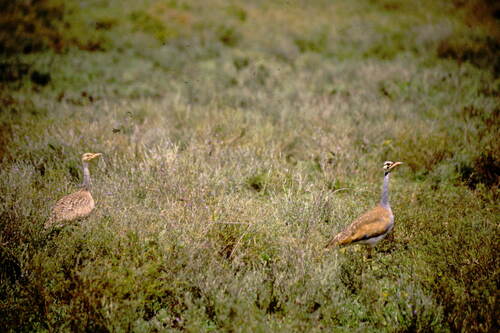
セネガルショウノガン (Eupodotis senegalensis) セネガルショウノガン
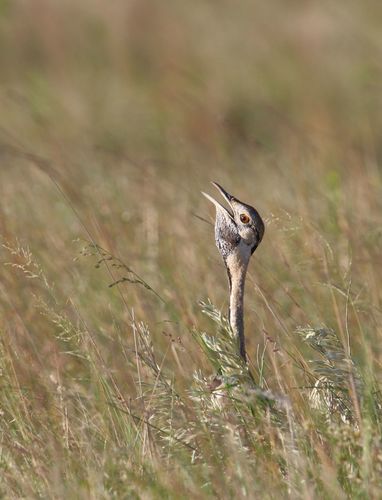
クロハラチュウノガン (Lissotis melanogaster) クロハラチュウノガン

メディア

読み込み中…

要点

ホワイトベリーショウノガンとクロハラチュウノガンの最も信頼できるフィールドマークは、腹部の色です:ホワイトベリーショウノガンは白い腹と胸を持ち、クロハラチュウノガンは成鳥のオスで黒い腹と胸を示します。幼鳥と雌はより難しいですが、白と黒の腹部のコントラストはほとんどの視点で役立ちます。飛行中または翼を広げたとき、クロハラチュウノガンは基部に茶色の三角形と黒い先端の飛行羽を持つ目を引く白い上翼を示し、立っているときでも見えます。頭と首の模様も異なります:ホワイトベリーショウノガンの成鳥は青灰色の首(オス)または淡い茶色(幼鳥/雌)を持ち、クロハラチュウノガンのオスは前面に黒い線のある淡い茶色の首を持っています。両種は似たような開けた生息地に生息しますが、構造や行動の微妙な違いが同定をさらに助けることがあります。

識別のコツ

  1. 腹部の色(すべての年齢、特に成鳥のオス): ホワイトベリーショウノガンは白い腹と胸を持ち、クロハラチュウノガンの成鳥のオスは黒い腹部を持っています。これは良い光の中での最も良いマークです。
  2. 飛行中または翼を広げたときの上翼の模様(すべての年齢): クロハラチュウノガンは基部に茶色の三角形と黒い先端の飛行羽(外側の二次羽を除く)を持つ白い上翼を示します。この大胆な模様は、鳥が立っているときでも見えます。ホワイトベリーショウノガンにはこのコントラストがありません。
  3. 頭と首の色(成鳥): ホワイトベリーショウノガンの成鳥のオスは青灰色の首、黒い冠、白い頬に黒い線を持ち、雌は灰色の冠と茶色/淡い色の線を持っています。クロハラチュウノガンのオスは前面に薄い黒い線がある淡い茶色の首を持ち、大胆な模様の頭を持ち、白い顎と目の周りを持っています;雌は単調な淡い色の頭を持ち、より暗い斑点があります。
  4. 幼鳥と雌の混同: 幼鳥のホワイトベリーショウノガンは淡い茶色の首と頭、白い腹を持ちます。幼鳥のクロハラチュウノガンは鈍く、暗く、暗い灰色の冠と翼に淡い斑点を持ち、白い腹がありません。クロハラチュウノガンの雌は茶色の斑点と螺旋模様で暗示的にマーキングされており、ホワイトベリーショウノガンの雌は下部がより単調です。
  5. くちばしと脚の色: ホワイトベリーショウノガンのオスはピンクがかった赤いくちばしとクリーム色の脚を持ち、クロハラチュウノガンは鈍い黄色のくちばしと脚を持っています。これは微妙で変動することがありますが、近距離で役立つかもしれません。
  6. 尾の模様: クロハラチュウノガンは4〜5本の狭い暗褐色の帯を持つ茶色と淡い色の尾を持ち、ホワイトベリーショウノガンの尾の模様はノートに特徴的とは記載されていません。
  7. サイズと構造: クロハラチュウノガンはわずかに大きく(58〜65 cm対48〜61 cm)、より長く細い首とがっしりした体型を持っています。これは直接比較または経験がある場合にのみ役立ちます。
  8. 性差: 両種は性差を示しますが、ホワイトベリーショウノガンのオスは特に青灰色の首と黒い顔のマーキングで目を引き、クロハラチュウノガンのオスは下部が最も大胆です。
  9. 生息地の文脈: 両種は生息地で広く重なりますが、ホワイトベリーショウノガンは乾燥したまたは高地の草原にいる可能性が高く、クロハラチュウノガンは雨の後の湿った高い草原を好みます。注意して使用してください。
  10. 群れのサイズ: ホワイトベリーショウノガンはしばしばペアまたは家族グループで見られ、クロハラチュウノガンはより孤独である可能性がありますが、これは信頼できるマークではありません。
  11. 鳴き声: 聞こえた場合、ホワイトベリーショウノガンの大きく、喉の奥から出る鳴き声は特徴的です。クロハラチュウノガンの鳴き声はここでは記載されていません。
  12. 落とし穴: 両種の雌と幼鳥は、特に距離がある場合や光が悪い場合に混同しやすいです。可能な限り腹部の色と飛行パターンに焦点を当ててください。
  13. 疑問がある場合: 飛行中の腹部と上翼の視点を取得し、首/頭の模様とくちばしの色をサポートする証拠として記録してください。

大きさ

クロハラチュウノガンはわずかに大きく、長さ58〜65 cmで、ホワイトベリーショウノガンは48〜61 cmです。違いは横に並んで見ると最も明らかですが、フィールドでは微妙なことがあります。両種は小型のチュウノガンの中に含まれますが、クロハラチュウノガンはより長い首とがっしりした体型に見える傾向があります。両種のオスは雌よりも大きいですが、これは鳥が一緒にいる場合を除いて信頼できるフィールドマークではありません。

羽色

年齢と性別は両種の羽毛に影響を与えます。成鳥の場合、腹部が鍵です:ホワイトベリーショウノガンは白い腹と白い胸を持ち、クロハラチュウノガンの成鳥のオスは黒い腹部を持っています。クロハラチュウノガンの雌と幼鳥ははるかに鈍く、単調な淡い色と茶色の斑点、螺旋模様の首と胸を持ち、大胆な黒い腹はありませんが、ホワイトベリーショウノガンよりも暗く、より模様があります。幼鳥のホワイトベリーショウノガンは全体的に淡く、淡い茶色の首と頭、白い腹を持っています。飛行中、クロハラチュウノガンは基部に茶色の三角形と黒い先端の飛行羽(外側の二次羽を除く)を持つ白い上翼を示し、止まっているときでも見えます。ホワイトベリーショウノガンにはこの大胆な上翼の模様がありません。頭と首:ホワイトベリーショウノガンの成鳥のオスは青灰色の首、黒い冠、頬に黒い線を持ち、雌は灰色の冠と茶色/淡い色の目のストライプを持っています。クロハラチュウノガンのオスは前面に薄い黒い線がある淡い茶色の首を持ち、大胆な模様の頭、白い顎と目の周りを持っています;雌は単調な淡い色の頭を持ち、より暗い斑点があります。くちばしと脚の色:ホワイトベリーショウノガンはクリーム色の脚とピンクがかった赤いくちばし(オス)を持ち、クロハラチュウノガンは鈍い黄色のくちばしと脚を持っています。

行動

両種は通常ペアまたは小グループで見られ、高い草や開けたサバンナをゆっくり歩くことが多いです。ホワイトベリーショウノガンは家族グループで見られることが多く、若い個体は他のチュウノガンよりも親と長く一緒にいます。クロハラチュウノガンはより孤独であるか、緩くペアを組むことがあります。両種は地上に生息し、警戒心が強く、動かされると強く、直接的に飛び立ちます。情報源には強い行動の違いは記載されていません。

生息環境

両種はサハラ以南のアフリカの草原、開けたサバンナ、耕作された畑に生息します。ホワイトベリーショウノガンは広く分布し、高い草原と開けた森林の両方を利用し、時には乾燥した地域や雨季に砂漠の縁にまで進出します。クロハラチュウノガンはより高い降雨量のある高い開けた草原とサバンナを好み、しばしば大雨の後の地域で見られます。両種はさまざまな標高で発生する可能性がありますが、ホワイトベリーショウノガンは東アフリカの高い高度(最大2,000 m)で見られることが多いです。生息地の重なりは広範囲にわたるため、文脈だけでは診断的ではありません。

声

ホワイトベリーショウノガンは非常に大きく、喉の奥から出る鳴き声を出し、「k'whuka WHUKa, k'wuka WHUKa..., または k'warrak, k'warrak...」と記述されています。通常は早朝または夕方に聞かれます。クロハラチュウノガンの特定の鳴き声の記述はノートに提供されていないため、ホワイトベリーショウノガンの鳴き声が聞こえない限り、声は信頼できる区別要因ではありません。

より良い説明を送る

比較と同じ項目を使ってください。文章はすぐに公開されます。

The most reliable field mark between White-bellied Bustard and Black-bellied Bustard is the color of the underparts: White-bellied Bustard has a white belly and breast, while Black-bellied Bustard shows a black belly and breast in adult males. Juveniles and females are trickier, but the white vs. black underpart contrast is still helpful in most views. In flight or when wings are spread, Black-bellied Bustard shows a striking white upperwing with a brown triangle at the base and black-tipped flight feathers, visible even when standing. Head and neck patterns also differ: White-bellied Bustard adults have blue-grey necks (males) or light brown (juveniles/females), while Black-bellied Bustard males have a buffy brown neck with a black line down the front. Both species occur in similar open habitats, but subtle differences in structure and behavior can further aid identification.

  1. Underparts color (all ages, especially adult males): White-bellied Bustard has a white belly and breast; Black-bellied Bustard adult males have black underparts. This is the single best mark in good light.
  2. Upperwing pattern in flight or with wings spread (all ages): Black-bellied Bustard shows a white upperwing with a brown triangle at the base and black-tipped flight feathers (except outer secondaries). This bold pattern is visible even when the bird is standing. White-bellied Bustard lacks this contrast.
  3. Head and neck color (adults): White-bellied Bustard adult males have a blue-grey neck, black crown, and black lines on the white cheeks; females have a grey crown and brown/buff line below the eye. Black-bellied Bustard males have a buffy brown neck with a thin black line down the front and a boldly patterned head; females are plain buff with darker mottling and vermiculated neck and breast.
  4. Juvenile and female confusion: Juvenile White-bellied Bustards are paler with light brown necks and heads and a white belly. Juvenile Black-bellied Bustards are duller and darker, with a dark grey crown and buff spots on the wing, and lack the white belly. Females of Black-bellied Bustard are cryptically marked with brown mottling and vermiculations, while White-bellied females are plainer below.
  5. Bill and leg color: White-bellied Bustard males have a pinkish-red bill and cream legs; Black-bellied Bustard has a dull yellow bill and legs. This can be subtle and variable, but may help at close range.
  6. Tail pattern: Black-bellied Bustard has a brown and buff tail with 4–5 narrow dark brown bands; White-bellied Bustard's tail pattern is not described as distinctive in the notes.
  7. Size and structure: Black-bellied Bustard is slightly larger (58–65 cm vs. 48–61 cm), with a longer, thinner neck and bulkier build. This is only useful with direct comparison or experience.
  8. Sexual dimorphism: Both species show sexual dimorphism, but White-bellied Bustard males are especially striking with their blue-grey neck and black facial markings, while Black-bellied Bustard males are boldest below.
  9. Habitat context: Both species overlap widely in habitat, but White-bellied Bustard is more likely in arid or high-elevation grasslands, while Black-bellied Bustard favors wetter, tall grassland after rain. Use with caution.
  10. Group size: White-bellied Bustard is often seen in pairs or family groups; Black-bellied Bustard may be more solitary, but this is not a reliable mark.
  11. Vocalization: If heard, White-bellied Bustard's loud, guttural call is distinctive. Black-bellied Bustard's call is not described here.
  12. Pitfalls: Females and juveniles of both species can be confusingly similar, especially at distance or in poor light. Focus on underparts color and flight pattern when possible.
  13. When in doubt: Try to obtain views of the underparts and upperwing in flight, and note neck/head pattern and bill color for supporting evidence.

Black-bellied Bustard is slightly larger, measuring 58–65 cm in length, compared to White-bellied Bustard's 48–61 cm. The difference is most apparent when seen side by side, but can be subtle in the field. Both species are among the smaller bustards, but Black-bellied Bustard tends to look longer-necked and bulkier. Males of both species are larger than females, but this is not a reliable field mark unless birds are together.

Age and sex affect plumage in both species. For adults, the underparts are the key: White-bellied Bustard is white-bellied and white-breasted, while Black-bellied Bustard adult males have black underparts. Females and juveniles of Black-bellied Bustard are much duller, with plain buff and brown mottling and vermiculated necks and breasts, lacking the bold black belly but still darker and more patterned than White-bellied Bustard. Juvenile White-bellied Bustards are paler overall, with light brown necks and heads and a white belly. In flight, Black-bellied Bustard shows a white upperwing with a brown triangle at the base and black-tipped flight feathers (except outer secondaries), which is visible even when perched. White-bellied Bustard lacks this bold upperwing pattern. Head and neck: White-bellied Bustard adult males have blue-grey necks, black crown, and black lines on the cheeks; females have a grey crown and brown/buff eye-stripe. Black-bellied Bustard males have a buffy brown neck with a thin black line down the front, a boldly patterned head, and a white chin and lores; females have a plain buff head with darker mottling. Bill and leg color: White-bellied Bustard has cream legs and a pinkish-red bill (male), while Black-bellied Bustard has dull yellow bill and legs.

Both species are usually seen in pairs or small groups, often walking slowly through tall grass or open savanna. White-bellied Bustard is often found in family groups, as young stay with parents longer than in other bustards. Black-bellied Bustard may be more solitary or loosely paired. Both are ground-dwelling and wary, flushing with strong, direct flight when disturbed. There are no strong behavioral differences noted in the sources.

Both species inhabit sub-Saharan African grasslands, open savanna, and cultivated fields. White-bellied Bustard is widespread and uses both tall grassland and open woodland, sometimes venturing into arid areas or even desert margins during the rainy season. Black-bellied Bustard prefers tall, open grassland and savanna with higher rainfall, and is often found in areas after heavy rain. Both can occur at a range of elevations, but White-bellied Bustard is more often found at higher altitudes (up to 2,000 m) in East Africa. Habitat overlap is extensive, so context alone is rarely diagnostic.

White-bellied Bustard gives a very loud, guttural call described as "k'whuka WHUKa, k'wuka WHUKa..., or k'warrak, k'warrak...", usually in early morning or late evening. No specific vocal description is provided for Black-bellied Bustard in the notes, so voice is not a reliable separator unless the White-bellied's call is heard.

変更を破棄しますか?

保存していない編集があります。今離れると失われます。

セネガルショウノガン · クロハラチュウノガン · 苦手な鳥