

Motmot

ニシツメナガセキレイ 対 ハクセキレイ

Motacilla flava 対 Motacilla alba

ニシツメナガセキレイとハクセキレイのクイズ
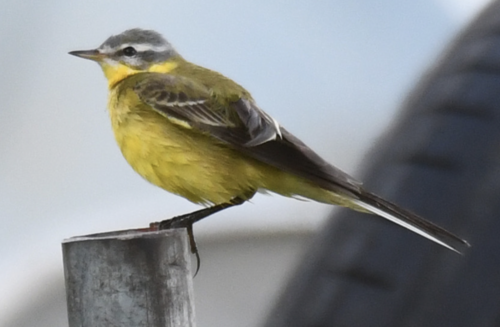
ニシツメナガセキレイ (Motacilla flava) ニシツメナガセキレイ
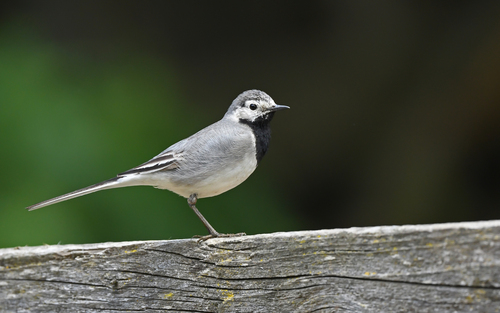
ハクセキレイ (Motacilla alba) ハクセキレイ

メディア

読み込み中…

要点

ハクセキレイとニシツメナガセキレイを区別する最も信頼できるフィールドマークは腹部の色です:ニシツメナガセキレイ(すべての年齢)は黄色または黄味がかった腹部を示しますが、ハクセキレイは下側が白または灰色で、決して黄色ではありません。幼鳥や非繁殖のニシツメナガセキレイは淡いことがありますが、特に腹部や肛門周辺に黄味がかった色合いを示し、ハクセキレイにはありません。飛行中または静止中、ハクセキレイは常に強い黒、白、灰色のパターンを示しますが、ニシツメナガセキレイはオリーブ色と黄色が多く、コントラストが少ないです。構造的な違いは微妙ですが、ニシツメナガセキレイはわずかに尾が短く、スリムです。両種は尾を振り、開けた場所で見られますが、好む生息地と全体的な色合いは異なります。

識別のコツ

  1. 腹部の色が重要です: ニシツメナガセキレイは常に黄色または黄味がかった腹部を示し、幼鳥や非繁殖の鳥でもそうです。ハクセキレイは常に下側が白または灰色で、決して黄色ではありません。これは年齢や季節に関係なく最も信頼できるマークです。
  2. 上部の色調: ニシツメナガセキレイはオリーブ色または緑がかった色合いを持っています(いくつかの亜種を除く)、一方、ハクセキレイは上部が灰色または黒で、オリーブ色のトーンはありません。幼鳥のハクセキレイは上部が濃い灰色で、オリーブ色ではありません。
  3. 頭のパターン: 繁殖期のオスのニシツメナガセキレイは、亜種によって青、灰、黒、または緑がかった頭を持つことがありますが、時には白い眉斑があります。ハクセキレイ(「ハク」の形を含む)は黒、灰、または白の頭のパターンを持ちますが、青やオリーブ色ではありません。冬になると、ハクセキレイの黒い部分は灰色になりますが、頭は決してオリーブ色や青ではありません。
  4. 背中の色: ニシツメナガセキレイは背中がオリーブ色または緑がかっています(繁殖期)、一方、ハクセキレイは灰色または黒です(「ハク」形の繁殖オス)。非繁殖羽毛では、ハクセキレイの背中は淡い灰色ですが、決してオリーブ色ではありません。
  5. 飛行パターン: 両種は白い外尾羽を持っていますが、ハクセキレイは飛行中に翼と尾にシャープな黒と白のコントラストがあります。ニシツメナガセキレイの翼はコントラストが少なく、全体的な印象は淡く、黄色がかっています。
  6. 尾の長さ: ニシツメナガセキレイはヨーロッパのセキレイの中で最も尾が短いですが、ハクセキレイとの違いは微妙で、フィールドで常に目立つわけではありません。
  7. くちばしと構造: 両種はスレンダーですが、ニシツメナガセキレイはわずかにスリムで繊細です。構造的な違いは小さく、遠くからは診断的ではありません。
  8. 生息地の文脈: ニシツメナガセキレイはほぼ常に湿った草地や農業地帯におり、しばしば家畜と共に見られます。ハクセキレイは都市や建物の多い地域、開けた国で一般的です。都市や屋上で見られた場合、ほぼ確実にハクセキレイです。
  9. 行動: 両種は尾を振りますが、ニシツメナガセキレイは草や家畜の間を走っているのが見られることが多いですが、ハクセキレイは硬い表面や水の近くで採餌することが多いです。
  10. 声: ニシツメナガセキレイの鳴き声は細く、高い「ジート」です;ハクセキレイの鳴き声はシャープで金属的な「チズウィック」または「ツリー」です。鳴き声は似ていることがあるので、注意して使用してください。
  11. 季節的変化: 両種は季節的な変化を示しますが、ニシツメナガセキレイは常に少なくとも黄味がかった洗いが残りますが、ハクセキレイは決してそうではありません。秋と冬には、ハクセキレイの黒い部分が灰色になりますが、腹部は白のままです。
  12. 亜種の混乱: 一部のニシツメナガセキレイの亜種(例:「チャンネルセキレイ」)は頭に広範な白を示すことがありますが、常に下側は黄色です。ハクセキレイの亜種は背中と頭の色が異なりますが、決して黄色の腹部を示しません。
  13. 落とし穴: 幼鳥のニシツメナガセキレイは非常に淡いことがありますが、下側に黄味がかった色合いがあるかどうかを確認してください。幼鳥のハクセキレイは灰色と白で、決して黄味がかっていません。照明は黄色のトーンの認識に影響を与えることがあるので、可能であれば複数の角度を確認してください。
  14. ハイブリッドゾーン: 一部のニシツメナガセキレイのハイブリッドは異常な頭のパターンを持つことがありますが、腹部は黄味がかっています。ハクセキレイはハイブリッドゾーンでも下側に黄色を示しません。
  15. 疑わしい場合: 腹部の色と全体的なコントラストに焦点を当ててください。鳥が下側が白または灰色で、シャープな黒と白のコントラストを持っている場合、それはハクセキレイです。下側が黄味がかっている場合、たとえわずかでも、それはニシツメナガセキレイです。

大きさ

両種は小さく、スレンダーなスズメ目の鳥で、比例は似ています。ニシツメナガセキレイは約15〜16 cmの長さで、ヨーロッパのセキレイの中で最も尾が短いです [wikipedia]。ハクセキレイは長さと体型が非常に似ており、サイズや質量においてフィールドで認識できる違いはありません [wikipedia][avonet]。サイズの違いは小さく、フィールドでの区別には信頼できません。

羽色

幼鳥と初冬の鳥は最も頻繁に混乱の原因となります。幼鳥のニシツメナガセキレイは上部が淡いオリーブ色で、下部は白から黄味がかっており、しばしば腹部や肛門周辺で最も目立つ薄い黄色の洗いがあります。それに対して、幼鳥のハクセキレイは上部が灰色または濃い灰色で、下部は白で、黄色のトーンはありません。すべての年齢において、ニシツメナガセキレイは腹部にいくらかの黄色を示しますが、若い鳥や非繁殖の鳥ではわずかです。繁殖期のオスのニシツメナガセキレイは下部が明るい黄色で、上部はオリーブ色で、亜種によって異なる頭のパターン(青、灰、黒、または緑がかった頭)を持っています。ハクセキレイ(イギリスの「ハク」形を含む)は常に下部が白で、黒、灰、または白の頭のパターンを持ち、繁殖期のオスでは黒または濃い灰色の背中を持っています。冬になると、ハクセキレイの黒い部分は灰色になりますが、腹部は白のままです。飛行中、両種は白い外尾羽を示しますが、ハクセキレイは翼と尾によりシャープに定義された黒と白のコントラストを持ち、ニシツメナガセキレイの飛行羽毛はコントラストが少なく、全体的な印象は淡く、黄色がかっています。どちらの種にも特有の「W」または三角形のパターンは記載されていないため、腹部の色と全体的なコントラストに焦点を当ててください。

行動

両種は非常に活発で、地面を歩いたり走ったりし、頻繁に尾を振ります。ニシツメナガセキレイは特に湿った草地や湿地に関連しており、しばしば家畜の間や草地で採餌しているのが見られます。ハクセキレイはより多才で、都市部、駐車場、屋上、水辺、開けた野原で一般的に見られます。両種は昆虫食で、飛びながら虫を捕まえるのが見られますが、ハクセキレイは人間の居住地の周りで見られることが多いです。飛行中、両種はバウンディングで波打つような飛行をし、止まっているときに尾を振ります。

生息環境

ニシツメナガセキレイは水の近くの開けた国を好み、特に湿った草地、湿地、草地に生息し、しばしば農村や農業地帯にいます [wikipedia]。ハクセキレイはより適応性があり、町、村、川岸、湖岸、開けた田舎を含む広範な生息地で繁殖します。冬になると、ハクセキレイは都市環境で頻繁に見られますが、ニシツメナガセキレイはほぼ独占的に開けた湿った草地や農業地帯にいます。都市の中心部や屋上で見られた場合、ほぼ確実にハクセキレイです。

声

ニシツメナガセキレイは高音で鋭い「ジート」の鳴き声を出します [wikipedia]。ハクセキレイはより変動のある鳴き声を持ち、しばしば鋭い「チズウィック」または「ツリー」で、時には二重になります。両方の鳴き声は高音で混同されることがありますが、ニシツメナガセキレイの鳴き声は細く、よりシビランスがあり、ハクセキレイの鳴き声はわずかに金属的です。歌はほとんどの状況での区別のための信頼できるフィールドマークではありません。

より良い説明を送る

比較と同じ項目を使ってください。文章はすぐに公開されます。

The most reliable field mark to separate Western Yellow Wagtail from Pied/White Wagtail is underpart color: Western Yellow Wagtail (all ages) shows yellow or yellowish underparts, while Pied/White Wagtail is white or grey below, never yellow. Juvenile and non-breeding Yellow Wagtails can be pale, but still show a yellowish wash, especially on the belly and vent, which Pied/White Wagtail lacks. In flight or at rest, Pied/White Wagtail always shows a strong black, white, and grey pattern, while Western Yellow Wagtail is more olive and yellow, with less contrast. Structural differences are subtle, but Yellow Wagtail is slightly shorter-tailed and slimmer. Both species wag their tails and can be found in open country, but their preferred habitats and overall coloration are distinct.

  1. Underpart color is key: Western Yellow Wagtail always shows yellow or yellowish underparts, even in juveniles and non-breeding birds. Pied/White Wagtail is always white or grey below, never yellow. This is the most reliable mark at any age or season.
  2. Upperpart tone: Yellow Wagtail is olive or greenish above (except in some subspecies), while Pied/White Wagtail is grey or black above, with no olive tones. Juvenile Pied/White Wagtail is dark grey above, not olive.
  3. Head pattern: Breeding male Yellow Wagtails may have blue, grey, black, or greenish heads depending on subspecies, sometimes with a white supercilium. Pied/White Wagtail (including 'Pied') has a black, grey, or white head pattern, but never blue or olive. In winter, Pied/White Wagtail's black areas become grey, but the head is never olive or blue.
  4. Back color: Yellow Wagtail is olive or greenish on the back (breeding), while Pied/White Wagtail is grey or black (breeding males of 'Pied' form). In non-breeding plumage, Pied/White Wagtail's back is paler grey, but never olive.
  5. Flight pattern: Both show white outer tail feathers, but Pied/White Wagtail has a sharper black-and-white contrast on the wings and tail in flight. Yellow Wagtail's wings are less contrasting, and the overall impression is paler and yellower.
  6. Tail length: Yellow Wagtail is the shortest-tailed of the European wagtails, but the difference with Pied/White Wagtail is subtle and not always noticeable in the field.
  7. Bill and structure: Both are slender, but Yellow Wagtail is slightly slimmer and more delicate. Structural differences are minor and not diagnostic at a distance.
  8. Habitat context: Yellow Wagtail is almost always in wet, grassy, or agricultural areas, often with livestock. Pied/White Wagtail is common in urban and built-up areas, as well as open country. If seen in a city or on a rooftop, it is almost certainly Pied/White Wagtail.
  9. Behavior: Both wag their tails, but Yellow Wagtail is more likely to be seen running among grass or livestock, while Pied/White Wagtail often forages on hard surfaces or near water.
  10. Voice: Yellow Wagtail's call is a thin, high 'jeet'; Pied/White Wagtail's is a sharper, metallic 'chiswick' or 'tslee'. Calls can be similar, so use with caution.
  11. Seasonal variation: Both species show some seasonal change, but Yellow Wagtail always retains at least a yellowish wash below, while Pied/White Wagtail never does. In autumn and winter, Pied/White Wagtail's black areas become grey, but the underparts remain white.
  12. Subspecies confusion: Some Yellow Wagtail subspecies (e.g., 'Channel wagtail') can show extensive white on the head, but always have yellow below. Pied/White Wagtail subspecies vary in back and head color, but never show yellow underparts.
  13. Pitfalls: Juvenile Yellow Wagtail can be very pale, but look for any yellowish tinge below. Juvenile Pied/White Wagtail is grey and white, never yellowish. Lighting can affect perception of yellow tones, so check multiple angles if possible.
  14. Hybrid zones: Some Yellow Wagtail hybrids may have unusual head patterns, but underparts remain yellowish. Pied/White Wagtail never shows yellow below, even in hybrid zones.
  15. When in doubt: Focus on underpart color and overall contrast. If the bird is white or grey below with sharp black/white contrast, it is Pied/White Wagtail. If it is yellowish below, even faintly, it is Western Yellow Wagtail.

Both species are small, slender passerines with similar proportions. Western Yellow Wagtail is about 15–16 cm long and is the shortest-tailed of the European wagtails [wikipedia]. Pied/White Wagtail is very similar in length and build, with no field-appreciable difference in size or mass [wikipedia][avonet]. Any size difference is minor and not reliable for field separation.

Juvenile and first-winter birds are the most frequent source of confusion. Juvenile Western Yellow Wagtail is pale olive above and whitish to yellowish below, often with a diluted yellow wash that is most visible on the belly and vent. By contrast, juvenile Pied/White Wagtail is grey or dark grey above and white below, lacking any yellow tones. In all ages, Western Yellow Wagtail shows some yellow on the underparts, even if faint in young or non-breeding birds. Adult breeding male Yellow Wagtail is bright yellow below and olive above, with variable head patterns depending on subspecies (blue, grey, black, or greenish heads). Pied/White Wagtail (including the British 'Pied' form) is always white below, with a black, grey, or white head pattern, and a black or dark grey back in breeding males. In winter, Pied/White Wagtail's black areas become greyer, but the underparts remain white. In flight, both species show white outer tail feathers, but Pied/White Wagtail has more sharply defined black-and-white contrast on the wings and tail, while Yellow Wagtail's flight feathers are less contrasting and the overall impression is paler and yellower. No distinctive 'W' or triangle pattern is noted for either species in the sources, so focus on underpart color and overall contrast.

Both species are highly active, walking or running on the ground with frequent tail wagging. Western Yellow Wagtail is especially associated with wet meadows and marshy ground, often seen foraging among livestock or in grassy fields. Pied/White Wagtail is more versatile, commonly found in urban areas, car parks, rooftops, and along water edges, as well as open fields. Both species are insectivorous and may be seen flycatching, but Pied/White Wagtail is more likely to be seen around human habitation. In flight, both have a bounding, undulating flight and wag their tails when perched.

Western Yellow Wagtail prefers open country near water, especially wet meadows, marshes, and grassy fields, often in rural or agricultural settings [wikipedia]. Pied/White Wagtail is more adaptable, breeding across a wider range of habitats including towns, villages, riverbanks, lakeshores, and open countryside. In winter, Pied/White Wagtail is frequently seen in urban environments, while Yellow Wagtail is almost exclusively in open, wet grassland or agricultural areas. If seen in a city center or on rooftops, it is almost certainly Pied/White Wagtail.

Western Yellow Wagtail gives a high-pitched, sharp 'jeet' call [wikipedia]. Pied/White Wagtail has a more variable call, often a sharp 'chiswick' or 'tslee', sometimes doubled. Both calls are high-pitched and can be confused, but Yellow Wagtail's is thinner and more sibilant, while Pied/White Wagtail's is slightly more metallic. Song is not a reliable field mark for separation in most situations.

変更を破棄しますか?

保存していない編集があります。今離れると失われます。

ニシツメナガセキレイ · ハクセキレイ · 苦手な鳥