

Motmot

ツルクイナ 対 シロハラクイナ

Gallicrex cinerea 対 Amaurornis phoenicurus

ツルクイナとシロハラクイナのクイズ
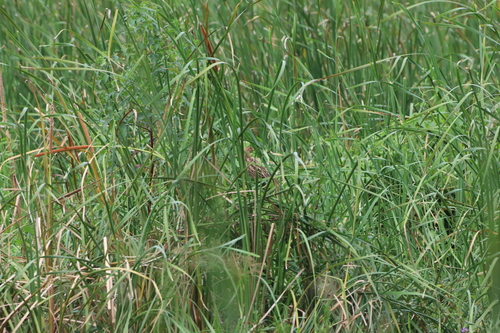
ツルクイナ (Gallicrex cinerea) ツルクイナ
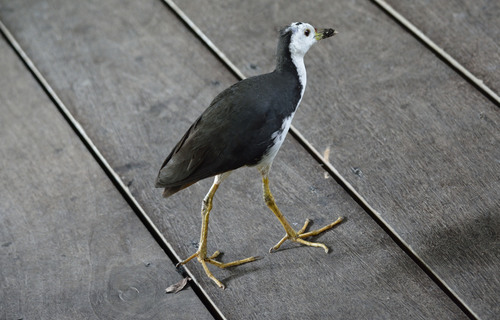
シロハラクイナ (Amaurornis phoenicurus) シロハラクイナ

メディア

読み込み中…

要点

ツルクイナとシロハラクイナの最も信頼できるフィールドマークは、成鳥のシロハラクイナに見られる清潔な白い顔、首、胸の存在であり、これはツルクイナがどの年齢でも示すことはありません。ツルクイナのオスはより大きく、暗く、繁殖羽衣では特徴的な赤いくちばしと前盾を持ち、メスと幼鳥は茶色の縞模様で、下に白がありません。両種は体が横に圧縮されたレールで、長い足を持っていますが、ツルクイナはより大きく、より秘密主義的であり、シロハラクイナはより大胆で、尾を立てて開けた場所でよく見られます。両種の幼鳥と未熟鳥は鈍い色合いですが、Waterhenは常に顔と下部にいくらかの白を示し、ツルクイナは決してそうしません。

識別のコツ

  1. 白い顔、首、胸: すべての年齢で清潔な白い顔と下部を示すのはシロハラクイナだけであり、ツルクイナは決してそうしません。これは最も信頼できるフィールドマークです。
  2. くちばしと盾の色(成鳥のオス): 繁殖期のオスのツルクイナは明るい赤いくちばし、前盾、角を持ち、これはWaterhenでは見られません。メスのツルクイナとすべてのWaterhenは黄色いくちばしを持っています。
  3. 脚の色: ツルクイナのオスは赤い脚を持ち、メスと未熟鳥は緑の脚を持っています。成鳥のシロハラクイナは黄色い脚を持っています。
  4. 体の形とサイズ: ツルクイナはより大きく、より大柄で、特にオスでは横に圧縮されています。Waterhenはより小さく、スリムで、よりコンパクトです。
  5. 羽毛(メス/未熟のツルクイナ): メスと未熟のツルクイナは上が暗い茶色で、下はより淡く縞模様があり、顔や胸に白はありません。これは鈍いWaterhenの未熟鳥と混同されることがありますが、後者は常に顔と下部にいくらかの白を持っています。
  6. 羽毛(成鳥のWaterhen): 常に暗い上部と白い下部の間に鋭いコントラストを示します。下腹部と尾の下はシナモン色または白である場合があります。
  7. 尾の姿勢: シロハラクイナはしばしば尾を立てて歩き、動くときにそれを揺らします。ツルクイナはこの行動をそれほど目立たせません。
  8. 生息地の開放性: Waterhenは開けた、乱された、または都市の湿地で見られる可能性が高く、道路の近くでも見られます。ツルクイナはより秘密主義的で、密な葦原を好みます。
  9. 行動: Waterhenはより大胆で、開けた場所で採餌したり、低い植物を登ったりするのがよく見られます。ツルクイナは内気で、通常は隠れています。
  10. 声: ツルクイナの鳴き声は大きな飲み込む音で、主に夜明けや夕暮れに聞かれます。Waterhenの鳴き声は厳しく、時には吠えるような音で、しばしば繰り返され、「ruak-ruak」と表現されることもあります。
  11. 性差: ツルクイナは強い性差を示します(オスは大きく、暗く、赤いくちばし/盾を持つ)、一方Waterhenの性別は似ています。
  12. 幼鳥の混乱: 両種は黒い羽毛の雛を持っていますが、成長するにつれてWaterhenの幼鳥は常に顔と胸に白を発達させ、ツルクイナの幼鳥はバフから茶色のままで、下に白を示すことはありません。
  13. 飛行中: どちらの種にも特有の上翼パターンは見られませんが、Waterhenは飛行中に暗い上部と白い下部のコントラストを示すことがあり、ツルクイナは年齢/性別に応じて均一に暗いまたは茶色っぽく見えます。
  14. 文脈: 雛と一緒に見られた場合、雛の色(両方とも黒)に注意しますが、成鳥の関連を探します。Waterhenの成鳥は常に下に白を示し、ツルクイナの成鳥は示しません。
  15. 季節と性: 繁殖期のオスのツルクイナは赤いくちばし/盾と暗い羽毛で間違いなく識別できます。非繁殖期、メス、未熟のツルクイナはWaterhenと混同されやすいですが、顔/胸に白がないことが診断的です。

大きさ

ツルクイナはより大きく、重い種で、成鳥のオスは最大43 cmの長さに達し、476–650 gの重さがあります。メスは36 cmで298–434 gです。平均体重は約403 gです。対照的に、シロハラクイナは全体的に小さく、軽いです(正確な質量は示されていませんが、常にツルクイナより小さいと説明されています)。ツルクイナは特にオスではより大柄で頑丈に見え、Waterhenはよりスリムでコンパクトです。

羽色

行動

シロハラクイナは特に大胆で、開けた場所で見られる可能性が高く、しばしば尾を立ててゆっくり歩き、水辺の縁で採餌し、時には人間の居住地の近くでも見られます。ツルクイナははるかに秘密主義的で、通常は密な葦や下草の中に隠れていますが、時折開けた場所に出てくることがあります。両種は泥や浅い水を探ることで採餌しますが、Waterhenはより低い植物を登ったり、尾を見せたりする可能性が高いです。ツルクイナの体はより横に圧縮されており、密なカバーを通るのに役立ちます。

生息環境

両種は南アジアと東南アジアの湿地や湿地生息地に見られます。シロハラクイナはより適応性があり、開けた湿地、排水溝、さらには道路の近くでも頻繁に見られ、時には高地でも見られます。ツルクイナは密な葦原を好み、開けたまたは乱された地域で見られる可能性は低いです。非常に開けた、乱された、または都市の湿地で見られる場合、Waterhenの可能性が高いです。

声

ツルクイナは大きな飲み込むような鳴き声を持ち、特に夜明けや夕暮れに聞かれ、非常に特徴的ですが、鳥が近くにいない限り、めったに聞かれません。シロハラクイナも騒がしく、厳しい、時には吠えるような鳴き声を持ち、繰り返される明瞭な音が続き、しばしば擬音語(ruak-ruakなど)で表現されます。両者は非常に声が大きいですが、Waterhenの鳴き声は開けた場所で聞かれる可能性が高く、地元の名前でしばしば説明されます。

より良い説明を送る

比較と同じ項目を使ってください。文章はすぐに公開されます。

The most reliable field mark between Watercock and White-breasted Waterhen is the presence of a clean white face, neck, and breast on the adult White-breasted Waterhen, which is never shown by Watercock at any age. Watercock males are larger, darker, and have a distinctive red bill and frontal shield in breeding plumage, while females and immatures are streaked brown and lack white below. Both species are rails with laterally compressed bodies and long toes, but Watercock is bulkier and more secretive, while White-breasted Waterhen is bolder and often seen in the open with its tail cocked up. Juvenile and immature birds of both species are duller, but the Waterhen always shows some white on the face and underparts, which Watercock never does.

  1. White face, neck, and breast: Only White-breasted Waterhen shows a clean white face and underparts at all ages; Watercock never does. This is the single most reliable field mark.
  2. Bill and shield color (adult males): Breeding male Watercock has a bright red bill, frontal shield, and horn, which is never seen in Waterhen. Female Watercock and all Waterhens have yellow bills.
  3. Leg color: Watercock males have red legs; females and immatures have green legs. White-breasted Waterhen has yellow legs in adults.
  4. Body shape and size: Watercock is larger, bulkier, and more laterally compressed, especially in males. Waterhen is smaller, slimmer, and more compact.
  5. Plumage (female/immature Watercock): Female and immature Watercock are dark brown above, paler and streaked below, with no white on the face or breast. This can be confused with duller Waterhen immatures, but the latter always have some white on the face and underparts.
  6. Plumage (adult Waterhen): Always shows a sharp contrast between dark upperparts and white underparts; lower belly and undertail may be cinnamon or white.
  7. Tail posture: White-breasted Waterhen often walks with its tail cocked upright and jerks it as it moves; Watercock does not show this behavior as prominently.
  8. Habitat openness: Waterhen is more likely to be seen in open, disturbed, or urban wetlands, even near roads. Watercock is more secretive and prefers dense reedbeds.
  9. Behavior: Waterhen is bolder, often seen foraging in the open or climbing low vegetation. Watercock is shy and usually stays hidden.
  10. Vocalizations: Watercock's call is a loud gulping sound, mainly at dawn/dusk. Waterhen's call is harsh, sometimes roaring, and often repeated, sometimes described as 'ruak-ruak.'
  11. Sexual dimorphism: Watercock shows strong sexual dimorphism (males larger, darker, with red bill/shield), while Waterhen sexes are similar.
  12. Juvenile confusion: Both species have black downy chicks, but as they age, Waterhen juveniles always develop white on the face and breast, while Watercock juveniles remain buff to brown and never show white below.
  13. In flight: No distinctive upperwing pattern is noted for either species, but Waterhen may show contrast between dark upperparts and white underparts in flight, while Watercock appears uniformly dark or brownish depending on age/sex.
  14. Context: If seen with chicks, note chick color (both black) but look for adult association; Waterhen adults will always show white below, Watercock adults will not.
  15. Season and sex: Breeding male Watercock is unmistakable with its red bill/shield and dark plumage. Non-breeding, female, and immature Watercock are more easily confused with Waterhen, but lack of white on the face/breast remains diagnostic.

Watercock is the larger and heavier species, with adult males reaching up to 43 cm in length and weighing 476–650 g, and females 36 cm and 298–434 g. The average body mass is about 403 g. In contrast, White-breasted Waterhen is smaller and lighter overall (precise mass not given, but consistently described as smaller than Watercock). Watercock appears bulkier and more robust, especially in males, while Waterhen is more slender and compact.

  • Juveniles and immatures: Both species have black downy chicks, but as they age, Watercock immatures are buff, darkening with age, and lack any white on the face or underparts. Immature White-breasted Waterhens are duller than adults but always show a white face, neck, and breast, even if less crisp than in adults.
  • Adult males Watercock: Striking black-grey overall with a vivid red bill, frontal shield, and horn; no white on face or underparts. Legs are red.
  • Adult females Watercock: Smaller, dark brown above, paler below, with streaked and barred plumage; yellow bill and green legs. No white face or breast.
  • Adult White-breasted Waterhen: Dark slaty-grey upperparts and flanks, with a clean white face, neck, and breast. Lower belly and undertail are cinnamon or white. Bill and legs are yellow. Sexes similar.
  • Key contrast: Only White-breasted Waterhen, at all ages, shows a white face and breast. Watercock never shows white in these areas.

White-breasted Waterhen is notably bolder and more likely to be seen in the open, often walking slowly with its tail cocked upright and foraging along the edge of waterbodies, sometimes even near human habitation. Watercock is much more secretive, usually staying hidden in dense reeds or undergrowth, but may occasionally venture into the open. Both species forage by probing mud or shallow water, but Waterhen is more likely to climb low vegetation and display its tail. Watercock's body is more laterally compressed, aiding movement through dense cover.

Both species are found in marshes and wetland habitats across South and Southeast Asia. White-breasted Waterhen is more adaptable and frequently seen in open marshes, drains, and even near roads, sometimes at higher elevations. Watercock prefers dense reedbeds and is less likely to be seen in open or disturbed areas. If the bird is seen in a very open, disturbed, or urban wetland, Waterhen is more likely.

Watercock has a loud, gulping call, especially at dawn and dusk, which can be quite distinctive but is rarely heard unless the bird is nearby. White-breasted Waterhen is also noisy, with a harsh, sometimes roaring call followed by repeated clear notes, often described as onomatopoeic (ruak-ruak, etc.). Both can be quite vocal, but the Waterhen's call is more likely to be heard in open areas and is often described in local names.

変更を破棄しますか?

保存していない編集があります。今離れると失われます。

ツルクイナ · シロハラクイナ · 苦手な鳥