

Motmot

アカオモズ 対 モウコアカモズ

Lanius phoenicuroides 対 Lanius isabellinus

アカオモズとモウコアカモズのクイズ
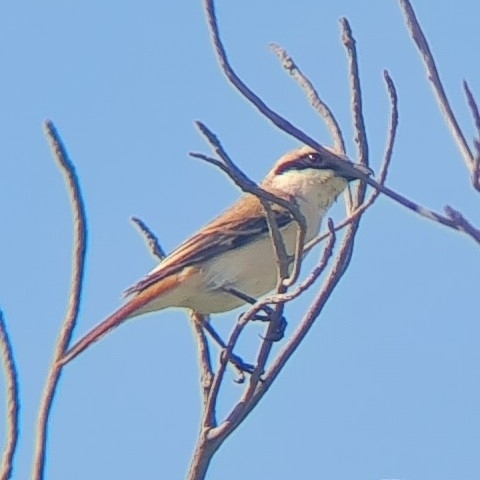
アカオモズ (Lanius phoenicuroides) アカオモズ
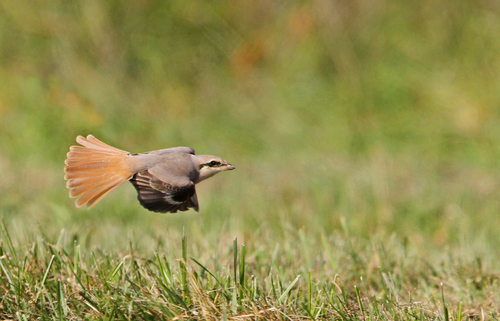
モウコアカモズ (Lanius isabellinus) モウコアカモズ

メディア

読み込み中…

要点

アカオモズとモウコアカモズは非常に似ており、かつては同じ種と考えられていましたが、全体的な羽色の微妙な違いや若鳥の模様によって最も確実に区別されます。モウコアカモズは全体的に特徴的な砂色または「イザベル色」の色合いを示しますが、アカオモズは通常、上面がより冷たく灰色です。幼鳥や未成熟の鳥は特に難しいですが、モウコアカモズの幼鳥はアカオモズよりも腹部の縞模様(螺旋模様)がはるかにまばらです。両者は赤い尾を持っていますが、尾の色合いと背中とのコントラストが役立ちます:モウコアカモズの尾は砂色の背中とあまりコントラストがなく、アカオモズの尾は灰色の肩に対してより際立っています。構造的および行動的な違いは現場では最小限であるため、微妙な羽色の手がかりに注意を払うことが重要です。

識別のコツ

  1. 幼鳥の腹部の縞模様:幼鳥のモウコアカモズは腹部に非常にまばらな螺旋模様(細いバーや斑点)を持ち、下部がより明るく、クリーンな外観になります。アカオモズの幼鳥はより重い縞模様があり、下部がより暗く見えます。これは未成熟の鳥を識別する最も信頼できる特徴です。
  2. 全体的な羽色の色合い:すべての年齢のモウコアカモズは、上面と下面が明確に砂色またはバフ色(「イザベル色」)であるのに対し、アカオモズは上面がより冷たく灰色で、特に肩と頭部で顕著です。この違いは微妙ですが、良い光の下で一貫しています。
  3. 尾のコントラスト:両者は赤い尾を持っていますが、モウコアカモズの尾は砂色の背中とあまりコントラストがなく、アカオモズの赤い尾は灰色の上面に対してより際立っています。
  4. 顔のマスク:両者は目の周りに暗いマスクを示しますが、その範囲と暗さは現場で信頼できるほど異なるわけではありません。この特徴だけに頼らないでください。
  5. 翼の模様:どちらの種についても、年齢に関係なく特有の上翼や飛行パターンの違いは記載されていません。翼のパネルや飛行マークを識別に使用しないでください。
  6. くちばしと構造:両種は構造的に非常に似ており、くちばしのサイズ、尾の長さ、または主翼の突出において信頼できる違いはありません。
  7. 止まっている時と飛んでいる時:これらの2種の間で止まっている鳥と飛んでいる鳥の間に大きく変わるフィールドマークは記載されていません。
  8. 生息地と文脈:両者は散在する低木やトゲのある茂みのある開けた国に生息します。生息地は繁殖範囲の極端な場合を除いて信頼できる識別要因ではありません。
  9. 分布:ある種の繁殖範囲の中心でよく見られた場合、分布が識別をサポートする可能性がありますが、両者は移動者や迷鳥としても発生する可能性があるため、これは診断的ではありません。
  10. 性差:これらの2種を区別するための性特異的なフィールドマークは記載されていません。両性は似ています。
  11. 季節的変化:両種は類似の季節変化を示し、識別を助ける秋または春の羽毛の違いは記載されていません。
  12. 声:利用可能な情報源には区別できる鳴き声は記載されていません。呼び声や歌を識別に使用しないでください。
  13. 落とし穴:照明条件に注意してください。アカオモズがより暖かく見えたり、モウコアカモズがより灰色に見えたりすることがあります。常に尾のコントラストを肩と比較し、幼鳥の腹部の縞模様の密度を確認してください。
  14. 疑わしい場合:幼鳥のシュライクが下部に密な縞模様を示し、灰色の肩との強い尾のコントラストを持っている場合はアカオモズを優先し、淡い砂色でまばらな縞模様を持っている場合はモウコアカモズを優先してください。成鳥は全体的な色合いと尾のコントラストによって最もよく区別されますが、多くの個体は近くで見ない限り曖昧なままです。

大きさ

モウコアカモズのみが記録された体重(30g)を持っていますが、両種は中型のシュライクであり、現場ではサイズと比率が非常に似ているように見えます。彼らの間にサイズ、くちばし、または尾の長さにおいて信頼できる構造的な違いは記載されていません。

羽色

幼鳥と初冬の鳥は、腹部の縞模様の密度によって最もよく区別されます:モウコアカモズの幼鳥は非常にまばらな螺旋模様を示し、下部がよりクリーンで明るい外観になりますが、アカオモズの幼鳥はより重い縞模様を持っています。すべての羽毛において、モウコアカモズは上面と下面が砂色のイザベル色(淡いバフ色)で特徴付けられ、赤い尾が背中により滑らかに溶け込んでいます。アカオモズは一般的に上面がより冷たく灰色で、赤い尾が肩とより鋭く対比しています。両種は暗いマスクを持っていますが、その色合いと範囲は現場で信頼できるほど異なるわけではありません。どちらの種についても、年齢に関係なく特有の翼パネルや上翼の模様の違いは記載されていません。

行動

両種は典型的なシュライクのように振る舞います:目立つ止まり木から狩りをし、獲物をトゲや有刺鉄線に突き刺し、散在する低木のある開けた国に生息します。フィールドでの識別に役立つ行動の違いは報告されていません。

生息環境

生息地の好みは広範囲に重なります:両者はトゲのある低木や散在する低木のある開けた、しばしば耕作された国で繁殖します。分布は極端な場合にのみ役立つ可能性があり、アカオモズは南シベリアと中央アジアでより多く繁殖し、モウコアカモズはカスピ海から北部および中央中国に分布しますが、迷鳥や移動によって分布は識別において信頼できなくなります。

より良い説明を送る

比較と同じ項目を使ってください。文章はすぐに公開されます。

Turkestan Shrike and Isabelline Shrike are extremely similar, once considered the same species, and are most reliably separated by subtle differences in overall plumage tone and the patterning of young birds. Isabelline Shrike shows a distinctive sandy or 'isabelline' coloration overall, while Turkestan Shrike is typically colder and greyer above. Juvenile and immature birds are especially challenging, but Isabelline Shrike juveniles have much sparser barring (vermiculations) on the underparts than Turkestan. Both have red tails, but the tone and contrast with the back can help: Isabelline’s tail is often less contrasting with its sandy back, while Turkestan’s tail stands out more against a greyer mantle. Structural and behavioral differences are minimal in the field, so careful attention to subtle plumage cues is essential.

  1. Juvenile underpart barring: Juvenile Isabelline Shrike has much sparser vermiculations (fine bars or spots) on the underparts, resulting in a paler, cleaner look below. Turkestan Shrike juveniles are more heavily barred and appear duskier underneath. This is the most reliable mark for immatures.
  2. Overall plumage tone: Isabelline Shrike of all ages is distinctly sandy or buff ('isabelline') above and below, while Turkestan Shrike is colder and greyer above, especially on the mantle and crown. This difference is subtle but consistent in good light.
  3. Tail contrast: Both have a red tail, but on Isabelline Shrike the tail is less contrasting with the sandy back, whereas on Turkestan Shrike the red tail stands out more against the greyer upperparts.
  4. Face mask: Both show a dark mask through the eye, but the extent and darkness are not reliably different in the field. Do not rely on this feature alone.
  5. Wing pattern: There are no distinctive upperwing or flight pattern differences described for either species at any age; do not use wing panels or flight marks for separation.
  6. Bill and structure: Both species are structurally very similar, with no reliable differences in bill size, tail length, or primary projection.
  7. Perched vs. in flight: No field marks are described that change significantly between perched and flying birds for these two species.
  8. Habitat and context: Both occur in open country with scattered bushes or thorn scrub; habitat is not a reliable separator except at the extremes of their breeding ranges.
  9. Range: If seen well within the core breeding range of one species, range may support identification, but both can occur as migrants or vagrants, so this is not diagnostic.
  10. Sex differences: No sex-specific field marks are noted for separating these two species; both sexes are similar.
  11. Seasonal variation: Both species show similar seasonal changes, with no described differences in autumn or spring plumage that aid separation.
  12. Voice: No distinguishing vocalizations are described in the available sources; do not use calls or song for separation.
  13. Pitfalls: Beware of lighting conditions that can make Turkestan Shrike appear warmer or Isabelline Shrike appear greyer; always compare the tail contrast with the mantle and the density of underpart barring in juveniles.
  14. When in doubt: If a juvenile shrike shows dense barring below and a strong tail contrast with a grey mantle, favor Turkestan; if it is pale, sandy, and sparsely barred, favor Isabelline. Adults are best separated by overall tone and tail contrast, but many individuals will remain ambiguous without close views.

Only Isabelline Shrike has a recorded body mass (30g), but both species are medium-sized shrikes and appear very similar in size and proportions in the field. There are no reliable structural differences in size, bill, or tail length noted between them.

Juvenile and first-winter birds are best separated by the density of barring on the underparts: Isabelline Shrike juveniles show much sparser vermiculations, giving a cleaner, paler look below, while Turkestan Shrike juveniles are more heavily barred. In all plumages, Isabelline Shrike is characterized by a sandy, isabelline (pale buff) coloration above and below, with the red tail blending more smoothly into the back. Turkestan Shrike is generally colder and greyer on the upperparts, with a red tail that contrasts more sharply with the mantle. Both species have a dark mask, but the tone and extent are not reliably different in the field. No distinctive wing panel or upperwing pattern differences are noted for either species at any age.

Both species behave as typical shrikes: they hunt from prominent perches, impale prey on thorns or barbed wire, and are found in open country with scattered bushes. There are no reported behavioral differences useful for field separation.

Habitat preferences overlap extensively: both breed in open, often cultivated country with thorn bushes or scattered shrubs. Range may help only at the extremes, with Turkestan Shrike breeding more in south Siberia and Central Asia, and Isabelline Shrike ranging from the Caspian Sea to north and central China, but vagrancy and migration make range unreliable for identification where their distributions meet.

変更を破棄しますか?

保存していない編集があります。今離れると失われます。

アカオモズ · モウコアカモズ · 苦手な鳥