

Motmot

アカオモズ 対 アカモズ

Lanius phoenicuroides 対 Lanius cristatus

アカオモズとアカモズのクイズ
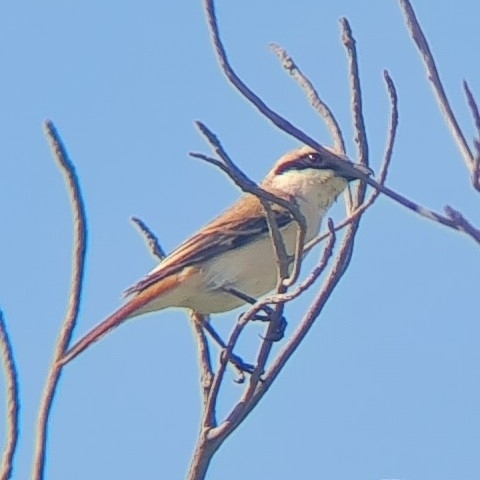
アカオモズ (Lanius phoenicuroides) アカオモズ
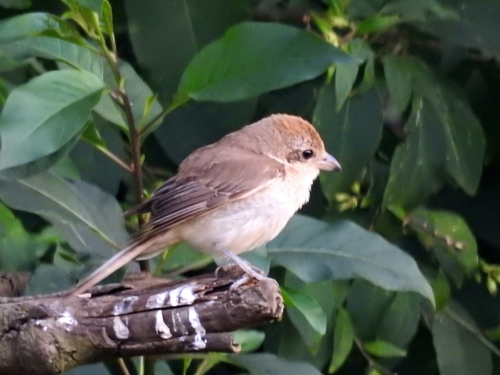
アカモズ (Lanius cristatus) アカモズ

メディア

読み込み中…

要点

トルクメニスタンアカオモズとアカモズの最も信頼できるフィールドマークは尾の色とトーンです:トルクメニスタンアカオモズは明確に赤褐色または赤い尾を示しますが、アカモズの尾はより茶色がかっており、時々わずかに赤褐色の色合いを持ちますが、決して明るくはありません。両種は未熟な羽毛では混乱を招くことがあり、似たような習性を共有していますが、尾の色、頭の模様、上部のトーンに注意を払うことで区別できます。性別と年齢は同定を複雑にすることがあります。特に両種は変動するマスクと微妙な眉斑および冠の色の違いを持っています。構造的な違いは微妙なので、特に止まっている鳥の羽毛のコントラストに焦点を当ててください。

識別のコツ

  1. 尾の色は最も一貫した区別点です: トルクメニスタンアカオモズは常に明確に赤褐色または赤い尾を示しますが、アカモズの尾は茶色がかっており、時々鈍い赤褐色の色合いを持ちますが、決して明るくはありません。これはすべての年齢と性別に当てはまります。
  2. 眉斑と頭の模様: アカモズ(特に亜種superciliosus)は広い白い眉斑と赤褐色または灰色の冠を示すことがありますが、トルクメニスタンアカオモズは目立たない眉斑とより均一な頭の模様を持っています。幼鳥のアカモズは灰色の冠を欠いています。
  3. マスクの強さ: オスのアカモズは強い黒いマスクを持っていますが、メスや未熟な個体では暗い茶色であまり目立ちません。トルクメニスタンアカオモズのマスクは一般的にオスのアカモズよりも大胆ではありませんが、これは変動があり、常に信頼できるわけではありません。
  4. 下部のスカロッピング: メスや未熟なアカモズは下部に細かいスカロッピングを示すことがありますが、これは微妙で、フィールドで常に見えるわけではありません。トルクメニスタンアカオモズは一般的に下部がよりシンプルです。
  5. 尾の色: アカモズの尾は上背の残りよりもわずかに赤褐色がかっていることがありますが、トルクメニスタンアカオモズの赤褐色はより広範囲で明るく、尾に溶け込んでいます。
  6. 翼の模様: 両種とも白い翼の斑点("ミラー")を示さないため、これは区別には役立ちません。
  7. 上部のトーン: アカモズは主に上部が茶色ですが、トルクメニスタンアカオモズは尾と尾羽の上でわずかに暖かいまたは赤褐色がかって見えることがあります。
  8. 性別と年齢の落とし穴: 両種は性別と年齢によって変動を示し、メスや未熟な個体は鈍く、あまり目立ちません。これらの場合、マスクと眉斑の違いは信頼性が低くなるため、尾の色に頼ってください。
  9. 飛行時の視点: 飛行中は尾の色と尾とのコントラストに焦点を当ててください。アカモズの尾はトルクメニスタンアカオモズのように明るくはありません。
  10. 生息地の重複: 両種は繁殖期以外に似たような生息地に出現することがあるため、生息地だけを使って同定しないでください。
  11. 声: アカモズはおしゃべりやガラガラ音を出すことがありますが、声の発声はフィールドでの信頼できる区別にはなりません。
  12. 構造的特徴: 利用可能な情報源には、くちばしの形、翼のフォーミュラ、または主羽の突出において一貫した違いは記載されていません。
  13. 季節的文脈: アカモズは南アジアおよび東南アジアの冬により多く見られ、トルクメニスタンアカオモズは繁殖期に中央アジアでより多く見られます。ただし、迷鳥や重複は発生します。
  14. 亜種の混乱: 一部のアカモズの亜種(特に中央アジアのもの)はトルクメニスタンアカオモズと外見が重なることがあるため、常に尾の色と全体のトーンを細かい頭の模様の詳細よりも優先してください。
  15. 疑問がある場合: 尾が明確に見えない場合や鳥が重度の換羽中である場合、フィールドで種レベルの同定が不可能な場合があります。

大きさ

両種は中型のモズで、サイズは非常に似ており、アカモズは体重が約33グラムです。利用可能な情報源には信頼できるサイズや構造の違いは記載されていないため、サイズは区別のための有用なフィールドマークではありません。

羽色

両種の幼鳥と初冬の鳥は扱いが難しいことがありますが、尾の色は重要な区別点です:トルクメニスタンアカオモズ(すべての年齢)はより鮮やかな赤褐色または赤い尾を示しますが、アカモズの尾は茶色がかっており、時々鈍い赤褐色の色合いを持ちますが、決して明るくはありません。アカモズでは、上部は主に茶色で、オスではマスクが黒ですが、メスや未熟な個体ではより淡いまたは暗い茶色になることがあります。アカモズはしばしば白い眉斑(特に亜種superciliosus)を示し、冠は灰色(lucionensis)または赤褐色(superciliosus)ですが、幼鳥は灰色を欠いています。トルクメニスタンアカオモズは目立たない眉斑とより均一な頭の模様を持っています。両種とも白い翼の斑点("ミラー")を欠いており、両種とも尾に赤褐色が見られることがありますが、トルクメニスタンアカオモズの方がより広範囲で明るいです。メスや未熟なアカモズは下部に細かいスカロッピングを示すことがありますが、これは微妙で、フィールドで常に信頼できるわけではありません。

行動

両種は目立つ止まり木から狩りを行い、獲物を棘に刺し、昆虫、小鳥、トカゲを捕食するなど、似たような捕食習性を持っています。フィールドで信頼できる行動の違いはありません。

生息環境

トルクメニスタンアカオモズは南シベリアと中央アジアの棘のある低木がある開けた耕作地で繁殖し、アカモズは北アジア(モンゴルからシベリア)で繁殖し、南アジアおよび東南アジアで広く冬を越します。両種は散在する低木や木がある開けた地域を好むため、生息地は繁殖範囲の極端な部分を除いて強い区別要因ではありません。

声

アカモズは特に越冬地で大きなおしゃべりやガラガラ音を出し、その歌は微弱で、時々他の鳥を真似ます。トルクメニスタンアカオモズの音には特徴的な声のマークはなく、両種は一般的に静かで、フィールドで声によって簡単に区別されることはありません。

より良い説明を送る

比較と同じ項目を使ってください。文章はすぐに公開されます。

The most reliable field mark between Turkestan Shrike and Brown Shrike is the color and tone of the tail: Turkestan Shrike shows a distinctly rufous or reddish tail, while Brown Shrike’s tail is more brownish, sometimes with a faint rufous tinge but never as bright. Both species can be confusing in immature plumages and share similar habits, but careful attention to tail color, head pattern, and upperpart tones can separate them. Sex and age can complicate identification, especially as both species have variable masks and subtle differences in supercilium and crown color. Structural differences are subtle, so focus on plumage contrasts, especially in perched birds.

  1. Tail color is the most consistent separator: Turkestan Shrike always shows a distinctly rufous or reddish tail, while Brown Shrike’s tail is brownish, sometimes with a dull rufous wash but never as bright. This works for all ages and sexes.
  2. Supercilium and head pattern: Brown Shrike (especially subspecies superciliosus) can show a broad white supercilium and a reddish or greyish crown, while Turkestan Shrike has a less prominent supercilium and a more uniform head pattern. Juvenile Brown Shrikes lack the grey crown.
  3. Mask strength: Male Brown Shrikes have a strong black mask, but in females and immatures it is dark brown and less well marked. Turkestan Shrike’s mask is generally less bold than in male Brown Shrike, but this is variable and not always reliable.
  4. Underpart scalloping: Female and immature Brown Shrikes may show fine scalloping below, but this is subtle and not always visible in the field. Turkestan Shrike is generally plainer below.
  5. Rump color: Brown Shrike’s rump can be slightly more rufous than the rest of the upper back, but Turkestan Shrike’s rufous is more extensive and brighter, blending into the tail.
  6. Wing pattern: Neither species shows a white wing patch ("mirror"), so this is not useful for separation.
  7. Upperpart tone: Brown Shrike is mainly brown above, while Turkestan Shrike can appear slightly warmer or more rufous-toned, especially on the tail and rump.
  8. Sex and age pitfalls: Both species show variation by sex and age, with females and immatures duller and less well marked. Mask and supercilium differences are less reliable in these cases, so rely on tail color.
  9. Flight views: In flight, focus on the tail color and contrast with the rump. Brown Shrike’s tail is never as bright as Turkestan Shrike’s.
  10. Habitat overlap: Both species can occur in similar habitats, especially outside the breeding season, so do not use habitat alone for identification.
  11. Voice: Brown Shrike may give chattering or rattling calls, but vocalizations are not a reliable separator in the field.
  12. Structural features: No consistent difference in bill shape, wing formula, or primary projection is noted in the available sources.
  13. Seasonal context: Brown Shrike is more likely in winter in South and Southeast Asia, while Turkestan Shrike is more likely in Central Asia during the breeding season. However, vagrancy and overlap do occur.
  14. Subspecies confusion: Some Brown Shrike subspecies (especially in central Asia) can overlap in appearance with Turkestan Shrike, so always prioritize tail color and overall tone over fine head pattern details.
  15. When in doubt: If the tail is not clearly visible or the bird is in heavy moult, identification may not be possible to species level in the field.

Both species are medium-sized shrikes and are very similar in size, with Brown Shrike averaging about 33 grams in body mass. No reliable size or structural difference is noted in the available sources, so size is not a useful field mark for separation.

Juvenile and first-winter birds of both species can be tricky, but the tail color remains a key distinction: Turkestan Shrike (all ages) shows a more vivid rufous or reddish tail, while Brown Shrike’s tail is brownish, sometimes with a dull rufous wash but never as bright. In Brown Shrike, the upperparts are mainly brown, and the mask is black in males but can be paler or dark brown in females and immatures. Brown Shrike often shows a white supercilium (especially in subspecies superciliosus), and the crown can be greyish (lucionensis) or reddish (superciliosus), but juveniles lack the grey. Turkestan Shrike has a less prominent supercilium and a more uniform head pattern. Both species lack a white wing patch ("mirror"), and both can show some rufous on the rump, but Turkestan Shrike’s is more extensive and brighter. Female and immature Brown Shrikes may show fine scalloping below, but this is subtle and not always reliable in the field.

Both species hunt from prominent perches, impale prey on thorns, and have similar predatory habits, including taking insects, small birds, and lizards. There is no significant behavioral difference in the field that reliably separates them.

Turkestan Shrike breeds in open cultivated country with thorn bushes in south Siberia and Central Asia, while Brown Shrike breeds in northern Asia (Mongolia to Siberia) and winters widely in South and Southeast Asia. Both prefer open areas with scattered bushes or trees, so habitat is not a strong separator except at the extremes of their breeding ranges.

Brown Shrike gives loud chattering or rattling calls, especially on wintering grounds, and its song is faint, sometimes mimicking other birds. There is no distinctive vocal mark in the notes for Turkestan Shrike, and both species are generally quiet and not easily separated by voice in the field.

変更を破棄しますか?

保存していない編集があります。今離れると失われます。

アカオモズ · アカモズ · 苦手な鳥