

Motmot

ヨーロッパビンズイ 対 ムネアカタヒバリ

Anthus trivialis 対 Anthus cervinus

ヨーロッパビンズイとムネアカタヒバリのクイズ
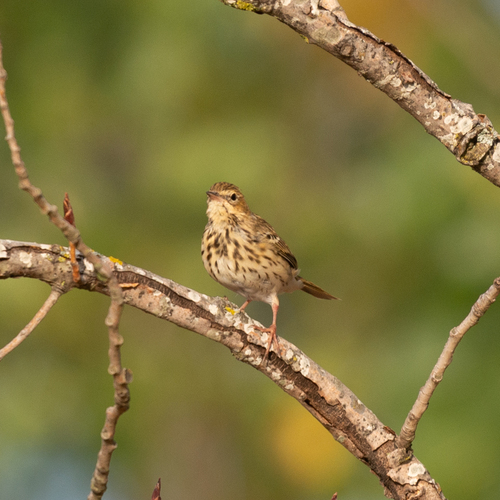
ヨーロッパビンズイ (Anthus trivialis) ヨーロッパビンズイ
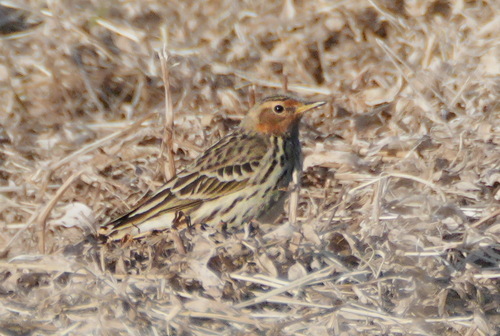
ムネアカタヒバリ (Anthus cervinus) ムネアカタヒバリ

メディア

読み込み中…

要点

ヨーロッパビンズイとムネアカタヒバリを区別するための最も信頼できるフィールドマークは、繁殖羽衣の成鳥ムネアカタヒバリの顔と喉にあるレンガ色の特徴です—ヨーロッパビンズイはこれを示しません。非繁殖羽衣や幼鳥の羽衣では、ムネアカタヒバリは全体的に非常に多くの縞模様があり、特に頭、背中、側面、尾、胸に顕著です。一方、ヨーロッパビンズイは、バフ色の胸と白い腹との間に強いコントラストがあり、よりクリーンで縞模様が少ない外観を示します。構造的には、ヨーロッパビンズイはより重いくちばしを持ち、木に止まる可能性が高いですが、ムネアカタヒバリは通常地面で見られます。呼び声や歌の飛行は異なりますが、しっかり聞かないと微妙です。両種は秋や幼鳥の羽衣では混乱を招くことがありますが、縞模様と構造に注意を払えば通常は識別できます。

識別のコツ

  1. 繁殖羽衣のムネアカタヒバリ: レンガ色の顔と喉を探してください—これは春と初夏の成鳥ムネアカタヒバリに特有で、ヨーロッパビンズイは決して示しません。
  2. 上部と下部の縞模様: 他のすべての羽衣では、ムネアカタヒバリは頭、背中、側面、尾、胸に非常に多くの縞模様があります。ヨーロッパビンズイは縞模様が少なく、よりクリーンで均一な茶色の背中と側面、尾の縞模様が少ないです。
  3. 下部のコントラスト: ヨーロッパビンズイはバフ色の胸と白い腹との間に強いコントラストを示しますが、ムネアカタヒバリは下部がより均等に縞模様があり、白い背景に黒い模様がありますが、胸と腹の間のコントラストは少ないです。
  4. 背中の縞模様: ムネアカタヒバリはしばしば白っぽい背中の縞模様を示し、特に秋や幼鳥でその縞模様の外観を強調します。
  5. くちばしの構造: ヨーロッパビンズイはムネアカタヒバリのより細いくちばしに比べて、より重くて頑丈なくちばしを持っています。これは微妙ですが、良い視界でよく見ることができます。
  6. 止まり方: ヨーロッパビンズイは木やワイヤーに止まっているのが見られる可能性が高いですが、ムネアカタヒバリは通常地面にいます。
  7. 歌の飛行: ヨーロッパビンズイの歌の飛行は独特で、木から上昇し、硬い翼でパラシュートのように降下しながら歌います。ムネアカタヒバリはこのディスプレイを行いません。
  8. 飛行スタイル: ムネアカタヒバリは強く、直接的な飛行を持っていますが、ヨーロッパビンズイの飛行は特に歌の飛行中により波打つように見えることがあります。
  9. 呼び声: ヨーロッパビンズイの強い「スぺック」呼び声とムネアカタヒバリの細い「プシー」飛行呼び声を聞いてください。これらはしっかり聞かれれば診断的ですが、変動や距離の影響に注意してください。
  10. 生息地の文脈: 西ヨーロッパでは、ヨーロッパビンズイは開けた森林やヒースにいる可能性が高いですが、ムネアカタヒバリは稀な渡り鳥または迷鳥で、通常は開けた湿ったまたはツンドラのような生息地にいます。
  11. 季節的出現: 春/夏にほとんどのヨーロッパで繁殖生息地で見られた場合、ヨーロッパビンズイの可能性がはるかに高いです。ムネアカタヒバリは北部の繁殖地でのみ定期的で、それ以外は渡り鳥または迷鳥です。
  12. 幼鳥/未熟な混乱: 秋には、両種は似て見えることがありますが、ムネアカタヒバリは上部と下部により重く広範囲にわたる縞模様を示します。常に縞模様の密度と範囲を確認してください。
  13. 特異な上翼パターンなし: 利用可能な情報源では、どちらの種も診断的な幼鳥または未熟な上翼パターンを持つとは記述されていないため、体の縞模様と構造に焦点を当ててください。
  14. サイズ: 両種はサイズが非常に似ているため、フィールドでの区別に体重や長さに頼らないでください。
  15. 落とし穴: 秋や渡りの際には、両種が地味で縞模様に見えることがあるため注意が必要です。縞模様の密度と範囲、下部のコントラスト、顔や喉の赤のヒントを優先してください。

大きさ

ヨーロッパビンズイはムネアカタヒバリよりわずかに重い(23.5g)ですが、その違いは最小限で、フィールドで簡単に判断することはできません。両種は小型のピピットでサイズが非常に似ているため、くちばしの形などの構造的な違いが全体的な体重よりも役立ちます。

羽色

繁殖羽衣の成鳥ムネアカタヒバリは、そのレンガ色の顔と喉によって簡単に識別できますが、これはヨーロッパビンズイには示されません。繁殖シーズン外や幼鳥では、ムネアカタヒバリははるかに重く広範囲にわたる縞模様があります:頭、背中、側面、尾、胸に密な縞模様を探してください。また、白っぽい背中の縞模様もあります。ヨーロッパビンズイは上部の縞模様が少なく、より均一な茶色の背中と側面、尾の縞模様が少ないです。ヨーロッパビンズイの下部はバフ色の胸と白い腹との間に強いコントラストを示しますが、ムネアカタヒバリは下部がより均等に縞模様があります。両種は白い下部に黒い模様がありますが、ヨーロッパビンズイの胸の縞模様はより大胆で集中しており、ムネアカタヒバリの縞模様はより細かく広範囲にわたります。情報源には、どちらの種についても年齢特有の上翼や飛行パターンのマークは記述されていません。

行動

ヨーロッパビンズイは木に止まる可能性が高く、しばしば露出した枝やワイヤーから歌い、独特の歌の飛行を行います:木から上昇し、歌いながら硬い翼でパラシュートのように降下します。ムネアカタヒバリは通常地面で見られ、開けた生息地で餌を食べ、その飛行は強く直接的であると記述されています。これらの行動傾向は文脈で役立ちますが、絶対的ではありません。

生息環境

ヨーロッパビンズイは開けた森林、ヒース、散在する木や低い低木のある地域で繁殖し、しばしば適度な放牧のある草とシダのモザイクを好みます。ムネアカタヒバリははるか北で繁殖し、ツンドラや開けた北部の生息地で繁殖し、西ヨーロッパのほとんどでは迷鳥です。渡りや冬には、両種は開けた土地に出現することがありますが、ヨーロッパビンズイは森林の端や開けた場所により結びついているのに対し、ムネアカタヒバリは開けた地面を好みます。

声

ヨーロッパビンズイの呼び声は強い「スぺック」で、ムネアカタヒバリの飛行呼び声は特徴的な「プシー」です。ヨーロッパビンズイの歌の飛行は独特で、降下しながら引き延ばされた歌を歌います。これらの声の違いはしっかり聞かれれば役立ちますが、微妙であり、完全な歌や呼び声が明確に聞かれない限り、常に診断的ではありません。

より良い説明を送る

比較と同じ項目を使ってください。文章はすぐに公開されます。

The most reliable field mark for separating Tree Pipit from Red-throated Pipit is the presence of a brick-red face and throat on adult Red-throated Pipits in breeding plumage—Tree Pipits never show this. In non-breeding and immature plumages, Red-throated Pipit is much more heavily streaked overall, especially on the cap, back, flanks, rump, and chest, while Tree Pipit shows a cleaner, less streaked look with a strong contrast between its buff breast and white belly. Structurally, Tree Pipit has a heavier bill and is more likely to perch in trees, while Red-throated Pipit is usually seen on the ground. Calls and song flights differ, but can be subtle unless well-heard. Both species can be confusing in autumn or immature plumages, but careful attention to streaking and structure will usually resolve the ID.

  1. Breeding plumage Red-throated Pipit: Look for a brick-red face and throat—this is unique to adult Red-throated Pipits in spring and early summer and never shown by Tree Pipit.
  2. Streaking above and below: In all other plumages, Red-throated Pipit is much more heavily streaked on the cap, back, flanks, rump, and chest. Tree Pipit is less streaked, with a cleaner, more uniform brown back and fewer streaks on the flanks and rump.
  3. Underpart contrast: Tree Pipit shows a strong contrast between a buff breast and a white belly, while Red-throated Pipit is more evenly streaked below, with black markings on a white background but less contrast between breast and belly.
  4. Mantle stripes: Red-throated Pipit often shows whitish mantle stripes, adding to its streaky appearance, especially in autumn and immature birds.
  5. Bill structure: Tree Pipit has a heavier, more robust bill compared to the finer bill of Red-throated Pipit. This is subtle but can be seen well in good views.
  6. Perching behavior: Tree Pipit is more likely to be seen perched in trees or on wires, while Red-throated Pipit is usually on the ground.
  7. Song flight: Tree Pipit's song flight is distinctive—rising from a tree and parachuting down with stiff wings and a drawn-out song. Red-throated Pipit does not perform this display.
  8. Flight style: Red-throated Pipit has a strong, direct flight, while Tree Pipit's flight can appear more undulating, especially during song flights.
  9. Calls: Listen for Tree Pipit's strong 'spek' call versus Red-throated Pipit's thin 'psii' flight call. These can be diagnostic if heard well, but beware of variation and distance effects.
  10. Habitat context: In Western Europe, Tree Pipit is much more likely in open woodland and heath, while Red-throated Pipit is a scarce migrant or vagrant, usually in open, often wet or tundra-like habitats.
  11. Seasonal occurrence: If seen in breeding habitat in spring/summer in most of Europe, Tree Pipit is far more likely. Red-throated Pipit is only regular in far northern breeding grounds and is otherwise a migrant or vagrant.
  12. Juvenile/immature confusion: In autumn, both species can look similar, but Red-throated Pipit will still show heavier and more extensive streaking above and below. Always check the density and extent of streaks.
  13. No distinctive upperwing pattern: Neither species is described as having a diagnostic juvenile or immature upperwing pattern in the available sources, so focus on body streaking and structure.
  14. Size: Both species are very similar in size; do not rely on bulk or length for separation in the field.
  15. Pitfalls: Be cautious in autumn and on migration, when both species can look drab and streaky. Prioritize the density and extent of streaking, underpart contrast, and any hint of red on the face or throat.

Tree Pipit is slightly heavier (23.5g) than Red-throated Pipit, but the difference is minimal and not easily judged in the field. Both are small pipits and very similar in size, so structural differences like bill shape are more useful than overall bulk.

Breeding adult Red-throated Pipits are easily told by their brick-red face and throat, a feature never shown by Tree Pipit. Outside the breeding season and in immatures, Red-throated Pipit is much more heavily and extensively streaked: look for dense streaks on the cap, back, flanks, rump, and chest, as well as whitish mantle stripes. Tree Pipit is less streaked above, with a more uniform brown back and fewer streaks on the flanks and rump. The underparts of Tree Pipit show a strong contrast between a buff breast and a white belly, while Red-throated Pipit is more evenly streaked below. Both species have black markings on white underparts, but Tree Pipit's breast streaks are bolder and more concentrated, whereas Red-throated Pipit's streaks are finer and more widespread. No age-specific upperwing or flight pattern marks are described for either species in the sources.

Tree Pipit is more likely to perch in trees, often singing from exposed branches or wires, and performs a distinctive song flight: it rises from a tree and parachutes down on stiff wings while singing. Red-throated Pipit is usually seen on the ground, feeding in open habitats, and its flight is described as strong and direct. These behavioral tendencies can help in context, but are not absolute.

Tree Pipit breeds in open woodland, heath, and areas with scattered trees and low scrub, often preferring a mosaic of grass and bracken with moderate grazing. Red-throated Pipit breeds much farther north, in tundra and open northern habitats, and is only a vagrant in most of Western Europe. In migration and winter, both can occur in open country, but Tree Pipit is more tied to wooded edges and clearings, while Red-throated Pipit favors open ground.

Tree Pipit's call is a strong 'spek', while Red-throated Pipit's flight call is a characteristic 'psii'. The Tree Pipit's song flight is distinctive, with a drawn-out song as it parachutes down. These vocal differences are useful if heard well, but can be subtle and are not always diagnostic unless the full song or call is clearly heard.

変更を破棄しますか?

保存していない編集があります。今離れると失われます。

ヨーロッパビンズイ · ムネアカタヒバリ · 苦手な鳥