

Motmot

マミハウチワドリ 対 ハイイロハウチワドリ

Prinia subflava 対 Prinia somalica

マミハウチワドリとハイイロハウチワドリのクイズ
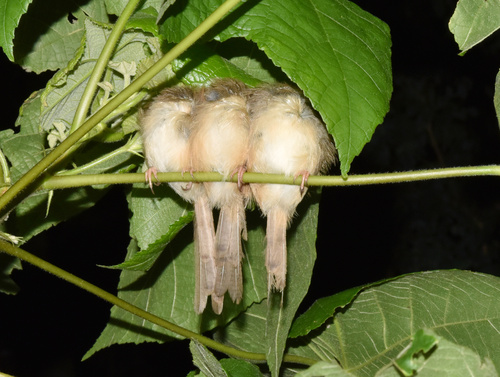
マミハウチワドリ (Prinia subflava) マミハウチワドリ
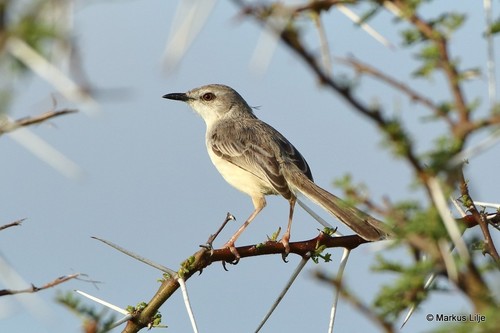
ハイイロハウチワドリ (Prinia somalica) ハイイロハウチワドリ

メディア

読み込み中…

要点

タウニーフランクハウチワドリとハイイロハウチワドリを区別する最も信頼できるフィールドマークは、側面の色と全体的なトーンです:タウニーフランクハウチワドリは温かみのあるバフ色の側面と腹部を示し、ハイイロハウチワドリは全体的に明らかに淡く灰色がかっています。両種は小型で尾が長いウグイスで、構造は似ていますが、タウニーフランクハウチワドリは尾羽と飛翔羽の端に赤褐色のトーンがあり、ハイイロハウチワドリにはそれがありません。幼鳥のタウニーフランクハウチワドリは淡い黄色の腹部を示すことがありますが、ハイイロハウチワドリにはその記述はありません。生息地も助けになります:ハイイロハウチワドリは北東アフリカの乾燥したより開けた生息地に制限されているのに対し、タウニーフランクハウチワドリはサハラ以南のアフリカに広く分布し、より広範囲の生息地に耐性があります。フィールドでは、特に止まっている鳥において、側面の色と全体的な温かみ対淡さに注目してください。

識別のコツ

  1. Flank color: タウニーフランクハウチワドリは温かみのあるバフ色の側面と腹部を持ち、ハイイロハウチワドリは白っぽい側面を持っています。これはすべての年齢の止まっている鳥において最も信頼できるマークです。
  2. Overall tone: タウニーフランクハウチワドリは特に上面と尾に赤褐色の色合いがあり、より温かみがあり茶色っぽく見えます。ハイイロハウチワドリは全体的に淡く灰色がかっています。
  3. Flight feather edges and rump: タウニーフランクハウチワドリの飛翔羽の端には赤褐色の縁取りがあり、尾にも赤褐色の色合いがあります。ハイイロハウチワドリにはこれらの赤褐色のハイライトがなく、より均一な灰褐色または淡い色に見えます。
  4. Juvenile underparts: 幼鳥のタウニーフランクハウチワドリは淡い黄色の腹部と黄色がかったくちばしを示すことがあり、これはハイイロハウチワドリには記述されていません。黄色がかったくちばしと黄色い腹を持つ幼鳥を見た場合、タウニーフランクハウチワドリの可能性が高いです。
  5. Tail pattern: 両者は白い先端と暗い亜終端帯を持つ長く狭い尾を持っています。これは両者の間で診断的ではありません。
  6. Supercilium and lores: 両者は目の上に白っぽいストライプと暗いロアを示します。区別には役立ちません。
  7. Tail length in non-breeding season: 非繁殖期のタウニーフランクハウチワドリは繁殖期の鳥よりも長い尾を持つことがありますが、これはハイイロハウチワドリには記述されておらず、信頼できるフィールドマークではありません。
  8. Habitat and range: 北東アフリカ(エチオピア、ケニア、ソマリア、南スーダン)の乾燥した開けた国にいる場合、ハイイロハウチワドリを考慮してください。その他の場所、特により湿ったまたは多様な生息地では、タウニーフランクハウチワドリの可能性が高いです。
  9. Behavior: 両者は活発で、小さな群れで行動することが多く、尾を立てたり振ったりすることがあります。区別にはなりません。
  10. Voice: タウニーフランクハウチワドリは短く、ヒューヒューとした、迅速に繰り返される鳴き声と単調で高い歌を持っています。ハイイロハウチワドリについての情報はないため、声に頼らないでください。
  11. Sex and age: 両種の性別は似ています。幼鳥のタウニーフランクハウチワドリは下に黄色がかった色合いを示すことがあり、よく見えた場合には役立ちます。
  12. Seasonal change: 両種について強い季節的な羽毛の違いは記述されていませんが、非繁殖期のタウニーフランクハウチワドリの尾の長さを除きます。
  13. Pitfalls: 照明が悪いと、ハイイロハウチワドリは実際よりも温かみがあるように見え、タウニーフランクハウチワドリは側面がよく見えない場合、より淡く見えることがあります。良い光の中で側面と尾の色を確認するようにしてください。
  14. Subspecies variation: タウニーフランクハウチワドリには多くの亜種がありますが、すべてがハイイロハウチワドリと区別する温かみのあるバフ色の側面と赤褐色のトーンを共有しています。
  15. When in doubt: 側面の色と全体的なトーンがあいまいな場合は、生息地と範囲を補足的な証拠として使用してください。ただし、構造や行動のみに頼らないでください。

大きさ

両種は小型で細身のウグイスで、長く狭い尾を持っています。タウニーフランクハウチワドリの平均体重は8.7gですが、ハイイロハウチワドリの体重データはありません。両者は長さが似ており(タウニーフランクハウチワドリ:11–12 cm)、フィールドでの有意なサイズの違いの証拠はありません。構造とジズは非常に似ているため、サイズは信頼できる区別点ではありません。

羽色

幼鳥のタウニーフランクハウチワドリは淡い黄色の腹部と黄色がかったくちばしを持ち、これはハイイロハウチワドリの幼鳥の期待される淡く灰色がかったトーンと対照的である可能性がありますが、ハイイロハウチワドリの特定の幼鳥の記述はありません。成鳥と年齢の高い幼鳥については、タウニーフランクハウチワドリは赤褐色の縁取りを持つ灰褐色の上面、尾に赤褐色の色合い、温かみのあるバフ色の側面と腹部を示します。尾は暗く、白い先端と亜終端帯を持っています。対照的に、ハイイロハウチワドリは全体的に淡く灰色がかっており、白っぽい側面を持ち、タウニーフランクハウチワドリの赤褐色のトーンが欠けています。両者は白っぽいスーパシリウムと似た尾のパターンを持っています。非繁殖期のタウニーフランクハウチワドリでは尾が長くなりますが、これはハイイロハウチワドリには記述されていません。性別は両種で似ています。

行動

両種は低木や下草で餌を探し、小さな群れで行動することが多いです。タウニーフランクハウチワドリは尾を立てたり、左右に振ったりすることで知られています。この行動はハイイロハウチワドリと共有されている可能性がありますが、具体的には記述されていません。両者は活発で落ち着きのない鳥で、低い植生の中を移動しているのがよく見られます。フィールドでの区別において重要な行動の違いは記載されていません。

生息環境

生息地は有用な手がかりです:タウニーフランクハウチワドリはサハラ以南のアフリカ全体に広く分布しており、森林、サバンナ、耕作地、さらには人間の作った環境を含む広範囲の生息地に生息しています。ハイイロハウチワドリはエチオピア、ケニア、ソマリア、南スーダンにのみ見られ、乾燥したサバンナや亜熱帯または熱帯の乾燥した低木地に関連しています。北東アフリカの乾燥した開けた国にいる場合、ハイイロハウチワドリの可能性が高いですが、サハラ以南のアフリカのより湿ったまたは多様な生息地では、タウニーフランクハウチワドリがデフォルトです。

声

タウニーフランクハウチワドリは短く、ヒューヒューとした、迅速に繰り返される鳴き声と単調な高音のメロディを持ち、しばしば露出した止まり木から発せられます。ハイイロハウチワドリについての声の記述は提供されていないため、現在の情報に基づいて声は信頼できる区別点ではありません。

より良い説明を送る

比較と同じ項目を使ってください。文章はすぐに公開されます。

The most reliable field mark to separate Tawny-flanked Prinia from Pale Prinia is the color of the flanks and overall tone: Tawny-flanked Prinia shows warm buff flanks and vent, while Pale Prinia is distinctly paler and greyer overall, with whitish flanks. Both species are small, long-tailed warblers with similar structure, but Tawny-flanked Prinia has rufous tones on the rump and flight feather edges, which Pale Prinia lacks. Juvenile Tawny-flanked Prinia can show pale yellow underparts, but this is not described for Pale Prinia. Habitat can also help: Pale Prinia is restricted to drier, more open habitats in northeast Africa, while Tawny-flanked Prinia is widespread in sub-Saharan Africa and tolerates a broader range of habitats. In the field, focus on flank color and overall warmth versus pallor, especially in perched birds.

  1. Flank color: Tawny-flanked Prinia has warm buff flanks and vent, while Pale Prinia has whitish flanks. This is the single most reliable mark in perched birds of all ages.
  2. Overall tone: Tawny-flanked Prinia appears warmer and browner, especially on the upperparts and rump, which have a rufous tinge. Pale Prinia is paler and greyer throughout, lacking rufous or buff tones.
  3. Flight feather edges and rump: Look for rufous-brown edges to the flight feathers and a rufous tinge to the rump in Tawny-flanked Prinia. Pale Prinia lacks these rufous highlights and appears more uniform grey-brown or pale.
  4. Juvenile underparts: Juvenile Tawny-flanked Prinia can show pale yellow underparts and a yellowish bill, a feature not described for Pale Prinia. If you see a yellowish-billed, yellow-bellied juvenile, Tawny-flanked Prinia is likely.
  5. Tail pattern: Both have a long, narrow, graduated tail with a white tip and dark subterminal band. This is not diagnostic between the two.
  6. Supercilium and lores: Both show a whitish stripe over the eye and dark lores. Not useful for separation.
  7. Tail length in non-breeding season: Non-breeding Tawny-flanked Prinia can have a longer tail than breeding birds, but this is not described for Pale Prinia and is not a reliable field mark.
  8. Habitat and range: If in northeast Africa (Ethiopia, Kenya, Somalia, South Sudan) in dry, open country, consider Pale Prinia. Elsewhere, especially in more humid or varied habitats, Tawny-flanked Prinia is far more likely.
  9. Behavior: Both are active, often in small flocks, and may hold the tail erect or wag it. Not a separator.
  10. Voice: Tawny-flanked Prinia has a short, wheezy, rapidly repeated call and a monotonous, shrill song. No information for Pale Prinia, so do not rely on voice.
  11. Sex and age: Sexes are similar in both species. Juvenile Tawny-flanked Prinia may show yellowish tones below, which can help if seen well.
  12. Seasonal change: No strong seasonal plumage differences described for either species, other than tail length in non-breeding Tawny-flanked Prinia.
  13. Pitfalls: In poor light, Pale Prinia may appear warmer than it is, and Tawny-flanked Prinia may look paler if flanks are not seen well. Always try to check the color of the flanks and rump in good light.
  14. Subspecies variation: Tawny-flanked Prinia has many subspecies, but all share the warm buff flanks and rufous tones that separate them from Pale Prinia.
  15. When in doubt: If flank color and overall tone are ambiguous, use habitat and range as supporting evidence, but do not rely solely on structure or behavior.

Both species are small, slim warblers with long, narrow, graduated tails. Tawny-flanked Prinia averages 8.7g in mass [wikidata], but no mass data is available for Pale Prinia. Both are similar in length (Tawny-flanked Prinia: 11–12 cm), and there is no evidence of a significant size difference in the field. Structure and jizz are very similar, so size is not a reliable separation point.

Juvenile Tawny-flanked Prinia have pale yellow underparts and a yellowish bill, which may contrast with the expected paler, greyer tones of Pale Prinia juveniles, though no specific juvenile description is given for Pale Prinia. For adults and older immatures, Tawny-flanked Prinia shows grey-brown upperparts with rufous-brown edges to the flight feathers, a rufous tinge to the rump, and warm buff flanks and vent. The tail is dark with a white tip and subterminal band. Pale Prinia, by contrast, is paler and greyer overall, with whitish flanks and lacking the rufous tones of Tawny-flanked Prinia. Both have a whitish supercilium and similar tail pattern. In non-breeding Tawny-flanked Prinia, the tail is longer, but this is not described for Pale Prinia. Sexes are similar in both species.

Both species forage in shrubs and undergrowth, often in small flocks. Tawny-flanked Prinia is noted for holding its tail erect or waving it from side to side, a behavior likely shared with Pale Prinia but not specifically described. Both are active, restless birds, often seen moving through low vegetation. No significant behavioral differences are noted for field separation.

Habitat is a useful clue: Tawny-flanked Prinia is widespread across sub-Saharan Africa in a wide range of habitats, including woodland, savanna, cultivated areas, and even man-made environments. Pale Prinia is much more restricted, found only in Ethiopia, Kenya, Somalia, and South Sudan, and is associated with dry savanna and subtropical or tropical dry shrubland. If you are in drier, open country in northeast Africa, Pale Prinia is more likely; in more humid or varied habitats across sub-Saharan Africa, Tawny-flanked Prinia is the default.

Tawny-flanked Prinia gives a short, wheezy, rapidly repeated call and a monotonous series of shrill notes as song, often delivered from an exposed perch. No vocal description is provided for Pale Prinia, so voice is not a reliable separator based on current information.

変更を破棄しますか?

保存していない編集があります。今離れると失われます。

マミハウチワドリ · ハイイロハウチワドリ · 苦手な鳥