

Motmot

オオヒシクイ 対 ヒシクイ

Anser fabalis 対 Anser serrirostris

オオヒシクイとヒシクイのクイズ
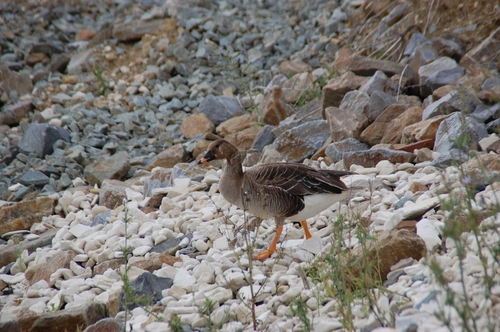
オオヒシクイ (Anser fabalis) オオヒシクイ
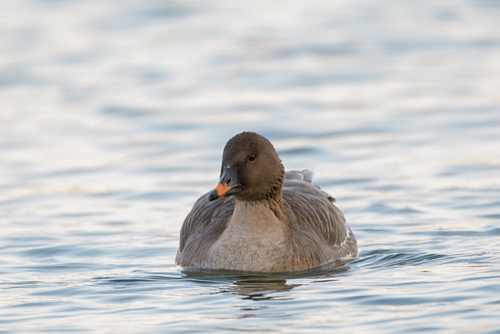
ヒシクイ (Anser serrirostris) ヒシクイ

メディア

読み込み中…

要点

タガイヒシクイとヒシクイをフィールドで区別するのは難しいです。両者は大きく、暗いくちばしを持ち、オレンジ色の脚と似た外観をしています。最も信頼できる特徴はくちばしの構造です:タガイヒシクイは通常、より長く、より細いくちばしを持ち、オレンジ色の帯が広いのに対し、ヒシクイ(特にrossicus亜種)は、より短く、太いくちばしを持ち、オレンジ色の帯が狭いです。両種は暗褐色の上翼覆羽を持ち、狭い白い縁があります。また、体のサイズと羽毛は非常に似ているため、くちばしの形とサイズを詳細に観察することが重要です。年齢特有の翼のパターンはこの2種の間で明確ではないため、構造とくちばしのパターンの微妙な違いに注目してください。特に混群では注意が必要です。

識別のコツ

  1. くちばしの構造が重要なフィールドマーク:タガイヒシクイは通常、より長く、より細いくちばしを持ち、オレンジ色の帯が広いのに対し、ヒシクイ(特にrossicus)は、より短く、太いくちばしを持ち、オレンジ色の帯が狭いです。これは近くで見るか写真で確認するのが最も信頼できます。
  2. くちばしの色のパターン:両種は基部と先端が黒く、中間にオレンジ色の帯がありますが、オレンジ色の帯の幅は一般的にタガイで大きいです。ヒシクイでは、オレンジ色がより制限されて見えることがあり、時にはあまり鮮やかではありません。
  3. 上翼覆羽:両種は暗褐色の上翼覆羽を持ち、狭い白い縁があります。年齢特有の翼のパターンはないため、同定には役立ちません。
  4. 脚と足の色:両種は明るいオレンジ色の脚と足を持っています;これは区別にはなりません。
  5. 全体の羽毛:両者は茶色がかった灰色のガンで、腹部がより明るく、似たような模様を持っています。両者の間に一貫した羽毛の違いは存在しません。
  6. サイズと形:両者は大きなガンで、サイズ範囲が重なっています。全体のサイズや体格に頼って区別しないでください。
  7. 亜種の混乱:ヒシクイの亜種rossicusは、サイズとくちばしの構造がタガイヒシクイに非常に似ているため、同定がさらに難しくなります。最も極端な個体のみが安全に同定されます。
  8. コザクラバシガンに注意:存在する場合、コザクラバシガンは短く、中央がピンクのくちばしとピンクの足を持ち、より明るく、灰色がかった上翼覆羽を持っています。これらのマークをオレンジ色のくちばしの豆ガンと混同しないでください。
  9. 混群:両種は冬に一緒に見られることがあります。複数の個体を確認し、くちばしの形とサイズの全範囲を探してください;中間的な個体や安全に同定できない個体もいるかもしれません。
  10. 声は診断的ではない:情報源には一貫した声の違いが記載されていないため、呼び声に頼って区別しないでください。
  11. 生息地の重複:両種は冬と移動中に似た生息地を使用するため、文脈は同定には役立ちません。
  12. 年齢特有の飛行マークはない:他のガンとは異なり、これら2種を区別するための特異な幼鳥や未熟な翼のパターンはありません;すべての年齢が飛行中に似たように見えます。
  13. 写真レビュー:可能な場合は、くちばしの形とオレンジ色の帯の幅を研究するために写真を使用してください。フィールドでの視点は角度や距離のために誤解を招くことがあります。
  14. フィールドガイドと専門家の意見:多くのフィールドガイドは、クラシックな例を除いて区別が不確実であることを指摘しています;不確実性について正直であり、過信を避けてください。
  15. 疑わしい場合は「Bean Goose sp.」として残す:重複と微妙な違いを考慮すると、同定が明確でない場合は鳥を「Bean Goose sp.」として記録することが許容されます。

大きさ

両種はサイズが非常に似ており、長さ(68–90 cm)、翼幅(140–174 cm)、体重(1.7–4 kg)の範囲が重なっています。タガイヒシクイの平均体重は約3020.5 g [wikidata]ですが、これは信頼できるフィールドマークではなく、ヒシクイも同じ範囲に入ります。フィールドでの一貫したサイズの違いはなく、両性およびすべての年齢が体格と長さで重なっているため、サイズだけで同定するべきではありません。

羽色

タガイヒシクイとヒシクイの羽毛の違いは最小限であり、フィールドで信頼できる診断にはなりません。両種は暗褐色の上翼覆羽を持ち、狭い白い縁があります。このパターンはすべての年齢(幼鳥、未熟、成鳥)で一貫しています。両者を区別するための特異な幼鳥や未熟な翼のマークはありません。主な視覚的な違いはくちばしにあります:タガイヒシクイは通常、より長く、より細いくちばしを持ち、オレンジ色の帯が広いのに対し、ヒシクイ(特にrossicus)は、より短く、太いくちばしを持ち、オレンジ色の帯が狭いです。両者は明るいオレンジ色の脚と足を持っています。すべての羽毛において、コザクラバシガンとの混同に注意してください。コザクラバシガンはピンクのくちばしと足を持ち、より明るく、灰色がかった上翼覆羽を持っています。

行動

両種は似たように行動し、オープングラウンドで群れを成して採餌し、緩やかな群れで飛びます。フィールドでの区別に役立つ行動の違いは情報源には記載されていません。飛行スタイル、群れの形成、採餌行動は本質的に同じです。

生息環境

タガイヒシクイは北ヨーロッパとアジアで繁殖し、ヒシクイは北シベリアで繁殖します。両者は渡り鳥で、冬はさらに南に移動し、冬の生息地で重なることがよくあります。混群では、生息地は信頼できる区別にはなりません。両種は移動中と冬に似た湿地や農業の生息地を使用します。

声

メモにはタガイヒシクイが大きなホーンのような鳴き声を持つことが記載されていますが、ヒシクイとの比較は提供されていません。情報源には診断的な声の違いは記載されていません。

より良い説明を送る

比較と同じ項目を使ってください。文章はすぐに公開されます。

Separating Taiga and Tundra Bean Goose in the field is challenging, as both are large, dark-billed geese with orange legs and a similar overall look. The most reliable mark is bill structure: Taiga Bean Goose typically has a longer, more slender bill with a broader orange band, while Tundra Bean Goose (especially the rossicus subspecies) shows a shorter, stubbier bill with a narrower orange band. Both species have dark brown upperwing-coverts with narrow white fringes, and their body size and plumage are extremely similar, so close study of bill shape and size is essential. Age-specific wing patterns are not distinct between these two, so focus on structure and subtle differences in bill pattern, especially in mixed flocks.

  1. Bill structure is the key field mark: Taiga Bean Goose typically has a longer, more slender bill with a broader orange band, while Tundra Bean Goose (especially rossicus) has a shorter, stubbier bill with a narrower orange band. This is most reliable in close views or photos.
  2. Bill color pattern: Both species have black at the base and tip, with an orange band across the middle, but the width of the orange band is generally greater in Taiga. In Tundra, the orange can appear more restricted and sometimes less vivid.
  3. Upperwing-coverts: Both species have dark brown upperwing-coverts with narrow white fringes. There are no age-specific wing patterns to separate them, so this is not useful for ID.
  4. Leg and foot color: Both species have bright orange legs and feet; this is not a separator.
  5. Overall plumage: Both are brownish-grey geese with paler bellies and similar patterning. No consistent plumage difference exists between them.
  6. Size and shape: Both are large geese with overlapping size ranges. Do not rely on overall size or bulk for separation.
  7. Subspecies confusion: The Tundra Bean Goose subspecies rossicus is especially similar to Taiga Bean Goose in size and bill structure, making identification even more difficult. Only the most extreme individuals are safely identified.
  8. Beware Pink-footed Goose: If present, Pink-footed Goose has a short, pink-centered bill and pink feet, and paler, greyer upperwing-coverts. Do not confuse these marks with the orange-billed bean geese.
  9. Mixed flocks: Both species may occur together in winter. Check multiple individuals and look for the full range of bill shapes and sizes; some birds may be intermediate or not safely identified.
  10. Voice is not diagnostic: No consistent vocal differences are described in the sources, so do not rely on calls for separation.
  11. Habitat overlap: Both species use similar habitats in winter and migration, so context is not helpful for ID.
  12. No age-specific flight marks: Unlike some other geese, there are no distinctive juvenile or immature wing patterns to separate these two; all ages look similar in flight.
  13. Photographic review: When possible, use photos to study bill shape and orange band width, as field views can be misleading due to angle or distance.
  14. Field guides and expert opinion: Many field guides note that separation is often uncertain except in classic examples; be honest about uncertainty and avoid overconfidence.
  15. If in doubt, leave as 'Bean Goose sp.': Given the overlap and subtlety of differences, it is acceptable to record birds as 'Bean Goose sp.' when identification is not clear.

Both species are very similar in size, with overlapping ranges for length (68–90 cm), wingspan (140–174 cm), and weight (1.7–4 kg). The average body mass for Taiga Bean Goose is about 3020.5 g [wikidata], but this is not a reliable field mark as Tundra Bean Goose falls within the same range. There is no consistent size difference in the field; both sexes and all ages overlap in bulk and length, so size alone should not be used for identification.

Plumage differences between Taiga and Tundra Bean Goose are minimal and not reliably diagnostic in the field. Both species have dark brown upperwing-coverts with narrow white fringes, and this pattern is consistent across all ages (juvenile, immature, and adult). There are no unique juvenile or immature wing markings to separate the two. The main visual difference is in the bill: Taiga Bean Goose usually shows a longer, more slender bill with a broader orange band, while Tundra Bean Goose (especially rossicus) has a shorter, stubbier bill with a narrower orange band. Both have bright orange legs and feet. In all plumages, beware confusion with Pink-footed Goose, which has a pink bill and feet and paler, greyer upperwing-coverts.

Both species behave similarly, foraging in flocks on open ground and flying in loose skeins. There are no behavioral differences noted in the sources that are useful for field separation. Flight style, flocking, and feeding behavior are essentially identical.

Taiga Bean Goose breeds in northern Europe and Asia, while Tundra Bean Goose breeds in northern Siberia. Both are migratory and winter further south, often overlapping in wintering grounds. In mixed flocks, habitat is not a reliable separator. Both species use similar wetland and agricultural habitats during migration and winter.

The notes only mention that Taiga Bean Goose has a loud honking call, but do not provide a comparison with Tundra Bean Goose. No diagnostic vocal differences are described in the sources provided.

変更を破棄しますか?

保存していない編集があります。今離れると失われます。

オオヒシクイ · ヒシクイ · 苦手な鳥