

Motmot

アラビアウタムシクイ 対 ハイイロウタムシクイ

Iduna rama 対 Iduna pallida

アラビアウタムシクイとハイイロウタムシクイのクイズ
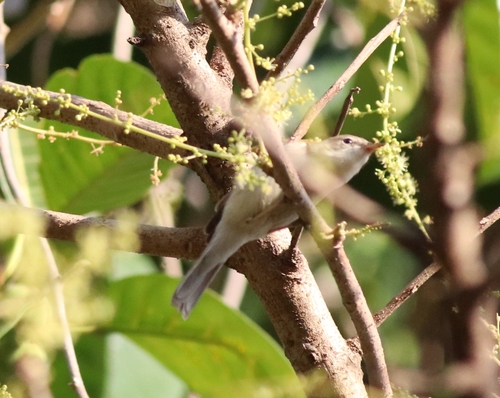
アラビアウタムシクイ (Iduna rama) アラビアウタムシクイ
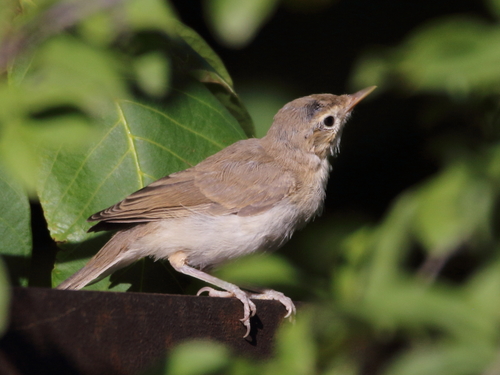
ハイイロウタムシクイ (Iduna pallida) ハイイロウタムシクイ

メディア

読み込み中…

要点

Sykes's Warbler and Eastern Olivaceous Warbler are notoriously similar, but Sykes's is generally a bit larger and greyer-toned, with a slightly stronger bill and often paler, more washed-out flanks. Both show plain pale brown upperparts and whitish underparts, but Sykes's tends to look colder and less buff overall. Juvenile and immature plumages are especially tricky, as both species show similar patterns, but Eastern Olivaceous Warbler young are typically more buff on the belly. Structural differences are subtle and best judged with experience or side-by-side views. In the field, context and a combination of size, tone, and subtle structure are key, as single marks are rarely definitive.

識別のコツ

  1. Size and Structure: Sykes's Warbler is generally larger and slightly more robust than Eastern Olivaceous, but this is subtle and best judged with experience or in direct comparison. Use with caution for lone birds.
  2. Bill Shape: Both have strong, pointed bills, but Sykes's may appear slightly heavier and more robust. This is a minor difference and not always reliable.
  3. Plumage Tone (Adults): Sykes's Warbler tends to be paler and greyer above, with less olive or greenish tinge than Eastern Olivaceous, which can show a faint greenish cast to the upperparts. Use this in good light.
  4. Flank and Belly Color (Juveniles/Immatures): Young Eastern Olivaceous Warblers are more buff on the belly and flanks, while Sykes's is paler and less warm-toned. This is most useful in fresh juvenile plumage.
  5. Supercilium: Both species have a short, pale supercilium; this is not a separator.
  6. Tail Pattern: Both show pale edges to the outer tail feathers. No difference is noted.
  7. Leg Color: Both have grey legs; not a separator.
  8. Tail Flicking: Eastern Olivaceous Warbler is noted for a characteristic downward tail flick, which may be less obvious in Sykes's. Watch for this behavior, but do not rely on it alone.
  9. General Jizz: Sykes's may appear slightly bulkier and colder-toned, while Eastern Olivaceous is more delicate and warmer, especially in juveniles.
  10. Habitat and Range: Use with caution. Eastern Olivaceous is more likely in southeastern Europe and the Middle East; Sykes's in Central Asia. Overlap and vagrancy occur.
  11. Voice: No reliable differences described; do not use as a separator.
  12. Sex Differences: Both species are sexually monomorphic; sex does not aid identification.
  13. Seasonal Variation: Most differences are subtle and consistent year-round, though juveniles/immatures are buffier in Eastern Olivaceous.
  14. Pitfalls: Single field marks are rarely definitive. Use a combination of size, tone, and subtle structure, and beware of individual variation and worn plumage.
  15. When in Doubt: If separation is not clear, especially in non-adult plumages or poor light, it is honest to leave the bird unidentified.

大きさ

Sykes's Warbler is generally the larger of the two, though the difference is slight and may not be obvious without direct comparison. Both are small warblers, but Sykes's is described as larger and more robust than Eastern Olivaceous. In practice, size alone is rarely diagnostic unless you have both species together.

羽色

For both adults and immatures, the upperparts are plain pale brown and the underparts whitish. Sykes's Warbler is typically paler and greyer above, with buff flanks that are less pronounced than the warmer, more buffy tones often shown by young Eastern Olivaceous Warblers. Juvenile and first-winter Eastern Olivaceous Warblers are notably buffier on the belly, which can help in fresh plumage. Both species have a short pale supercilium and pale edges to the outer tail feathers. No distinctive upperwing or flight pattern differences are described for either species at any age, so separation relies on subtle tone and structure. Adults of both are very similar, but Sykes's may appear slightly colder and less olive or greenish than Eastern Olivaceous, which sometimes shows a faint greenish tinge to the upperparts.

行動

Both species behave like typical Iduna warblers, moving through low vegetation and often flicking their tails. Eastern Olivaceous Warbler is noted for a characteristic downward tail flick, which may be less pronounced or less frequent in Sykes's Warbler. Both species are active and can be seen foraging in similar ways.

生息環境

Habitat is not a reliable separator where ranges overlap, as both species breed in open woodland, scrub, and bushy areas. Eastern Olivaceous Warbler is more likely in southeastern Europe and the Middle East, while Sykes's is found from northeast Arabia to Central Asia, but vagrancy and overlap do occur. Local abundance and range context may help but are not definitive.

声

Eastern Olivaceous Warbler has a fast, nasal babbling song, but no distinctive vocal differences are described between these two species in the provided notes. Voice is not a reliable field mark for separation based on current information.

より良い説明を送る

比較と同じ項目を使ってください。文章はすぐに公開されます。

Sykes's Warbler and Eastern Olivaceous Warbler are notoriously similar, but Sykes's is generally a bit larger and greyer-toned, with a slightly stronger bill and often paler, more washed-out flanks. Both show plain pale brown upperparts and whitish underparts, but Sykes's tends to look colder and less buff overall. Juvenile and immature plumages are especially tricky, as both species show similar patterns, but Eastern Olivaceous Warbler young are typically more buff on the belly. Structural differences are subtle and best judged with experience or side-by-side views. In the field, context and a combination of size, tone, and subtle structure are key, as single marks are rarely definitive.

  1. Size and Structure: Sykes's Warbler is generally larger and slightly more robust than Eastern Olivaceous, but this is subtle and best judged with experience or in direct comparison. Use with caution for lone birds.
  2. Bill Shape: Both have strong, pointed bills, but Sykes's may appear slightly heavier and more robust. This is a minor difference and not always reliable.
  3. Plumage Tone (Adults): Sykes's Warbler tends to be paler and greyer above, with less olive or greenish tinge than Eastern Olivaceous, which can show a faint greenish cast to the upperparts. Use this in good light.
  4. Flank and Belly Color (Juveniles/Immatures): Young Eastern Olivaceous Warblers are more buff on the belly and flanks, while Sykes's is paler and less warm-toned. This is most useful in fresh juvenile plumage.
  5. Supercilium: Both species have a short, pale supercilium; this is not a separator.
  6. Tail Pattern: Both show pale edges to the outer tail feathers. No difference is noted.
  7. Leg Color: Both have grey legs; not a separator.
  8. Tail Flicking: Eastern Olivaceous Warbler is noted for a characteristic downward tail flick, which may be less obvious in Sykes's. Watch for this behavior, but do not rely on it alone.
  9. General Jizz: Sykes's may appear slightly bulkier and colder-toned, while Eastern Olivaceous is more delicate and warmer, especially in juveniles.
  10. Habitat and Range: Use with caution. Eastern Olivaceous is more likely in southeastern Europe and the Middle East; Sykes's in Central Asia. Overlap and vagrancy occur.
  11. Voice: No reliable differences described; do not use as a separator.
  12. Sex Differences: Both species are sexually monomorphic; sex does not aid identification.
  13. Seasonal Variation: Most differences are subtle and consistent year-round, though juveniles/immatures are buffier in Eastern Olivaceous.
  14. Pitfalls: Single field marks are rarely definitive. Use a combination of size, tone, and subtle structure, and beware of individual variation and worn plumage.
  15. When in Doubt: If separation is not clear, especially in non-adult plumages or poor light, it is honest to leave the bird unidentified.

Sykes's Warbler is generally the larger of the two, though the difference is slight and may not be obvious without direct comparison. Both are small warblers, but Sykes's is described as larger and more robust than Eastern Olivaceous. In practice, size alone is rarely diagnostic unless you have both species together.

For both adults and immatures, the upperparts are plain pale brown and the underparts whitish. Sykes's Warbler is typically paler and greyer above, with buff flanks that are less pronounced than the warmer, more buffy tones often shown by young Eastern Olivaceous Warblers. Juvenile and first-winter Eastern Olivaceous Warblers are notably buffier on the belly, which can help in fresh plumage. Both species have a short pale supercilium and pale edges to the outer tail feathers. No distinctive upperwing or flight pattern differences are described for either species at any age, so separation relies on subtle tone and structure. Adults of both are very similar, but Sykes's may appear slightly colder and less olive or greenish than Eastern Olivaceous, which sometimes shows a faint greenish tinge to the upperparts.

Both species behave like typical Iduna warblers, moving through low vegetation and often flicking their tails. Eastern Olivaceous Warbler is noted for a characteristic downward tail flick, which may be less pronounced or less frequent in Sykes's Warbler. Both species are active and can be seen foraging in similar ways.

Habitat is not a reliable separator where ranges overlap, as both species breed in open woodland, scrub, and bushy areas. Eastern Olivaceous Warbler is more likely in southeastern Europe and the Middle East, while Sykes's is found from northeast Arabia to Central Asia, but vagrancy and overlap do occur. Local abundance and range context may help but are not definitive.

Eastern Olivaceous Warbler has a fast, nasal babbling song, but no distinctive vocal differences are described between these two species in the provided notes. Voice is not a reliable field mark for separation based on current information.

変更を破棄しますか?

保存していない編集があります。今離れると失われます。

アラビアウタムシクイ · ハイイロウタムシクイ · 苦手な鳥