

Motmot

ササゴイ 対 ニシアマサギ

Butorides striata 対 Ardea ibis

ササゴイとニシアマサギのクイズ
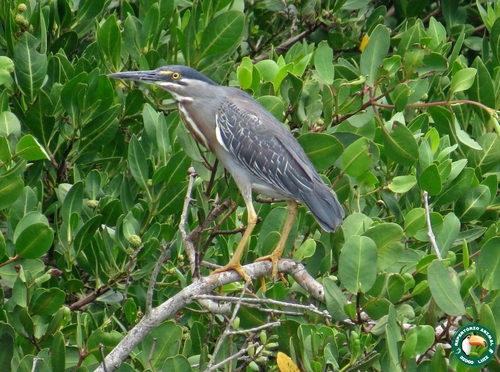
ササゴイ (Butorides striata) ササゴイ
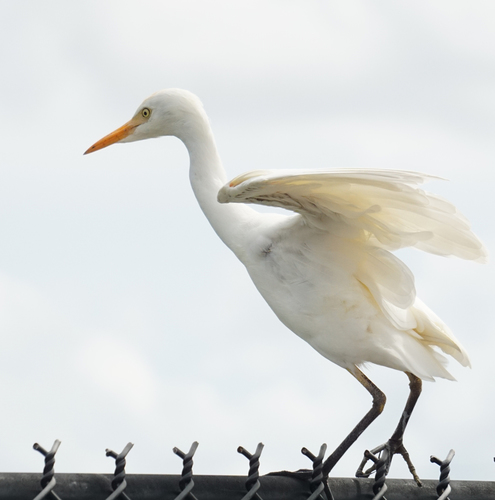
ニシアマサギ (Ardea ibis) ニシアマサギ

メディア

読み込み中…

要点

ストライテッドヘロンとニシアマサギを区別する最も信頼できるフィールドマークは全体の色合いです:ストライテッドヘロン(成鳥と幼鳥)は常に暗く、青灰色または茶色の上面と変化のある、しばしば縞模様のある下面を持ち、ニシアマサギは繁殖期の成鳥のバフィーな羽毛を除いてほとんど白です。幼鳥のストライテッドヘロンは上面が茶色で下面が重く縞模様があり、決して白ではなく、幼鳥のニシアマサギは黒いくちばしを持つ純白です。構造も役立ちます:ストライテッドヘロンははるかに小さく、コンパクトで、首と脚が短いのに対し、ニシアマサギはがっしりとした体格で長い脚と太い首を持っています。飛行中または休息中、ニシアマサギの全白の外観は特徴的であり、ストライテッドヘロンは常に暗いトーンと黒い帽子を示します。

識別のコツ

  1. Overall Color: ストライテッドヘロンは常に暗く、青灰色または茶色の上面と変化のある、しばしば縞模様のある下面を持ち、ニシアマサギは繁殖期の成鳥のバフィーな羽毛を除いて全て白です。
  2. Juvenile Plumage: 幼鳥のストライテッドヘロンは上面が茶色で下面が重く縞模様があり、決して白ではなく、幼鳥のニシアマサギは黒いくちばしを持つ純白です。
  3. Size: ストライテッドヘロンはニシアマサギよりもはるかに小さく軽い(35–48 cm、130–250 g)です。
  4. Neck and Leg Length: ニシアマサギは太く短い首(ただしストライテッドヘロンよりは長い)と長い脚を持ち、ストライテッドヘロンはコンパクトで短い首と短い黄色の脚を持っています。
  5. Bill: ストライテッドヘロンはくちばしから目の下まで暗い線が伸びた暗いくちばしを持ち、ニシアマサギは黄色いくちばし(繁殖期の成鳥は一時的に赤いくちばしを示すことがあります)を持ち、幼鳥は黒いくちばしを持っています。
  6. Cap and Face: 成鳥のストライテッドヘロンは黒い帽子とくちばしから目の下までの暗い線を持ち、ニシアマサギは暗い帽子や顔の線を欠いています。
  7. Breeding Plumes: ニシアマサギだけが繁殖期に背中、胸、頭にオレンジバフの羽毛を発達させ、ストライテッドヘロンはそうではありません。
  8. Flight Appearance: ニシアマサギは飛行中全て白に見え、広い翼と丸まった首を持ち、ストライテッドヘロンは暗く、よりコンパクトで、白い上面はありません。
  9. Leg Color: ストライテッドヘロンは短い黄色の脚を持ち、ニシアマサギの脚は灰色がかった黄色(繁殖期の成鳥は一時的に赤)です。
  10. Habitat: ストライテッドヘロンは水辺、マングローブ、または密な湿地の植生に生息し、通常は隠れ家の近くにいます。ニシアマサギは通常、開けた野原、牧草地、または家畜と共におり、水から離れていることが多いです。
  11. Behavior: ニシアマサギは群れで行動し、しばしば牛を追いかけ、ストライテッドヘロンは孤独またはペアで、水の近くでうろつきます。
  12. Perched Posture: ストライテッドヘロンは低くコンパクトに座り、ニシアマサギは直立して警戒しています。
  13. Vocalization: ニシアマサギはコロニーでの静かな喉の「リック・ラック」コールを除いてほとんど静かです。ストライテッドヘロンの鳴き声はここでは説明されていません。
  14. Sex Differences: 両種はほとんど単形ですが、オスのニシアマサギは繁殖羽毛が長く、わずかに大きいです。
  15. Seasonal Change: ニシアマサギのオレンジバフの羽毛と赤いくちばし/脚は繁殖期にのみ存在し、ストライテッドヘロンは季節的に変化しません。

大きさ

ストライテッドヘロンは大幅に小さく、長さ35–48 cm、重さ130–250 g、翼幅52–60 cmです。ニシアマサギは大きく重く、長さ46–56 cm、重さ270–512 g、翼幅88–96 cmです。ニシアマサギの体格と長い翼は、特に混合群れや家畜と一緒に見られるときに、はるかに頑丈で目立つように見えます。

羽色

幼鳥と未成熟の個体では、ストライテッドヘロンは上面が茶色で下面が重く縞模様があり、広範囲に白を示すことはありません。幼鳥のニシアマサギは全体が純白で、黒いくちばしと色付きの羽毛はありません。成鳥のストライテッドヘロンは青灰色の背中と翼、白い下面(時々ピンクがかったりオレンジがかったりする)、黒い帽子、くちばしから目の下までの暗い線を持ち、脚は短く黄色です。成鳥のニシアマサギは非繁殖羽毛で全て白で、黄色いくちばしと灰色がかった黄色の脚を持ち、繁殖期には背中、胸、頭にオレンジバフの羽毛を発達させ、くちばし/脚/虹彩は一時的に明るい赤になります。ストライテッドヘロンが全て白になる季節はなく、ニシアマサギが暗いまたは縞模様のある下面を示すことはありません。

行動

ストライテッドヘロンは通常孤独またはペアで、水の近くでうろつき、ゆっくりと意図的に動き、時には道具を使ったり奇妙な巣の行動を行ったりします。ニシアマサギは非常に群れで行動し、特に牛や他の大型哺乳類の周りで群れを作り、主に陸上で採餌し、開けた野原で直立して歩きます。ニシアマサギはコロニーで巣を作り、時には他の水鳥と一緒に巣を作りますが、ストライテッドヘロンはより秘密主義です。飛行中、ニシアマサギは丸まった首と安定した直接的な飛行を示し、ストライテッドヘロンはよりコンパクトに見え、水の上を低く飛ぶことがあります。

生息環境

ストライテッドヘロンは水辺、マングローブ、密な湿地の植生に生息し、通常は隠れ家の近くにいます。ニシアマサギは開けた野原、牧草地、農地を好み、水から遠く離れていることが多く、放牧動物と強く関連しています。両者は水の近くで見られることがありますが、ニシアマサギは乾燥した草地や農業の環境にいる可能性が高く、ストライテッドヘロンは密な隠れ家や水の縁から遠くに出ることはほとんどありません。

声

ニシアマサギは繁殖コロニーでの静かな喉の「リック・ラック」コールを除いてほとんど静かです。ストライテッドヘロンの鳴き声は提供されたメモには記載されていないため、声はほとんどのフィールド状況で信頼できる区別要因ではありません。

より良い説明を送る

比較と同じ項目を使ってください。文章はすぐに公開されます。

The most reliable field mark to separate Striated Heron from Western Cattle-Egret is overall coloration: Striated Heron (adult and juvenile) is always darker, with blue-grey or brown upperparts and variable, often streaked, underparts, while Western Cattle-Egret is mostly white except for buffy plumes in breeding adults. Juvenile Striated Herons are brown above and heavily streaked below, never white, whereas juvenile Cattle-Egrets are plain white with a black bill. Structure also helps: Striated Heron is much smaller and more compact, with a shorter neck and legs, compared to the stocky, long-legged, and thick-necked Cattle-Egret. In flight or at rest, the Cattle-Egret's all-white appearance is distinctive, while Striated Heron always shows darker tones and a black cap.

  1. Overall Color: Striated Heron is always darker, with blue-grey or brown upperparts and variable, often streaked, underparts; Cattle-Egret is all white except for buffy plumes in breeding adults.
  2. Juvenile Plumage: Juvenile Striated Heron is brown above and heavily streaked below, never white; juvenile Cattle-Egret is plain white with a black bill.
  3. Size: Striated Heron is much smaller and lighter (35–48 cm, 130–250 g) than Cattle-Egret (46–56 cm, 270–512 g).
  4. Neck and Leg Length: Cattle-Egret has a thick, short neck (but still longer than Striated Heron's) and long legs; Striated Heron is compact, with a short neck and short yellow legs.
  5. Bill: Striated Heron has a dark bill with a dark line extending from bill to under-eye; Cattle-Egret has a yellow bill (breeding adults may briefly show red bill), and juveniles have a black bill.
  6. Cap and Face: Adult Striated Heron has a black cap and a dark line from bill to under-eye; Cattle-Egret lacks a dark cap or facial line.
  7. Breeding Plumes: Only Cattle-Egret develops orange-buff plumes on back, breast, and crown in breeding season; Striated Heron does not.
  8. Flight Appearance: Cattle-Egret appears all white in flight, with broad wings and a hunched neck; Striated Heron is darker and more compact, with no white upperparts.
  9. Leg Color: Striated Heron has short yellow legs; Cattle-Egret legs are greyish-yellow (breeding adults briefly red).
  10. Habitat: Striated Heron is found at water edges, mangroves, or dense wetland vegetation; Cattle-Egret is usually in open fields, pastures, or with livestock, often away from water.
  11. Behavior: Cattle-Egret is gregarious, often in flocks and following cattle; Striated Heron is solitary or in pairs, skulking near water.
  12. Perched Posture: Striated Heron sits low and compact; Cattle-Egret stands upright and alert.
  13. Vocalization: Cattle-Egret is mostly silent except at colonies; Striated Heron calls are not described here.
  14. Sex Differences: Both species are mostly monomorphic, but male Cattle-Egret is marginally larger with longer breeding plumes.
  15. Seasonal Change: Cattle-Egret's orange-buff plumes and red bill/legs are only present in breeding season; Striated Heron does not change seasonally.

Striated Heron is significantly smaller, measuring 35–48 cm in length and weighing 130–250 g, with a wingspan of 52–60 cm. Western Cattle-Egret is larger and heavier: 46–56 cm long, 270–512 g, and a wingspan of 88–96 cm. The Cattle-Egret's bulk and longer wings make it appear much more robust and prominent, especially in mixed flocks or when seen alongside livestock.

For juveniles and immatures, Striated Heron is brown above with heavy streaking below, never showing extensive white. Juvenile Cattle-Egret is plain white overall, with a black bill and no colored plumes. Adult Striated Heron has blue-grey back and wings, white underparts (sometimes tinged pinkish or orange), a black cap, and a dark line from bill to under-eye; legs are short and yellow. Adult Cattle-Egret is all white in non-breeding plumage, with a yellow bill and greyish-yellow legs; in breeding season, it develops orange-buff plumes on back, breast, and crown, and bill/legs/irises briefly become bright red. There is no season when Striated Heron is all white, nor does Cattle-Egret ever show dark or streaked underparts.

Striated Heron is typically solitary or in pairs, often skulking at water edges, moving slowly and deliberately, sometimes using tools or performing odd nest behaviors. Cattle-Egret is highly gregarious, often seen in flocks, especially around cattle or other large mammals, and forages mostly on land, walking upright in open fields. Cattle-Egrets nest colonially, sometimes with other waterbirds, while Striated Heron is more secretive. In flight, Cattle-Egret shows a hunched neck and steady, direct flight; Striated Heron appears more compact and may fly low over water.

Striated Heron is found along water edges, mangroves, and dense wetland vegetation, usually close to cover. Cattle-Egret prefers open fields, pastures, and agricultural land, often far from water, and is strongly associated with grazing animals. While both can be found near water, Cattle-Egret is much more likely in dry, grassy, or agricultural settings, and Striated Heron rarely ventures far from dense cover or water margins.

Cattle-Egret is mostly silent except for a quiet, throaty 'rick-rack' call at breeding colonies. Striated Heron vocalizations are not described in the provided notes, so voice is not a reliable separator in most field situations.

変更を破棄しますか?

保存していない編集があります。今離れると失われます。

ササゴイ · ニシアマサギ · 苦手な鳥