

Motmot

ササゴイ 対 カンムリサギ

Butorides striata 対 Ardeola ralloides

ササゴイとカンムリサギのクイズ
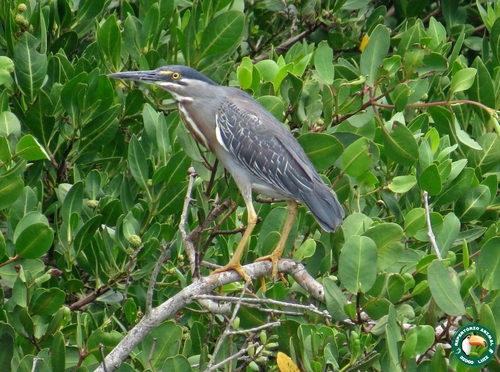
ササゴイ (Butorides striata) ササゴイ
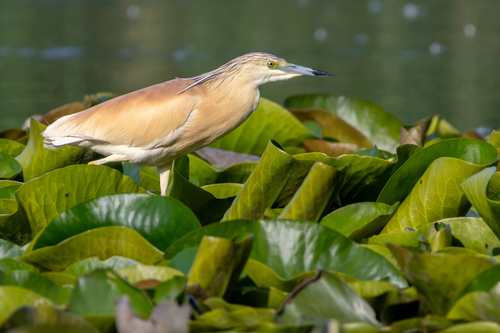
カンムリサギ (Ardeola ralloides) カンムリサギ

メディア

読み込み中…

要点

ストライアテッドヘロンとカンムリサギを区別する最も信頼できるフィールドマークは、全体の色合いと飛行中の翼の外観です:カンムリサギは止まっているときはストライプのあるバフブラウンの鳥から、飛行中は目を引く白い翼を持つ姿に変わりますが、ストライアテッドヘロンは上面が暗い青灰色のままで、白い効果はありません。ストライアテッドヘロンの幼鳥は下部が heavily streaked で上部がより茶色ですが、カンムリサギの白い翼は決して見せません。構造的には、カンムリサギはよりがっしりしていて、短くて太いくちばしと首を持ち、ストライアテッドヘロンはより細長く、長い首を持っています。両者は小型のヘロンですが、カンムリサギはより重く、翼が広いです。生息地の重複は可能ですが、ストライアテッドヘロンはマングローブに強く結びついており、主に定住していますが、カンムリサギは湿地の移動性の鳥です。

識別のコツ

  1. 飛行中の白い翼(すべての年齢): カンムリサギは飛行中に明るい白い翼を示し、バフブラウンの体と対照的です。ストライアテッドヘロンは白い翼を決して示さず、上翼はすべての年齢で青灰色または暗いままです。
  2. 止まっているときの色合い(成鳥): ストライアテッドヘロンは上面が青灰色で、黒い帽子と変動する下部(灰色、ピンクがかった、またはオレンジ色)を持っています。カンムリサギは上面がバフブラウンで、より淡いストライプの外観を持ち、暗い帽子はありません。
  3. 幼鳥の羽毛: 幼鳥のストライアテッドヘロンは上部が茶色で、下部が heavily streaked ですが、飛行中の翼は白くありません。幼鳥のカンムリサギは淡いストライプのある茶色で、飛行中に白い翼を示します。
  4. くちばしの構造: カンムリサギは短くて太いくちばしを持ち、ストライアテッドヘロンはより長くて細いくちばしを持っています。これは、鳥が並んでいるときや近距離で最も明らかです。
  5. 首と体の形: カンムリサギはがっしりしていて、短い首とよりコンパクトな体型を持っています。ストライアテッドヘロンはより細長く、特に警戒しているときは長い首に見えることがよくあります。
  6. 脚の色: ストライアテッドヘロンは短い黄色の脚を持っています。カンムリサギの脚の色はメモにおいてはあまり特徴的ではありませんが、一般的にはより淡いまたは鈍い色に見えます。
  7. 帽子と顔の模様: ストライアテッドヘロンは黒い帽子とくちばしから目の下までの暗い線を持っています。カンムリサギは黒い帽子がなく、より均一な頭の色を持っています。
  8. 下部の色: ストライアテッドヘロンの下部は変動しますが、中灰色、ピンクがかった、またはオレンジ色になることがあります。カンムリサギは下部がより淡く、飽和度が低いです。
  9. フラッシュ時の行動: カンムリサギはしばしば白い翼のバーストでフラッシュし、小さな群れに加わることがあります。ストライアテッドヘロンはより秘密主義で、低く隠れていることがよくあります。
  10. 生息地の好み: ストライアテッドヘロンはマングローブや木々の水辺にいる可能性が高く、カンムリサギはオープンな湿地や湿地を好み、特に旧世界で見られます。
  11. 季節的文脈: カンムリサギは移動性で、繁殖範囲外に漂流者として現れることがあります、特にアフリカや時折南アメリカで。ストライアテッドヘロンはその範囲内に定住しています。
  12. コロニー対孤立: カンムリサギは他の水鳥と小さなコロニーで巣を作ることが多いですが、ストライアテッドヘロンはより孤立しているか、ペアで見られます。
  13. 繁殖羽毛: 夏には、カンムリサギは長い首の羽毛とより金色のバフの背中を発達させますが、これは飛行中の白い翼に比べて微妙です。
  14. サイズの印象: カンムリサギはより重く、翼が広いですが、これは鳥が並んでいない限り微妙です。
  15. 一般的な落とし穴: 未成熟のストライアテッドヘロンはカンムリサギのようにストライプがあり、茶色に見えることがありますが、飛行中に白い翼を決して示しません。鳥が飛び立つときは常に上翼を確認してください。

大きさ

カンムリサギはより重く(体重約288g)、ストライアテッドヘロン(体重130〜250g、翼幅52〜60 cm)と比較して翼幅が広い(80〜92 cm)です。両者は長さが似ています(ストライアテッド:35〜48 cm;カンムリ:44〜47 cm)が、カンムリサギは特に止まっているときにがっしりしていて、ストライアテッドヘロンは全体的により細長くコンパクトです。

羽色

幼鳥のストライアテッドヘロンは上部が茶色で、下部が heavily streaked ですが、翼は青灰色のままで、飛行中に白く見えることはありません。成鳥のストライアテッドヘロンは青灰色の背中と翼、黒い帽子、変動する下部(灰色からピンクがかったまたはオレンジ色)を持っています。対照的に、カンムリサギ(成鳥および非繁殖)は上部がバフブラウンで、より淡いストライプのある外観を持ち、止まっているときはより淡い外観を持っていますが、飛行中にはその翼が明るい白色で、羽毛の残りの部分との劇的な対比を生み出します。この飛行中の白い翼の効果は、すべての年齢のストライアテッドヘロンにはありません。繁殖羽毛では、カンムリサギは長い首の羽毛とより金色のバフの背中を発達させますが、白い翼は依然として重要な飛行マークです。幼鳥のカンムリサギも淡いストライプのある茶色ですが、再び、飛行中の白い翼は診断的です。

行動

ストライアテッドヘロンは主に定住しており、しばしば単独またはペアで見られ、道具を使用したり奇妙な巣の動きを行ったりするような異常な行動が注目されています。マングローブの根を沿って隠れているか、水辺で静かに狩りをしているのが見られることがあります。カンムリサギはよりコロニアルで、小さなグループで繁殖し、移動性があり、湿地でよく見られます。飛行中、カンムリサギは白い翼のバーストでフラッシュする可能性が高いですが、ストライアテッドヘロンは低く隠れている傾向があります。

生息環境

ストライアテッドヘロンはマングローブと密接に関連しており、南アメリカとカリブ海では主に定住しています。密集した、葦の生えた、または木々の水辺を好みます。カンムリサギは南ヨーロッパと中東の湿地で繁殖し、サハラ以南のアフリカで冬を越します。移動性で、オープンな淡水湿地で見られる可能性が高く、他の水鳥と混合コロニーで見られることがよくあります。一部の湿地生息地では重複が可能ですが、ストライアテッドヘロンはマングローブや木々の水辺により強く結びついています。

より良い説明を送る

比較と同じ項目を使ってください。文章はすぐに公開されます。

The most reliable field mark to separate Striated Heron from Squacco Heron is the overall coloration and wing appearance in flight: Squacco Heron transforms from a streaky, buff-brown bird when perched to strikingly white-winged in flight, while Striated Heron remains dark and blue-grey above with no such white effect. Juveniles of Striated Heron are heavily streaked below and browner above, but never show the white wings of Squacco. Structurally, Squacco Heron is stockier with a shorter, thicker bill and neck, while Striated Heron is more slender and longer-necked. Both are small herons, but Squacco is heavier and broader-winged. Habitat overlap is possible, but Striated Heron is much more tied to mangroves and is largely sedentary, while Squacco is a migrant of marshy wetlands.

  1. White wings in flight (all ages): Squacco Heron shows bright white wings in flight, contrasting with its buff-brown body. Striated Heron never shows white wings; its upperwing remains blue-grey or dark at all ages.
  2. Perched coloration (adults): Striated Heron is blue-grey above with a black cap and variable underparts (grey, pinkish, or orangey). Squacco Heron is buff-brown above with a paler, streaked appearance and lacks the dark cap.
  3. Juvenile plumage: Juvenile Striated Herons are brown above and heavily streaked below, but their wings are not white in flight. Juvenile Squacco Herons are tawny with lighter streaking and still show white wings in flight.
  4. Bill structure: Squacco Heron has a short, thick bill, while Striated Heron has a longer, slimmer bill. This is most obvious when birds are side by side or at close range.
  5. Neck and body shape: Squacco Heron is stockier with a shorter neck and more compact jizz. Striated Heron is more slender and often appears longer-necked, especially when alert.
  6. Leg color: Striated Heron has short yellow legs. Squacco Heron's leg color is less distinctive in the notes, but generally appears paler or duller.
  7. Cap and face pattern: Striated Heron has a black cap and a dark line from bill to under the eye. Squacco Heron lacks a black cap and has a more uniform head color.
  8. Underpart color: Striated Heron's underparts are variable but can be mid-grey, pinkish, or orangey. Squacco Heron is paler and less saturated below.
  9. Behavior when flushed: Squacco Heron often flushes with a burst of white wings and may join small groups. Striated Heron is more secretive, often staying low and close to cover.
  10. Habitat preference: Striated Heron is more likely in mangroves or wooded water edges; Squacco Heron prefers open marshes and wetlands, especially in the Old World.
  11. Seasonal context: Squacco Heron is migratory and may appear outside breeding range as a vagrant, especially in Africa and occasionally South America. Striated Heron is resident in its range.
  12. Colony vs solitary: Squacco Heron often nests in small colonies with other waders; Striated Heron is more solitary or in pairs.
  13. Breeding plumage: In summer, Squacco Heron develops long neck plumes and a more golden-buff back, but this is subtle compared to the white wings in flight.
  14. Size impression: Squacco Heron is heavier and broader-winged, but this can be subtle unless birds are side by side.
  15. Common pitfalls: Immature Striated Herons can look streaky and brown like Squacco, but will never show white wings in flight. Always check the upperwing when the bird takes off.

Squacco Heron is heavier (body mass ~288g) and has a broader wingspan (80–92 cm) compared to Striated Heron (body mass 130–250g, wingspan 52–60 cm). Both are similar in length (Striated: 35–48 cm; Squacco: 44–47 cm), but Squacco appears bulkier and stockier, especially when perched. Striated Heron is more slender and compact overall.

Juvenile Striated Herons are brown above and heavily streaked below, but their wings remain blue-grey and never appear white in flight. Adult Striated Herons have a blue-grey back and wings, black cap, and variable underparts (grey to pinkish or orangey). In contrast, Squacco Heron (adult and non-breeding) is buff-brown above with lighter streaking and a paler appearance when perched, but in flight, its wings are bright white, creating a dramatic contrast with the rest of the plumage. This white-winged effect in flight is absent in Striated Heron at all ages. In breeding plumage, Squacco Heron develops long neck plumes and a more golden-buff back, but the white wings remain the key flight mark. Juvenile Squacco Herons are also tawny with lighter streaking, but again, the white wings in flight are diagnostic.

Striated Heron is mostly sedentary, often seen alone or in pairs, and is noted for unusual behaviors like using tools or performing odd nest movements. It may be seen skulking along mangrove roots or quietly hunting at water edges. Squacco Heron is more colonial, breeds in small groups, and is migratory, often seen in marshy wetlands. In flight, Squacco Heron is more likely to flush with a burst of white wings, while Striated Heron tends to stay low and close to cover.

Striated Heron is closely associated with mangroves and is largely sedentary in South America and the Caribbean. It prefers dense, reedy, or wooded water edges. Squacco Heron breeds in marshy wetlands across southern Europe and the Middle East, and winters in sub-Saharan Africa. It is a migrant and more likely to be found in open freshwater marshes, often in mixed colonies with other waders. Overlap is possible in some wetland habitats, but Striated is more tied to mangroves and wooded water margins.

変更を破棄しますか?

保存していない編集があります。今離れると失われます。

ササゴイ · カンムリサギ · 苦手な鳥