

Motmot

カンムリサギ 対 アフリカチュウサギ

Ardeola ralloides 対 Ardea brachyrhyncha

カンムリサギとアフリカチュウサギのクイズ
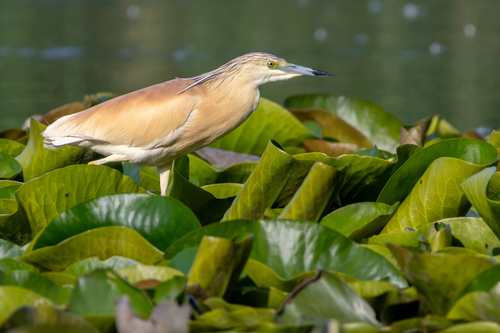
カンムリサギ (Ardeola ralloides) カンムリサギ
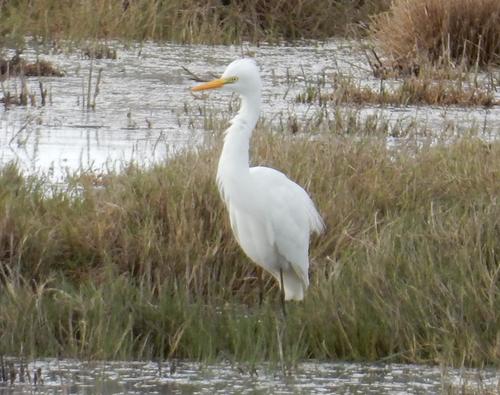
アフリカチュウサギ (Ardea brachyrhyncha) アフリカチュウサギ

メディア

読み込み中…

要点

カンムリサギとアフリカチュウサギを区別する最も信頼できるフィールドマークは、飛行中の劇的なコントラストです:カンムリサギは年齢に関係なく、バフブラウンの体に対して際立って白い翼を示しますが、アフリカチュウサギはすべての年齢と羽色で完全に白いです。構造的には、カンムリサギはずっとがっしりしており、短い首と太く短いくちばしを持っていますが、アフリカチュウサギは背が高く、より優雅で、長い首とくちばしを持っています。止まっているとき、カンムリサギはバフ色または黄褐色に見え、縞模様がありますが、アフリカチュウサギは常に白いです。サイズの違いも重要で、アフリカチュウサギはずっと大きいです。これらの違いはすべての季節と年齢に当てはまり、注意深い観察によって混乱が起こる可能性は低いです。

識別のコツ

  1. Flight pattern is diagnostic: すべての年齢のカンムリサギは、飛行中にバフブラウンの体と背中に対して白い翼を示します;アフリカチュウサギは飛行中も止まっているときも全体が純白です。
  2. Perched coloration: カンムリサギは決して全白ではありません;黄褐色またはバフ色の体、茶色の背中、淡い縞模様を探してください。アフリカチュウサギは年齢や季節に関係なく常に白いです。
  3. Structure: カンムリサギはコンパクトで、短く太いくちばしと短い首を持ち、丸まった外見を与えます。アフリカチュウサギは背が高く、細身で、長い首と相対的に長くて細いくちばしを持っています。
  4. Bill color: カンムリサギは小さくて暗いくちばしを持っています;アフリカチュウサギは黄色いくちばし(繁殖期にはオレンジ赤)を持ち、繁殖期以外では時々黒い先端があります。
  5. Legs and bare parts: カンムリサギは鈍い脚を持っています;アフリカチュウサギの脚は暗い色で、脛は淡い色で、求愛中にはピンクがかった赤色に、繁殖期には黄色に変わることがあります。
  6. Breeding plumes: 両種は繁殖期に長い羽毛を発達させますが、アフリカチュウサギの羽毛は背中と胸にあり、劇的な裸の部分の色の変化(くちばし、目の周り、目、脛)を伴います。
  7. Jizz in flight: カンムリサギは短い首と広い翼を持ち、脚が尾を超えてあまり出ていないように見えます。アフリカチュウサギは首を引っ込めて飛びますが、長い首と長い脚を持ち、脚が尾を大きく超えているように見えます。
  8. Size: アフリカチュウサギはカンムリサギよりもはるかに大きくて背が高いです;一緒に見たり他のサギの近くにいると、サイズの違いは明らかです。
  9. Habitat context: 密な葦の湿地、特にヨーロッパや中東ではカンムリサギを疑ってください;開けたアフリカの湿地や氾濫原、特に群れでいる場合はアフリカチュウサギを疑ってください。
  10. Association with other birds: アフリカチュウサギは開けた場所で他のサギやカモと混ざることが多いですが、カンムリサギはより孤立しているか小さな群れで見られ、目立たないことが多いです。
  11. Seasonal occurrence: カンムリサギは移動性で、主に非繁殖期にアフリカに存在します;アフリカチュウサギは年間を通じてアフリカに常駐しています。
  12. No all-white カンムリサギ: 全白の鳥を見た場合、どの年齢でもカンムリサギではありません。
  13. No buff or brown アフリカチュウサギ: 体や背中にバフ色、黄褐色、または茶色の兆候があれば、アフリカチュウサギではありません。
  14. Bill size and shape: カンムリサギのくちばしは短くて太いです;アフリカチュウサギのくちばしは長くて細いです。
  15. Plumage pitfalls: 幼鳥のカンムリサギはより淡く、縞模様が少ないように見えることがありますが、アフリカチュウサギの純白には決して近づきません;止まっているときは常に二色の飛行パターンやバフ色のトーンを確認してください。

大きさ

カンムリサギは小型のサギで、長さは44〜47 cm、体重は約288 gです [wikidata]。対照的に、アフリカチュウサギは中型のサギで、長さは61〜69 cmで、カンムリサギよりもかなり大きくて背が高いです。アフリカチュウサギの長い首と脚は、フィールドでのサイズの違いをさらに強調し、距離があっても混合サギの群れの中でも明らかです。

羽色

幼鳥と成鳥のカンムリサギは決して全白ではありません:止まっているとき、彼らはバフブラウンの背中、黄褐色の体、そしてより明るい縞模様を示し、短く太いくちばしを持っています。飛行中、幼鳥と成鳥の両方が劇的な変化を示します—翼は明るい白に見え、茶色の体と背中と鋭く対比します。この二色の外観は、この地域のサギの中でユニークです。対照的に、アフリカチュウサギはすべての羽色と年齢で純白です、止まっているときも飛行中も。繁殖中、アフリカチュウサギは長い羽毛を発達させ、くちばしと脚の色が変わります(くちばしはオレンジ赤、脛はピンクがかった赤、目の周りは緑、目は明るい赤)ですが、全体の白い羽毛は変わりません。非繁殖のアフリカチュウサギは黒い先端のくちばしを持つことがありますが、依然としてバフ色や茶色の色合いはありません。アフリカチュウサギの年齢や季節の変化は、カンムリサギのバフ色のトーンや白/茶色のコントラストを生み出すことはありません。

行動

カンムリサギは通常孤立しているか小さな群れで見られ、密な湿地の植生の中で隠れながら、しゃがんだゆっくりとしたアプローチで獲物に近づきます。短い首とコンパクトな体型は、特に止まっているときに丸まったがっしりとした外見を与えます。飛行中、短い首と広い翼に見えます。アフリカチュウサギは、他のサギと一緒に緩い群れで見られることが多く、長い首を伸ばして直立していることが多いです。より社交的で、木に止まったり、開けた湿地で餌を探したりします。飛行は優雅で、長い首と脚を伸ばし、カンムリサギよりも背が高く、より優雅に見えることが多いです。

生息環境

カンムリサギは湿地で繁殖し、通常は南ヨーロッパや中東で、サハラ以南のアフリカで冬を越します。淡水湿地の密な葦の縁を好み、繁殖範囲の北では稀です。アフリカチュウサギはサハラ以南のアフリカに常駐し、季節的に浸水する湿地、草原、浅い湖の縁、川、塩田、河口に見られ、一般的にカンムリサギよりも開けた生息地にいます。両種は混合サギのコロニーに出現することがありますが、アフリカチュウサギは開水域や草の生えた氾濫原にいる可能性が高く、カンムリサギは密なカバーを好みます。

より良い説明を送る

比較と同じ項目を使ってください。文章はすぐに公開されます。

The most reliable field mark to separate Squacco Heron from Yellow-billed Egret is the dramatic contrast in flight: Squacco Heron, regardless of age, shows strikingly white wings against a buff-brown body, while Yellow-billed Egret is entirely white at all ages and in all plumages. Structurally, Squacco Heron is much stockier with a short neck and thick, short bill, whereas Yellow-billed Egret is taller, more elegant, and has a longer neck and bill. Perched, Squacco Heron appears buffy or tawny with streaking, while Yellow-billed Egret is always white. Size difference is also significant, with Yellow-billed Egret being much larger. These differences hold true in all seasons and ages, making confusion unlikely with careful observation.

  1. Flight pattern is diagnostic: Squacco Heron of all ages shows white wings with a contrasting buff-brown body and back in flight; Yellow-billed Egret is pure white all over in flight and perched.
  2. Perched coloration: Squacco Heron is never all-white; look for tawny or buffy body, brown back, and pale streaking. Yellow-billed Egret is always white, regardless of age or season.
  3. Structure: Squacco Heron is compact, with a short, thick bill and short neck, giving a hunched look. Yellow-billed Egret is taller, slender, with a long neck and proportionally longer, thinner bill.
  4. Bill color: Squacco Heron has a smaller, darker bill; Yellow-billed Egret has a yellow bill (orange-red in breeding), sometimes with a black tip outside breeding season.
  5. Legs and bare parts: Squacco Heron has duller legs; Yellow-billed Egret's legs are dusky with paler tibia, which can turn pinkish-red in courtship and yellow in breeding season.
  6. Breeding plumes: Both species develop long plumes in breeding season, but only Yellow-billed Egret's are on back and breast and accompanied by dramatic bare part color changes (bill, lores, eyes, tibia).
  7. Jizz in flight: Squacco Heron appears short-necked and broad-winged, with legs not projecting far beyond the tail. Yellow-billed Egret flies with neck retracted but appears longer-necked and longer-legged, with legs trailing well beyond the tail.
  8. Size: Yellow-billed Egret is much larger and taller than Squacco Heron; if seen together or near other herons, the size difference is obvious.
  9. Habitat context: In dense reedy marshes, especially in Europe or the Middle East, suspect Squacco Heron; in open African wetlands or floodplains, especially in flocks, suspect Yellow-billed Egret.
  10. Association with other birds: Yellow-billed Egret often mixes with other egrets and herons in open areas; Squacco Heron is more often solitary or in small groups, and less conspicuous.
  11. Seasonal occurrence: Squacco Heron is migratory, present in Africa mainly in the non-breeding season; Yellow-billed Egret is resident in Africa year-round.
  12. No all-white Squacco Heron: If you see an all-white bird, it is not a Squacco Heron at any age.
  13. No buff or brown Yellow-billed Egret: Any hint of buff, tawny, or brown on the body or back rules out Yellow-billed Egret.
  14. Bill size and shape: Squacco Heron's bill is shorter and thicker; Yellow-billed Egret's is longer and more slender.
  15. Plumage pitfalls: Immature Squacco Herons may look paler and less streaked, but never approach the pure white of Yellow-billed Egret; always check for the two-tone flight pattern or buff tones when perched.

Squacco Heron is a small heron, measuring 44–47 cm in length with a body mass around 288 g [wikidata]. In contrast, Yellow-billed Egret is a medium-sized heron, 61–69 cm long—substantially larger and taller than Squacco Heron. The Egret's longer neck and legs further accentuate its size difference in the field, even at a distance or among mixed heron flocks.

Juvenile and adult Squacco Herons are never all-white: perched, they show a buff-brown back, tawny body, and lighter streaking, with a short, thick bill. In flight, both immatures and adults reveal a dramatic transformation—wings appear bright white, contrasting sharply with the brownish body and back. This two-tone look is unique among herons in the region. Yellow-billed Egret, by contrast, is pure white in all plumages and ages, both perched and in flight. During breeding, Yellow-billed Egret develops long plumes and its bill and legs change color (bill orange-red, tibia pinkish-red, lores green, eyes bright red), but the overall white plumage remains unchanged. Non-breeding Yellow-billed Egret may show a black-tipped bill, but still lacks any buff or brown coloration. No age or seasonal variation in Yellow-billed Egret will ever produce the Squacco's buffy tones or white/brown contrast.

Squacco Heron is typically solitary or found in small groups, often skulking in dense marsh vegetation and using a crouched, slow approach to prey. Its short neck and compact build give it a hunched, stocky appearance, especially when perched. In flight, it appears short-necked and broad-winged. Yellow-billed Egret is more likely to be seen in loose flocks, sometimes with other egrets, and often stands upright with a long neck extended. It is more gregarious, roosting in trees and foraging in open wetlands. Its flight is graceful, with a long neck and legs extended, and it often appears taller and more elegant than Squacco Heron.

Squacco Heron breeds in marshy wetlands, usually in southern Europe, the Middle East, and winters in Sub-Saharan Africa. It prefers dense, reedy margins of freshwater wetlands and is rare north of its breeding range. Yellow-billed Egret is resident across Sub-Saharan Africa, found in seasonally inundated wetlands, grasslands, shallow lake edges, rivers, salt pans, and estuaries—generally in more open habitats than Squacco Heron. While both can occur in mixed heron colonies, the Egret is more likely in open water or grassy floodplains, whereas Squacco Heron favors dense cover.

変更を破棄しますか?

保存していない編集があります。今離れると失われます。

カンムリサギ · アフリカチュウサギ · 苦手な鳥