

Motmot

ウロコカワラバト 対 アフリカジュズカケバト

Columba guinea 対 Streptopelia capicola

ウロコカワラバトとアフリカジュズカケバトのクイズ
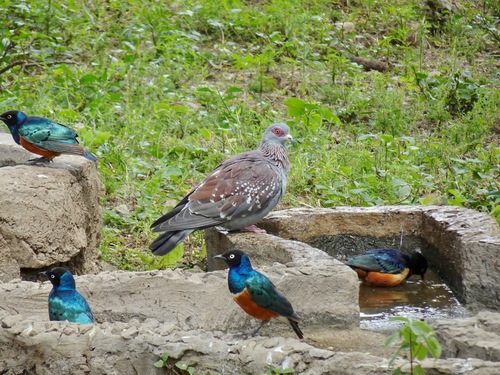
ウロコカワラバト (Columba guinea) ウロコカワラバト
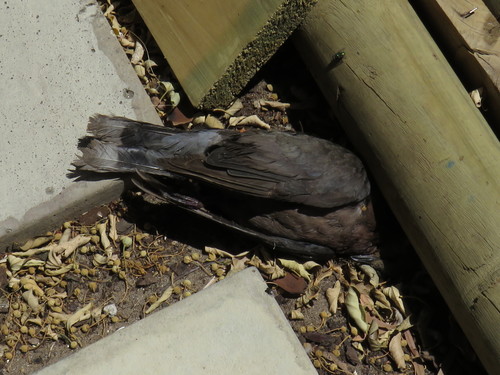
アフリカジュズカケバト (Streptopelia capicola) アフリカジュズカケバト

メディア

読み込み中…

要点

ウロコカワラバトとアフリカジュズカケバトの最も信頼できるフィールドマークは、ウロコカワラバトの赤褐色の翼が白い斑点で重く斑点がついていることで、止まっている時も飛んでいる時も見え、成鳥の目の周りに目立つ赤い裸の皮膚があることです。それに対して、アフリカジュズカケバトは、均一な灰褐色の上面、淡い腹部、特徴的な黒い首のセミカラー(成鳥)を持つ小さく、より細身の鳩ですが、翼に白い斑点や赤い目の斑点は決して見せません。両種の未熟な鳥は混乱を招くことがありますが、ウロコカワラバトの幼鳥は依然としてよりがっしりとした体型を示し、鳩の白い尾の先端やセミカラーが欠けています。サイズ、構造、翼のパターンはすべてフィールドで役立ち、特に距離がある場合や飛行中に役立ちます。

識別のコツ

  1. 白い斑点のある赤褐色の翼(すべての年齢): ウロコカワラバトだけが赤褐色の翼に大胆な白い斑点を示し、止まっている時も飛んでいる時も見えます。アフリカジュズカケバトは翼に白い斑点を決して示しません。
  2. 目の周りの赤い裸の皮膚(成鳥のウロコカワラバト): 成鳥は目立つ赤い目の斑点を持ち、すべてのアフリカジュズカケバトや幼鳥には欠けています。距離がある場合、これは成鳥の鳩にとって決定的な要素となることがあります。
  3. 黒い首のセミカラー(成鳥のアフリカジュズカケバト): 成鳥の鳩は後頸部に明確な黒いハーフカラーを示し、ウロコカワラバトには決して存在しません。幼鳥の鳩はこのマークが欠けているため、若い鳥には注意が必要です。
  4. 尾のパターン(すべての年齢): アフリカジュズカケバトは、特に飛行中やディスプレイ中に目立つ白い先端を持つスレートグレーの尾羽を持っています。ウロコカワラバトは白い先端や対照的なパターンのない平坦な尾を持っています。
  5. サイズと構造: ウロコカワラバトははるかに大きく、がっしりとしており、太い首と頑丈な体を持っています。アフリカジュズカケバトは細身で、全体的に小さいです。これは、鳥が並んで見られる場合や馴染みのある物の近くで見られる場合に利用してください。
  6. くちばしと足: ウロコカワラバトは赤い足と重いくちばしを持っています。アフリカジュズカケバトは暗紫色の足と細い黒いくちばしを持っています。これらは微妙ですが、近距離で役立つことがあります。
  7. 幼鳥の混乱: 幼鳥のウロコカワラバトは赤い目の斑点が欠けていますが、依然として斑点のある翼を示します。幼鳥のアフリカジュズカケバトは成鳥よりも鈍く、セミカラーが欠け、上面と翼の覆い羽にバフの縁があり、どの年齢でも翼の斑点は示しません。
  8. 頭と首の色: ウロコカワラバトは灰色の頭と茶色がかった白いストリークのある首を持っています。アフリカジュズカケバトはピンクがかったラベンダーの後頸部と淡い顔を持ち、ストリークはありません。
  9. 下部: ウロコカワラバトは下部が青灰色です。アフリカジュズカケバトは淡いピンクがかった色合いで、白い下腹部と尾の下部を持っています。
  10. 飛行スタイル: 両種は速く、直接的な飛行を持っていますが、ウロコカワラバトはより重く、より力強く見え、アフリカジュズカケバトは軽く、広げた尾でより多くのディスプレイ飛行を示すことがあります。
  11. 止まる行動: ウロコカワラバトはしばしば平らな表面(屋根、岩)に止まります。アフリカジュズカケバトは枝、ワイヤー、またはフェンスのラインを好みます。
  12. 鳴き声: 鳩の大きく単調な「ドゥードゥー」の声と、鳩のリズミカルで転がる「ウク・カロォー」の声を聞いてください。鳥が隠れているとき、呼び声はしばしば最初の手がかりとなります。
  13. 生息地の文脈: 両種は人の近くに生息しますが、ウロコカワラバトは建物や都市の中心にいる可能性が高いです。アフリカジュズカケバトはより多様で、庭、森林の端、開けた田舎に見られます。
  14. 群れのサイズ: 屋根や穀物畑にいる大きく密集した群れはウロコカワラバトを示唆します。木やワイヤーに散在するペアや小さなグループはアフリカジュズカケバトに典型的です。
  15. 落とし穴: 未熟な鳥は重要な成鳥のマーク(赤い目の斑点、セミカラー)が欠けていることがあるため、翼の斑点(鳩)と尾のパターン(鳩)を最も一貫した手がかりとして頼ってください。

大きさ

ウロコカワラバトはアフリカジュズカケバトよりも大きく、重いです:328 g対153.5 gの体重([wikidata])。鳩はまた、鳩(32–35 cm)に対して鳩(25–26.5 cm)よりも長いです。フィールドでは、ウロコカワラバトはがっしりとしており、頑丈に見え、重い体と太い首を持っているのに対し、アフリカジュズカケバトは明らかに細く、より繊細です。このサイズの違いは、両方が一緒に見られる場合や馴染みのある物の近くで見られる場合にしばしば明らかです。

羽色

行動

ウロコカワラバトはしばしば大きくて騒がしい群れで見られ、特に人間の居住地、穀物倉庫、屋根の周りに生息し、建物や岩の上に目立って止まる傾向があります。その飛行は速く、規則的なビートと時折の鋭いフリックを伴います。アフリカジュズカケバトは通常、単独またはペアで見られますが、食べ物や水の近くで大きな群れを作ることがあります。急上昇する飛行と螺旋状の降下でディスプレイし、しばしば翼と尾を広げ、呼び声や羽音が騒がしいです。両種は開けた生息地でよく見られますが、鳩は木やワイヤーで見られる可能性が高く、鳩は平らな表面を好みます。

生息環境

両種はサハラ以南のアフリカの開けた生息地に広く分布し、人間の居住地の近くで一般的です。ウロコカワラバトは特に都市部、岩の突起、耕作された畑に関連しており、しばしば建物に巣を作ります。アフリカジュズカケバトも町や村に豊富ですが、より広範囲の開けた生息地、サバンナ、森林の端、庭などで見られることが多いです。かなりの重複がありますが、鳩はより都市に適応しています。

声

ウロコカワラバトは大きく繰り返される「ドゥードゥー」という呼び声を出します。アフリカジュズカケバトは、しばしば「ウク・カロォー」と表現される特徴的でリズミカルな三音節の鳴き声を持ち、巣の近くでは長い二音節のダブルクーを出します。鳩の呼び声はより大きく単調で、鳩の呼び声はより音楽的で転がるようです。

より良い説明を送る

比較と同じ項目を使ってください。文章はすぐに公開されます。

The most reliable field mark between Speckled Pigeon and Ring-necked Dove is the Speckled Pigeon's rufous wings heavily speckled with white, visible both perched and in flight, and its prominent red bare skin around the eye in adults. In contrast, Ring-necked Dove is a smaller, more slender dove with uniform grey-brown upperparts, a pale belly, and a distinctive black neck semi-collar (in adults), but never shows white speckling on the wings or red eye patches. Immature birds of both species can be confusing, but the Speckled Pigeon juvenile still shows a bulkier build and lacks the dove's white tail tips and semi-collar. Size, structure, and wing pattern are all helpful in the field, especially at a distance or in flight.

  1. White-speckled rufous wings (all ages): Only Speckled Pigeon shows bold white speckles on rufous wings, visible both perched and in flight. Ring-necked Dove never shows any white speckling on the wings.
  2. Red bare skin around eye (adult Speckled Pigeon): Adults have a prominent red eye patch, absent in all Ring-necked Doves and in juvenile pigeons. At a distance, this can be a clincher for adult pigeons.
  3. Black neck semi-collar (adult Ring-necked Dove): Adult doves show a clear black half-collar on the hindneck, which is never present on Speckled Pigeon. Juvenile doves lack this mark, so beware of young birds.
  4. Tail pattern (all ages): Ring-necked Dove has slate grey tail feathers with conspicuous white tips, especially obvious in flight and display. Speckled Pigeon has a plain tail without white tips or contrasting pattern.
  5. Size and structure: Speckled Pigeon is much larger and bulkier, with a thick neck and robust body. Ring-necked Dove is slim, dainty, and smaller overall. Use this when birds are seen side by side or near familiar objects.
  6. Bill and legs: Speckled Pigeon has red legs and a heavier bill; Ring-necked Dove has dark purple feet and a slender black bill. These are subtle but can help at close range.
  7. Juvenile confusion: Juvenile Speckled Pigeon lacks the red eye patch but still shows speckled wings. Juvenile Ring-necked Dove is duller, lacks the semi-collar, and has buff-edged upperparts, but never shows wing speckles.
  8. Head and neck color: Speckled Pigeon has a grey head and brownish, white-streaked neck; Ring-necked Dove has a pinkish-lavender nape and paler face, with no streaking.
  9. Underparts: Speckled Pigeon is blue-grey below; Ring-necked Dove is paler with a pinkish tinge and a white lower belly and undertail.
  10. Flight style: Both species have quick, direct flight, but Speckled Pigeon appears heavier and more powerful, while Ring-necked Dove is lighter and may show more display flights with spread tail.
  11. Perching behavior: Speckled Pigeon often perches on flat surfaces (roofs, rocks); Ring-necked Dove prefers branches, wires, or fence lines.
  12. Vocalization: Listen for the loud, monotonous 'doo-doo-doo' of the pigeon versus the rhythmic, rolling 'uk-carrroooo' of the dove. Calls are often the first clue when birds are hidden.
  13. Habitat context: Both occur near people, but Speckled Pigeon is more likely on buildings and in urban centers; Ring-necked Dove is more versatile, found in gardens, woodland edges, and open countryside.
  14. Flock size: Large, dense flocks on rooftops or grain fields suggest Speckled Pigeon; scattered pairs or small groups in trees or on wires are more typical of Ring-necked Dove.
  15. Pitfalls: Immature birds can lack key adult marks (red eye patch, semi-collar), so rely on wing speckling (pigeon) and tail pattern (dove) as your most consistent clues.

Speckled Pigeon is significantly larger and heavier than Ring-necked Dove: 328 g vs 153.5 g in body mass ([wikidata]). The pigeon is also longer (32–35 cm) compared to the dove (25–26.5 cm). In the field, Speckled Pigeon appears bulkier and more robust, with a heavier body and thicker neck, while Ring-necked Dove is noticeably slimmer and more delicate. This size difference is often obvious when both are seen together or near familiar objects.

  • Juveniles/immatures: Juvenile Speckled Pigeon is browner than the adult and lacks the red eye patch, but still shows the characteristic white speckling on rufous wings. Juvenile Ring-necked Dove is duller than adult, lacks the black neck semi-collar, and has buff edges to upperparts and wing coverts, with underparts broadly edged greyish-white. No white speckling on wings at any age.
  • Adults: Adult Speckled Pigeon is blue-grey with rufous, heavily white-speckled wings, a grey head with red bare skin around the eye, brownish neck streaked white, and red legs. Ring-necked Dove adult is grey-brown above with a pinkish-lavender nape, paler below with a white lower belly and undertail, and a conspicuous black semi-collar on the hindneck. The dove's tail is slate grey with white tips, especially obvious in flight. Speckled Pigeon lacks any neck collar or tail tip pattern.

Speckled Pigeon is often seen in large, noisy flocks, especially around human habitation, grain stores, and rooftops, and tends to perch conspicuously on buildings or rocks. Its flight is quick with regular beats and occasional sharp flicks. Ring-necked Dove is usually found singly or in pairs, but can gather in large flocks at food or water. It displays with a steep upward flight and spiraling descent, often spreading wings and tail, and is noisy both in calls and in the clatter of wings when flushed. Both species are familiar in open habitats, but the dove is more likely to be seen in trees or on wires, while the pigeon prefers flat surfaces.

Both species are widespread in open habitats of sub-Saharan Africa and are common near human settlements. Speckled Pigeon is especially associated with urban areas, rocky outcrops, and cultivated fields, often nesting on buildings. Ring-necked Dove is also abundant in towns and villages, but is more often found in a wider range of open habitats, including savanna, woodland edges, and gardens. There is considerable overlap, but the pigeon is more urban-adapted.

Speckled Pigeon gives a loud, repeated 'doo-doo-doo' call. Ring-necked Dove has a distinctive, rhythmic three-syllable crooning, often rendered as 'uk-carrroooo', and a double coo with a long second syllable when near the nest. The dove's call is more musical and rolling, while the pigeon's is louder and more monotonous.

変更を破棄しますか?

保存していない編集があります。今離れると失われます。

ウロコカワラバト · アフリカジュズカケバト · 苦手な鳥