

Motmot

ウロコカワラバト 対 アカメジュズカケバト

Columba guinea 対 Streptopelia semitorquata

ウロコカワラバトとアカメジュズカケバトのクイズ
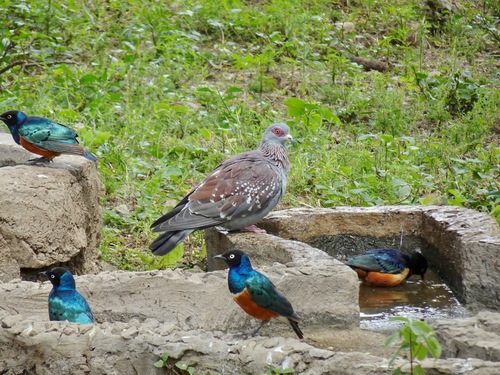
ウロコカワラバト (Columba guinea) ウロコカワラバト
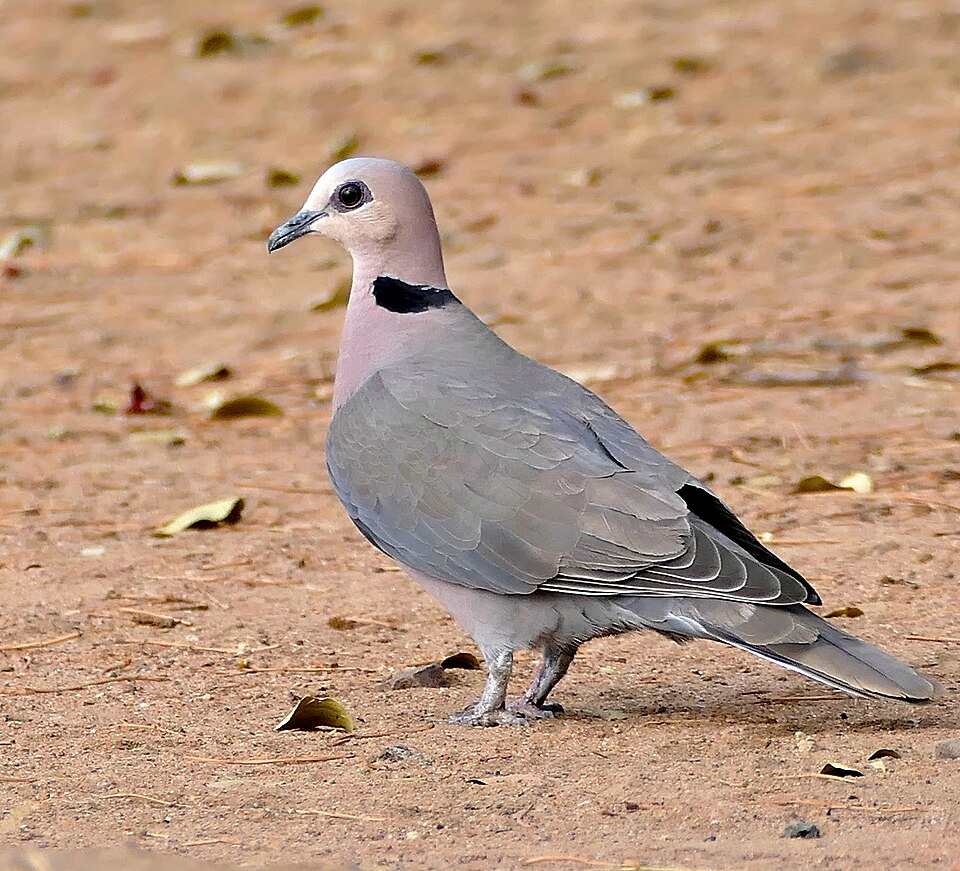
アカメジュズカケバト (Streptopelia semitorquata) アカメジュズカケバト

メディア

読み込み中…

要点

ウロコカワラバトとアカメジュズカケバトの最も信頼できるフィールドマークは、ウロコカワラバトの赤褐色の翼に広がる白い斑点であり、アカメジュズカケバトにはこの特徴は見られません。両種は中型から大型のハトですが、ウロコカワラバトはより重く、がっしりとした体型をしています。すべての羽色において、ウロコカワラバトは赤褐色と青灰色のトーンの際立った組み合わせを示し、目立つ白い斑点がありますが、アカメジュズカケバトはより控えめで、薄いピンク色の胸と首に特徴的な黒いハーフカラーがあります。両種の幼鳥はより鈍く、茶色がかっていますが、ウロコカワラバトの翼の斑点は強い手がかりとなります。両種は人間の居住地の近くに出現することがありますが、アカメジュズカケバトは森林や河川の生息地により関連しています。

識別のコツ

  1. 赤褐色の翼の白い斑点(すべての年齢): ウロコカワラバトは常に赤褐色の翼に目立つ白い斑点を示し、飛行中または休息中に簡単に見えます;アカメジュズカケバトは翼の斑点を示しません。
  2. 赤褐色と灰褐色の上面: ウロコカワラバトは赤褐色の背中と翼を持ち、アカメジュズカケバトはより均一に灰褐色です。
  3. 目の周りの赤い裸の皮膚: 成熟したウロコカワラバトは目の周りに大きく目立つ赤い裸の皮膚の斑点があります;アカメジュズカケバトは紫がかった赤い眼窩の皮膚を持ちますが、はるかに広がりは少なく、虹彩は赤、オレンジ、または黄色がかっています。
  4. 首の黒いハーフカラー: アカメジュズカケバトは首の側面に黒いハーフカラーを示します(成鳥)、これはウロコカワラバトには存在しません。
  5. 首の縞模様とカラー: ウロコカワラバトは白い縞模様のある茶色がかった首を持ちます;アカメジュズカケバトの首は薄いピンク色で黒いカラーがあり、縞模様はありません。
  6. 胸の色: アカメジュズカケバトは濃い薄いピンク色からワインレッドの胸と腹部を持ちます;ウロコカワラバトは下側が青灰色です。
  7. サイズと体型: ウロコカワラバトはより重く、がっしりとしています(328g対235g)、より頑丈な体と重いくちばしを持ちます;アカメジュズカケバトはスリムでより流線型です。
  8. 足の色: 両者とも赤褐色または紫がかった赤の足を持ち、信頼できる診断にはなりません。
  9. 幼鳥の混乱: 幼いウロコカワラバトはより茶色がかり、赤い目の斑点がなくても翼の斑点を示します;幼いアカメジュズカケバトは鈍く、茶色がかりですが、翼の斑点や赤い目の斑点は決してありません。
  10. 生息地の文脈: ウロコカワラバトはしばしば開けた、都市的、または農業的な環境におり、時には大きな群れで;アカメジュズカケバトはより森林や河川の地域にいることが多く、通常は単独またはペアでいます。
  11. 飛行の特徴: 両者ともに速く、直接的な飛行をし、鋭い翼のひらひらを伴いますが、ウロコカワラバトは空中でより重く、広い翼を持っているように見えることがあります。
  12. 止まり方: ウロコカワラバトはしばしば屋根、 ledges、または露出した岩の上に止まります;アカメジュズカケバトは木の枝を好みます。
  13. 声: ウロコカワラバトの鳴き声だけが記載されています('doo-doo-doo');両者を区別するために音声に頼らないでください、両者に慣れている場合を除いて。
  14. 群れのサイズ: 大きな群れはウロコカワラバトを示唆します;森林の生息地にいる孤独またはペアの鳥はアカメジュズカケバトを示唆します。
  15. 季節/性別: 両者の性別は似ています;上記のすべてのフィールドマークは年間を通じて適用されます。

大きさ

ウロコカワラバトは明らかに重く(328g対235g)やや長い(32–35 cm対30 cm)ため、よりがっしりとした、頑丈な外観を持っています。アカメジュズカケバトは、ハトとしてはまだ大きいですが、スリムでより細身です。直接比較すると、ウロコカワラバトは体が大きく、くちばしが重いように見え、アカメジュズカケバトはより流線型です。このサイズの違いは、両種が一緒に見られるときに最も明らかですが、距離がある場合や孤立している場合には微妙かもしれません。

羽色

両種の幼鳥と未熟な鳥は成鳥よりも鈍く、茶色がかっていますが、ウロコカワラバトは常に赤褐色の翼に白い斑点を示し、若い鳥でもこのパターンを持っていますが、アカメジュズカケバトはこのパターンを持ちません。成鳥のウロコカワラバトは全体的に青灰色で、赤褐色の背中と翼に白い斑点があり、目の周りに目立つ赤い裸の皮膚があり、茶色がかった白い縞模様のある首を持っています。アカメジュズカケバトの成鳥は薄い青灰色の額、暗い冠、暗い薄いピンク色からワインレッドの首と胸、灰褐色の上面、黒い一次羽、首に黒いハーフカラーを持っています。虹彩と眼窩の皮膚は両者とも赤または紫がかっていますが、ウロコカワラバトの赤い目の斑点はより広範で裸であり、アカメジュズカケバトのものはより制限されており、黒い首のカラーが伴います。両者の幼鳥は鈍いですが、ウロコカワラバトの未熟な鳥は赤い目の斑点がなくても翼の斑点を示し、アカメジュズカケバトの幼鳥は茶色がかり、成鳥の色の鮮やかさがなく、決して翼の斑点を示しません。

行動

両種は、通常のビートと時折の鋭い翼のひらひらを伴う速く、直接的な飛行を持っています。ウロコカワラバトは特に穀物が利用可能な場所で大きな群れで見られることが多く、人間の居住地や都市の構造の周りで頻繁に見られます。アカメジュズカケバトはあまり群れを作らず、通常は単独またはペアで見られ、より森林や河川の環境で木の中や地面で餌を取る傾向があります。両者ともに枝を使って巣を作りますが、ウロコカワラバトは岩の突起や都市の ledges を好み、アカメジュズカケバトは木に巣を作ります。

生息環境

ウロコカワラバトはサハラ以南のアフリカの開けた生息地に広く分布し、人間の居住地、耕作地、都市地域の近くにしばしば見られます。密な森林や林の中ではめったに見られません。アカメジュズカケバトもサハラ以南のアフリカに広く分布していますが、河川の近くの森林、林の端により一般的に見られ、開けたまたは都市化が進んだ地域ではあまり見られません。両者ともに人々の近くに出現することがありますが、ウロコカワラバトはより都市に適応しており、アカメジュズカケバトはより森林や河川の生息地に典型的です。

声

ウロコカワラバトは大きく、繰り返しのある「doo-doo-doo」という鳴き声を出します。アカメジュズカケバトの鳴き声は提供されたメモには記載されていないため、利用可能な情報では両者の間で音声による診断は信頼できません。

より良い説明を送る

比較と同じ項目を使ってください。文章はすぐに公開されます。

The most reliable field mark between Speckled Pigeon and Red-eyed Dove is the extensive white speckling on the rufous wings of the Speckled Pigeon, which is never matched by the Red-eyed Dove. Both species are medium-large pigeons, but Speckled Pigeon is heavier and bulkier, with a more robust build. In all plumages, Speckled Pigeon shows a striking combination of rufous and blue-grey tones with prominent white spots, while Red-eyed Dove is more subdued, with a mauve-pink breast and a distinctive black half-collar on the neck. Immature birds of both species are duller and browner, but the wing speckling of Speckled Pigeon remains a strong clue. Both species can occur near human habitation, but Red-eyed Dove is more associated with wooded or riparian habitats.

  1. White speckling on rufous wings (all ages): Speckled Pigeon always shows prominent white spots on the rufous wings, easily visible in flight or at rest; Red-eyed Dove never shows any wing speckling.
  2. Rufous vs greyish-brown upperparts: Speckled Pigeon has rufous back and wings, while Red-eyed Dove is more uniformly greyish-brown above.
  3. Red bare skin around eye: Adult Speckled Pigeon has a large, conspicuous red patch of bare skin around the eye; Red-eyed Dove has purplish-red orbital skin but much less extensive, and the iris can be red, orange, or yellowish.
  4. Black half-collar on neck: Red-eyed Dove shows a black half-collar on the sides of the neck (adults), which is never present on Speckled Pigeon.
  5. Neck streaking vs collar: Speckled Pigeon has a brownish neck streaked with white; Red-eyed Dove's neck is mauve-pink with a black collar, no streaking.
  6. Breast color: Red-eyed Dove has a dark mauve-pink to wine-red breast and underparts; Speckled Pigeon is blue-grey below.
  7. Size and build: Speckled Pigeon is heavier and bulkier (328g vs 235g), with a more robust body and heavier bill; Red-eyed Dove is slimmer and more streamlined.
  8. Leg color: Both have reddish or purplish-red legs, not reliably diagnostic.
  9. Juvenile confusion: Immature Speckled Pigeons are browner and lack the red eye patch but still show wing speckling; juvenile Red-eyed Doves are duller and browner but never have wing spots or a red eye patch.
  10. Habitat context: Speckled Pigeon is often in open, urban, or agricultural settings, sometimes in large flocks; Red-eyed Dove is more often in wooded or riparian areas, usually alone or in pairs.
  11. Flight jizz: Both have fast, direct flight with sharp wing flicks, but Speckled Pigeon may appear heavier and broader-winged in the air.
  12. Perched posture: Speckled Pigeon often perches on roofs, ledges, or exposed rocks; Red-eyed Dove prefers tree branches.
  13. Voice: Only Speckled Pigeon's call is described ('doo-doo-doo'); do not rely on vocalization for separation unless familiar with both.
  14. Group size: Large flocks suggest Speckled Pigeon; solitary or paired birds in wooded habitat suggest Red-eyed Dove.
  15. Season/sex: Sexes are similar in both; all field marks above apply year-round.

Speckled Pigeon is noticeably heavier (328g vs 235g) and slightly longer (32–35 cm vs 30 cm) than Red-eyed Dove, giving it a bulkier, more robust appearance. Red-eyed Dove, while still large for a dove, is slimmer and less stocky. In direct comparison, Speckled Pigeon appears larger-bodied and heavier-billed, while Red-eyed Dove is more streamlined. This size difference is most apparent when both species are seen together, but can be subtle at a distance or in isolation.

Juvenile and immature birds of both species are duller and browner than adults, but the Speckled Pigeon always shows white speckling on the rufous wings, even in young birds, while Red-eyed Dove never has this pattern. Adult Speckled Pigeon is blue-grey overall with rufous back and wings covered in white spots, a grey head with conspicuous red bare skin around the eye, and a brownish, white-streaked neck. Red-eyed Dove adults have a pale bluish-grey forehead, darker crown, dark mauve-pink to wine-red neck and breast, greyish-brown upperparts, black primaries, and a black half-collar on the neck. The iris and orbital skin are reddish or purplish in both, but the red eye patch of Speckled Pigeon is more extensive and bare, while Red-eyed Dove's is more restricted and accompanied by a black neck collar. Juveniles of both are duller, but Speckled Pigeon immatures lack the red eye patch but still show wing speckling; Red-eyed Dove juveniles are browner and lack the sharpness of adult colors, but never show wing spots.

Both species have a quick, direct flight with regular beats and occasional sharp wing flicks typical of pigeons. Speckled Pigeon is often seen in large flocks, especially where grain is available, and is frequently found around human habitation and urban structures. Red-eyed Dove is less gregarious, usually seen alone or in pairs, and tends to feed in trees or on the ground in more wooded or riparian settings. Both build stick nests, but Speckled Pigeon prefers rocky outcrops or urban ledges, while Red-eyed Dove nests in trees.

Speckled Pigeon is widespread in open habitats across sub-Saharan Africa, often near human habitation, cultivated fields, and urban areas. It is rarely found in dense woodland or forest. Red-eyed Dove is also widespread in sub-Saharan Africa but is more commonly found in forests near rivers, woodland edges, and less often in open or heavily urbanized areas. While both can occur in proximity to people, Speckled Pigeon is more urban-adapted, and Red-eyed Dove is more typical of wooded or riparian habitats.

Speckled Pigeon gives a loud, repetitive 'doo-doo-doo' call. Red-eyed Dove's call is not described in the provided notes, so vocalization is not reliably diagnostic between these two with the available information.

変更を破棄しますか?

保存していない編集があります。今離れると失われます。

ウロコカワラバト · アカメジュズカケバト · 苦手な鳥