

Motmot

ハイイロミズナギドリ 対 ヨーロッパミズナギドリ

Ardenna grisea 対 Puffinus mauretanicus

ハイイロミズナギドリとヨーロッパミズナギドリのクイズ
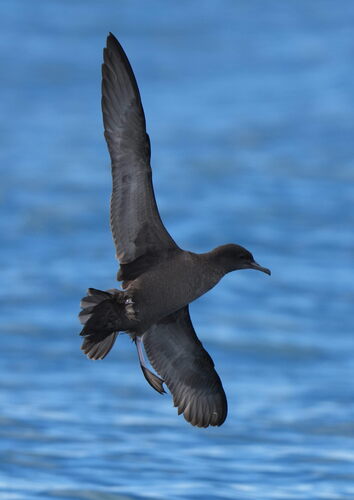
ハイイロミズナギドリ (Ardenna grisea) ハイイロミズナギドリ
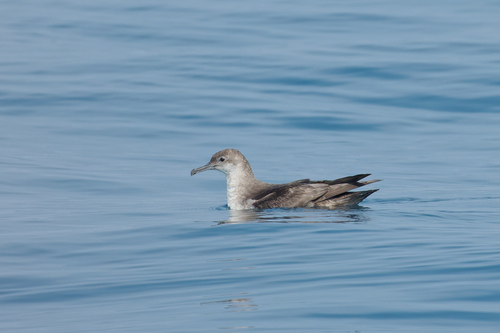
ヨーロッパミズナギドリ (Puffinus mauretanicus) ヨーロッパミズナギドリ

メディア

読み込み中…

要点

ハイイロミズナギドリとヨーロッパミズナギドリを区別する最も信頼できるフィールドマークは、全体の暗さとハイイロミズナギドリに見られる銀色のアンダーウィングパネルの存在です。ヨーロッパミズナギドリは、より対照的で二色の外観を持っています。ハイイロミズナギドリは、ほとんどの光の中で均一に暗い茶色からほぼ黒に見え、アンダーウィングにはわずかな銀色のストライプしかありませんが、ヨーロッパは明らかに下側が淡く、汚れた白い腹部と暗い上面との間に鋭いコントラストがあります。飛行中、ハイイロミズナギドリは、硬くてまっすぐな翼を持つ小さなアルバトロスのように見え、強力で直接的な飛行をしますが、ヨーロッパは翼を直角に保ち、バンクする際により対照的な羽毛を示す、よりクラシックな「飛ぶ十字架」の外観を持っています。サイズも手がかりです:ハイイロミズナギドリはヨーロッパミズナギドリよりも明らかに大きく、翼が長いです。もし、全体が暗いミズナギドリを見て、アンダーウィングのコントラストがわずかであれば、特に大西洋では、ほぼ確実にハイイロミズナギドリです。明確な暗い上面と淡い腹部を持つ鳥はヨーロッパです。

識別のコツ

  1. Overall darkness: ハイイロミズナギドリは均一に暗い茶色から黒っぽい上面と下面を持ち、わずかな銀色のアンダーウィングパネルしかありません。ヨーロッパは常に暗い上面と淡く汚れた白い腹部との間に強いコントラストを示します。これはすべての年齢と季節において最も信頼できるフィールドマークです。
  2. Underwing pattern: ハイイロミズナギドリはアンダーウィングの中心に銀色のストライプがありますが、アンダーウィングの残りは暗いです。ヨーロッパのアンダーウィングカバーは淡く、腹部と一致し、飛行中により対照的な外観を作り出します。もし、暗い縁のある淡いアンダーウィングを見たら、それはヨーロッパです。アンダーウィングがほとんど暗く、銀色のパネルだけがある場合、それはハイイロミズナギドリです。
  3. Flight style and jizz: ハイイロミズナギドリは硬くてまっすぐな翼を持ち、強力で直接的な飛行をします。しばしば小さなアルバトロスのように見えます。ヨーロッパの飛行はより浮遊感があり、翼を直角に保ち、上面と下面のコントラストを見せるためにバンクすることがよくあります。
  4. Size: ハイイロミズナギドリはヨーロッパミズナギドリよりも明らかに大きく、翼が長いです。もし一緒に見たり、他のミズナギドリの中で見たりした場合、ハイイロミズナギドリはより大きく、頑丈に見えます。
  5. Plumage in poor light: ハイイロミズナギドリは鈍い条件下で全体が黒く見えることがありますが、これはヨーロッパには当てはまりません。ヨーロッパは常に何らかの腹部のコントラストを示します。
  6. Plumage in good light: 明るい条件下では、ハイイロミズナギドリのチョコレートブラウンのトーンと銀色のアンダーウィングストライプが見え、ヨーロッパの淡い腹部とアンダーウィングカバーが明らかになります。
  7. Age and molt: どちらの種にも特有の幼鳥や未成熟の上翼パターンは記載されていないため、年齢は主な区別マークに影響しません。
  8. Habitat and range: 大西洋では、大きな全暗いミズナギドリはほぼ確実にハイイロミズナギドリであり、ヨーロッパは小さく、常に二色です。地中海では、ヨーロッパが期待される種ですが、ハイイロミズナギドリは稀な迷鳥として発生することがあります。
  9. Group association: ハイイロミズナギドリは特に移動中に大きく密集した群れで見られることが多いですが、ヨーロッパはより小さな群れや単独で見られることが多いです。
  10. Confusion with other species: ハイイロミズナギドリは太平洋の他の大きな暗いミズナギドリと混同されることがありますが、大西洋では、ヨーロッパだけが遠くで混乱を引き起こす可能性があります。鍵は腹部のコントラストです。
  11. Bill and head shape: ノートには診断的な記載はありません。羽毛とサイズに焦点を当ててください。
  12. Tail and primary projection: 診断的な記載はありません。どちらも典型的なミズナギドリの比率を持っています。
  13. Voice: 海では役に立たない。どちらも繁殖コロニーから離れると静かです。
  14. Seasonal context: ハイイロミズナギドリは主に北大西洋において北の夏と秋に存在します。ヨーロッパは地中海と隣接する大西洋に年間を通じて存在します。
  15. When in doubt: もし腹部のコントラストが見えず、鳥が全暗に見える場合はハイイロミズナギドリを優先してください。明確な淡い腹部とアンダーウィングが見える場合はヨーロッパです。

大きさ

ハイイロミズナギドリは明らかに大きく、長さは40〜51 cm、翼幅は94〜110 cmです [wikipedia]。ヨーロッパミズナギドリは小さく、長さは34〜39 cm、翼幅は78〜90 cmです [wikipedia]。このサイズの違いは、直接比較や混合群れの中で見たときにしばしば見られ、ハイイロミズナギドリは全体的に翼が長く、頑丈に見えます。

羽色

すべての年齢において、ハイイロミズナギドリは全体が暗いチョコレートブラウンからほぼ黒で、アンダーウィングの中心に特徴的な銀色のストライプがあります。鈍い光の中では完全に黒っぽく見えることがありますが、アンダーウィングパネルは通常、良好な条件下で見えます。対照的に、ヨーロッパミズナギドリは常に強い二色効果を示します:暗い茶色の上面と、はるかに淡い汚れた白い腹部、アンダーウィングカバーを含みます。このコントラストは特に飛行中に明らかで、ヨーロッパのアンダーウィングと腹部が暗い上面に対して淡くフラッシュします。ハイイロミズナギドリはこのレベルのコントラストを下に示すことはありません。どちらの種にも年齢特有の上翼パターンは記載されていませんが、ハイイロミズナギドリの全体の暗さ(わずかな銀色のアンダーウィングを持つ)は年齢を問わず一貫しており、ヨーロッパの淡い腹部はすべての羽毛に存在します。鈍い光や遠くから見ると、ハイイロミズナギドリは全暗に見えることがありますが、これはヨーロッパには当てはまりません。

行動

両種は、硬くてわずかにアーチした翼を持ち、少ない翼拍で水面を低く滑空する典型的な「シアリング」飛行スタイルを共有しています。しかし、ハイイロミズナギドリはより強力で直接的な飛行を持ち、小さなアルバトロスの印象を与えることが多く、翼は硬くまっすぐに保たれます。ヨーロッパミズナギドリは、体に対して翼が直角に保たれ、バンクする飛行が腹部のコントラストを強調するため、より飛ぶ十字架のように見えます。両種は左右に傾きますが、ハイイロミズナギドリはしばしばより安定して目的意識を持っているように見え、ヨーロッパはより浮遊感があり、力強さが少ないように見えることがあります。

生息環境

ハイイロミズナギドリは世界的な移動性のある鳥で、南の海で繁殖し、太平洋と大西洋の両方に広く分布し、大きな群れで沖合で見られることが多いです。ヨーロッパミズナギドリははるかに局所的で、バレアレス諸島でのみ繁殖し、主に西地中海と近くの大西洋で餌を探します。大西洋では、ハイイロミズナギドリは唯一の大きな全暗いミズナギドリであり、ヨーロッパは北東大西洋と地中海に制限されています。文脈が役立つことがあります:北大西洋の沖合で大きな暗いミズナギドリはおそらくハイイロミズナギドリであり、西地中海やイベリア近くの小さな二色の鳥はおそらくヨーロッパです。

声

両種は海ではほとんど静かです。ハイイロミズナギドリは繁殖地で夜に声を出し、大きなクーやクロークを発しますが、これらは海では聞こえません。ヨーロッパミズナギドリの声は、海の観察文脈でのフィールドノートには記載されていません。声は海でこれらの種を区別するのに役立ちません。

より良い説明を送る

比較と同じ項目を使ってください。文章はすぐに公開されます。

The most reliable field mark to separate Sooty Shearwater from Balearic Shearwater is the overall darkness and the presence of a silvery underwing panel in Sooty, compared to the more contrasting, two-toned appearance of Balearic. Sooty Shearwater appears uniformly dark brown to nearly black in most lights, with only a subtle silvery stripe on the underwing, while Balearic is distinctly paler below, with dirty white underparts and a sharp contrast with the dark upperparts. In flight, Sooty looks like a small albatross with stiff, straight wings and a powerful, direct flight, whereas Balearic shows a more classic 'flying cross' look, with wings held at right angles and a more contrasting plumage as it banks. Size is also a clue: Sooty is noticeably larger and longer-winged than Balearic. If you see an all-dark shearwater with only a faint underwing contrast, especially in the Atlantic, it's almost certainly a Sooty; a bird with clear dark upperparts and pale underparts is Balearic.

  1. Overall darkness: Sooty Shearwater is uniformly dark brown to blackish above and below, with only a subtle silvery underwing panel; Balearic always shows a strong contrast between dark upperparts and pale, dirty white underparts. This is the single most reliable field mark for all ages and seasons.
  2. Underwing pattern: Sooty has a silvery stripe along the center of the underwing, but the rest of the underwing is dark; Balearic's underwing coverts are pale, matching the belly, and create a much more contrasting look in flight. If you see a pale underwing with a dark border, it's Balearic; if the underwing is mostly dark with just a silvery panel, it's Sooty.
  3. Flight style and jizz: Sooty flies with stiff, straight wings and a powerful, direct flight, often looking like a small albatross. Balearic's flight is more buoyant, with wings held at right angles, and it often banks to show off the contrast between upper and underparts.
  4. Size: Sooty is noticeably larger and longer-winged than Balearic. If seen together or among other shearwaters, Sooty stands out as bulkier and more robust.
  5. Plumage in poor light: Sooty can appear all-black in dull conditions, which is never true for Balearic, which always shows some underpart contrast.
  6. Plumage in good light: In bright conditions, Sooty's chocolate-brown tones and silvery underwing stripe become visible, while Balearic's pale underparts and underwing coverts are obvious.
  7. Age and molt: No distinctive juvenile or immature upperwing patterns are described for either species, so age does not affect the main separation marks.
  8. Habitat and range: In the Atlantic, a large, all-dark shearwater is almost certainly Sooty, as Balearic is smaller and always two-toned. In the Mediterranean, Balearic is the expected species, but Sooty can occur as a rare vagrant.
  9. Group association: Sooty often occurs in large, dense flocks, especially during migration; Balearic is more often seen in smaller groups or singly.
  10. Confusion with other species: Sooty can be confused with other large, dark shearwaters in the Pacific, but in the Atlantic, only Balearic is likely to cause confusion at range. The key is the underpart contrast.
  11. Bill and head shape: Not described as diagnostic in the notes; focus on plumage and size.
  12. Tail and primary projection: Not described as diagnostic; both have typical shearwater proportions.
  13. Voice: Not useful at sea; both are silent away from breeding colonies.
  14. Seasonal context: Sooty is present in the North Atlantic mainly in the northern summer and autumn; Balearic is present year-round in the Mediterranean and adjacent Atlantic.
  15. When in doubt: If you cannot see underpart contrast and the bird looks all-dark, favor Sooty; if you see a clear pale belly and underwing, it's Balearic.

Sooty Shearwater is significantly larger, measuring 40–51 cm in length with a wingspan of 94–110 cm [wikipedia]. Balearic Shearwater is smaller, at 34–39 cm long and a wingspan of 78–90 cm [wikipedia]. This size difference is often visible in direct comparison or when seen among mixed flocks, with Sooty appearing longer-winged and bulkier overall.

For all ages, Sooty Shearwater is dark chocolate-brown to nearly black overall, with a distinctive silvery stripe running along the center of the underwing. In dull light, it can look entirely blackish, but the underwing panel is usually visible in good conditions. Balearic Shearwater, by contrast, always shows a strong two-toned effect: dark brown upperparts and much paler, dirty white underparts, including the underwing coverts. This contrast is especially obvious in flight, as Balearic's underwing and belly flash pale against the dark upperparts. Sooty never shows this level of contrast below. No age-specific upperwing patterns are noted for either species, but the overall darkness of Sooty (with only the subtle silvery underwing) is consistent across ages, while Balearic's pale underparts are present in all plumages. In poor light or at great distance, Sooty can appear all-dark, which is never true for Balearic.

Both species share the typical 'shearing' flight style of the genus, gliding low over the water with stiff, slightly arched wings and few wingbeats. Sooty Shearwater, however, has a more powerful and direct flight, often giving the impression of a small albatross, with wings held stiff and straight. Balearic Shearwater tends to look more like a flying cross, with wings at right angles to the body, and its banking flight accentuates the underpart contrast. Both species dip from side to side, but Sooty often appears steadier and more purposeful, while Balearic may look more buoyant and less forceful.

Sooty Shearwater is a global migrant, breeding in the southern oceans and ranging widely into both the Pacific and Atlantic, often seen far offshore in large flocks. Balearic Shearwater is much more localized, breeding only in the Balearic Islands and foraging mainly in the western Mediterranean and nearby Atlantic. In the Atlantic, Sooty is the only large, all-dark shearwater, while Balearic is restricted to the northeast Atlantic and Mediterranean. Context can help: a large, dark shearwater far offshore in the North Atlantic is likely Sooty, while a smaller, two-toned bird in the western Med or near Iberia is likely Balearic.

Both species are mostly silent at sea. Sooty Shearwater is vocal at night on breeding grounds, producing loud coos and croaks, but these are not heard at sea. Balearic Shearwater's voice is not described in the field notes for sea-watching contexts. Vocalizations are not useful for separating these species at sea.

変更を破棄しますか?

保存していない編集があります。今離れると失われます。

ハイイロミズナギドリ · ヨーロッパミズナギドリ · 苦手な鳥