

Motmot

アカエリバト 対 シロボウシバト

Patagioenas squamosa 対 Patagioenas leucocephala

アカエリバトとシロボウシバトのクイズ
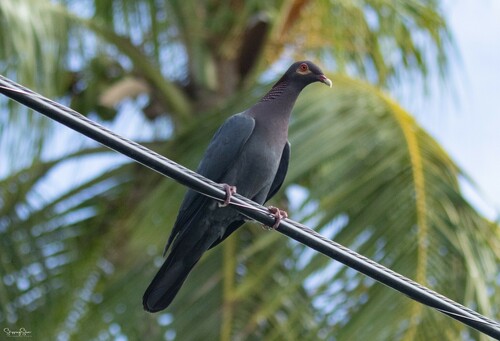
アカエリバト (Patagioenas squamosa) アカエリバト
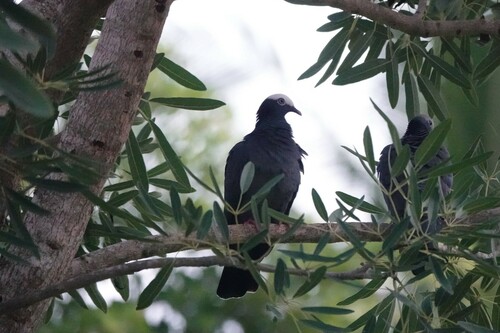
シロボウシバト (Patagioenas leucocephala) シロボウシバト

メディア

読み込み中…

要点

アカエリバトとシロボウシバトを区別する最も信頼できるフィールドマークは、白い冠の有無です:成鳥のシロボウシバトは常に明確な淡いまたは白い冠の斑点を示しますが、アカエリバトは決して示しません。幼鳥のシロボウシバトは完全な白い冠を欠いていますが、アカエリバトよりも頭が淡いです。アカエリバトは、代わりに首の後ろに鱗状の模様を示します。飛んでいるときや止まっているときは、アカエリバトの鱗状のマルーン色の首の後ろと赤い目の皮膚を探してください。対して、シロボウシバトは滑らかで暗い羽毛と白い冠を持っています。両種は大きくて暗いカリブの鳩ですが、アカエリバトはよりがっしりとしていて、より頑丈な体型と重いくちばしを持っています。生息地の重複は可能ですが、シロボウシバトはマングローブや沿岸地域を好み、アカエリバトはより内陸または乾燥した森林に生息することが多いです。

識別のコツ

  1. 白い冠の斑点(成鳥): 成鳥のシロボウシバトだけが明確な白または灰白色の冠を示します;アカエリバトは年齢に関係なく白い冠を持ちません。これは最も信頼できるフィールドマークです。
  2. 幼鳥の頭の模様: 幼鳥のシロボウシバトは完全な白い冠を欠いていますが、淡い冠の羽毛がいくつかある平坦な灰褐色の頭を持っています;幼鳥のアカエリバトはマルーン色の首と鱗状の首の後ろを持ち、決して淡い冠を持ちません。
  3. 首の後ろの模様: すべての年齢のアカエリバトは首の後ろに鱗状の模様を示し、淡い羽毛の縁が見えます;シロボウシバトは滑らかな首の後ろを持ち、鱗状の質感はありません。
  4. 首の色: アカエリバトは首の周りにマルーンまたは赤みがかった色合いを持ち、特に首の後ろに顕著です;シロボウシバトは均一に暗いスレートから黒っぽく、良い光の中では微妙な虹色の襟だけを持っています。
  5. 目の皮膚と虹彩: アカエリバトは目の周りに裸の皮膚の斑点を持っています(オスは赤、メスは黄色がかっています);シロボウシバトは白い虹彩(成鳥)を持ち、目の皮膚は目立たない裸の部分がありません。
  6. くちばしの色: アカエリバトはくちばしの基部が赤で、先端が淡いです;シロボウシバトは赤いくちばしを持ち、先端が淡いですが、これはあまり頑丈ではなく、全体的にくちばしはスリムに見えます。
  7. 足の色: 両種は赤みがかった足を持っていますが、アカエリバトの方が頑丈で、くちばしの基部と一致します。
  8. 体の形: アカエリバトはがっしりとしていて、首が太く、体型が重いです;シロボウシバトはスリムで、尾が長く、より四角い形をしており、あまりずんぐりした印象はありません。
  9. 飛行プロファイル: シロボウシバトは飛行中により流線型に見え、尾が長く、首があまり目立ちません;アカエリバトはより重く、コンパクトに見えます。
  10. 羽毛の光沢: シロボウシバトの虹色の襟は強い光の中でのみ見え、フィールドマークとしてはあまり役に立ちません;アカエリバトはこの特徴を欠いています。
  11. 生息地の文脈: マングローブや沿岸の島々、特にフロリダではシロボウシバトを期待してください;内陸の熱帯雨林や乾燥した森林、特に集落の近くではアカエリバトを期待してください。
  12. 群れの行動: アカエリバトはより孤独または小さな群れで見られることが多く、時には他の鳩と混ざることもあります;シロボウシバトは果実を実らせる木の近くで特にペアまたは小さな群れで見られることが多いです。
  13. 声: 聞こえた場合、シロボウシバトは深いクー・クー・クーを出します;アカエリバトの鳴き声はあまり特徴的ではなく、信頼できる区別にはなりません。
  14. 性差: メスのシロボウシバトはオスの明るい白に比べて鈍い灰白色の冠を持っています;メスのアカエリバトは目の皮膚がより黄色がかっているかもしれませんが、その他はオスと似ています。
  15. 落とし穴: 幼いシロボウシバトは白い冠がないためにアカエリバトと混同されることがありますが、常に鱗状の首の後ろとマルーン色の首の洗いを欠いています。アカエリバトは年齢に関係なく、決して淡いまたは白い冠を示しません。

大きさ

アカエリバトは著しく重く(体重約312 g)で、一般的にシロボウシバトよりもがっしりとしていて頑丈に見えます。シロボウシバトはスリムでずんぐりしていません(シロボウシバトの体重は最大301 gですが、通常は軽いです)。両者は長さが似ています(アカエリバト:14–16インチ;シロボウシバト:11–14インチ)ですが、シロボウシバトは比較的長く、より四角い尾を持ち、ずんぐりした印象は少ないです。直接比較では、アカエリバトはより大きな体型と太い首に見えることが期待されます、特に止まっているときに。

羽色

行動

両種は警戒心が強く、すぐに飛び立ちますが、アカエリバトはより孤独または小さな群れで見られることが多く、時には他の鳩と混ざることもあります。シロボウシバトは通常、果実を実らせる木やマングローブの近くでペアまたは小さな群れで見られます。両者は果物や種子を食べ、高い木の上で食べることが多いですが、シロボウシバトはマングローブや沿岸の環境で遭遇する可能性が高く、時には餌場と巣作りの場所の間を長距離移動します。

生息環境

アカエリバトは熱帯雨林や乾燥した低地の森林を好み、カリブ全体で人間の集落の近くで地元で一般的です(ジャマイカとバハマを除く)。シロボウシバトは特に巣作りのために沿岸やマングローブの生息地に結びついていますが、餌を食べるために内陸に移動することがあります。フロリダでは、シロボウシバトはほぼ独占的にマングローブや沿岸の島々で見られ、アカエリバトは存在しません。大アンティル諸島と小アンティル諸島では、両者が重複することがありますが、シロボウシバトはより沿岸に、アカエリバトはより内陸に広がっています。

声

シロボウシバトの鳴き声は、パタギオエナスの鳩に典型的な大きく深いクー・クー・クーまたはクー・クルーです。提供されたメモにはアカエリバトの特徴的な鳴き声は記載されておらず、彼らの鳴き声は一般的にフィールドでの区別にはあまり役立ちません。

より良い説明を送る

比較と同じ項目を使ってください。文章はすぐに公開されます。

The most reliable field mark to separate Scaly-naped Pigeon from White-crowned Pigeon is the presence or absence of a white crown: adult White-crowned Pigeons always show a distinct pale or white crown patch, while Scaly-naped Pigeons never do. Juvenile White-crowned Pigeons lack a full white crown but are paler-headed than Scaly-naped, which instead shows a scaly pattern on the nape. In flight or perched, look for the scaly maroon nape and red eye skin of Scaly-naped versus the smooth, dark plumage and white crown of White-crowned. Both species are large, dark Caribbean pigeons, but the Scaly-naped is bulkier with a more robust build and heavier bill. Habitat overlap is possible, but White-crowned favors mangroves and coastal areas, while Scaly-naped is more often inland or in drier woodlands.

  1. White crown patch (adults): Only adult White-crowned Pigeons show a distinct white or grayish-white crown; Scaly-naped Pigeons never have a white crown at any age. This is the single most reliable field mark.
  2. Juvenile head pattern: Juvenile White-crowned Pigeons lack a full white crown but have a plain, grayish-brown head with a few pale crown feathers; juvenile Scaly-naped Pigeons have a maroon-washed neck and scaly nape, never a pale crown.
  3. Nape pattern: Scaly-naped Pigeons of all ages show a scaly pattern on the nape, visible as pale feather edges; White-crowned Pigeons have a smooth nape with no scaly texture.
  4. Neck color: Scaly-naped Pigeon has a maroon or reddish wash around the neck, especially on the nape; White-crowned Pigeon is uniformly dark slate to blackish with only a subtle iridescent collar in good light.
  5. Eye skin and iris: Scaly-naped Pigeon has a bare patch of skin around the eye (red in males, yellowish in females); White-crowned Pigeon has a white iris (adults) and no prominent bare eye skin.
  6. Bill color: Scaly-naped Pigeon has a red base to the bill with a pale tip; White-crowned Pigeon has a red bill with a pale tip, but this is less robust and the bill appears slimmer overall.
  7. Leg color: Both species have reddish legs, but Scaly-naped's are more robust and match the bill base.
  8. Body shape: Scaly-naped Pigeon is bulkier, with a thicker neck and heavier build; White-crowned is slimmer, with a longer, more squared tail and less chunky appearance.
  9. Flight profile: White-crowned Pigeon appears more streamlined in flight, with a longer tail and less pronounced neck; Scaly-naped looks heavier and more compact.
  10. Plumage gloss: White-crowned Pigeon's iridescent collar is only visible in strong light and is less useful as a field mark; Scaly-naped lacks this feature.
  11. Habitat context: In mangroves or coastal islands, especially in Florida, expect White-crowned; in inland rainforests or drier woodlands, especially near settlements, expect Scaly-naped.
  12. Group behavior: Scaly-naped is more often solitary or in small groups, sometimes with other doves; White-crowned is more likely in pairs or small flocks, especially at fruiting trees.
  13. Voice: If heard, White-crowned gives a deep coo-cura-coo; Scaly-naped's call is less distinctive and not a reliable separator.
  14. Sex differences: Female White-crowned Pigeons have a duller, grayish-white crown compared to the bright white in males; female Scaly-naped Pigeons may have a yellower eye skin but otherwise similar to males.
  15. Pitfalls: Immature White-crowned Pigeons can be confused with Scaly-naped due to lack of white crown, but always lack the scaly nape and maroon neck wash. Scaly-naped never shows any pale or white crown at any age.

Scaly-naped Pigeon is notably heavier (body mass ~312 g) and generally appears bulkier and more robust than White-crowned Pigeon, which is slimmer and less chunky (White-crowned's mass ranges up to 301 g, but is usually lighter). Both are similar in length (Scaly-naped: 14–16 in; White-crowned: 11–14 in), but White-crowned has a relatively longer, more squared tail and a less stocky impression. In direct comparison, expect Scaly-naped to look larger-bodied and thicker-necked, especially when perched.

  • Juveniles: Juvenile White-crowned Pigeons are duller, with a grayish-brown tone, lack the white crown, and have no nape pattern; their head is plainer than Scaly-naped, which never shows a white crown at any age but instead has a scaly maroon nape even in immatures. Juvenile Scaly-naped Pigeons are overall slate gray with a scaly nape and maroon neck wash, lacking any pale crown.
  • Adults: Adult White-crowned Pigeons show a crisp white (male) or grayish-white (female) crown patch, a smooth dark slate to nearly black body, and a subtle iridescent collar only visible in good light. Scaly-naped Pigeon adults have a maroon-washed neck, scaly nape, and a bare red or yellowish eye-ring, with no white crown. The Scaly-naped's bill base and legs are red, while White-crowned has a red bill with a pale tip and white iris (adults).

Both species are wary and quick to flush, but Scaly-naped Pigeons are more often seen alone or in small groups, sometimes mixing with other doves. White-crowned Pigeons are usually seen in pairs or small flocks, especially near fruiting trees or mangroves. Both feed on fruits and seeds, often high in trees, but White-crowned is more likely to be encountered in mangrove or coastal settings, sometimes commuting long distances between feeding and nesting sites.

Scaly-naped Pigeon prefers rainforests and drier lowland woodlands, and is locally common near human settlements throughout the Caribbean (except Jamaica and the Bahamas). White-crowned Pigeon is more tied to coastal and mangrove habitats, especially for nesting, but will travel inland to feed. In Florida, White-crowned is almost exclusively found in mangroves and coastal islands, while Scaly-naped is absent. In the Greater and Lesser Antilles, both may overlap, but White-crowned is more coastal and Scaly-naped more widespread inland.

White-crowned Pigeon's call is a loud, deep coo-cura-coo or coo-croo, typical of Patagioenas pigeons. No distinctive vocalization is described for Scaly-naped Pigeon in the provided notes, and their calls are generally less diagnostic for separation in the field.

変更を破棄しますか?

保存していない編集があります。今離れると失われます。

アカエリバト · シロボウシバト · 苦手な鳥