

Motmot

ヤマウズラバト 対 オオテリハウズラバト

Geotrygon montana 対 Geotrygon mystacea

ヤマウズラバトとオオテリハウズラバトのクイズ
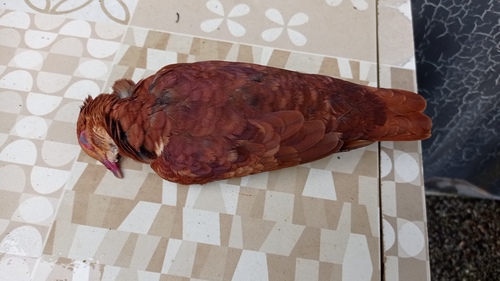
ヤマウズラバト (Geotrygon montana) ヤマウズラバト
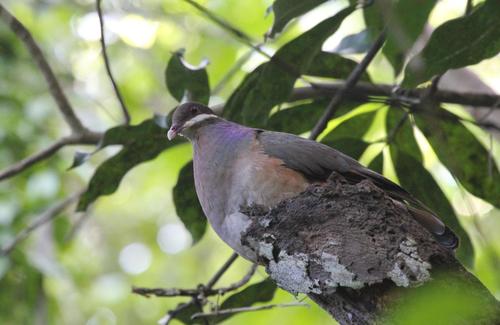
オオテリハウズラバト (Geotrygon mystacea) オオテリハウズラバト

メディア

読み込み中…

要点

ヤマウズラバトとオオテリハウズラバトの間で最も信頼できるフィールドマークは、オオテリハウズラバトの太い白い顔のストライプと喉のパッチであり、ヤマウズラバトにはこれが示されることはありません。ヤマウズラバトは背中と翼が全体的に豊かな錆色であるのに対し、オオテリハウズラバトは主に茶色で、虹色の緑と青(特にオスにおいて)と折りたたまれた翼にシナモン色が見られます。両者はカリブ地域の地上に生息するハトですが、その分布は西インド諸島でのみ重なります。幼鳥や飛行のマークは情報源に記載されていないため、止まっている鳥の顔と上部の色彩に焦点を当ててください。サイズは双眼鏡での観察において強いフィールドマークではありませんが、オオテリハウズラバトは体が重いです。

識別のコツ

  1. 白い顔のストライプと喉のパッチ: オオテリハウズラバトは常に目の下に太い白いストライプと喉に小さな白いパッチを示しますが、ヤマウズラバトはこれらのマークを示しません。これはすべての年齢と性別に対して最も信頼できるフィールドマークです。
  2. 全体の色彩: ヤマウズラバトは背中、翼、顔が豊かな錆色または赤褐色で、腹部は明るい茶色です。オオテリハウズラバトは主に茶色で、全体的に赤褐色が少なく、腹部はクリーム色です。
  3. 虹色: 成熟したオスのオオテリハウズラバトは、頭と後頭部に虹色の緑があり、下の首と上の背中に青/紫に変わります。メスは虹色が少ないですが、まだ光沢を示すことがあります。ヤマウズラバトはこの虹色がなく、色がより均一です。
  4. 折りたたまれた翼のパターン: オオテリハウズラバトは折りたたまれた翼にシナモンのマークを示し、止まっているときに見ることができます。ヤマウズラバトの翼は錆色ですが、明確なシナモンのパッチは示しません。
  5. 尾と腹部: オオテリハウズラバトは暗い茶色がかった灰色の尾とクリーム色の腹部を持ち、ヤマウズラバトの腹部は明るい茶色ですが、明確にクリーム色ではありません。
  6. 顔のマスク: ヤマウズラバトは錆色の顔のマスクを持っていますが、オオテリハウズラバトのストライプのように明確に定義されているわけではありません。
  7. 目の下のストライプ: ヤマウズラバトは明るい茶色の目の下のストライプを持っていますが、これは微妙で、オオテリハウズラバトの白いストライプのようには目立ちません。
  8. サイズと構造: オオテリハウズラバトは重くてがっしりしていますが、これは微妙で、両者が一緒に見られない限り判断が難しいことがよくあります。
  9. 性差: オオテリハウズラバトだけが虹色において強い性的二形性を示します。メスは鈍いですが、白い顔のストライプはまだ持っています。
  10. 分布: 小アンティル諸島とプエルトリコの外にいる場合、ウズラバトはヤマウズラバトである可能性が高いです。これらの島にいる場合は、白い顔のマークを確認してください。
  11. 飛行の視点: どちらの種にも特有の上翼や飛行パターンは記載されていないため、短い飛行の視点でも羽毛と顔のマークに頼ってください。
  12. 幼鳥/未成熟の鳥: 特定の幼鳥や未成熟のパターンは記載されていないため、すべての年齢に対して成鳥のフィールドマークを使用してください。
  13. 生息地: 両種は似たような森林生息地を使用しますが、生息地は重なり合うゾーン内では信頼できる区別にはなりません。
  14. 鳴き声: 情報源には鳴き声の違いは記載されていません。
  15. 落とし穴: オオテリハウズラバトの白い顔のストライプを隠す悪い光や部分的な視点に注意してください。このマークを確認してから同定を行うようにしてください。

大きさ

オオテリハウズラバトはかなり重く、成鳥は平均約211gですが、ヤマウズラバトの質量は記載されていませんが、一般的に小さくてコンパクトであると考えられています。フィールドでは、これがオオテリハウズラバトがよりがっしりとして見えることに繋がるかもしれませんが、両者は中型の地上ハトであり、サイズだけでは距離で常に信頼できるわけではありません。

羽色

どちらの種にも年齢特有の幼鳥や飛行の上翼パターンは記載されていないため、焦点は成鳥の羽毛にあります。ヤマウズラバトは背中、翼、顔のマスクに均一な錆色または赤褐色の色彩が特徴で、胸、臀部、目の下のストライプは明るい茶色です。それに対して、オオテリハウズラバトは主に茶色ですが、目の下に目を引く白いストライプと小さな白い喉のパッチがあります。オスは頭と後頭部に虹色の緑を示し、下の首と上の背中に青と紫に変わりますが、メスは虹色が少ないです。オオテリハウズラバトの折りたたまれた翼にはシナモンのマークがあり、尾は暗い茶色がかった灰色で腹部はクリーム色です。ヤマウズラバトはオオテリハウズラバトの太い白い顔のマークや虹色を決して示しません。

行動

両種は地上に生息し、動かされたときには飛ぶのではなく歩く傾向があります。フィールドで彼らを信頼できるように分ける行動の違いは情報源には記載されていません。

生息環境

両種はカリブの森林生息地に生息していますが、その分布は西インド諸島でのみ重なります。ヤマウズラバトは中央アメリカと南アメリカを含む広い範囲を持ち、オオテリハウズラバトは小アンティル諸島とプエルトリコに制限されています。両者が発生する可能性のある地域では、生息地は強い区別にはなりませんが、重なり合うゾーンの外では、分布が有用な手がかりとなることがあります。

より良い説明を送る

比較と同じ項目を使ってください。文章はすぐに公開されます。

The most reliable field mark between Ruddy Quail-Dove and Bridled Quail-Dove is the bold white facial stripe and throat patch of the Bridled Quail-Dove, which are never shown by Ruddy. Ruddy Quail-Dove is overall a rich rust color on the back and wings, while Bridled is mostly brown with iridescent greens and blues (especially on males) and cinnamon on the folded wing. Both are ground-dwelling doves of the Caribbean region, but their ranges only overlap in the West Indies. Juvenile and flight marks are not described in the sources, so focus on facial and upperpart coloration in perched birds. Size is not a strong field mark in binocular views, but Bridled is heavier-bodied.

  1. White facial stripe and throat patch: Bridled Quail-Dove always shows a bold white stripe below the eye and a small white patch on the throat; Ruddy Quail-Dove never shows these marks. This is the single most reliable field mark for all ages and sexes.
  2. Overall coloration: Ruddy Quail-Dove is rich rust or rufous on the back, wings, and face, with lighter brown underparts; Bridled is mostly brown with less rufous overall, and the belly is cream.
  3. Iridescence: Adult male Bridled Quail-Dove has iridescent green on the head and nape, shifting to blue/violet on the lower neck and upper back. Females are less iridescent but may still show some sheen. Ruddy Quail-Dove lacks this iridescence and is more uniform in color.
  4. Folded wing pattern: Bridled Quail-Dove shows cinnamon markings on the folded wing, which can be seen when perched. Ruddy Quail-Dove's wings are rust-colored but do not show distinct cinnamon patches.
  5. Tail and belly: Bridled has a dark brownish gray tail and a cream belly, while Ruddy's underparts are lighter brown but not distinctly cream.
  6. Facial mask: Ruddy Quail-Dove has a rust-colored facial mask, but it is not sharply defined or white like Bridled's stripe.
  7. Undereye stripe: Ruddy Quail-Dove has a lighter brown undereye stripe, but it is subtle and does not stand out like the white stripe of Bridled.
  8. Size and structure: Bridled is heavier and bulkier, but this is subtle and often hard to judge unless both are seen together.
  9. Sex differences: Only Bridled Quail-Dove shows strong sexual dimorphism in iridescence; females are duller but still have the white facial stripe.
  10. Range: If outside the Lesser Antilles and Puerto Rico, a quail-dove is more likely Ruddy; if on those islands, check for the white facial marks.
  11. Flight views: No distinctive upperwing or flight patterns are described for either species, so rely on plumage and facial marks even in brief flight views.
  12. Juvenile/immature birds: No specific juvenile or immature patterns are described, so use adult field marks for all ages.
  13. Habitat: Both species use similar forested habitats; habitat is not a reliable separator within the overlap zone.
  14. Vocalizations: No vocal differences are described in the sources.
  15. Pitfalls: Beware of poor light or partial views obscuring the white facial stripe of Bridled; always try to confirm this mark before making an identification.

Bridled Quail-Dove is significantly heavier, with adults averaging around 211 g, while no mass is given for Ruddy Quail-Dove, but it is generally considered smaller and more compact. In the field, this may translate to Bridled appearing bulkier and more robust, but both are medium-sized ground doves and size alone is not always reliable at a distance.

No age-specific juvenile or flight upperwing patterns are described for either species, so focus is on adult plumage. Ruddy Quail-Dove is characterized by a uniform rust or rufous coloration on the back, wings, and facial mask, with lighter brown on the breast, rump, and an undereye stripe. In contrast, Bridled Quail-Dove is mostly brown but has a striking white stripe below the eye and a small white throat patch. Males show iridescent green on the head and nape, shifting to blue and violet on the lower neck and upper back, while females are less iridescent. The folded wing of Bridled shows cinnamon markings, and the tail is dark brownish gray with a cream belly. Ruddy never shows the bold white facial marks or iridescence of Bridled.

Both species are ground-dwelling and tend to walk rather than fly when disturbed. No behavioral differences are described in the sources that would reliably separate them in the field.

Both species occur in forested habitats in the Caribbean, but their ranges only overlap in the West Indies. Ruddy Quail-Dove has a broader range, including Central and South America, while Bridled is restricted to the Lesser Antilles and Puerto Rico. In areas where both might occur, habitat is not a strong separator, but outside the overlap zone, range can be a useful clue.

変更を破棄しますか?

保存していない編集があります。今離れると失われます。

ヤマウズラバト · オオテリハウズラバト · 苦手な鳥