

Motmot

チョコレートバト 対 イチモンジバト

Patagioenas subvinacea 対 Columbina picui

チョコレートバトとイチモンジバトのクイズ
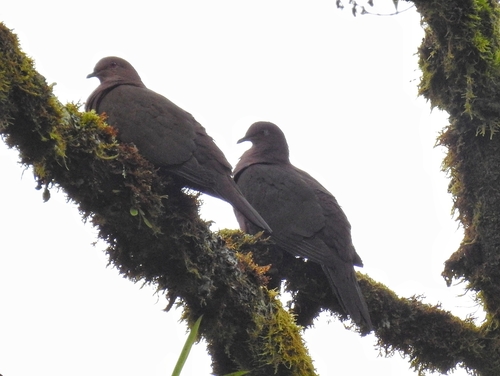
チョコレートバト (Patagioenas subvinacea) チョコレートバト
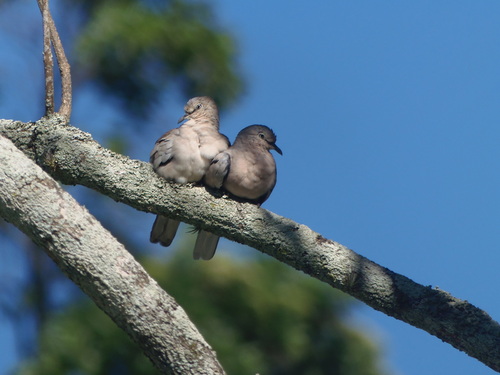
イチモンジバト (Columbina picui) イチモンジバト

メディア

読み込み中…

要点

チョコレートバトとイチモンジバトを区別する最も信頼できる方法は、全体的なサイズと体型によるものです:チョコレートバトははるかに大きくてがっしりしており、イチモンジバトは明らかに小さくて繊細です。飛んでいるときや止まっているときには、イチモンジバトの特徴的な白い翼の帯(折りたたまれた翼や飛行中に見える)が、均一な色のチョコレートバトには存在しないことに注意してください。幼鳥の羽毛は混乱を引き起こすことがありますが、若いチョコレートバトでもイチモンジバトの模様のある翼は欠けています。くちばしの色や虹彩の詳細は近距離で役立ちます。声や生息地の文脈も有用ですが、構造的および羽毛の違いは通常、確実な区別に十分です。

識別のコツ

  1. Size is the fastest check: チョコレートバトはイチモンジバトよりもはるかに大きくて重いです。両方を一緒に見ると、違いは明らかです;単独の場合は、近くの鳩やバトと比較してスケールを確認してください。
  2. Wing pattern is diagnostic: すべての年齢のイチモンジバトは、折りたたまれた翼や飛行中に見える黒縁の2つの白い翼の帯を示します。チョコレートバトの翼は、すべての年齢で無地で無印です。
  3. Juvenile confusion: 若いチョコレートバトは鈍い色で、シナモン色または赤褐色のスケーリングを示しますが、白い翼の帯は決してありません。幼鳥のイチモンジバトはより茶色ですが、白い帯を保持しています。
  4. Plumage color: チョコレートバトは全体的にワイン紫から赤褐色で、特に背中において、暗褐色の尾と初列風切があります。イチモンジバトは上面が灰色から茶色がかっており、ピンクがかったファawnの翼と白い腹部があります。
  5. Bill color: チョコレートバトは黒いくちばしを持っています;イチモンジバトのくちばしの色はここでは指定されていませんが、多くの地上バトでは通常暗い色で、基部が明るいです。
  6. Iris and eye-ring: チョコレートバトは通常赤い虹彩と赤いアイリングを持っています(アマゾンでは時々鈍い黄色ですが、他の鳩のように明るい白ではありません)。イチモンジバトの虹彩の色はここでは説明されていませんが、鳩の赤いアイリングは欠けています。
  7. Leg color: チョコレートバトは紫赤色の脚を持っており、近距離で役立つかもしれません。イチモンジバトの脚の色は説明されていませんが、一般的に地上バトではピンクがかっています。
  8. Flight style: チョコレートバトは遅く、深い翼の拍動で直接的に飛びます;イチモンジバトは速く、低く、ひらひらとした飛行をします。
  9. Perching behavior: チョコレートバトはしばしば高い木に止まります;イチモンジバトは通常地面や低い止まり木にいます。
  10. Habitat context: チョコレートバトは森林や林地を好みます;イチモンジバトは開けた国、野原、都市部で一般的です。
  11. Sex differences: メスのチョコレートバトはオスよりも鈍く、茶色がかっていますが、翼の模様は依然として欠けています。メスのイチモンジバトも鈍いですが、白い翼の帯は残ります。
  12. Subspecies variation: 一部のイチモンジバトの亜種(例:C. p. strepitans)は、より灰色でピンクが少ないですが、白い翼の帯は常に存在します。
  13. Vocalization: 聞こえた場合、チョコレートバトの大きく、高音の、間隔のあるクーイングは特徴的です。イチモンジバトの声はここでは詳細が記載されていないため、鳴き声は自信がある場合のみ使用してください。
  14. Pitfalls: 遠くからまたは暗い光の中では、小さくて無地のバトが大きく見えることがあるか、または大きな鳩が単独で止まっている場合に小さく見えることがあります。常に翼の帯と全体の構造を確認してください。
  15. When in doubt: 大きなワイン色の鳩に無地で無印の翼が見えた場合、それはチョコレートです。小さくて地面をついばんでいるバトに白い翼の帯が見えた場合、それはイチモンジです。

大きさ

チョコレートバトは大きな鳩で、全長約28 cm、体重約170 g [wikipedia]で、イチモンジバトの3倍以上の重さです。イチモンジバトはわずか18 cmの長さで、体重は42–59 g [wikidata]です。このサイズの違いはフィールドで際立っています:チョコレートバトは頑丈で重い体に見え、イチモンジバトは小さく、スリムで、優雅です。遠くからでも飛行中でも、鳩の大きくて広い翼と長い尾は、バトのコンパクトで短い尾の外観と対照的です。

羽色

幼鳥と成鳥のイチモンジバトは、折りたたまれた翼や飛行中に見える黒縁の2つの顕著な白い翼の帯を示し、これはチョコレートバトのどの年齢にも存在しない重要な特徴です。幼鳥のチョコレートバトは鈍い色で、灰褐色の頭、首、胸を持ち、頭部と上面にはシナモン色または赤褐色のスケーリングがありますが、翼は無地で無印のままです。成鳥のチョコレートバトは主にワイン紫から赤褐色で、模様のない翼と暗褐色の尾と初列風切を持っています。対照的に、成鳥のイチモンジバトは特徴的な白い帯を持つピンクがかったファawnの翼、灰色の冠と後頭部、白い腹部を持っています。両種の雌は雄よりも鈍いですが、イチモンジの翼の模様は依然として見えます。イチモンジの上面と翼は一部の亜種(例:C. p. strepitans)でより灰色でピンクが少ないですが、白い翼の帯は一貫しています。

行動

チョコレートバトは通常、高い木に止まる傾向があり、大きな鳩に典型的な遅くて直接的な飛行で移動します。イチモンジバトはしばしば地面や低い止まり木に見られ、開けた場所で歩いたり食べたりし、その飛行は速くて低く、急速な翼の拍動を伴います。飛行スタイルと好ましい採餌の高さの違いは、あいまいな状況で役立つことがあります。

生息環境

チョコレートバトは通常、コスタリカから南アメリカ中央部までの森林や林地に生息し、しばしば樹冠の中部から上部のレベルにいます。イチモンジバトは南アメリカの広範囲にわたる開けた国、サバンナ、野原、都市部でより広く分布しています。エッジの生息地での重複は可能ですが、文脈が役立ちます:密林の中の大きな鳩はチョコレートバトの可能性が高く、開けたまたは乱された地面の小さなバトはイチモンジバトの可能性が高いです。

声

チョコレートバトは大きく、高音のクーイングコール(ko'COO coo)を持ち、長い間隔があり、地域によっては時々3音または4音になります。イチモンジバトの声は提供されたメモには記載されていないため、鳴き声はこのペアにはあまり役立ちませんが、鳩の特徴的な呼び声が聞こえた場合は別です。混合群れでは、鳩の声はより響き渡り、どの地上バトよりも遠くまで届きます。

より良い説明を送る

比較と同じ項目を使ってください。文章はすぐに公開されます。

The most reliable way to separate Ruddy Pigeon from Picui Ground Dove is by overall size and build: Ruddy Pigeon is much larger and bulkier, while Picui Ground Dove is noticeably smaller and more delicate. In flight or perched, look for the Picui's distinctive white wing bands (visible on folded wing and in flight), which are absent in the uniformly colored Ruddy Pigeon. Juvenile plumages can cause confusion, but even young Ruddy Pigeons lack the Picui's patterned wings. Bill color and iris details can help at close range. Voice and habitat context are useful, but structural and plumage differences are usually enough for confident separation.

  1. Size is the fastest check: Ruddy Pigeon is much larger and heavier than Picui Ground Dove. If you see both together, the difference is obvious; alone, compare to nearby doves or pigeons for scale.
  2. Wing pattern is diagnostic: Picui Ground Dove of all ages shows two white wing bands bordered by black, visible on the folded wing and in flight. Ruddy Pigeon’s wings are plain and unmarked at all ages.
  3. Juvenile confusion: Young Ruddy Pigeons are duller and show cinnamon/rufous scaling, but never have white wing bands. Juvenile Picui Ground Doves are browner but retain the white bands.
  4. Plumage color: Ruddy Pigeon is wine-purple to rufous overall, especially on the back, with a dark brown tail and primaries. Picui Ground Dove is gray to brownish above, with a pinkish fawn wing and white belly.
  5. Bill color: Ruddy Pigeon has a black bill; Picui Ground Dove’s bill color is not specified here, but is typically dark with a paler base in many ground doves.
  6. Iris and eye-ring: Ruddy Pigeon usually has a red iris and red eye-ring (sometimes dull yellow in the Amazon, but never bright white as in some other pigeons). Picui Ground Dove’s iris color is not described here, but it lacks the pigeon’s red eye-ring.
  7. Leg color: Ruddy Pigeon has purple-red legs, which may help at close range. Picui Ground Dove’s leg color is not described, but is generally pinkish in ground doves.
  8. Flight style: Ruddy Pigeon flies with slow, deep wingbeats and a direct path; Picui Ground Dove has a quick, low, fluttery flight.
  9. Perching behavior: Ruddy Pigeon is often high in trees; Picui Ground Dove is usually on the ground or low perches.
  10. Habitat context: Ruddy Pigeon prefers forest and woodland; Picui Ground Dove is common in open country, fields, and urban areas.
  11. Sex differences: Female Ruddy Pigeon is duller and browner than the male, but still lacks any wing pattern. Female Picui Ground Dove is also duller, but the white wing bands remain.
  12. Subspecies variation: Some Picui Ground Dove subspecies (e.g., C. p. strepitans) are grayer with less pink, but the white wing bands are always present.
  13. Vocalization: If heard, Ruddy Pigeon’s loud, high-pitched, spaced cooing is distinctive. Picui’s voice is not detailed here, so use voice only if confident.
  14. Pitfalls: At a distance or in poor light, a small, plain dove may seem larger, or a large pigeon may seem smaller if perched alone. Always look for the wing bands and overall structure.
  15. When in doubt: If you see a plain, unmarked wing on a large, wine-colored pigeon, it’s Ruddy. If you see white wing bands on a small, ground-foraging dove, it’s Picui.

Ruddy Pigeon is a large pigeon, around 28 cm in length and weighing about 170 g [wikipedia], making it over three times heavier than the Picui Ground Dove, which is only 18 cm long and weighs 42–59 g [wikidata]. This size difference is striking in the field: Ruddy Pigeon appears robust and heavy-bodied, while Picui Ground Dove is small, slim, and dainty. Even at a distance or in flight, the pigeon’s larger, broader wings and longer tail contrast with the dove’s compact, short-tailed look.

Juvenile and adult Picui Ground Doves show two prominent white wing bands bordered by black on the folded wing and in flight, a key feature not present in any age of Ruddy Pigeon. Juvenile Ruddy Pigeons are duller, with a greyish-brown head, neck, and breast, and cinnamon or rufous scaling on the head and upperparts, but their wings remain plain and unmarked. Adult Ruddy Pigeons are mostly wine-purple to rufous with unpatterned wings and a dark brown tail and primaries. In contrast, adult Picui Ground Doves have a pinkish fawn wing with the characteristic white bands, a gray crown and nape, and a white belly. Females of both species are duller than males, but the Picui’s wing pattern remains visible. The Picui’s upperparts and wings are grayer and less pink in some subspecies (e.g., C. p. strepitans), but the white wing bands are consistent.

Ruddy Pigeons tend to perch higher in trees and move with the slow, direct flight typical of large pigeons. Picui Ground Doves are often seen on the ground or low perches, walking or feeding in open areas, and their flight is quick and low, with rapid wingbeats. The difference in flight style and preferred foraging height can help in ambiguous situations.

Ruddy Pigeon is typically found in forested or wooded habitats from Costa Rica to central South America, often at mid to upper levels of the canopy. Picui Ground Dove is more widespread in open country, including savannas, fields, and urban areas across much of South America. Overlap is possible in edge habitats, but context can help: a large pigeon in dense forest is more likely Ruddy, while a small dove in open or disturbed ground is likely Picui.

Ruddy Pigeon has a loud, high-pitched cooing call (ko'COO coo) with long pauses, sometimes three- or four-noted depending on region. Picui Ground Dove’s voice is not described in the provided notes, so vocalization is less useful for this pair unless the pigeon’s distinctive call is heard. In mixed flocks, the pigeon’s voice is more resonant and carries farther than any ground dove.

変更を破棄しますか?

保存していない編集があります。今離れると失われます。

チョコレートバト · イチモンジバト · 苦手な鳥