

Motmot

アカハラヒメウソ 対 シロエリヒメウソ

Sporophila minuta 対 Sporophila morelleti

アカハラヒメウソとシロエリヒメウソのクイズ
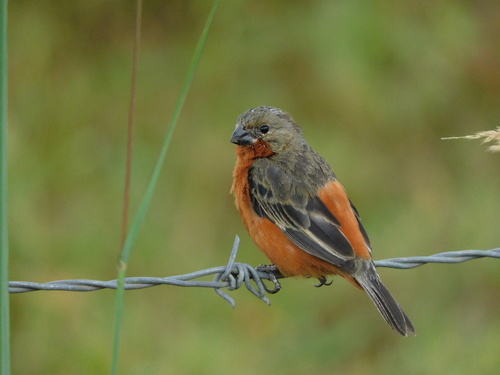
アカハラヒメウソ (Sporophila minuta) アカハラヒメウソ
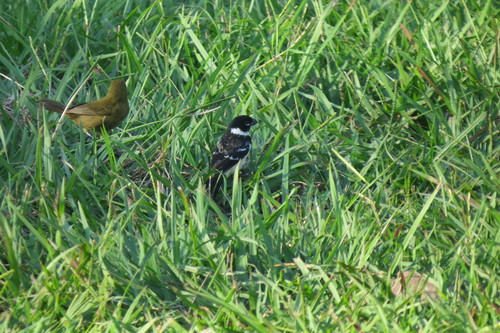
シロエリヒメウソ (Sporophila morelleti) シロエリヒメウソ

メディア

読み込み中…

要点

アカハラヒメウソとシロエリヒメウソの最も信頼できるフィールドマークは、オスの頭部と腹部のパターンです:アカハラヒメウソのオスは中程度の灰色の頭と豊かな赤褐色の腹部を持ち、シロエリヒメウソのオスは黒っぽい冠とうなじを持ち、目の下に対照的な白い三日月と淡い色または黒っぽい腹部を示します。飛んでいる時や止まっている時には、アカハラヒメウソの折りたたまれた翼の一次羽の白い基部(白い長方形)を探してください。対して、シロエリヒメウソのオスは白い翼帯と白い一次羽の基部を持っています。メスは見分けが難しいですが、アカハラヒメウソは全体的に暖かい淡い茶色で、シロエリヒメウソはオリーブグレーから茶色がかったオリーブです。どちらも小さく、太いくちばしを持つヒメウソですが、アカハラヒメウソは明らかに小さく、よりコンパクトです。未成熟の鳥とメスは混乱の一般的な原因であり、翼のパターンと腹部の色に注意を払うことが重要です。

識別のコツ

  1. Adult male head pattern: アカハラヒメウソのオスは中程度の灰色の頭にくちばしの後ろに小さな白い斑点があり、シロエリヒメウソのオスは黒っぽい冠、うなじ、頭の側面を持ち、目の下に目立つ白い三日月があります。これはオスの成鳥を分ける最も早い方法です。
  2. Adult male underparts: アカハラヒメウソのオスは豊かな赤褐色の腹部を持ち、シロエリヒメウソのオスは淡い白または黒っぽい(亜種によって異なる)腹部を持ち、しばしば白い喉と胸に暗い帯があります(指名亜種morelleti)。
  3. Wing pattern in adult males: 停止している鳥では、アカハラヒメウソは一次羽の基部に白い長方形を示し(折りたたまれた翼)、シロエリヒメウソのオスは2つの淡い白い翼帯と白を持っています。
  4. Female and immature upperparts: アカハラヒメウソのメスは上面が暖かい淡い茶色ですが、シロエリヒメウソのメスはより灰色がかったオリーブから茶色がかったオリーブです。この違いは微妙で、良い光の下で判断するのが最適です。
  5. Female and immature underparts: アカハラヒメウソのメスは腹部が淡い茶色で、喉と腹部はより明るいです。シロエリヒメウソは腹部がより淡い淡色または白っぽく、時にはわずかにオリーブ色の洗いがかかっています。
  6. Wing bars in females: シロエリヒメウソのメスは薄い淡い翼帯を持っています。アカハラヒメウソのメスは明らかな翼帯がなく、翼はわずかに暗い淡い茶色です。
  7. Bill color: 両種のオスは黒っぽいくちばしを持ち、アカハラヒメウソのメスは暗い角質のくちばしを持ち、シロエリヒメウソのメスは茶色の上顎と淡い下顎を持っています。これは微妙で、常に見えるわけではありません。
  8. Tail pattern: アカハラヒメウソのオスは主に黒っぽい尾を持ち、オリーブの縁があります。シロエリヒメウソのオスは黒い尾を持ち、薄い灰色の先端があります。メスは尾のパターンがあまり特徴的ではありません。
  9. Size and structure: アカハラヒメウソは小さく、よりコンパクトで、尾がわずかに短いです。シロエリヒメウソは長くてがっしりしていますが、これは経験や並べて見ることで最もよく判断できます。
  10. Subspecies variation: アカハラヒメウソのオスは上面がより青灰色です。シロエリヒメウソの指名亜種のオスは胸に幅の広い黒い帯を持ち、S. m. sharpeiは黒が少なく、より小さな白い三日月を持っています。地元の形態を知っておきましょう。
  11. Habitat and range: 両方が生息する場所では、habitatは強い区別要因ではありませんが、シロエリヒメウソはテキサス州とメキシコ北部で唯一の選択肢です。アカハラヒメウソは南アメリカの南東部により多く見られます。
  12. Behavior: 両種は似たような行動を示すため、ジズや採餌スタイルに頼らないでください。
  13. Flight views: アカハラヒメウソのオスの白い一次羽の基部(長方形)とシロエリヒメウソの翼帯/白い一次羽の基部を探してください。飛行中のメスは非常に似ており、サイズと腹部のトーンに焦点を当ててください。
  14. Pitfalls with immatures: 若いオスはメスに似ることがありますが、部分的なオスの頭部や腹部の色を示すことがあります。頭や喉に微妙な灰色や黒っぽいトーンが現れているか確認してください。
  15. When in doubt: 頭のパターンや腹部の色がよく見えない場合は、全体のサイズ、翼のパターン、腹部の暖かさを判断してください。写真は翼のパネルや尾のパターンの微妙な違いを助けることができます。

大きさ

アカハラヒメウソは明らかに小さく、体長は8.6〜9.6 cm、体重は7〜9 gで、最も小さなSporophilaの一つです。シロエリヒメウソは約11 cmで、平均8.7 gです。フィールドでは、アカハラヒメウソはしばしばよりコンパクトで繊細に見え、シロエリヒメウソはわずかにがっしりしていて尾が長いように見えます。くちばしのサイズと形は似ていますが、短く、太く、丸みを帯びていますが、全体の体のサイズの違いは直接比較や経験で目立つことがあります。

羽色

幼鳥とメスの羽毛は最も難しいです。成鳥のオスの場合、アカハラヒメウソは中程度の灰色の頭、小さな白い斑点、赤褐色の腹部、そして一次羽の基部に白い長方形を示します(折りたたまれた翼で見える)。シロエリヒメウソのオスは黒っぽい冠、うなじ、頭の側面、目の下に白い三日月、そして亜種によって淡い色または黒っぽい腹部を持っています。彼らの翼には2つの淡い白い翼帯とほとんどの一次羽の基部に白があります(ただし、アカハラヒメウソのように単一の長方形を形成しません)。アカハラヒメウソのメスは上面と下面が暖かい淡い茶色で、翼と尾はわずかに暗く、シロエリヒメウソのメスは灰色がかったオリーブから茶色がかったオリーブで、腹部はより淡く、翼帯は薄いです。両種とも、オスのくちばしは暗く、メスはより淡いですが、これは微妙です。未成熟の鳥はメスに似ていますが、換羽中にわずかなオスの特徴を示すことがあります。

行動

両種は典型的なヒメウソであり、しばしば草の低いところ、雑草の生えた畑、または低木の端で見られます。彼らは直立して止まり、種子を食べ、時には緩い群れで行動します。情報源には強い行動の違いは記載されておらず、両方とも活発で素早く動くことができます。飛行は直接的で低く、止まり木の間を短いバーストで移動します。特有のジズや採餌スタイルで信頼できる区別はありません。

生息環境

範囲は中央アメリカとメキシコ南部で重なりますが、シロエリヒメウソはテキサス州まで北に広がり、アカハラヒメウソは南アメリカ北部により広く分布しています。両方とも高い草、雑草の生えた畑、低木の端のある開けた国を好みます。範囲が重なる場所ではhabitatは強い区別要因ではありませんが、シロエリヒメウソはその範囲の北端でやや乾燥したり、より乱された場所にいる可能性があります。

より良い説明を送る

比較と同じ項目を使ってください。文章はすぐに公開されます。

The most reliable field mark between Ruddy-breasted Seedeater and Morelet's Seedeater is the male's head and underpart pattern: Ruddy-breasted males have a medium gray head and rich rufous underparts, while Morelet's males show a blackish crown and nape with a contrasting white crescent below the eye and buffy or blackish underparts. In flight or perched, look for the white base to the primaries on the folded wing of Ruddy-breasted (a white rectangle), versus the white wing bars and white primary bases in Morelet's males. Females are trickier, but Ruddy-breasted is warmer buffy brown overall, while Morelet's is more olive-gray to brownish olive. Both are small, thick-billed seedeaters, but Ruddy-breasted is noticeably smaller and more compact. Immature and female birds are a common source of confusion; careful attention to wing pattern and underpart color is key.

  1. Adult male head pattern: Ruddy-breasted males have a medium gray head with a tiny white spot behind the bill; Morelet's males have a blackish crown, nape, and sides of the head with a striking white crescent below the eye. This is the quickest way to separate adult males.
  2. Adult male underparts: Ruddy-breasted males are rich rufous below, while Morelet's males are buffy white or blackish (depending on subspecies), often with a white throat and a dark band across the breast (nominate morelleti).
  3. Wing pattern in adult males: On perched birds, Ruddy-breasted shows a white rectangle at the base of the primaries (folded wing), while Morelet's males have two buffy white wing bars and white at the base of most primaries (but not forming a single rectangle).
  4. Female and immature upperparts: Ruddy-breasted females are warm buffy brown above; Morelet's females are more grayish olive to brownish olive. This difference is subtle and best judged in good light.
  5. Female and immature underparts: Ruddy-breasted females are buffy brown below, paler on the throat and belly; Morelet's are paler buff or whitish below, sometimes with a slight olive wash.
  6. Wing bars in females: Morelet's females have thin, pale wing bars; Ruddy-breasted females lack obvious wing bars, with wings just a slightly darker buffy brown.
  7. Bill color: Males of both species have blackish bills; females of Ruddy-breasted have a dark horn bill, while Morelet's females have a brown maxilla and pale mandible. This is subtle and not always visible.
  8. Tail pattern: Ruddy-breasted males have a mostly blackish tail with olive edges; Morelet's males have a black tail with thin gray tips. Females are less distinctive in tail pattern.
  9. Size and structure: Ruddy-breasted is smaller and more compact, with a slightly shorter tail. Morelet's is longer and bulkier, but this is best judged with experience or side-by-side views.
  10. Subspecies variation: Ruddy-breasted males of S. m. parva are more blue-gray above; S. m. centralis are browner. Morelet's nominate males have a broader black band across the breast, while S. m. sharpei has less black and a smaller white crescent. Know your local forms.
  11. Habitat and range: Where both occur, habitat is not a strong separator, but Morelet's is the only option in Texas and northernmost Mexico. Ruddy-breasted is more likely south and east into South America.
  12. Behavior: Both species behave similarly, so do not rely on jizz or feeding style.
  13. Flight views: Look for the white primary base (rectangle) in Ruddy-breasted males and the wing bars/white primary bases in Morelet's. Females in flight are very similar; focus on size and underpart tone.
  14. Pitfalls with immatures: Young males may resemble females but can show partial male head or underpart color. Check for subtle gray or blackish tones emerging on the head or throat.
  15. When in doubt: If you cannot see the head pattern or underpart color well, try to judge overall size, wing pattern, and underpart warmth. Photographs can help with subtle differences in wing panel and tail pattern.

Ruddy-breasted Seedeater is distinctly smaller, measuring 8.6–9.6 cm in length and weighing 7–9 g, making it one of the tiniest Sporophila. Morelet's Seedeater is larger at about 11 cm and averages 8.7 g. In the field, Ruddy-breasted often appears more compact and delicate, while Morelet's looks slightly bulkier and longer-tailed. Bill size and shape are similar—short, thick, and rounded—but the difference in overall body size can be noticeable with direct comparison or experience.

Juvenile and female plumages are the most challenging. For adult males, Ruddy-breasted shows a medium gray head, small white spot behind the bill, rufous underparts, and a white rectangle at the base of the primaries (visible on the folded wing). Morelet's males have a blackish crown, nape, and sides of the head, a white crescent below the eye, and either buffy or blackish underparts depending on subspecies. Their wings have two buffy white wing bars and white at the base of most primaries (but not forming a single rectangle as in Ruddy-breasted). Females of Ruddy-breasted are warm buffy brown above and below, with slightly darker wings and tail, while Morelet's females are grayish olive to brownish olive with paler underparts and thinner wing bars. In both species, the bill is dark in males and paler in females, but this is subtle. Immature birds resemble females but may show faint male features as they molt.

Both species are typical seedeaters, often seen low in grass, weedy fields, or shrubby edges. They perch upright and feed on seeds, sometimes in loose flocks. No strong behavioral differences are noted in the sources, and both can be active and quick-moving. Flight is direct and low, with short bursts between perches. No unique jizz or foraging style reliably separates them.

Ranges overlap in Central America and southern Mexico, but Morelet's extends north to Texas, while Ruddy-breasted is more widespread into northern South America. Both favor open country with tall grasses, weedy fields, and shrubby edges. Habitat is not a strong separator where their ranges overlap, but Morelet's may be more likely in slightly drier or more disturbed sites at the northern edge of its range.

変更を破棄しますか?

保存していない編集があります。今離れると失われます。

アカハラヒメウソ · シロエリヒメウソ · 苦手な鳥