

Motmot

アカエリヒレアシシギ 対 ソリハシシギ

Phalaropus lobatus 対 Xenus cinereus

アカエリヒレアシシギとソリハシシギのクイズ
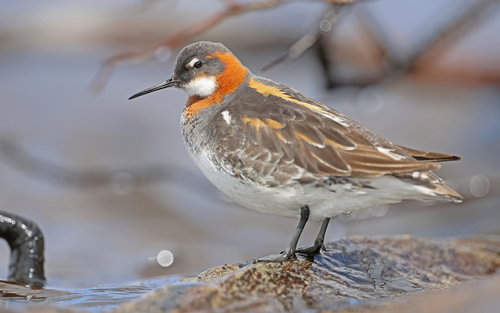
アカエリヒレアシシギ (Phalaropus lobatus) アカエリヒレアシシギ
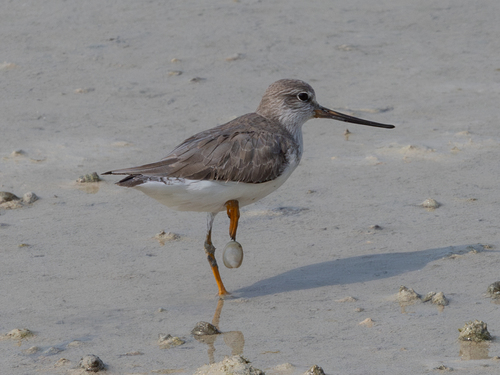
ソリハシシギ (Xenus cinereus) ソリハシシギ

メディア

読み込み中…

要点

アカエリヒレアシシギとソリハシシギを区別する最も信頼できる方法は、くちばしの形と全体的な構造です:アカエリヒレアシシギは非常に細く、まっすぐな針のようなくちばしを持ち、ソリハシシギは明らかに長く、上向きに曲がったくちばしを持ち、黄色がかった基部があります。飛んでいるときや休んでいるとき、アカエリヒレアシシギはコンパクトで小さく、しばしば白い翼のストライプを示します(特に幼鳥や成鳥で)、一方、ソリハシシギは大きく、脚が長く、強い翼のストライプがありません。幼鳥や非繁殖期のアカエリヒレアシシギは小さなシギと混同されることがありますが、構造、くちばし、採餌行動の組み合わせは独特です。アカエリヒレアシシギの黒いアイパッチとソリハシシギの黄色い脚と上向きのくちばしを常に確認してください。

識別のコツ

  1. くちばしの形は最も信頼できる特徴です: アカエリヒレアシギは細く、まっすぐな針のようなくちばしを持ち、ソリハシシギは黄色がかった基部を持つ長い上向きのくちばしがあります(中距離で確認可能)。
  2. 脚の色と長さ: ソリハシシギは長く明るい黄色の脚を持ち、アカエリヒレアシギの脚は短く暗く、泳いでいるときはしばしば隠れています。
  3. 翼のストライプ: すべての年齢のアカエリヒレアシギは、飛んでいるときや休んでいるときに白い翼のストライプを示し、ソリハシシギは強い翼のストライプがありません。
  4. 黒いアイパッチ: アカエリヒレアシギは冬や幼鳥の羽衣でも常に目の周りに黒いパッチがありますが、ソリハシシギはこの特徴を示しません。
  5. スーパーシリウム: ソリハシシギはしばしば白いスーパーシリウム(眉毛)を示しますが、時には薄いこともありますが、決して黒いアイパッチにはなりません。
  6. 体の形とサイズ: アカエリヒレアシギは小さく、コンパクトで丸い体を持ち、ソリハシシギは大きく、長い体と長い脚を持ちます。
  7. 採餌行動: アカエリヒレアシギは水面で円を描いて泳ぐことが多く、これは小型のシギの中で独特の行動です;ソリハシシギは泥や砂の上を活発に走り、円を描いて泳ぐことはありません。
  8. 生息地: アカエリヒレアシギは通常、開けた水面や浅い池に生息し、泥の上にはほとんどいません;ソリハシシギはほぼ常に泥干潟、河口、または川の端にいます。
  9. 繁殖羽衣: メスのアカエリヒレアシギは濃い灰色で、豊かな栗色の首と黒い顔を持ちます;ソリハシシギは常に上面が灰色で、栗色や黒い顔の模様はありません。
  10. 幼鳥の混同: 幼鳥のアカエリヒレアシギは地味に見えることがありますが、常に黒いアイパッチと白い翼のストライプを持ちます;幼鳥のソリハシシギは構造が異なり、これらの特徴がありません。
  11. 鳴き声: アカエリヒレアシギの鳴き声は短い「ウィット」または「ツイット」で、ソリハシシギはより長く高音の笛のような鳴き声を出します。
  12. 関連性: ソリハシシギはしばしばトンビや小型のシギと混ざります;アカエリヒレアシギは通常、水面で密集した群れを作るか、単独でいます。
  13. 飛行の特徴: アカエリヒレアシギは飛行中にふわふわして浮遊感があり、しばしば水面の低いところを飛びます;ソリハシシギはより直接的で、長い翼と脚を引きずります。
  14. くちばしの色: 近距離で、ソリハシシギのくちばしの黄色がかった基部に注意してください;アカエリヒレアシギのくちばしは全体が暗いです。
  15. 疑問がある場合: 鳥が水面で回転している場合、それはアカエリヒレアシギです;泥の上を長い上向きのくちばしと黄色い脚で走っている場合、それはソリハシシギです。

大きさ

アカエリヒレアシギはソリハシシギよりも明らかに小さく軽い(体重約37g [wikidata]、長さ約18 cm [wikipedia])です。ソリハシシギは長さ22〜25 cm [wikipedia]で、質量データはありませんが、明らかに体が大きく脚が長いです。フィールドでは、ソリハシシギはサイズ的にイソシギに近く見え、体と脚が長いのに対し、アカエリヒレアシギは小柄で優雅で、ほとんどのシギと比較して「ミニチュア」と表現されることが多いです。

羽色

幼鳥と非繁殖期のアカエリヒレアシギは、上面が灰色と茶色で、腹部が淡い色合いで、特徴的な黒いアイパッチを持ち、冬でも常に存在します。彼らは飛行中や休んでいるときに白い翼のストライプを示し、これはすべての年齢にとって重要な特徴です。繁殖期のメスは、上面が濃い灰色で、豊かな栗色の首と上胸、黒い顔、白い喉を持ち、オスは似ていますが色が薄いです。ソリハシシギは、すべての羽衣において、灰色の背中、顔、胸、白い腹部、白いスーパーシリウム(目立ち方は変動する)を持ち、強い翼のストライプはありません。脚は黄色で、くちばしには黄色がかった基部があり、どちらも近距離で確認できます。飛行中、ソリハシシギは多くのカリドリダやアカエリヒレアシシギに典型的な大胆な翼の模様を示しません。したがって、アカエリヒレアシギの白い翼のストライプと黒いアイパッチが、特に若い鳥や非繁殖期の鳥にとって最も一貫した羽衣の手がかりです。

行動

アカエリヒレアシギは、水面で密集して円を描いて泳ぐ習性で有名で、小さな渦を作って獲物をかき混ぜる行動は、小型のシギの中で独特で、ソリハシシギでは決して見られません。陸上では、アカエリヒレアシギは水面に浮かんだり、水面をつついたりすることが多く、走ることはほとんどありません。対照的に、ソリハシシギは活発な採餌者で、泥や砂の上を元気に走り、動く獲物を追い、時には水際で捕まえたものを洗うこともあります。ソリハシシギは他の shorebirds、特にトンビや小型のシギと一緒に見られることが多く、開けた水面に遠くまで出かけることはほとんどありません。

生息環境

アカエリヒレアシギは北極の湿地で繁殖し、熱帯の海で冬を越すために移動し、移動中は開けた水面や沿岸の湧き水でよく見られます。通過中は内陸の湖や池で見られることがありますが、泥干潟ではほとんど見られません。ソリハシシギはタイガの河川や湖で繁殖し、熱帯の海岸で冬を越し、泥の多い河口、河川の口、沿岸の潟を好みます。ソリハシシギはアカエリヒレアシギよりも泥や砂の上で見られる可能性が高く、他の shorebirds と混合した群れで見られることが多いです。したがって、文脈が役立つことがあります:開けた水面で回転している小型のシギはほぼ確実にアカエリヒレアシギであり、長い上向きのくちばしで泥の上を走っている鳥はソリハシシギです。

声

アカエリヒレアシギは鋭く、素早い「ウィット」または「ツイット」の鳴き声を出し、飛行中や採餌中によく聞かれます。ソリハシシギの鳴き声は高音の笛で、アカエリヒレアシギの短い音よりも長く、より音楽的です。実際には、鳴き声はよく聞かれない限り診断的ではないことが多いですが、アカエリヒレアシギの鳴き声はより急でメロディックではありません。

より良い説明を送る

比較と同じ項目を使ってください。文章はすぐに公開されます。

The most reliable way to separate Red-necked Phalarope from Terek Sandpiper is by bill shape and overall structure: Red-necked Phalarope has a very fine, straight needle-like bill, while Terek Sandpiper shows a distinctly long, upcurved bill with a yellowish base. In flight or at rest, Red-necked Phalarope is compact and small, often showing a white wing stripe (especially in juveniles and adults), whereas Terek Sandpiper is larger, longer-legged, and lacks any strong wing stripe. Juvenile and nonbreeding phalaropes can be confused with small sandpipers, but the combination of structure, bill, and feeding behavior is distinctive. Always check for the black eyepatch on Red-necked Phalarope and the yellow legs and upcurved bill of Terek Sandpiper.

  1. Bill shape is the single most reliable mark: Red-necked Phalarope has a fine, straight, needle-like bill; Terek Sandpiper has a long, upcurved bill with a yellowish base (visible at moderate range).
  2. Leg color and length: Terek Sandpiper has long, bright yellow legs; Red-necked Phalarope's legs are short and dark, often hidden when swimming.
  3. Wing stripe: Red-necked Phalarope of all ages shows a white wing stripe in flight and often at rest; Terek Sandpiper lacks any strong wing stripe.
  4. Black eyepatch: Red-necked Phalarope always has a black patch through the eye, even in winter and juvenile plumages; Terek Sandpiper never shows this feature.
  5. Supercilium: Terek Sandpiper often shows a white supercilium (eyebrow), sometimes faint, but never as a dark eyepatch.
  6. Body shape and size: Red-necked Phalarope is small, compact, and round-bodied; Terek Sandpiper is larger, longer-bodied, and longer-legged.
  7. Feeding behavior: Phalaropes often swim in circles on water, a unique behavior; Terek Sandpiper runs actively on mud or sand, never swims in circles.
  8. Habitat: Phalaropes are usually on open water or shallow pools, rarely on mud; Terek Sandpiper is almost always on mudflats, estuaries, or river edges.
  9. Breeding plumage: Female Red-necked Phalarope is dark grey with a rich chestnut neck and black face; Terek Sandpiper is always grey above and lacks any chestnut or black facial markings.
  10. Juvenile confusion: Juvenile phalaropes can look plain, but always have the black eyepatch and white wing stripe; juvenile Terek Sandpipers are structurally different and lack these marks.
  11. Vocalization: Phalarope's call is a short 'whit' or 'twit'; Terek Sandpiper gives a longer, high-pitched whistle.
  12. Associations: Terek Sandpiper often mixes with turnstones and small plovers; phalaropes are usually in tight flocks or alone on water.
  13. Flight jizz: Phalaropes appear fluttery and buoyant in flight, often low over water; Terek Sandpiper is more direct, with longer wings and legs trailing.
  14. Bill color: At close range, note the yellowish base to Terek Sandpiper's bill; phalarope's bill is all dark.
  15. When in doubt: If the bird is spinning on water, it's a phalarope; if it's running on mud with a long, upcurved bill and yellow legs, it's a Terek Sandpiper.

Red-necked Phalarope is notably smaller and lighter (body mass ~37g [wikidata], length ~18 cm [wikipedia]) than Terek Sandpiper (length 22–25 cm [wikipedia]; no mass data, but visibly bulkier and longer-legged). In the field, Terek Sandpiper will appear closer to a Common Sandpiper in size, with a longer body and legs, while Red-necked Phalarope is petite and dainty, often described as 'miniature' compared to most sandpipers.

Juvenile and nonbreeding Red-necked Phalaropes are grey and brown above with buff underparts and a distinctive black eyepatch, always present even in winter. They show a white wing stripe in flight and at rest, which is a key feature for all ages. Breeding females are dark grey above with a rich chestnut neck and upper breast, black face, and white throat; males are similar but duller. Terek Sandpiper, in all plumages, has a grey back, face, and breast, a white belly, and a white supercilium (variable in prominence). It lacks any strong wing stripe. The legs are yellow and the bill has a yellowish base, both visible at close range. In flight, Terek Sandpiper does not show the bold wing patterns typical of many calidrids or phalaropes. Thus, the white wing stripe and black eyepatch of Red-necked Phalarope are the most consistent plumage clues, especially in young and nonbreeding birds.

Red-necked Phalarope is famous for its habit of swimming in tight circles on water, creating small whirlpools to stir up prey—behavior unique among small waders and never shown by Terek Sandpiper. On land, phalaropes are often seen floating or picking at the water's surface, rarely running. Terek Sandpiper, by contrast, is an active forager, running briskly along mud or sand, chasing mobile prey, and sometimes washing its catch at the water's edge. It is more likely to be seen with other shorebirds, especially turnstones and small plovers, and rarely ventures far onto open water.

Red-necked Phalarope breeds in Arctic wetlands and migrates to winter on tropical oceans, often seen on open water or at coastal upwellings during migration. On passage, it may be found on inland lakes or pools, but is rarely seen on mudflats. Terek Sandpiper breeds along rivers and lakes in the taiga and winters on tropical coasts, favoring muddy estuaries, river mouths, and coastal lagoons. It is much more likely than phalarope to be found on mud or sand, often in mixed flocks with other shorebirds. Thus, context can help: a small wader spinning on open water is almost certainly a phalarope, while a bird running on mud with a long upcurved bill is Terek Sandpiper.

Red-necked Phalarope gives a sharp, quick 'whit' or 'twit' call, often heard during flight or while feeding. Terek Sandpiper's call is a high-pitched whistle, which is longer and more musical than the phalarope's short notes. In practice, calls are not always diagnostic unless heard well, but the phalarope's call is more abrupt and less melodic.

変更を破棄しますか?

保存していない編集があります。今離れると失われます。

アカエリヒレアシシギ · ソリハシシギ · 苦手な鳥