

Motmot

ベニハシガラス 対 アトリ

Pyrrhocorax pyrrhocorax 対 Fringilla montifringilla

ベニハシガラスとアトリのクイズ
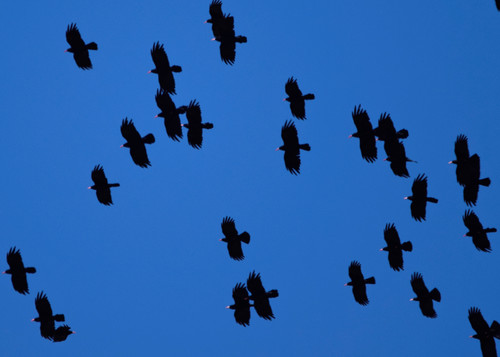
ベニハシガラス (Pyrrhocorax pyrrhocorax) ベニハシガラス
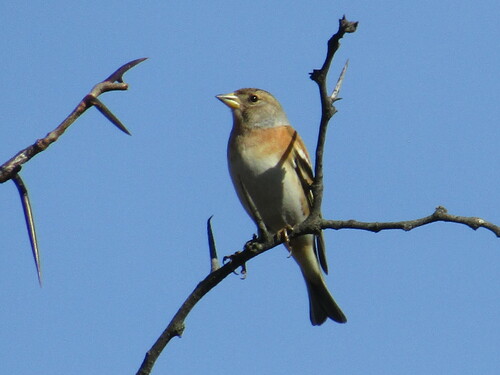
アトリ (Fringilla montifringilla) アトリ

メディア

読み込み中…

要点

The most reliable way to separate Red-billed Chough from Brambling is by overall structure and bill: the chough is a large, glossy-black corvid with a long, strongly curved red bill, while the brambling is a small finch with a short, straight bill (yellow or black depending on season) and patterned plumage with orange, white, and black. Juvenile choughs have orange bills and pink legs, but still show all-black plumage and corvid shape, unlike any brambling. In flight, choughs show uniform black wings and tail, while bramblings have white rumps and patterned wings. The size difference is extreme: choughs are crow-sized, bramblings are finch-sized. Context and voice also differ markedly.

識別のコツ

  1. Size is the first check: Choughs are crow-sized (almost 300g), bramblings are small finches (22g). If the bird is anywhere near the size of a jackdaw or crow, it cannot be a brambling.
  2. Bill shape and color: Choughs have a long, strongly decurved bill—red in adults, orange in juveniles. Bramblings have a short, straight bill—yellow in most seasons, black in breeding males. Bill shape is diagnostic at any age.
  3. Plumage: all-black vs. patterned: Choughs (of all ages) are entirely black, with a glossy sheen in adults. Bramblings never show all-black plumage; look for orange breast, white belly, and white rump.
  4. Juvenile confusion: Even juvenile choughs, with orange bills and pink legs, are all-black and much larger than any brambling. Bramblings never have black plumage or a long curved bill.
  5. Wing and rump pattern in flight: Choughs show uniform black wings and tail from above and below. Bramblings show a conspicuous white rump and patterned wings, especially in flight.
  6. Leg color: Choughs have red legs (adults) or pink (juveniles); bramblings have dull, finch-like legs.
  7. Head pattern: Breeding male bramblings have a black head and orange breast; choughs' heads are always black, matching the rest of the body.
  8. Habitat context: Choughs are almost always in open, rocky, or coastal habitats, rarely in woodland or gardens. Bramblings are woodland and farmland birds, especially in winter.
  9. Behavior: Choughs walk and stride, often on the ground or cliffs, and perform aerial acrobatics. Bramblings hop and flit, usually in flocks, feeding on seeds.
  10. Voice: Chough's 'chee-ow' is loud, ringing, and unmistakably corvid. Brambling's calls are soft, finch-like twitters and buzzes.
  11. Sex and season: Brambling males are most distinctive in breeding plumage (black head, black bill), but even females and immatures show orange breast and white rump. Choughs do not vary by season or sex in the field.
  12. Mixed flocks: Bramblings often mix with other finches; choughs are usually in small groups or pairs, rarely with other species.
  13. Perched posture: Choughs appear upright and robust, with a long tail and bill; bramblings are compact, with a short tail and bill.
  14. Leg length: Choughs have long legs, visible when walking; bramblings have short, finch-like legs.
  15. Pitfalls: The only likely confusion is a distant, backlit chough appearing small, or a brambling seen briefly in flight. Always check for bill shape, size, and plumage pattern to confirm.

大きさ

Red-billed Chough is vastly larger: average mass about 287.5g [wikidata], with a length of 39–40 cm and wingspan of 73–90 cm [wikipedia]. Brambling is a small finch, only 22g [wikidata], similar in size to a chaffinch. In the field, choughs appear crow-sized and robust, while bramblings are delicate, sparrow-like birds. There is no overlap in size; even a juvenile chough dwarfs a brambling.

羽色

Juvenile choughs are all-black but with less gloss, orange bills, and pink legs until their first autumn; adults have velvet-black, green-glossed plumage, long curved red bills, and red legs. Bramblings, regardless of age, never show all-black plumage: males in breeding have a striking black head, orange breast, white belly, and white rump; females and immatures are duller but always show some orange on the breast and scapulars, and a white rump. In flight, bramblings show a white rump and patterned wings, while choughs (of any age) are plain black above and below. Bill color is a strong seasonal clue: choughs (adults) always red, juveniles orange; bramblings yellow except breeding males (black).

行動

Red-billed Choughs are typically seen in pairs or small family groups, often acrobatically foraging on cliffs, rocky slopes, or short turf, sometimes performing aerial displays. Bramblings are highly gregarious in winter, forming large flocks, often with other finches, and feed mainly on the ground or in trees. Choughs walk with a confident, striding gait, while bramblings hop and flit like other small finches.

生息環境

Choughs are found on coastal cliffs, rocky uplands, and sometimes old buildings in their European range. They are strongly associated with open, grazed grasslands near cliffs or mountains. Bramblings are woodland and edge birds, especially in winter, often in beech woods or mixed forests, but also visit gardens and farmland in migration or winter. If you see a bird on a windswept cliff or mountain, chough is far more likely; in woodland or farmland, brambling is expected.

声

Red-billed Chough gives a loud, ringing 'chee-ow' call, which is clear and carries far, quite unlike any finch. Bramblings have typical finch calls: a nasal, buzzing 'dweee' or 'zweee', and a soft twittering song. Chough's call is much louder and more corvid-like, never finch-like.

より良い説明を送る

比較と同じ項目を使ってください。文章はすぐに公開されます。

The most reliable way to separate Red-billed Chough from Brambling is by overall structure and bill: the chough is a large, glossy-black corvid with a long, strongly curved red bill, while the brambling is a small finch with a short, straight bill (yellow or black depending on season) and patterned plumage with orange, white, and black. Juvenile choughs have orange bills and pink legs, but still show all-black plumage and corvid shape, unlike any brambling. In flight, choughs show uniform black wings and tail, while bramblings have white rumps and patterned wings. The size difference is extreme: choughs are crow-sized, bramblings are finch-sized. Context and voice also differ markedly.

  1. Size is the first check: Choughs are crow-sized (almost 300g), bramblings are small finches (22g). If the bird is anywhere near the size of a jackdaw or crow, it cannot be a brambling.
  2. Bill shape and color: Choughs have a long, strongly decurved bill—red in adults, orange in juveniles. Bramblings have a short, straight bill—yellow in most seasons, black in breeding males. Bill shape is diagnostic at any age.
  3. Plumage: all-black vs. patterned: Choughs (of all ages) are entirely black, with a glossy sheen in adults. Bramblings never show all-black plumage; look for orange breast, white belly, and white rump.
  4. Juvenile confusion: Even juvenile choughs, with orange bills and pink legs, are all-black and much larger than any brambling. Bramblings never have black plumage or a long curved bill.
  5. Wing and rump pattern in flight: Choughs show uniform black wings and tail from above and below. Bramblings show a conspicuous white rump and patterned wings, especially in flight.
  6. Leg color: Choughs have red legs (adults) or pink (juveniles); bramblings have dull, finch-like legs.
  7. Head pattern: Breeding male bramblings have a black head and orange breast; choughs' heads are always black, matching the rest of the body.
  8. Habitat context: Choughs are almost always in open, rocky, or coastal habitats, rarely in woodland or gardens. Bramblings are woodland and farmland birds, especially in winter.
  9. Behavior: Choughs walk and stride, often on the ground or cliffs, and perform aerial acrobatics. Bramblings hop and flit, usually in flocks, feeding on seeds.
  10. Voice: Chough's 'chee-ow' is loud, ringing, and unmistakably corvid. Brambling's calls are soft, finch-like twitters and buzzes.
  11. Sex and season: Brambling males are most distinctive in breeding plumage (black head, black bill), but even females and immatures show orange breast and white rump. Choughs do not vary by season or sex in the field.
  12. Mixed flocks: Bramblings often mix with other finches; choughs are usually in small groups or pairs, rarely with other species.
  13. Perched posture: Choughs appear upright and robust, with a long tail and bill; bramblings are compact, with a short tail and bill.
  14. Leg length: Choughs have long legs, visible when walking; bramblings have short, finch-like legs.
  15. Pitfalls: The only likely confusion is a distant, backlit chough appearing small, or a brambling seen briefly in flight. Always check for bill shape, size, and plumage pattern to confirm.

Red-billed Chough is vastly larger: average mass about 287.5g [wikidata], with a length of 39–40 cm and wingspan of 73–90 cm [wikipedia]. Brambling is a small finch, only 22g [wikidata], similar in size to a chaffinch. In the field, choughs appear crow-sized and robust, while bramblings are delicate, sparrow-like birds. There is no overlap in size; even a juvenile chough dwarfs a brambling.

Juvenile choughs are all-black but with less gloss, orange bills, and pink legs until their first autumn; adults have velvet-black, green-glossed plumage, long curved red bills, and red legs. Bramblings, regardless of age, never show all-black plumage: males in breeding have a striking black head, orange breast, white belly, and white rump; females and immatures are duller but always show some orange on the breast and scapulars, and a white rump. In flight, bramblings show a white rump and patterned wings, while choughs (of any age) are plain black above and below. Bill color is a strong seasonal clue: choughs (adults) always red, juveniles orange; bramblings yellow except breeding males (black).

Red-billed Choughs are typically seen in pairs or small family groups, often acrobatically foraging on cliffs, rocky slopes, or short turf, sometimes performing aerial displays. Bramblings are highly gregarious in winter, forming large flocks, often with other finches, and feed mainly on the ground or in trees. Choughs walk with a confident, striding gait, while bramblings hop and flit like other small finches.

Choughs are found on coastal cliffs, rocky uplands, and sometimes old buildings in their European range. They are strongly associated with open, grazed grasslands near cliffs or mountains. Bramblings are woodland and edge birds, especially in winter, often in beech woods or mixed forests, but also visit gardens and farmland in migration or winter. If you see a bird on a windswept cliff or mountain, chough is far more likely; in woodland or farmland, brambling is expected.

Red-billed Chough gives a loud, ringing 'chee-ow' call, which is clear and carries far, quite unlike any finch. Bramblings have typical finch calls: a nasal, buzzing 'dweee' or 'zweee', and a soft twittering song. Chough's call is much louder and more corvid-like, never finch-like.

変更を破棄しますか?

保存していない編集があります。今離れると失われます。

ベニハシガラス · アトリ · 苦手な鳥