

Motmot

セアカモズ 対 アカオモズ

Lanius collurio 対 Lanius phoenicuroides

セアカモズとアカオモズのクイズ
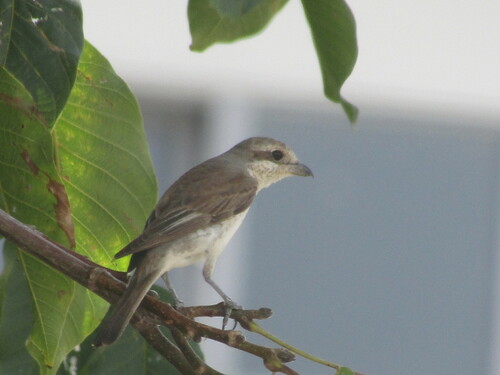
セアカモズ (Lanius collurio) セアカモズ
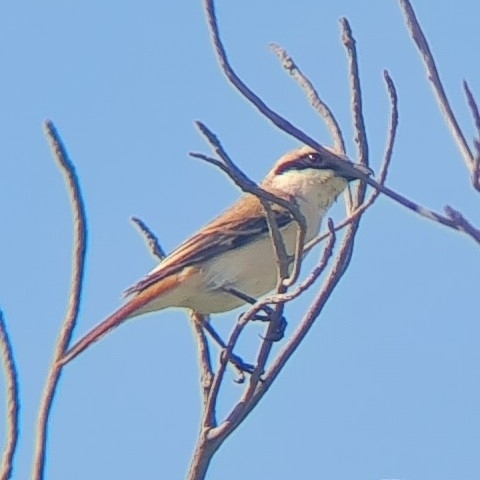
アカオモズ (Lanius phoenicuroides) アカオモズ

メディア

読み込み中…

要点

フィールドでセアカモズとアカオモズを区別する最良の方法は、羽毛に焦点を当てることです。特に上面と尾の色やパターン、オスの頭部の色に注目します。成鳥のオスのセアカモズは特徴的な灰色の頭と豊かな赤褐色の上面を示しますが、アカオモズのオスはより均一な茶色または赤褐色の冠と後頭部を持ち、明確な灰色の帽子がありません。両種の雌と幼鳥はより難解ですが、セアカモズは上面と下面でより多くの縞模様を持ち、アカオモズはよりシンプルな傾向があります。幼鳥と初冬の鳥は混乱の一般的な原因であるため、縞模様の程度と尾の色に注意を払ってください。構造とサイズは非常に似ているため、最も信頼できる区別のためには羽毛と頭部のパターンに頼ってください。

識別のコツ

  1. 成鳥オスの頭部パターン: セアカモズのオスは明確な青灰色の頭と後頭部を持ち、鋭い黒いマスクがあります。アカオモズのオスは茶色または赤褐色の冠と後頭部を示し、鮮明な灰色の帽子がありません。これは春と夏に最も信頼できる特徴です。
  2. 成鳥オスの背中の色: セアカモズは灰色の頭と対照的な豊かで深い赤褐色の背中を持っています。アカオモズの背中も赤褐色ですが、茶色の冠と後頭部により溶け込んでおり、対照が少ないです。
  3. 尾のパターン: セアカモズ(全ての年齢)は白い外羽を持つ黒い尾を示し、強い白黒の対照を作り出します。アカオモズの尾はより均一な赤褐色または赤で、白が少なく、対照も少ないです。
  4. 雌と幼鳥の上面: セアカモズの雌と幼鳥は上面が茶色で、背中と側面に広範囲で鮮明な縞模様(細かいバリング)があります。アカオモズの雌と幼鳥はよりシンプルで、より明確でないか、より拡散したバリングがあります。
  5. 幼鳥の下面のパターン: 幼鳥のセアカモズは縞模様のあるバフ色の下面を示しますが、アカオモズは通常、より淡く、下側のマークが少ないです。
  6. マスクの形と範囲: 両種は目を通る黒いマスクを持っていますが、セアカモズでは通常、より広く、特にオスではより鮮明に定義されています。
  7. 雌/幼鳥の冠の色: セアカモズの雌/幼鳥は冷たい茶色の冠を持っていますが、アカオモズはより暖かく、赤褐色または砂色のトーンを持つ傾向があります。
  8. 飛行時の視点: 飛行中、セアカモズは黒と白の尾のパターンを示します。アカオモズの尾はより均一な赤褐色で、強い白がありません。
  9. 構造的特徴: 両種はサイズと形が似ているため、構造は信頼できる区別要因ではありません。
  10. 生息地と範囲: 西ヨーロッパではセアカモズが期待されます。アカオモズは珍しい迷鳥であるため、場所と日付を考慮する必要がありますが、範囲だけに頼るべきではありません。
  11. 行動: 両種は似たような行動を示し、止まり木から狩りをし、獲物を刺します。行動は診断的ではありません。
  12. 声: 音声の違いに関する信頼できる情報は確認されていません。
  13. 季節的文脈: 成鳥のオスのセアカモズは繁殖期に最も識別しやすいです。雌と幼鳥は、年間を通じてバリングと尾のパターンを注意深く観察する必要があります。
  14. 落とし穴: 幼鳥と初冬の鳥は最も混乱しやすいです。常に縞模様の程度と尾の対照を確認し、摩耗したり色あせた羽毛に注意してください。

大きさ

両種は非常にサイズと構造が似ており、長さ約16〜18 cmの中型のモズです [wikipedia]。フィールドでセアカモズとアカオモズを区別するために使用できる全体的なサイズ、くちばしの長さ、または尾の長さに信頼できる違いはありません。

羽色

両種の幼鳥と初冬の鳥は区別が難しい場合がありますが、セアカモズ(成鳥のオスを除く全ての年齢)は上面と下面により広範囲で鮮明な縞模様(細かいバリング)を示します。一方、アカオモズの幼鳥と雌は一般的によりシンプルで、より明確でないか、より拡散したバリングがあります。成鳥のオスのセアカモズは青灰色の頭、黒いマスク、豊かな赤褐色の背中が特徴的です。尾は黒で白い側面を持ち、ウィートイーアに似ています。アカオモズの成鳥のオスは明確な灰色の帽子がなく、より茶色または赤褐色の冠と後頭部を持ち、背中も赤褐色ですが、頭との対比が少ないことがよくあります。両種の雌と幼鳥は上面が茶色ですが、セアカモズは特に側面と胸でより強く縞模様があります。アカオモズの尾はより均一な赤褐色または赤で、セアカモズの強い白黒の対照が欠けています。飛行中、どちらの種も強い翼パネルや特徴的な上翼パターンを示さないため、尾と頭部のパターンに焦点を当ててください。

行動

両種は似たようなモズの行動を共有しています。目立つ止まり木から狩りをし、獲物を棘や有刺鉄線に刺し、開けた国でよく見られます。フィールドでの区別に信頼できる行動の違いはありません。

生息環境

生息地の好みはかなり重なっており、両種は散在する低木や棘のある植生のある開けた国で繁殖します。セアカモズは西ヨーロッパから中央ロシアまで繁殖し、アカオモズは南シベリアと中央アジアのさらに東で繁殖します。西ヨーロッパでは、アカオモズは珍しい迷鳥であるため、範囲と文脈が役立つ場合がありますが、それ自体では診断的ではありません。

より良い説明を送る

比較と同じ項目を使ってください。文章はすぐに公開されます。

The best way to separate Red-backed Shrike from Turkestan Shrike in the field is by focusing on plumage, especially the color and pattern of the upperparts and tail, as well as head coloration in males. Adult male Red-backed Shrike shows a distinctive grey head and rich reddish upperparts, while Turkestan Shrike males have a more uniform brownish or rufous crown and nape, lacking the clear grey cap. Females and immatures of both species are trickier, but Red-backed Shrike is more vermiculated above and below, while Turkestan Shrike tends to be plainer. Juvenile and first-winter birds are a common source of confusion, so pay close attention to the degree of vermiculation and tail color. Structure and size are very similar, so rely on plumage and head pattern for the most reliable separation.

  1. Adult male head pattern: Red-backed Shrike males have a clear blue-grey head and nape with a sharp black mask; Turkestan Shrike males show a brownish or rufous crown and nape, lacking the crisp grey cap. This is the most reliable mark in spring and summer.
  2. Back color in adult males: Red-backed Shrike has a rich, deep rufous back contrasting with the grey head; Turkestan Shrike's back is also rufous but blends more into the brownish crown and nape, with less contrast.
  3. Tail pattern: Red-backed Shrike (all ages) shows a black tail with white outer feathers, creating a strong black-and-white contrast reminiscent of a wheatear. Turkestan Shrike's tail is more uniformly rufous or red, with less white and less contrast.
  4. Female and juvenile upperparts: Red-backed Shrike females and juveniles are brown above with extensive, crisp vermiculation (fine barring) on the back and flanks. Turkestan Shrike females and juveniles are plainer, with less distinct or more diffuse barring.
  5. Underpart pattern in immatures: Immature Red-backed Shrike shows vermiculated buff underparts, while Turkestan Shrike is usually paler and less marked below.
  6. Mask shape and extent: Both species have a black mask through the eye, but in Red-backed Shrike it is typically broader and more sharply defined, especially in males.
  7. Crown color in females/immatures: Red-backed Shrike females/immatures have a colder brown crown, while Turkestan Shrike tends to have a warmer, more rufous or sandy tone.
  8. Flight views: In flight, Red-backed Shrike shows a black-and-white tail pattern; Turkestan Shrike's tail is more uniformly rufous, lacking strong white.
  9. Structural features: Both species are similar in size and shape, so structure is not a reliable separator.
  10. Habitat and range: In Western Europe, Red-backed Shrike is expected; Turkestan Shrike is a rare vagrant, so consider location and date, but do not rely solely on range.
  11. Behavior: Both species behave similarly, hunting from perches and impaling prey; behavior is not diagnostic.
  12. Voice: No reliable differences in vocalizations are noted in the sources.
  13. Seasonal context: Adult male Red-backed Shrike is easiest to identify in breeding season; females and immatures require close scrutiny of barring and tail pattern at all times of year.
  14. Pitfalls: Juvenile and first-winter birds are most often confused; always check for the degree of vermiculation and tail contrast, and beware of worn or faded plumage.

Both species are very similar in size and structure, being medium-sized shrikes around 16–18 cm in length [wikipedia]. There is no reliable difference in overall size, bill length, or tail length that can be used in the field to distinguish Red-backed Shrike from Turkestan Shrike.

Juvenile and first-winter birds of both species can be difficult to separate, but Red-backed Shrike (all ages except adult males) shows more extensive and crisp vermiculation (fine barring) on the upperparts and underparts, whereas Turkestan Shrike juveniles and females are generally plainer, with less marked or more diffuse barring. Adult male Red-backed Shrike is distinctive with a blue-grey head, black mask, and rich rufous back; the tail is black with white sides, similar to a wheatear. Turkestan Shrike adult males lack the clear grey cap, having a more brownish or rufous crown and nape, and the back is also rufous but often less contrasting with the head. Females and immatures of both species are brown above, but Red-backed Shrike is more heavily vermiculated, especially on the flanks and breast. The tail of Turkestan Shrike is more uniformly rufous or red, lacking the strong black-and-white contrast of Red-backed Shrike. In flight, neither species shows a strong wing panel or distinctive upperwing pattern, so focus on tail and head pattern.

Both species share similar shrike behavior: they hunt from prominent perches, impale prey on thorns or barbed wire, and are often seen in open country. There is no reliable behavioral difference for field separation.

Habitat preferences overlap considerably, as both species breed in open country with scattered bushes or thorny vegetation. Red-backed Shrike breeds from Western Europe to central Russia, while Turkestan Shrike breeds further east in south Siberia and Central Asia. In Western Europe, Turkestan Shrike is a rare vagrant, so range and context can be helpful, but are not diagnostic on their own.

変更を破棄しますか?

保存していない編集があります。今離れると失われます。

セアカモズ · アカオモズ · 苦手な鳥