

Motmot

ウスアマツバメ 対 ニシヒメアマツバメ

Apus pallidus 対 Apus affinis

ウスアマツバメとニシヒメアマツバメのクイズ
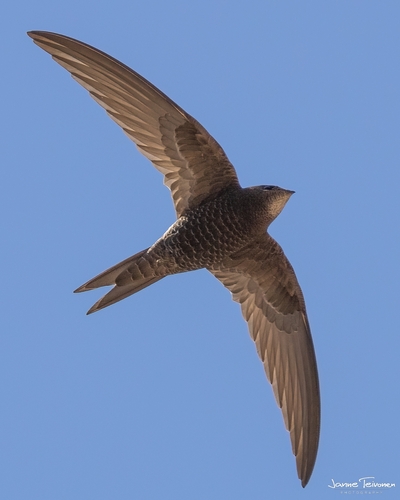
ウスアマツバメ (Apus pallidus) ウスアマツバメ
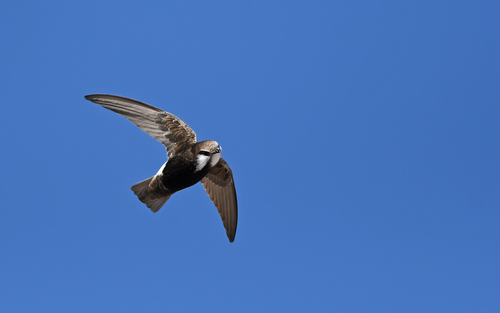
ニシヒメアマツバメ (Apus affinis) ニシヒメアマツバメ

メディア

読み込み中…

要点

ウスアマツバメとニシヒメアマツバメを区別する最も信頼できるフィールドマークは、飛行中の尾と臀部のパターンです:ウスアマツバメは長く深く分かれた尾を示し、白い臀部がありませんが、ニシヒメアマツバメは短く四角い尾と、側面に広がる目立つ白い臀部の斑点を持っています。両種とも白い喉を持っていますが、ウスアマツバメは全体的に茶色がかっており、より明るい飛行羽と腹部とのコントラストが強く、鱗状の腹部を持っています。一方、ニシヒメアマツバメはより均一に黒っぽく、鋭い白い臀部を持っています。サイズと飛行スタイルも役立ちます:ウスアマツバメは大きくてスリムで、三日月形の翼を持ち、ニシヒメアマツバメは明らかに小さく、ずんぐりしており、ハウスマーチンのようにひらひらと飛びます。これらのマークは年齢を問わず一貫しており、どちらの種にも年齢特有の上翼パターンは記載されていません。

識別のコツ

  1. 尾の形が重要: ウスアマツバメは常に飛行中に長く深く分かれた尾を示しますが、ニシヒメアマツバメは短く四角い尾と丸い羽先を持っています。これはすべての年齢で、ほとんどの飛行ビューで見ることができます。
  2. 白い臀部の斑点: ニシヒメアマツバメは側面に広がる大胆な白い臀部の斑点を持ち、上からも下からも見えます。ウスアマツバメは白い臀部を示さず、その臀部は体の他の部分よりわずかに明るいだけで、鋭いコントラストはありません。
  3. 白い喉の斑点: 両種とも白い喉を持っていますが、ウスアマツバメの方が大きく、遠くからでもより明らかに見えることが多いです。ただし、このマークだけでは診断にはなりません。
  4. 全体的な色合い: ウスアマツバメは茶色がかっており、明るい飛行羽、腹部、臀部を持ち、特に腹部においてよりコントラストが強く、鱗状の外観を与えます。ニシヒメアマツバメは喉と臀部を除いて、より均一に黒っぽいです。
  5. サイズと印象: ウスアマツバメは大きく、翼が長く、より流線型です。ニシヒメアマツバメは明らかに小さく、ずんぐりしており、コンパクトで、相対的に短い尾と翼を持っています。
  6. 飛行スタイル: ウスアマツバメは長く滑らかな滑空と力強い翼の打撃で飛び、しばしばブーメランの形に見えます。ニシヒメアマツバメはひらひらとした迅速な飛行をし、ハウスマーチンのように見え、長く滑空することはほとんどありません。
  7. 翼の形: ウスアマツバメの翼は長く、狭く、三日月形です。ニシヒメアマツバメの翼は短く、広く、ひらひらした飛行に寄与しています。
  8. 腹部のパターン: ウスアマツバメは羽の縁が明るいため、鱗状またはまだらな腹部を示します。ニシヒメアマツバメの腹部は白い喉を除いては単色の黒っぽいです。
  9. 尾羽の先端: ニシヒメアマツバメの尾羽はすべて丸い羽先を持ち、写真や近くのビューでよく見ることができます。ウスアマツバメの尾羽はより尖っており、尾は分かれています。
  10. 声: 聞こえた場合、ウスアマツバメは大きく乾いた二音節の叫び声を出しますが、ニシヒメアマツバメは高いツイート音を出します。これは、スウィフトの鳴き声を区別する自信がある場合のみ使用してください。
  11. 生息地の文脈: 南ヨーロッパでは、ニシヒメアマツバメははるかに一般的ではなく、通常は都市部やコロニーが確立された崖の近くで見られます。ウスアマツバメはより広範囲に分布し、建物にあまり依存しません。
  12. 年齢特有の翼パターンはなし: どちらの種にも記載された幼鳥や未成熟特有の上翼パターンはないため、すべての年齢は尾の形と臀部の斑点で区別できます。
  13. 止まっている鳥: 両種とも視界に止まることは稀ですが、見られた場合、ニシヒメアマツバメはよりコンパクトでずんぐりした外観を持ち、短い尾と明らかな白い臀部を持っています。ウスアマツバメはより長く、流線型に見えます。
  14. 落とし穴: 喉の斑点のサイズや一般的な暗さだけに頼らないでください。照明がこれらの印象に影響を与える可能性があります。常に尾の形と臀部のパターンを最初に確認してください。
  15. 直接比較: 両種が存在する場合、サイズ、尾、臀部の違いは際立っています。どちらか一方しか存在しない場合は、尾の形と臀部のパターンの組み合わせに焦点を当てて自信を持って識別してください。

大きさ

ウスアマツバメはニシヒメアマツバメよりも明らかに大きく、重い(体重約41.3g)です。ウスアマツバメは長さ16〜17 cmで、相対的に長い翼幅と尾を持ち、ニシヒメアマツバメは翼幅がわずか33 cmで、明らかに小さくなっています(ヨーロッパアマツバメは42 cm、ウスアマツバメよりも小さい)。フィールドでは、ニシヒメアマツバメは特に短く四角い尾のためにコンパクトでずんぐりした外観に見えます。

羽色

どちらの種にも年齢特有の上翼や飛行パターンは記載されていないため、成鳥と一般的な羽毛に焦点を当ててください。ウスアマツバメは全体的に暗い茶色で、大きな白い喉の斑点を持っていますが、飛行羽、腹部、臀部においてより明るいコントラストを示し、腹部にわずかにまだらまたは鱗状の外観を与えています。尾は長く深く分かれています。ニシヒメアマツバメは全体的に黒っぽく、白い喉と非常に目立つ白い臀部の斑点を持ち、側面に広がります。尾は短く四角く、すべての尾羽は丸い羽先を持っています。白い臀部はすべての年齢でニシヒメアマツバメの診断的な特徴です。両種とも短い脚を持ち、これはつかむためだけに使用されますが、これはフィールドマークではありません。

行動

両種とも非常に空中性が高く、垂直な表面以外ではめったに止まりません。飛行中、ウスアマツバメは長く三日月形の翼を持ち、より強力で滑空する飛行を示し、スリムに見えます。ニシヒメアマツバメはよりひらひらしており、ハウスマーチンを思わせる飛行スタイルを持ち、ずんぐりしてコンパクトに見えます。これらの違いは、両種が一緒に見られるときや直接比較されるときに最も明らかです。

生息環境

両種とも都市部や崖で見られますが、ニシヒメアマツバメは特に巣を作る建物の近くで都市や町で遭遇する可能性が高いです。ウスアマツバメも同様の生息地で見られますが、都市環境にはあまり依存しません。南ヨーロッパでは、ニシヒメアマツバメは地元の繁殖者または迷鳥であり、ウスアマツバメはより広範囲に分布しています。

声

ウスアマツバメは大きく乾いた叫び声を出し、ヨーロッパアマツバメよりも二音節的である可能性がありますが、トーンは似ています。ニシヒメアマツバメは高いツイート音を出し、ウスアマツバメの厳しい叫び声とはかなり異なります。声は鳥が鳴いている場合に役立つことがありますが、両種の音に慣れていない限り、視覚的なマークよりも信頼性は低いです。

より良い説明を送る

比較と同じ項目を使ってください。文章はすぐに公開されます。

The most reliable field mark to separate Pallid Swift from Little Swift is the tail and rump pattern in flight: Pallid Swift shows a long, deeply forked tail and lacks a white rump, while Little Swift has a short, square tail and a conspicuous white rump patch extending onto the flanks. Both species have a white throat, but Pallid Swift is overall browner and shows more contrast between paler flight feathers and underparts, with a scaly belly, while Little Swift is more uniformly blackish with a sharp white rump. Size and flight style also help: Pallid Swift is larger and sleeker with crescent-shaped wings, while Little Swift is distinctly smaller, chunkier, and flutters more like a house martin. These marks are consistent across ages, as there are no age-specific upperwing patterns described for either species.

  1. Tail shape is key: Pallid Swift always shows a long, deeply forked tail in flight, while Little Swift has a short, square tail with round-tipped feathers. This is visible at all ages and in most flight views.
  2. White rump patch: Little Swift has a bold white rump patch that wraps onto the flanks, visible from above and below. Pallid Swift never shows a white rump; its rump is only slightly paler than the rest of the body and lacks any sharp contrast.
  3. White throat patch: Both species have a white throat, but on Pallid Swift it is larger and often more obvious at a distance. However, this mark alone is not diagnostic.
  4. Overall coloration: Pallid Swift is browner, with paler flight feathers, underparts, and rump, giving a more contrasted and scaly appearance, especially on the belly. Little Swift is more uniformly blackish except for the throat and rump.
  5. Size and jizz: Pallid Swift is larger, longer-winged, and more streamlined. Little Swift is distinctly smaller, chunkier, and compact, with a proportionally shorter tail and wings.
  6. Flight style: Pallid Swift flies with long, sweeping glides and powerful wingbeats, often appearing boomerang-shaped. Little Swift has a fluttery, rapid flight, more reminiscent of a house martin, and rarely glides for long.
  7. Wing shape: Pallid Swift's wings are long, narrow, and crescent-shaped. Little Swift's wings are shorter and broader, contributing to its fluttery flight.
  8. Underpart pattern: Pallid Swift shows a scaly or mottled belly due to paler feather edges; Little Swift's underparts are plain blackish except for the white throat.
  9. Tail feather tips: Little Swift's tail feathers are all round-tipped, which can be seen well in photos or close views; Pallid Swift's tail feathers are more pointed and the tail is forked.
  10. Voice: If heard, Pallid Swift gives a loud, dry, disyllabic scream, while Little Swift produces a high twittering call. Use this only if you are confident in distinguishing swift calls.
  11. Habitat context: In southern Europe, Little Swift is much less common and usually found near urban areas or cliffs with established colonies. Pallid Swift is more widespread and less tied to buildings.
  12. No age-specific wing patterns: There are no described juvenile or immature-specific upperwing patterns for either species, so all ages can be separated by tail shape and rump patch.
  13. Perched birds: Both species rarely perch in view, but if seen, Little Swift will look more compact and stubby, with a short tail and obvious white rump; Pallid Swift will appear longer and more streamlined.
  14. Pitfalls: Do not rely solely on throat patch size or general darkness, as lighting can affect these impressions. Always check tail shape and rump pattern first.
  15. Direct comparison: If both species are present, the size, tail, and rump differences are striking. If only one is present, focus on the combination of tail shape and rump pattern for a confident ID.

Pallid Swift is noticeably larger and heavier (body mass ~41.3g) than Little Swift (no direct mass given, but described as much smaller). Pallid Swift measures 16–17 cm in length with a proportionally longer wingspan and tail, while Little Swift is significantly smaller with a wingspan of only 33 cm (compared to 42 cm for Common Swift, and less than Pallid Swift). In the field, Little Swift looks compact and stubby, especially due to its short, square tail.

There are no described age-specific upperwing or flight patterns for either species, so focus on adult and general plumage. Pallid Swift is overall dark brown with a large white throat patch, but shows a paler contrast on the flight feathers, underparts, and rump, giving a slightly mottled or scaly look to the belly. The tail is long and deeply forked. Little Swift is blackish overall with a white throat and a very prominent white rump patch that wraps onto the flanks; the tail is short, square, and all tail feathers are round-tipped. The white rump is diagnostic for Little Swift at all ages. Both species have short legs used only for clinging, but this is not a field mark.

Both species are highly aerial, rarely perching except on vertical surfaces. In flight, Pallid Swift appears sleeker with long, crescent-shaped wings and a more powerful, gliding flight. Little Swift is more fluttery, with a flight style reminiscent of a house martin, and appears chunkier and more compact. These differences are most apparent when both species are seen together or in direct comparison.

Both species can be found in urban areas and at cliffs, but Little Swift is more likely to be encountered in cities and towns, especially near buildings where it nests. Pallid Swift is also found in similar habitats but is less tied to urban environments. In southern Europe, Little Swift is a local breeder or vagrant, while Pallid Swift is more widespread.

Pallid Swift gives a loud, dry scream, possibly more disyllabic than Common Swift, but similar in tone. Little Swift has a high, twittering call, quite different from the harsh scream of Pallid Swift. Voice can be helpful if birds are calling, but is less reliable than visual marks unless you are familiar with both species' sounds.

変更を破棄しますか?

保存していない編集があります。今離れると失われます。

ウスアマツバメ · ニシヒメアマツバメ · 苦手な鳥