

Motmot

ミサゴ 対 ヨーロッパハチクマ

Pandion haliaetus 対 Pernis apivorus

ミサゴとヨーロッパハチクマのクイズ
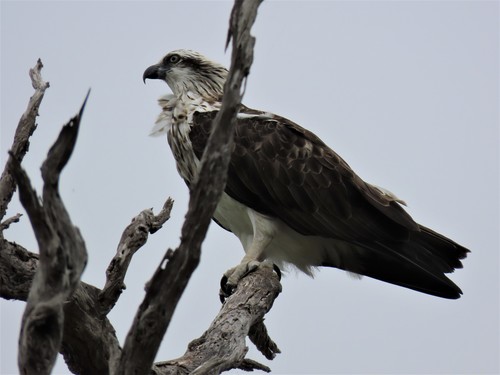
ミサゴ (Pandion haliaetus) ミサゴ
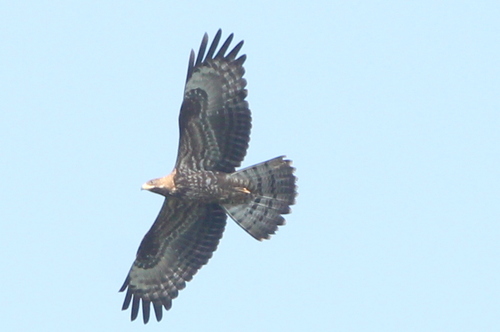
ヨーロッパハチクマ (Pernis apivorus) ヨーロッパハチクマ

メディア

読み込み中…

要点

オスプレイとヨーロッパハチクマの最も信頼できるフィールドマークは、オスプレイの目を引く翼の下の模様です:太く黒い手首のパッチと主に白い腹部があり、飛行中のすべての年齢で見ることができます。幼鳥のオスプレイは、バフの縁取りと下側が淡く清潔な外観を示しますが、ハチクマ(特に幼鳥)は、より変動があり、しばしば縞模様のある翼の下と、より長く帯状の尾を持っています。構造的に、オスプレイは重く、長く狭い翼と短い尾を持ち、ハチクマはスリムで長い首を持ち、より長い尾と少ない広い帯を持っています。両者は上面が茶色で下面が淡く見えることがありますが、オスプレイの暗い目のストライプと独特の飛行シルエットが重要です。特に距離があるときは、止まっている鳥はより難しい場合があるため、飛行中のこれらの違いを利用してください。

識別のコツ

  1. Underwing pattern in flight (all ages): オスプレイは太く黒い手首のパッチとそれ以外は白い翼の下の覆羽を示し、清潔で淡い外観を持っています。ハチクマはこれらのパッチがなく、より均等に縞模様またはまだらの翼の下を持っています。
  2. Tail shape and pattern: オスプレイは短く四角い尾を持ち、細かい縞模様があります。ハチクマは、2本の狭い暗い帯と広い終端帯を持つより長い尾を持ち、飛行中にしばしば扇状になります。
  3. Head pattern: オスプレイの白い頭には強い暗い目のストライプ(マスク)があり、距離があっても見えます。ハチクマの頭は小さく、オスは青灰色、メスは茶色で、はっきりしたマスクがありません。
  4. Flight silhouette: オスプレイの翼は長く狭く、4本の長い指のある一次羽を持ち、角度がついています。ハチクマの翼は基部が広く、平らまたはわずかに垂れ下がっており、頭は前方に突き出し、首が曲がっています。
  5. Body structure: オスプレイはよりがっしりとして重い体を持っています。ハチクマはスリムで長い首を持ち、ほぼ鳩のように見えます。
  6. Juvenile confusion: 幼鳥のオスプレイは上面にバフの縁取りがあり、淡くストライプのない腹部を持っています。幼鳥のハチクマは、より多くの縞模様を持ち、下側があまり清潔に見えないため、ヨーロッパノスリに似ることがあります。
  7. Perched birds: オスプレイは水の近くの露出した木の枝に直立して止まり、強く直接的な姿勢を持っています。ハチクマは森林の中でより秘密裏に止まり、しばしば部分的に隠れています。
  8. Behavior: オスプレイはしばしば魚のためにホバリングしたりダイビングしたりします。ハチクマはホバリングせず、森林の上を滑空したり浮かんでいるのが見られることが多いです。
  9. Habitat context: オスプレイはほぼ常に水の近くにいます。ハチクマは森林や森林の縁に結びついており、開けた水の上ではめったに見られません。
  10. Sex differences: オスプレイの性別は似ていますが、メスはより強い胸の帯を持っています。ハチクマのオスは青灰色の頭を持ち、メスは茶色ですが、これは距離があるときには微妙です。
  11. Size impression: オスプレイは明らかに大きく重いです。ハチクマは尾が長く、スリムです。
  12. Voice: ハチクマの「ぴーるー」という鳴き声は、特にディスプレイ中に明確です。オスプレイの鳴き声は高音の笛のようですが、移動中や距離があるときにはあまり聞かれません。
  13. Legs and feet: オスプレイの足は大きく白く、魚をつかむための可逆的な外側の指を持っています。ハチクマの指は長く掘るために適応していますが、これはフィールドではめったに見られません。
  14. Seasonal context: ヨーロッパでは、オスプレイは水の近くでの渡り鳥または夏の訪問者です。ハチクマは森林での夏の繁殖者であり、春と秋に渡りのピークがあります。
  15. Pitfalls: 幼鳥のハチクマはヨーロッパノスリに似ることがあり、距離があるときにオスプレイと間違えられることがありますが、オスプレイの太く目立つ翼の下の手首のパッチとマスクが欠けています。

大きさ

オスプレイはより大きく重い猛禽類です:体重は平均1400gで、長さは50〜66 cm、翼幅は127〜180 cmです。ヨーロッパハチクマは軽く(440〜1050g)、わずかに短く(52〜60 cm)、翼幅は130〜150 cmです。オスプレイの体格は飛行中や止まっているときに明らかで、頑丈な体と広い翼を持っていますが、ハチクマはスリムで、より細長く、筋肉質ではありません。オスプレイのサイズは最大のブテオや小型のワシに近いですが、ハチクマは質量ではヨーロッパノスリに近いですが、より長い翼と尾を持っています。

羽色

幼鳥のオスプレイは、上面にバフの縁取り、下側にバフの洗い、清潔な白い腹部を持っており、翼の下には太く黒い手首のパッチと主に白い覆羽があり、飛行羽にはいくつかの縞模様があります。対照的に、幼鳥のハチクマはしばしばヨーロッパノスリに似ており、翼の下と尾により多くの縞模様を示しますが、尾の帯は少なく、広いもの(通常は2本の狭いものと1本の広い終端帯)です。成鳥のオスプレイは常に暗い目のストライプ(マスク)がある白い頭、白い腹部、暗い茶色の上面を示します。彼らの翼の下の模様(黒い手首のパッチ、白い覆羽)は診断的です。成鳥のハチクマは小さく、鳩のような頭、青灰色(オス)または茶色(メス)の頭、縞模様のある変動する腹部とより長い帯状の尾を持っています。飛行中、オスプレイの翼は長く狭く、角度がついており、4本の長い指のある一次羽と短い尾を持っています。ハチクマの翼は平らに保たれ、より長い尾と手首でわずかに下向きに曲がっています。

行動

オスプレイはほぼ常に水の近くで見られ、しばしば魚のためにホバリングしたりダイビングしたりし、強く直接的な姿勢で直立して止まります。飛行中は、角度のついた翼で浮かび、しばしば手首で明確な曲がりがあります。ハチクマはより秘密裏で、通常は平らな翼で浮かんでいるのが見られ、わずかに垂れ下がった先端を持ち、ホバリングはめったにしません。森林で多くの時間を過ごし、時には高く飛んで移動したり、翼を叩いてディスプレイするのが見られます。地上では、ハチクマはオスプレイが決して示さない行動であるスズメバチの巣を掘るのが見られることがあります。

生息環境

オスプレイは開けた水に結びついています:湖、川、河口、海岸で、魚が豊富な生息地から遠く離れることはめったにありません。ハチクマは森林や森林の縁を好み、特に繁殖中は開けた水生生息地ではめったに見られません。密な森林や森の上に大きな猛禽類が見られる場合、特に水から離れているときは、ハチクマの可能性が高いです。湖、川、または海岸の上にいる場合は、オスプレイが好まれます。

声

ハチクマは特にディスプレイ中に明確な笛のような「ぴーるー」という鳴き声を出します。オスプレイの鳴き声は高音の笛の連続ですが、距離があるときや移動中にはあまり診断的ではありません。

より良い説明を送る

比較と同じ項目を使ってください。文章はすぐに公開されます。

The most reliable field mark between Osprey and European Honey-buzzard is the Osprey’s striking underwing pattern: bold black carpal (wrist) patches and mostly white underparts, visible on all ages in flight. Juvenile Ospreys show buff fringes and a pale, clean look below, while Honey-buzzards (especially juveniles) have more variable, often barred underwings and a longer, banded tail. Structurally, Ospreys are heavier, with long, narrow wings and a short tail, whereas Honey-buzzards are slimmer, long-necked, and have a longer tail with fewer, broader bars. Both can appear brown above and pale below, but the Osprey’s dark eye-stripe and distinctive flight silhouette are key. Use these differences in flight, as perched birds can be trickier, especially at a distance.

  1. Underwing pattern in flight (all ages): Osprey shows bold black carpal (wrist) patches and otherwise white underwing coverts, with a clean, pale look; Honey-buzzard lacks these patches and has more evenly barred or mottled underwings.
  2. Tail shape and pattern: Osprey has a short, squarish tail with fine barring; Honey-buzzard has a longer tail with two narrow dark bars and a broad subterminal bar, often fanned in flight.
  3. Head pattern: Osprey’s white head with a strong dark eye-stripe (mask) is visible even at distance; Honey-buzzard’s head is smaller, blue-grey in males, brown in females, and lacks a bold mask.
  4. Flight silhouette: Osprey’s wings are long, narrow, and angled with four long fingered primaries; Honey-buzzard’s wings are broader at the base, held flat or slightly drooped, and the head projects forward with a kinked neck.
  5. Body structure: Osprey is bulkier and heavier-bodied; Honey-buzzard is slimmer, long-necked, and appears almost pigeon-headed.
  6. Juvenile confusion: Juvenile Ospreys have buff fringes on upperparts and a pale, unstreaked belly; juvenile Honey-buzzards can mimic Common Buzzards, with more barring and a less clean look below.
  7. Perched birds: Ospreys perch upright, often on exposed snags near water, with a strong, direct posture; Honey-buzzards perch more secretively in woodland, often partially hidden.
  8. Behavior: Osprey often hovers or dives for fish; Honey-buzzard never hovers and is more likely to be seen soaring or gliding over woodland.
  9. Habitat context: Osprey is almost always near water; Honey-buzzard is tied to woodland and forest edges, rarely seen over open water.
  10. Sex differences: Osprey sexes are similar, but females have a stronger breast band; Honey-buzzard males have a blue-grey head, females brown, but this is subtle at distance.
  11. Size impression: Osprey is noticeably larger and heavier; Honey-buzzard is longer-tailed and slimmer.
  12. Voice: Honey-buzzard’s 'peee-lu' call is clear during display; Osprey’s calls are higher-pitched whistles, but not often heard in migration or at a distance.
  13. Legs and feet: Osprey’s feet are large, white, with reversible outer toes for grasping fish; Honey-buzzard’s toes are long and adapted for digging, but this is rarely visible in the field.
  14. Seasonal context: In Europe, Osprey is a migrant or summer visitor near water; Honey-buzzard is a summer breeder in woodland, with migration peaks in spring and autumn.
  15. Pitfalls: Juvenile Honey-buzzards can mimic Common Buzzard and may be mistaken for Osprey at a distance, but lack the Osprey’s bold underwing carpal patches and mask.

Osprey is the larger, heavier raptor: body mass averages 1400g, with a length of 50–66 cm and a wingspan of 127–180 cm. European Honey-buzzard is lighter (440–1050g), slightly shorter (52–60 cm), and has a wingspan of 130–150 cm. Osprey’s bulk is apparent in flight and perched, with a robust body and broad wings, while Honey-buzzard looks slimmer, more elongated, and less muscular. The Osprey’s size is closer to the largest Buteos or small eagles, while Honey-buzzard is closer to a Common Buzzard in mass but with longer wings and tail.

Juvenile Ospreys are distinctive with buff fringes on upperparts, a buffy wash below, and a clean white underbody; their underwings show bold black carpal patches and mostly white coverts, with some barring on flight feathers. Juvenile Honey-buzzards, in contrast, often mimic Common Buzzards, showing more barring on underwings and tail, but with fewer, broader tail bands (usually two narrow and one broad subterminal). Adult Ospreys always show a white head with a dark eye-stripe (mask), white underparts, and dark brown upperparts; their underwing pattern (black carpal patches, white coverts) is diagnostic. Adult Honey-buzzards have a small, pigeon-like head, blue-grey (male) or brown (female) head, and variable underparts with barring and a longer, banded tail. In flight, Osprey’s wings are long, narrow, and angled, with four long fingered primaries and a short tail; Honey-buzzard’s wings are held flat, with a longer tail and a slight downward kink at the wrist.

Osprey is almost always seen near water, often hovering or diving for fish, and perches upright with a strong, direct posture. In flight, it soars on angled wings, often with a distinct bend at the carpal. Honey-buzzard is more secretive, usually seen soaring on flat wings with slightly drooped tips, and rarely hovers. It spends much time in woodland, sometimes seen flying high on migration or displaying with wing-clapping. On the ground, Honey-buzzard may be seen digging for wasp nests, a behavior never shown by Osprey.

Osprey is tied to open water: lakes, rivers, estuaries, and coasts, rarely straying far from fish-rich habitats. Honey-buzzard prefers woodland and forest edges, especially during breeding, and is rarely found in open aquatic habitats. If you see a large raptor over dense woodland or forest, especially away from water, Honey-buzzard is more likely; if it’s over a lake, river, or coast, Osprey is favored.

Honey-buzzard gives a clear, whistled 'peee-lu' call, especially during display. Osprey’s call is a series of high-pitched whistles, but vocalizations are rarely diagnostic at a distance or in migration.

変更を破棄しますか?

保存していない編集があります。今離れると失われます。

ミサゴ · ヨーロッパハチクマ · 苦手な鳥