

Motmot

Northern Tropical Pewee 対 モリタイランチョウ

Contopus bogotensis 対 Contopus virens

Northern Tropical Peweeとモリタイランチョウのクイズ
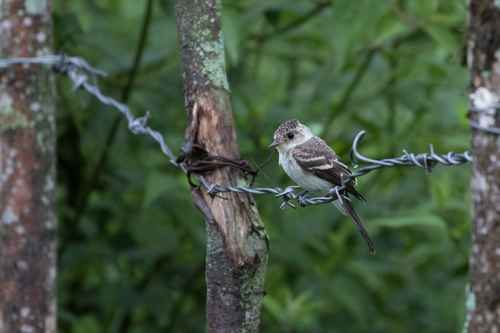
Northern Tropical Pewee (Contopus bogotensis) Northern Tropical Pewee
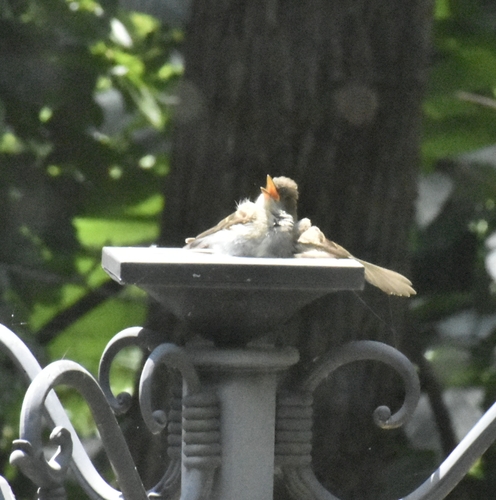
モリタイランチョウ (Contopus virens) モリタイランチョウ

メディア

読み込み中…

要点

Northern Tropical Peweeとモリタイランチョウの間で最も信頼できるフィールドマークは、幼鳥の翼のパターンです:幼鳥のNorthern Tropical Peweeは上面がより茶色で、翼覆の先端が広い淡いシナモンバフ色を持っていますが、モリタイランチョウの幼鳥はこれらの豊かなバフ色の翼のマーキングがありません。成鳥の場合、両種は2つの淡い翼帯を示しますが、Northern Tropical Peweeは一般的により暗く、上面がオリーブ色で、白いアイリングが細く、翼先が少し短く鈍いです。くちばしの色は微妙に異なり、Northern Tropical Peweeの下顎はよりオレンジ色がかり、モリタイランチョウの下顎は黄色がかっています。フィールドでは、モリタイランチョウはしばしば翼が長く、より細身に見え、特に飛行中や直立して止まっているときにそう見えます。声は異なりますが、分布域が重なる場所では必ずしも聞こえるわけではありません。生息地の重複は中米で可能ですが、モリタイランチョウは渡り鳥であり、繁殖期には北アメリカの森林にいる可能性が高いです。

識別のコツ

  1. Juvenile wing coverts: 幼鳥のNorthern Tropical Peweeは翼覆に広い淡いシナモンバフ色の先端を示し、上翼に温かみのあるバフ色の外観を与えます。幼鳥のモリタイランチョウはこれがなく、より地味で淡い翼帯を持っています。このマークは最近巣立ったり、初年度の鳥に使用してください、特に夏の終わりや秋に。
  2. Primary projection: モリタイランチョウはより長い一次羽の突出部を持ち、特に止まっているときや飛行中に尖った細い翼先を与えます。Northern Tropical Peweeの翼先は短く鈍いです。これは止まっている成鳥に最も役立ちます。
  3. Crown and face: Northern Tropical Peweeはわずかな冠を持つ暗い黒灰色の冠と薄い白いアイリングを持ち、灰色がかったオリーブ色の顔と対照的です。モリタイランチョウの冠は対照が少なく、アイリングもあまり明瞭ではありません。
  4. Upperparts color: Northern Tropical Peweeは上面がすすけたオリーブ灰色で、茶色がかったオリーブ色の尾羽と上尾覆を持っています。モリタイランチョウは上面が灰色オリーブ色で、すすけたまたは茶色がかった色合いがありません。
  5. Wingbars: 両種は2つの淡い翼帯を持っていますが、Northern Tropical Peweeのものは細く灰白色から茶灰色で、モリタイランチョウのものは淡く、少し広く見えることがあります。羽毛が擦り切れている場合、両者はあまり明瞭に見えないことがあるので、注意して使用してください。
  6. Bill color: Northern Tropical Peweeの下顎は黄色がかったまたはオレンジ色がかり、モリタイランチョウの下顎は黄色がかっています。これは微妙で、良い光の下で見るのが最適です。
  7. Underparts: 両者は下が淡いですが、Northern Tropical Peweeはより白っぽいまたは黄色がかった色合いを示すことがあり、淡い茶色の尾羽を持っています。モリタイランチョウは胸にオリーブ色の洗いがかかった淡い下部を持っています。
  8. Tail behavior: Northern Tropical Peweeは着陸時にしばしば尾を「震わせる」ことがあり、これはモリタイランチョウには見られない微妙な行動の手がかりです。
  9. Vocalizations: 明確で笛のような「pee-a'wee」または「pe-wee」の上昇音が聞こえた場合、それはモリタイランチョウです。Northern Tropical Peweeの鳴き声はここでは説明されていませんが、このパターンには合致しません。
  10. Habitat and range: 繁殖期の北アメリカでは、モリタイランチョウが期待されます。中米および南アメリカ北部、特に渡りの外では、Northern Tropical Peweeがより可能性が高いです。渡り中の中米では重複が可能ですが、その際は羽毛と構造を使用してください。
  11. Perch height: モリタイランチョウはしばしば樹冠の高い位置に止まりますが、Northern Tropical Peweeは通常中間レベルまたはエッジの止まり木にとどまります。
  12. Aggression: モリタイランチョウは非常に領土的で攻撃的であり、他の鳥を追いかけることがあります。Northern Tropical Peweeはそのように観察されることは少ないです。
  13. Nest height: 巣を見つけた場合、モリタイランチョウの巣は通常高い位置にあり(平均9m以上)、Northern Tropical Peweeの巣は低い位置にあります(2〜14m)。
  14. Sexes: 両種は性別による形態的差異がなく、羽毛のマークは両性に適用されます。
  15. Season: もし4月下旬以前に北アメリカでContopusを見ている場合、それはモリタイランチョウである可能性は低く、類似種よりも遅れて到着します。

大きさ

モリタイランチョウは平均してわずかに大きく、長さは13.5〜15cm、体重は約14gで、Northern Tropical Peweeの12〜14cmおよび8〜14gと比較されます。違いは微妙で、フィールドで常に明らかではありませんが、モリタイランチョウはやや長い翼を持ち、特に一次羽の突出部が長いため、より細身に見える傾向があります。両種は小型のフライキャッチャーであり、サイズが重なっているため、構造が絶対的な測定よりも有用です。

羽色

行動

両種は直立して止まり、露出した枝から昆虫を捕らえ、しばしば同じ止まり木に戻ります。Northern Tropical Peweeは着陸時に尾を「震わせる」ことで知られており、微妙な行動の手がかりです。モリタイランチョウは樹冠の高い位置で見られる可能性が高く(平均巣の高さが高い)、より攻撃的で領土的であり、時には他の鳥を追いかけることがあります。両種は通常孤立しているかペアで見られ、混合フロックに参加することは稀です。

生息環境

Northern Tropical Peweeはメキシコ南東部から南アメリカ北部にかけて生息し、森林のエッジや中間レベルの止まり木を好みます。モリタイランチョウは北アメリカ東部の落葉樹や混合林で繁殖し、冬には中米や南アメリカ北部に渡ります。渡り中の中米では重複が可能ですが、春と夏には北アメリカでモリタイランチョウがより可能性が高いです。Northern Tropical Peweeは年中熱帯地域にいる可能性が高く、特に樹冠の下や森林のエッジで見られます。

声

声は非常に診断的ですが、必ずしも聞こえるわけではありません。モリタイランチョウは独特で悲しげな笛のような「pee-a'wee」と上昇する「pe-wee」を発し、これはその範囲内のContopusの中でユニークです。Northern Tropical Peweeの声はこれらのメモでは詳細に説明されていませんが、モリタイランチョウの歌には合致しません。もしクラシックな「pee-a'wee」が聞こえたら、それはモリタイランチョウを聞いていることになります。

より良い説明を送る

比較と同じ項目を使ってください。文章はすぐに公開されます。

The most reliable field mark between Northern Tropical Pewee and Eastern Wood-Pewee is the juvenile wing pattern: juvenile Northern Tropical Pewees have browner upperparts and broad pale cinnamon-buff tips to the wing coverts, while Eastern Wood-Pewee juveniles lack these rich buffy wing markings. For adults, both species show two pale wingbars, but the Northern Tropical Pewee is generally duskier and more olive above, with a thinner white eye-ring and a slightly shorter, blunter wingtip. Bill color is subtly different, with the lower mandible tending more orangey in Northern Tropical Pewee and yellowish in Eastern Wood-Pewee. In the field, Eastern Wood-Pewee often appears longer-winged and more slender, especially in flight or when perched upright. Vocalizations are distinct, but not always heard where ranges overlap. Habitat overlap is possible in Central America, but Eastern Wood-Pewee is a migrant and more likely in North American woodlands during breeding season.

  1. Juvenile wing coverts: Juvenile Northern Tropical Pewee shows broad, pale cinnamon-buff tips to the wing coverts, giving a warm, buffy look to the upperwing. Juvenile Eastern Wood-Pewee lacks this, with plainer, paler wingbars. Use this mark for recently fledged or first-year birds, especially in late summer and fall.
  2. Primary projection: Eastern Wood-Pewee has longer primary projection, giving a more pointed and slender wingtip, especially obvious when perched or in flight. Northern Tropical Pewee's wingtip is shorter and blunter. This is most useful on perched adults.
  3. Crown and face: Northern Tropical Pewee has a dark blackish gray crown with a slight crest and a thin white eye-ring, set off against a grayish olive face. Eastern Wood-Pewee's crown is less contrasting, and the eye-ring is less distinct.
  4. Upperparts color: Northern Tropical Pewee is sooty olive-gray above, with brownish olive rump and uppertail coverts. Eastern Wood-Pewee is gray-olive above, lacking the sooty or brownish tones.
  5. Wingbars: Both species have two pale wingbars, but Northern Tropical Pewee's are thin and grayish white to brownish gray, while Eastern Wood-Pewee's are pale and can appear slightly broader. In worn plumage, both may look less distinct, so use with caution.
  6. Bill color: Northern Tropical Pewee has a yellowish or orangey lower mandible, while Eastern Wood-Pewee's is yellowish. This is subtle and best seen in good light.
  7. Underparts: Both are pale below, but Northern Tropical Pewee may show a whiter or yellowish tinge, and a pale brown undertail. Eastern Wood-Pewee is light below with an olive wash on the breast.
  8. Tail behavior: Northern Tropical Pewee often 'shivers' its tail upon landing, a subtle behavioral clue not noted for Eastern Wood-Pewee.
  9. Vocalizations: If you hear a clear, whistled 'pee-a'wee' or 'pe-wee' with a rising note, it's Eastern Wood-Pewee. Northern Tropical Pewee's call is not described here, but it does not match this pattern.
  10. Habitat and range: In North America during breeding season, Eastern Wood-Pewee is expected. In Central and northern South America, especially outside migration, Northern Tropical Pewee is more likely. Overlap is possible in Central America during migration—use plumage and structure then.
  11. Perch height: Eastern Wood-Pewee often perches higher in the canopy, while Northern Tropical Pewee typically stays at mid-level or edge perches.
  12. Aggression: Eastern Wood-Pewee can be quite territorial and aggressive, chasing other birds. Northern Tropical Pewee is less often observed doing so.
  13. Nest height: If you find a nest, Eastern Wood-Pewee's is usually higher (average 9 m or more), while Northern Tropical Pewee's is lower (2–14 m).
  14. Sexes: Both species are sexually monomorphic; plumage marks work for both sexes.
  15. Season: If you are seeing a Contopus in North America before late April, it is unlikely to be Eastern Wood-Pewee, which arrives later than similar species.

Eastern Wood-Pewee is slightly larger on average, measuring 13.5–15 cm in length and weighing about 14 g, compared to Northern Tropical Pewee's 12–14 cm and 8–14 g. The difference is subtle and not always apparent in the field, but Eastern Wood-Pewee tends to look a bit longer-winged and more slender, especially due to its longer primary projection. Both species are small flycatchers and overlap in size, so structure is more useful than absolute measurements.

  • Juvenile/immature birds: Juvenile Northern Tropical Pewee is distinctly browner above than adult, with broad pale cinnamon-buff tips to the wing coverts, creating a strong contrast and a warm, buffy look to the upperwing. Juvenile Eastern Wood-Pewee lacks these rich buffy edges, instead showing plainer, paler wingbars and a less contrasting upperwing.
  • Adults: Both species have two pale wingbars, but Northern Tropical Pewee's are thin and grayish white to brownish gray, while Eastern Wood-Pewee's are pale and the wings look longer and more pointed. Northern Tropical Pewee has a dark blackish gray crown with a slight crest, a thin white eye-ring, and a sooty olive-gray back, while Eastern Wood-Pewee is gray-olive above with a less distinct eye-ring and a more uniform face. Underparts are similar, but Northern Tropical Pewee may show a whiter or yellowish tinge below, and a pale brown undertail. Bill color is subtly different: Northern Tropical Pewee's lower mandible is yellowish to orangey, while Eastern Wood-Pewee's is yellowish. Both have a dark upper mandible.

Both species perch upright and sally for insects from exposed branches, often returning to the same perch. Northern Tropical Pewee is noted for 'shivering' its tail upon landing, a subtle behavioral cue. Eastern Wood-Pewee is more likely to be seen higher in the canopy (average nest height is higher) and can be more aggressive and territorial, sometimes chasing other birds. Both species are typically solitary or in pairs, rarely joining mixed flocks.

Northern Tropical Pewee is resident from southeastern Mexico to northern South America, favoring forest edges and mid-level perches. Eastern Wood-Pewee breeds in eastern North American deciduous and mixed woods, migrating to Central America and northern South America for winter. Overlap is possible in Central America during migration, but Eastern Wood-Pewee is more likely in North America in spring and summer. Northern Tropical Pewee is more likely in the tropics year-round, especially below the canopy or at forest edge.

Vocalizations are highly diagnostic but not always heard. Eastern Wood-Pewee gives a distinctive, mournful whistled 'pee-a'wee' and a rising 'pe-wee', which are unique among Contopus in its range. Northern Tropical Pewee's voice is not described in detail in these notes, but it does not match the Eastern Wood-Pewee's song. If you hear the classic 'pee-a'wee', you are hearing Eastern Wood-Pewee.

変更を破棄しますか?

保存していない編集があります。今離れると失われます。

Northern Tropical Pewee · モリタイランチョウ · 苦手な鳥