

Motmot

ハシビロガモ 対 アメリカメンフクロウ

Spatula clypeata 対 Tyto furcata

ハシビロガモとアメリカメンフクロウのクイズ
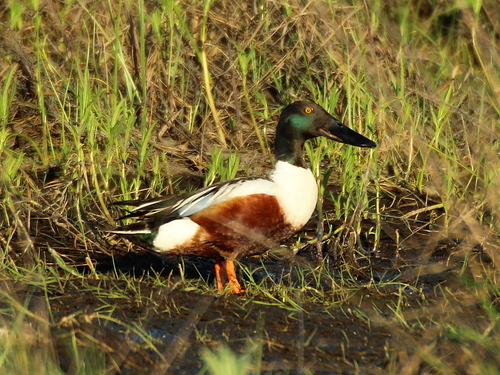
ハシビロガモ (Spatula clypeata) ハシビロガモ
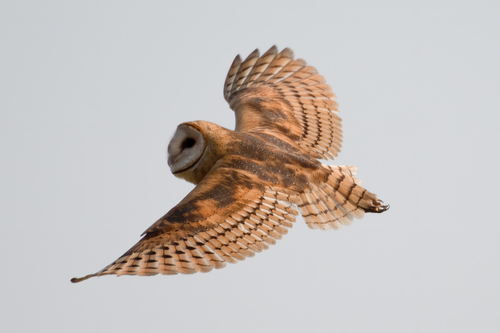
アメリカメンフクロウ (Tyto furcata) アメリカメンフクロウ

メディア

読み込み中…

要点

ノーザン・ショヴェラーとアメリカメンフクロウの最も即時的な違いは構造的なものである。ショヴェラーの長くて広いスパチュラ型のくちばしは、カモの中でユニークであり、アメリカメンフクロウの短くてフック状のくちばしとは全く異なる。飛行中、ショヴェラーは淡い青色の前羽を示し(特にオスやエクリプス羽衣の個体で)、アメリカメンフクロウの上羽は淡い茶色で暗い帯があり、青や緑は欠けている。メンフクロウは特徴的なハート型の白い顔と長く丸い翼、短く四角い尾を持ち、浮遊感のある波打つような飛行をするが、カモの安定した直線的な飛行とは異なる。距離があっても、または光が悪くても、ショヴェラーの採餌行動と生息地(開水面でのダブリング)は、アメリカメンフクロウの夜行性で、野ネズミを狩る習性とは明確に対照的である。サイズは多少重なりがあるが、フィールドマークとジズは明確に異なる。

識別のコツ

  1. くちばしの形は診断的: ノーザン・ショヴェラーは長くて広いスパチュラ型のくちばしを持ち(幼鳥や雌でも)、アメリカメンフクロウはフクロウに典型的な短くフック状のくちばしを持つ。これは、どの距離や年齢でも最も信頼できるフィールドマークである。
  2. 顔のパターン: メンフクロウは常にハート型の明るい白またはバフの顔盤を示し、黒い目があり、光が悪くても見える。ショヴェラーは典型的なカモの顔を持ち、顔盤は欠けている。
  3. 飛行中の翼のパターン: 成熟したオスとエクリプスのオスのショヴェラーは、白で縁取られた緑のスペクルムを持つ淡い青色の前羽を示し、雌と幼鳥は灰色の前羽を持つ。メンフクロウは淡い茶色の上羽に暗い帯があり、青や緑のパネルはない。
  4. 脚の色: ショヴェラーの脚は明るいオレンジ赤で、止まっている時や歩いている時に見える。メンフクロウの脚は羽毛で覆われ、ピンクから灰色で、通常は飛行中に隠れている。
  5. 体の形とジズ: ショヴェラーはがっしりとした水平なカモで、水面に低くいることが多い。メンフクロウはスリムで長い翼を持ち、浮遊感のある波打つような動きで飛び、脚をぶら下げることが多い。
  6. 尾の形: メンフクロウは短く四角い尾を持ち、ショヴェラーの尾はカモにしては長く尖っている。
  7. 羽毛の色: 繁殖羽衣のオスのショヴェラーは暗い緑の頭、白い胸、栗色の側面を持ち、雌はまだら茶色である。メンフクロウは淡い金色のバフから灰色の上面を持ち、白またはバフの下面を持ち、細かい斑点がある(特に雌に)。
  8. 生息地の文脈: ショヴェラーはほぼ常に水上にいる。メンフクロウは開けた野原、草地、または建物の中におり、水の近くにはほとんどいない。
  9. 採餌行動: ショヴェラーは水面でダブリングし、フィルター採餌を行う。メンフクロウは地上を低く飛びながら野ネズミを探して狩りをする。
  10. 飛行スタイル: ショヴェラーは直接的で安定した飛行をし、小さな群れで飛ぶことが多い。メンフクロウは静かで浮遊感のある波打つような飛行をし、通常は単独またはペアで飛ぶ。
  11. 止まり方: ショヴェラーは地面や浅い水以外ではほとんど止まらない。メンフクロウは柱や納屋、木の中に止まる。
  12. 性別と年齢の違い: 雌や幼鳥のショヴェラーは他のダブリングカモと混同されることがあるが、くちばしとジズのためにメンフクロウとは混同されない。メンフクロウの性別は主に斑点と色の強度で異なり、どちらの性別もカモには似ていない。
  13. サイズの印象: 両者は中型だが、ショヴェラーはより重くて頑丈である。メンフクロウは体に対して頭が大きく、翼が長く、より細身である。
  14. 季節的混乱: エクリプスのオスのショヴェラーは雌に似るが、常にスパチュラ型のくちばしと青い前羽を保持する。メンフクロウは混乱を引き起こすような季節的な羽毛の変化はない。
  15. 落とし穴: 極端な距離や光が悪い場合、飛んでいるメンフクロウは淡いカモと間違えられるかもしれないが、飛行スタイル、顔、青/緑の翼パネルの欠如は常に彼らを区別する。

大きさ

ノーザン・ショヴェラーは中型のカモで、長さは44–52 cm、翼幅は70–84 cm、体重は500–800 gである [wikipedia][avonet]。アメリカメンフクロウもフクロウとしては中型だが、一般的に軽量で、大型亜種の雌は550 gを超え、オスは約10%軽い [wikipedia]。両者は長さは似ているが、ショヴェラーは通常より重くて頑丈で、カモのコンパクトで水平な体を持つのに対し、メンフクロウは体に対して頭が大きく、翼が長く、より細身である。フィールドでは、ショヴェラーはがっしりとして低く見え、メンフクロウは細長く浮遊感がある。

羽色

幼鳥と雌のノーザン・ショヴェラーは上面がまだら茶色で、灰色の前羽を持つが、これらの年齢でもくちばしは長く広く、脚は明るいオレンジ赤である。繁殖羽衣の成鳥オスは暗い緑の頭、白い胸、栗色の側面を持ち、飛行中に特徴的な淡い青色の前羽と白で縁取られた緑のスペクルムを持つ。エクリプス(非繁殖)羽衣では、オスは雌に似るが淡い青色の前羽を保持する。すべての年齢のメンフクロウは淡い金色のバフから灰色の上面を持ち、細かい斑点があり、明るい白またはバフのハート型の顔と、白から赤みがかったバフまでの下面を持ち、時には小さな黒っぽい斑点がある(特に雌に)。彼らの上羽は淡い茶色で暗い帯があり、顔盤は常に目立つ。メンフクロウのどの年齢や性別もショヴェラーの青や緑の翼パネルやスパチュラ型のくちばしを示すことはない。メンフクロウの幼鳥は白い羽毛で覆われているが、すぐにハート型の顔を発達させる。飛行中、メンフクロウの翼は長く丸みを帯びており、カモのようなパターンは欠けている。

行動

ノーザン・ショヴェラーは日中活動し、ダブリングしてくちばしを左右に振り、小さな無脊椎動物や植物性物質を浅い水からフィルター採餌する。彼らはしばしば湿地や池で泳いだり、頭を上げたりする姿が見られ、ほとんど止まらない。メンフクロウは主に夜行性または薄明かりの中で、浮遊感のある静かな波打つような飛行で開けた野原を低く飛びながら野ネズミを狩る。彼らは日中に柱や納屋に止まっている姿が見られるが、開水面ではほとんど見られない。ショヴェラーは移動や冬に群れを作り、小さな群れを形成するが、メンフクロウは単独またはペアでいる。ショヴェラーの採餌技術と水生環境は、メンフクロウには決して匹敵しない。

生息環境

ノーザン・ショヴェラーは浅く泥底の湿地、池、湖に生息し、特に水生無脊椎動物が豊富な場所で見られる。彼らはほぼ常に水上またはその近くにいる。アメリカメンフクロウは開けた野原、草地、農地、森林の端を好み、しばしば納屋や木の空洞に止まる。彼らは飲むため以外は水に近づくことはほとんどない。したがって、フィールドにいるショヴェラーや池にいるメンフクロウは非常に珍しい。

声

比較のための音声はノートに提供されていない。両種は一般的にフィールドでは静かである。ショヴェラーは柔らかいクワックや口笛を発することがあるが、メンフクロウは不気味な悲鳴で知られているが、これらは提供された情報源には詳細が記載されていない。

より良い説明を送る

比較と同じ項目を使ってください。文章はすぐに公開されます。

The most immediate separation between Northern Shoveler and American Barn Owl is structural: the shoveler’s long, broad, spatulate bill is unique among ducks and utterly unlike the short, hooked bill of the barn owl. In flight, the shoveler shows a pale blue forewing (especially in males and eclipse-plumaged birds), while the barn owl’s upperwing is pale brown with darker bands and lacks any blue or green. Barn owls have a distinctive heart-shaped white face and long, rounded wings with a short, squarish tail, giving them a buoyant, undulating flight, unlike the steady, direct flight of a duck. Even at a distance or in poor light, the shoveler’s feeding behavior and habitat (dabbling in open water) contrast sharply with the barn owl’s nocturnal, rodent-hunting habits over fields or open country. Size overlaps somewhat, but field marks and jizz are unmistakably different.

  1. Bill shape is diagnostic: Northern Shoveler has a long, broad, spatulate bill (even in juveniles and females), while American Barn Owl has a short, hooked bill typical of owls. This is the most reliable field mark at any distance or age.
  2. Face pattern: Barn Owl always shows a heart-shaped, bright white or buff facial disk with black eyes, visible even in poor light. Shoveler has a typical duck face, lacking any facial disk.
  3. Wing pattern in flight: Adult male and eclipse male shovelers show a pale blue forewing with a green speculum bordered by white; females and juveniles have a grey forewing. Barn Owls have pale brown upperwings with darker bands and no blue or green panels.
  4. Leg color: Shoveler legs are bright orange-red and visible when perched or walking; barn owl legs are feathered, pink to grey, and usually hidden in flight.
  5. Body shape and jizz: Shovelers are stocky, horizontal ducks, often low in the water. Barn Owls are slim, long-winged, and fly with a buoyant, undulating motion, often with legs dangling.
  6. Tail shape: Barn Owl has a short, squarish tail, while the shoveler’s tail is longer and more pointed for a duck.
  7. Plumage color: Male shovelers in breeding plumage have a dark green head, white breast, and chestnut flanks; females are mottled brown. Barn Owls are pale golden-buff to grey above, white or buff below, with fine speckling (especially in females).
  8. Habitat context: Shovelers are almost always on water; barn owls are in open fields, grasslands, or buildings, rarely near water.
  9. Feeding behavior: Shovelers dabble and filter-feed at the water’s surface; barn owls hunt by flying low over land, searching for rodents.
  10. Flight style: Shovelers fly directly and steadily, often in small flocks; barn owls have a silent, buoyant, undulating flight, usually alone or in pairs.
  11. Perching: Shovelers rarely perch except on the ground or in shallow water; barn owls perch on posts, in barns, or in trees.
  12. Sex and age differences: Female and juvenile shovelers can be confused with other dabbling ducks but not with barn owls due to bill and jizz. Barn owl sexes differ mainly in spotting and color intensity; neither sex resembles any duck.
  13. Size impression: Both are medium-sized, but shoveler is heavier and more robust; barn owl is lankier with a larger head and longer wings relative to body.
  14. Seasonal confusion: Shoveler males in eclipse look more like females but always retain the spatulate bill and blue forewing; barn owls do not change plumage seasonally in a way that could cause confusion.
  15. Pitfalls: At extreme distance or in poor light, a flying barn owl might be mistaken for a pale duck, but the flight style, face, and lack of blue/green wing panels will always separate them.

Northern Shoveler is a medium-sized duck, measuring 44–52 cm in length with a wingspan of 70–84 cm and weighing 500–800 g [wikipedia][avonet]. American Barn Owl is also medium-sized for an owl, but generally lighter, with females of large subspecies weighing over 550 g and males about 10% less [wikipedia]. Both are similar in length, but the shoveler is typically heavier and more robust, with a duck’s compact, horizontal body, while the barn owl is slimmer, with a large head and long wings relative to its body. In the field, the shoveler appears stocky and low-slung, while the barn owl is lanky and buoyant.

Juvenile and female Northern Shovelers are mottled brown above with a grey forewing, but even in these ages, the bill is long and broad, and the legs are bright orange-red. Adult males in breeding plumage have a dark green head, white breast, and chestnut flanks, with a distinctive pale blue forewing and green speculum bordered by white in flight. In eclipse (nonbreeding) plumage, males resemble females but retain the pale blue forewing. Barn Owls of all ages have pale, golden-buff to grey upperparts with fine speckling, a bright white or buff heart-shaped face, and underparts ranging from white to reddish buff, sometimes with small blackish speckles (especially in females). Their upperwing is pale brown with darker bands, and the facial disk is always prominent. No age or sex of barn owl ever shows the blue or green wing panels of a shoveler, nor the spatulate bill. Barn owl juveniles are covered in white down but quickly develop the heart-shaped face. In flight, the barn owl’s wings are long and rounded, lacking any duck-like patterning.

Northern Shovelers are diurnal, feeding by dabbling and swinging their bills side to side to filter small invertebrates and plant matter from shallow water. They are often seen swimming or tipping up in marshes and ponds, rarely perching. Barn Owls are primarily nocturnal or crepuscular, hunting rodents by flying low over open fields with a buoyant, silent, undulating flight; they may be seen perched on posts or in barns during the day, but rarely on open water. Shovelers are gregarious in migration and winter, forming small flocks, while barn owls are solitary or in pairs. The shoveler’s feeding technique and aquatic setting are never matched by a barn owl.

Northern Shovelers are found in shallow, mud-bottomed marshes, ponds, and lakes, especially those rich in aquatic invertebrates. They are almost always seen on or near water. American Barn Owls prefer open country, grasslands, agricultural fields, and the edges of woodlands, often roosting in barns or tree cavities. They rarely approach water except to drink. Thus, a shoveler in a field or a barn owl on a pond would be highly unusual.

No comparative vocalizations are provided in the notes. Both species are generally quiet in the field; shovelers may give soft quacks or whistles, while barn owls are known for their eerie screeches, but these are not detailed in the provided sources.

変更を破棄しますか?

保存していない編集があります。今離れると失われます。

ハシビロガモ · アメリカメンフクロウ · 苦手な鳥