

Motmot

Northern Royal Albatross 対 オオフルマカモメ

Diomedea sanfordi 対 Macronectes giganteus

Northern Royal Albatrossとオオフルマカモメのクイズ
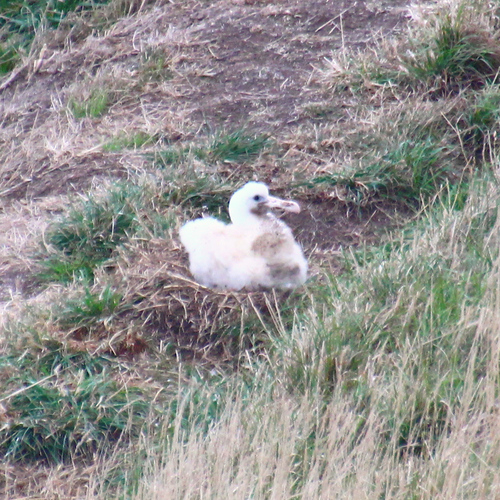
Northern Royal Albatross (Diomedea sanfordi) Northern Royal Albatross
オオフルマカモメ (Macronectes giganteus) オオフルマカモメ

メディア

読み込み中…

要点

ノーザンロイヤルアルバトロスとオオフルマカモメの最も信頼できるフィールドマークは、上翼のパターンです:幼鳥と未成熟のノーザンロイヤルアルバトロスは、散発的な白い斑点がある全体的に黒い上翼を示しますが、オオフルマカモメ(特に暗色型)は、先端が淡い色で内側の一次羽の基部が淡い色のまだらな茶色の翼を持っています。飛行中、アルバトロスは非常に大きく見え、非常に長く狭い翼と清潔な白い体を持っていますが、ペトレルは背中が曲がったプロファイルと重く短い翼の外観を持っています。くちばしの色も特徴的です:アルバトロスは黒い切断縁を持つピンクのくちばしを持っていますが、ペトレルのくちばしは黄味がかっていて緑の先端があります。淡色型のペトレルは混乱を招くほど淡いことがありますが、常にアルバトロスの巨大な翼幅と鮮明な白い尾を欠いています。これらの違いは、飛行中や近距離で最も明らかですが、距離を置いても注意深く使用することができます。

識別のコツ

  1. 飛行中の上翼パターン(幼鳥/未成熟): ノーザンロイヤルアルバトロスは、カバーの上に散発的な白い斑点がある全体的に黒い上翼を示します;オオフルマカモメ(暗色型)は、先端が淡い色で内側の一次羽の基部が淡い色のまだらな茶色の翼を持っています(特に下から見ると目立ちます)。
  2. 全体のサイズと翼幅: アルバトロスは非常に大きく、非常に長く狭い翼と巨大な翼幅(最大3メートル)を持っています;ペトレルは大きいですが、明らかに小さくてずんぐりしています。
  3. くちばしの色: ノーザンロイヤルアルバトロスは黒い切断縁を持つピンクのくちばしを持っています;オオフルマカモメは黄味がかっていて緑の先端を持っています(決してピンクではありません)。
  4. 頭と体の色(成鳥): 成鳥のアルバトロスは白い頭と体を持っています(未成熟の個体にはいくつかの暗い斑点があります);暗色型のペトレルは、頭と首が淡い色のまだらな茶色で、淡色型のペトレルは主に白ですが、散発的な暗い斑点があります。
  5. 尾のパターン: アルバトロスは黒茶色の先端を持つ白い尾を持っています;ペトレルはこの鮮明な尾のパターンを示しません。
  6. 飛行プロファイル: アルバトロスは硬く、わずかにアーチ状の翼と流線型の体で滑空します;ペトレルは背中が曲がった重い頭の外観を持ち、より頻繁に翼を羽ばたかせます。
  7. 脚の色: アルバトロスは淡いピンクの脚を持っています;ペトレルは灰色がかった茶色の脚を持っています(フィールドでは常に見えるわけではありません)。
  8. 陸上での行動: ペトレルは、特に死骸の近くで陸上を歩いたり走ったりすることがよくあります;アルバトロスは繁殖コロニーを除いて、陸上で見られることはほとんどありません。
  9. 淡色型の混乱: 淡色型のオオフルマカモメは非常に白く見えることがありますが、常にアルバトロスの巨大な翼幅、清潔な白い尾、ピンクのくちばしを欠いています。
  10. 幼鳥の混乱: 幼鳥のアルバトロスは黒い上翼を持つ白い頭を持っています;幼鳥のペトレルは全体的にすすけた茶色で、清潔な白い頭を欠いています。
  11. 生息地の文脈: アルバトロスは沖合や繁殖コロニーの近くで見られる可能性が高いですが;ペトレルは岸の近く、特に死骸や漁船の近くで見られることが多いです。
  12. 死骸との関連: ペトレルは死骸やゴミの周りに集まることがよくあります;アルバトロスはこのように食べ物をあさることはありません。
  13. 遠くからの印象: 遠くからでも、アルバトロスの長く狭い翼とより浮力のある飛行は、重くて労力のかかるペトレルと区別するのに役立ちます。
  14. 群れの構成: 他の海鳥と一緒に見られた場合、アルバトロスは通常はるかに大きいです;ペトレルは他の大きなプロセラリフォルミスの中にいることがありますが、アルバトロスのように彼らを圧倒することはめったにありません。
  15. くちばしの構造: 両者とも管状の鼻孔を持っていますが、アルバトロスのくちばしはより細く均等にテーパーされています;ペトレルのくちばしはより重く、先端がよりフック状です。

大きさ

ノーザンロイヤルアルバトロスは、翼幅が270–305 cm(106–120インチ)で、体重は通常6.2–8.2 kg(14–18ポンド)とかなり大きいです [wikipedia]。オオフルマカモメは小さく、翼幅が185–205 cm(73–81インチ)で、平均的な成鳥の体重は約4.4 kg [wikidata]ですが、コロニーや性別によってかなりのサイズの変動があります。アルバトロスのサイズは、直接比較したり、他の海鳥と一緒に見たりすると特に明らかです。

羽色

幼鳥と未成熟のノーザンロイヤルアルバトロスは、カバーの上に散発的な白い斑点がある全体的に黒い上翼を持ち、白い頭、首、腹部を持っています。尾は黒茶色の先端を持つ白で、下翼は暗い後縁を持つ白です。年齢とともに、頭、背中、尾羽はさらに白くなりますが、上翼は完全な成鳥になるまでほとんど黒のままです。対照的に、オオフルマカモメ(暗色型)の幼鳥は全体的にすすけた茶色で、年齢とともに徐々に淡くなります;成鳥は、翼の先端が淡い色で、下側の内側の一次羽の基部が淡い色のまだらな茶色の体を示します。淡色型は主に白で、まばらな黒い斑点がありますが、それでも、翼のパターンはアルバトロスのように清潔で鮮明に対比されることはありません。ペトレルのくちばしは常に黄味がかっていて緑の先端を持っていますが、アルバトロスのくちばしは黒い切断縁を持つピンクです。アルバトロスは決してオオフルマカモメのような背中が曲がった重い外観を示しません。

行動

ノーザンロイヤルアルバトロスは、飛行中により優雅で浮力があります。硬く、わずかにアーチ状の翼で滑空し、めったに羽ばたきません。繁殖コロニーを除いて、陸上を歩いているのが見られることは少ないです。オオフルマカモメは力強いですが、優雅さに欠け、背中が曲がった重い頭の飛行プロファイルとより頻繁な羽ばたきを持っています。ペトレルは、陸上を歩いたり走ったりしたり、死骸の周りで食べ物をあさることがよく見られますが、アルバトロスはめったにそうしません。

生息環境

両種は遠洋性であり、海で重なることがありますが、ノーザンロイヤルアルバトロスは主にチャタム諸島とタイアロアヘッドで繁殖し、これらのコロニーの近くや長い海洋飛行中に最もよく見られます。オオフルマカモメはさらに南で繁殖し、亜南極の島々や南極の水域により多く関連していますが、彼らの範囲は海でアルバトロスと重なります。ペトレルは、特に死骸や漁船の近くで岸の近くで見られる可能性が高いです。

より良い説明を送る

比較と同じ項目を使ってください。文章はすぐに公開されます。

The most reliable field mark between Northern Royal Albatross and Southern Giant-Petrel is the upperwing pattern: juvenile and immature Northern Royal Albatrosses show all-dark upperwings with only scattered white flecks, while Southern Giant-Petrels (especially dark morphs) have mottled brown wings with a paler leading edge and base of inner primaries. In flight, the albatross appears larger, with extremely long, narrow wings and a clean white body, while the petrel has a hunchbacked profile and a heavier, shorter-winged look. Bill color is also distinctive: the albatross has a pink bill with a black cutting edge, whereas the petrel’s bill is yellowish with a green tip. Light-morph petrels can be confusingly pale, but always lack the albatross’s massive wingspan and crisp white tail. These differences are most apparent in flight and at close range, but can be used at a distance with care.

  1. Upperwing pattern in flight (juveniles/immatures): Northern Royal Albatross shows all-dark upperwings with scattered white flecks on the coverts; Southern Giant-Petrel (dark morph) has mottled brown wings with a paler leading edge and base of inner primaries (especially visible from below).
  2. Overall size and wingspan: Albatrosses are much larger, with extremely long, narrow wings and a massive wingspan (up to 3 meters); petrels are large but noticeably smaller and bulkier.
  3. Bill color: Northern Royal Albatross has a pink bill with a black cutting edge; Southern Giant-Petrel has a yellowish bill with a green tip (never pink).
  4. Head and body color (adults): Adult albatrosses have a white head and body (with some dark speckling in immatures); dark-morph petrels are mottled brown with a paler head and neck, while light-morph petrels are mostly white but with scattered dark specks.
  5. Tail pattern: Albatrosses have a white tail with a black-brown tip; petrels do not show this crisp tail pattern.
  6. Flight profile: Albatrosses glide with stiff, slightly arched wings and a streamlined body; petrels have a hunchbacked, heavy-headed look and more frequent wingbeats.
  7. Leg color: Albatrosses have pale pink legs; petrels have greyish-brown legs (not always visible in the field).
  8. Behavior on land: Petrels are often seen walking or running on land, especially near carcasses; albatrosses are rarely seen on land except at breeding colonies.
  9. Light morph confusion: Light-morph Southern Giant-Petrels can appear very white, but always lack the albatross’s massive wingspan, clean white tail, and pink bill.
  10. Juvenile confusion: Juvenile albatrosses are white-headed with dark upperwings; juvenile petrels are sooty brown overall and lack the clean white head.
  11. Habitat context: Albatrosses are more likely to be seen far offshore or near breeding colonies; petrels are more often seen near shore, scavenging, or following ships.
  12. Association with carcasses: Petrels often gather at carcasses or refuse; albatrosses do not scavenge in this way.
  13. Jizz at a distance: Even at range, the albatross’s longer, narrower wings and more buoyant flight help separate it from the heavier, more labored petrel.
  14. Group composition: If seen with other seabirds, the albatross will usually be the largest by far; petrels may be among other large Procellariiformes but rarely dwarf them as albatrosses do.
  15. Bill structure: Both have tubular nostrils, but the albatross’s bill is more slender and evenly tapered; the petrel’s is heavier and more hooked at the tip.

Northern Royal Albatross is substantially larger, with a wingspan of 270–305 cm (106–120 in) and a body mass typically 6.2–8.2 kg (14–18 lb) [wikipedia]. Southern Giant-Petrel is smaller, with a wingspan of 185–205 cm (73–81 in) and an average adult mass of about 4.4 kg [wikidata], though there is considerable size variation by colony and sex. The albatross’s size is especially apparent in direct comparison or when seen with other seabirds.

Juvenile and immature Northern Royal Albatrosses have all-dark upperwings with only scattered white flecks on the coverts, and a white head, neck, and underparts. Their tail is white with a black-brown tip, and the underwing is white with a dark trailing edge. As they age, the head, back, and rump whiten further, but the upperwing remains mostly dark until full adulthood. In contrast, Southern Giant-Petrel (dark morph) juveniles are sooty brown overall, gradually paling with age; adults show a mottled brown body with a paler leading edge to the wing and a lighter base to the inner primaries on the underside. The light morph is mostly white with sparse black speckling, but even then, the wing pattern is never as clean or as sharply contrasting as in the albatross. The petrel’s bill is always yellowish with a green tip, while the albatross’s bill is pink with a black cutting edge. The albatross never shows the hunchbacked, heavy look of a giant petrel.

Northern Royal Albatrosses are more graceful and buoyant in flight, gliding with stiff, slightly arched wings and rarely flapping. They are less likely to be seen walking on land except at breeding colonies. Southern Giant-Petrels are powerful but less elegant, with a hunchbacked, heavy-headed flight profile and more frequent wingbeats. Petrels are often seen walking or running on land or scavenging at carcasses, which albatrosses rarely do.

Both species are pelagic and can overlap at sea, but Northern Royal Albatrosses breed mainly on the Chatham Islands and Taiaroa Head, and are most often seen near these colonies or on long oceanic flights. Southern Giant-Petrels breed further south and are more often associated with subantarctic islands and Antarctic waters, though their range overlaps with the albatross at sea. Petrels are more likely to be seen close to shore, especially near carcasses or fishing vessels.

変更を破棄しますか?

保存していない編集があります。今離れると失われます。

Northern Royal Albatross · オオフルマカモメ · 苦手な鳥