

Motmot

ヒメアカゲラ 対 カオジロアカゲラ

Dendrocoptes medius 対 Dendrocopos syriacus

ヒメアカゲラとカオジロアカゲラのクイズ
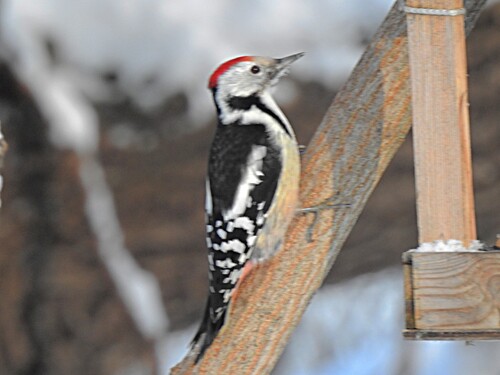
ヒメアカゲラ (Dendrocoptes medius) ヒメアカゲラ
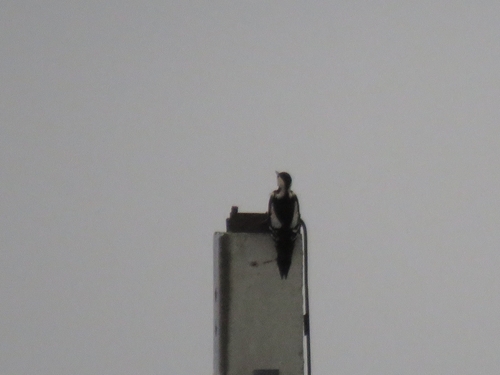
カオジロアカゲラ (Dendrocopos syriacus) カオジロアカゲラ

メディア

読み込み中…

要点

ミドルスポッテッドウッドペッカーとシリアンウッドペッカーを区別する最も信頼できるフィールドマークは頭の模様です:ミドルスポッテッドは黒い側面がなく、黒い口ひげのストライプがない固体の赤い冠を示しますが、シリアンウッドペッカーは黒と白の頭を持ち、黒い口ひげのストライプがあり(成鳥のオスでは)赤い冠ではなくクリムゾンの後頭部があります。両種の幼鳥は混乱を招くことがありますが、ミドルスポッテッドの赤い冠はより広範で、シリアンに見られる黒い縁がありません。構造も役立ちます:ミドルスポッテッドは小さく、より繊細に見え、短くて細いくちばしと、より丸く、淡い頭を持っています。飛んでいるときや止まっているときは、ミドルスポッテッドのピンクの腹部と暗い側面のストライプと、シリアンの赤みがかった腹部ときれいな側面を確認してください。くちばしの長さと頭の模様は、すべての年齢で重要です。

識別のコツ

  1. 赤い冠と後頭部(すべての年齢): ミドルスポッテッドは常に固体の赤い冠(頭の上)を示し、赤い後頭部はありません。シリアンの成鳥のオスはクリムゾンの後頭部(頭の後ろ)を持っていますが、赤い冠はありません;メスは幼鳥を除いて頭に赤がありません。
  2. 口ひげのストライプ: ミドルスポッテッドは黒い口ひげのストライプ(くちばしから頬にかけての黒い線)がなく、淡く、開いた顔の印象を与えます。シリアンはくちばしに達する明確な黒い口ひげのストライプを持ち、すべての羽衣で強い区別要素です。
  3. 頭の形と色: ミドルスポッテッドはより丸く、淡い頭を持ち、シリアンのより対照的な黒と白の頭と比べてしばしば洗い流されたように見えます。
  4. くちばしのサイズと形: ミドルスポッテッドは明らかに短くて細いくちばしを持ち、シリアンのくちばしは長くて重く、特に並べて見たときや経験があるときにより力強い印象を与えます。
  5. 側面のストライプ: ミドルスポッテッドは腹部の側面に暗いストライプを示しますが、シリアンの側面はよりきれいで淡いです。
  6. 腹部の色: ミドルスポッテッドはピンクの腹部(尾の下の部分)を持ち、シリアンの腹部は赤みがかっています。これは微妙ですが、良い光の中では役立ちます。
  7. 幼鳥の混乱: 両種の幼鳥は冠に赤を示しますが、ミドルスポッテッドのものはより広範で、黒い縁がありません。幼鳥のシリアンは赤い冠を示すことがありますが、通常は黒い縁があるか、色があまり固体ではありません。
  8. 上翼の模様: 両者は白い肩の斑点と縞模様の翼を持っていますが、これらは両者の間で診断的ではありません。翼の模様だけに頼らないでください。
  9. 尾の模様: シリアンは広げたときに外側の尾羽にいくつかの白い斑点を示しますが、これは微妙で、フィールドでの強い区別要素ではありません。
  10. サイズの印象: ミドルスポッテッドは小さく、より繊細に見えますが、サイズの重なりがあるため、これはあくまで補助的なマークです。
  11. 生息地の文脈: 公園、果樹園、または散在する木々のある開けた国ではシリアンがより可能性が高く、成熟した密な広葉樹林、特に古いオークがある場所ではミドルスポッテッドが好まれます。
  12. 声: 聞こえた場合、シリアンの鳴き声は柔らかい「クイット、クイット」で、ドラミングは長く、音量が減少します。ミドルスポッテッドの声はここでは説明されていないので、注意して使用してください。
  13. 性差: シリアンでは、オスのみが後頭部に赤を示します;メスは幼鳥を除いて赤がありません。ミドルスポッテッドでは、両性とも赤い冠を持っています。
  14. 止まっているときと飛んでいるとき: 頭の模様とくちばしのサイズは、止まっているときと飛んでいるときの両方で見ることができます;側面のストライプと腹部の色は、止まっているときや幹にしがみついているときに最もよく見えます。
  15. 一般的な落とし穴: ミドルスポッテッドの赤い冠をシリアンの後頭部の斑点と混同しないでください;常に黒い口ひげのストライプの有無と頭の赤の範囲/位置を確認してください。

大きさ

ミドルスポッテッドウッドペッカーはシリアンウッドペッカー(約23 cm)よりもわずかに小さく(20–22 cm)[wikipedia]。しかし、この違いはフィールドでは微妙です。より有用なのは印象です:ミドルスポッテッドはより優雅に見え、明らかに短くて細いくちばしと、より丸く、淡い頭を持ち、シリアンは長いくちばしでより頑丈に見えます。両者はアカゲラとサイズが似ていますが、シリアンは体積と長さがより近いです。

羽色

行動

両種は典型的なキツツキのように振る舞い、幹や枝を登り、尾を支えとして使用します。ミドルスポッテッドは時々目立たないことがあり、シリアンよりも大胆でないように見えることがあります。シリアンは開けた場所や公園の環境で見られる可能性が高いですが、両者は採餌時に秘密主義的になることがあります。情報源では大きな行動の違いは強調されていません。

生息環境

ミドルスポッテッドウッドペッカーは主にヨーロッパに生息し、特に古いオークのある成熟した広葉樹林を好みます。シリアンウッドペッカーは南東ヨーロッパからイランまで分布し、より適応性があり、しばしば開けた森林、果樹園、公園、古い木のある耕作地で見られます。分布が重なる場所では、シリアンは人間によって改変された風景で見られる可能性が高く、ミドルスポッテッドは密で成熟した森林を好みます。

声

シリアンウッドペッカーのドラミングは長く、音量が減少し、ホワイトバックウッドペッカーのものよりも速く、短いです。その鳴き声は鋭く柔らかい「クイット、クイット」で、アカゲラよりも厳しくなく、コモンレッドシャンクにやや似ています。提供されたメモにはミドルスポッテッドの特定の声の説明がないため、声はここでの主要な区別要素ではありません。

より良い説明を送る

比較と同じ項目を使ってください。文章はすぐに公開されます。

The most reliable field mark to separate Middle Spotted Woodpecker from Syrian Woodpecker is the head pattern: Middle Spotted shows a solid red crown with no black sides and lacks a black moustachial stripe, while Syrian Woodpecker has a black-and-white head with a black moustachial stripe and (in adult males) a crimson nape rather than a red crown. Juveniles of both species can be confusing, but Middle Spotted's red crown is more extensive and lacks the black border seen in Syrian. Structure also helps: Middle Spotted appears smaller and more delicate, with a shorter, finer bill and a rounder, paler head. In flight or perched, check for the pink vent and dark flank streaks of Middle Spotted versus the reddish vent and cleaner flanks of Syrian. Bill length and head pattern are key at all ages.

  1. Red crown vs. nape (all ages): Middle Spotted always shows a solid red crown (top of head), never a red nape. Syrian adult males have a crimson nape (back of head) but not a red crown; females lack red on the head except as juveniles.
  2. Moustachial stripe: Middle Spotted lacks a black moustachial stripe (the black line from the bill down the cheek), giving a pale, open-faced look. Syrian has a clear black moustachial stripe reaching the bill, a strong separator in all plumages except some juveniles.
  3. Head shape and color: Middle Spotted has a rounder, paler head, often appearing washed out compared to Syrian's more contrasting black-and-white head.
  4. Bill size and shape: Middle Spotted has a noticeably shorter, finer bill; Syrian's bill is longer and heavier, giving a more powerful look, especially when seen side-by-side or with experience.
  5. Flank streaking: Middle Spotted shows dark streaks on the flanks (sides of the belly), while Syrian's flanks are cleaner and paler.
  6. Vent color: Middle Spotted has a pink vent (area under the tail), while Syrian's is reddish. This can be subtle but is useful in good light.
  7. Juvenile confusion: Both species' juveniles show red on the crown, but Middle Spotted's is more extensive and lacks black borders. Juvenile Syrian may show a red crown but usually with some black bordering or less solid color.
  8. Upperwing pattern: Both have white shoulder patches and barred wings, but these are not diagnostic between the two. Do not rely on wing pattern alone.
  9. Tail pattern: Syrian shows a few white spots on the outer tail feathers when spread; this is subtle and not a strong separator in the field.
  10. Size impression: Middle Spotted appears smaller and more delicate, but size overlap means this is only a supporting mark.
  11. Habitat context: In parks, orchards, or open country with scattered trees, Syrian is more likely; in mature, dense deciduous woodland, especially with old oaks, Middle Spotted is favored.
  12. Voice: If heard, Syrian's call is a soft 'quit, quit' and its drumming is long and fades in volume. Middle Spotted's voice is not described here, so use with caution.
  13. Sex differences: In Syrian, only males show red on the nape; females lack red except as juveniles. In Middle Spotted, both sexes have a red crown.
  14. Perched vs. in flight: Head pattern and bill size are visible both perched and in flight; flank streaking and vent color are best seen when perched or clinging to a trunk.
  15. Common pitfalls: Do not confuse Middle Spotted's red crown for Syrian's nape patch; always check for the presence or absence of the black moustachial stripe and the extent/location of red on the head.

Middle Spotted Woodpecker is slightly smaller (20–22 cm) than Syrian Woodpecker (about 23 cm) [wikipedia]. However, this difference is subtle in the field. More useful is the impression: Middle Spotted appears daintier, with a noticeably shorter, finer bill and a rounder, paler head, while Syrian looks longer-billed and more robust. Both are similar in size to Great Spotted Woodpecker, but Syrian is closer in bulk and length.

  • Juvenile/immature birds: Both species can show red on the crown in young birds, but Middle Spotted has a solid red crown without black borders, while juvenile Syrian has a crimson crown but often with some black bordering or a less extensive patch.
  • Adults: Middle Spotted has a solid red crown (both sexes), lacks a black moustachial stripe, and shows dark streaks on the flanks and a pink vent. Syrian adult males have a crimson nape (not crown), a black moustachial stripe, and a cleaner white face with more white on the head. Syrian's vent is reddish, not pink, and the flanks are less streaked.
  • Upperwing: Both have black-and-white wings with white shoulder patches and barred flight feathers, but these patterns are not diagnostic between the two.
  • Tail: Syrian's outer tail feathers show a few white spots when spread, but this is subtle and not a strong field mark in comparison.

Both species behave like typical woodpeckers, climbing trunks and branches and using their tails for support. Middle Spotted is sometimes more inconspicuous and can appear less bold than Syrian. Syrian may be more likely to be seen in open or parkland settings, but both can be secretive when foraging. No major behavioral differences are highlighted in the sources.

Middle Spotted Woodpecker is mainly European, favoring mature deciduous forests, especially with old oaks. Syrian Woodpecker ranges from southeastern Europe to Iran and is more adaptable, often found in open woodlands, orchards, parks, and cultivated areas with old trees. Where ranges overlap, Syrian is more likely in human-modified landscapes, while Middle Spotted prefers dense, mature woodland.

Syrian Woodpecker's drumming is longer and decreases in volume, and is faster and shorter than White-backed Woodpecker's. Its call is a sharp, soft 'quit, quit,' less harsh than Great Spotted Woodpecker and somewhat reminiscent of Common Redshank. There is no specific vocal description for Middle Spotted in the provided notes, so voice is not a primary separator here.

変更を破棄しますか?

保存していない編集があります。今離れると失われます。

ヒメアカゲラ · カオジロアカゲラ · 苦手な鳥