

Motmot

アカメカラスバト 対 ヤマミカドバト

Columba vitiensis 対 Ducula badia

アカメカラスバトとヤマミカドバトのクイズ
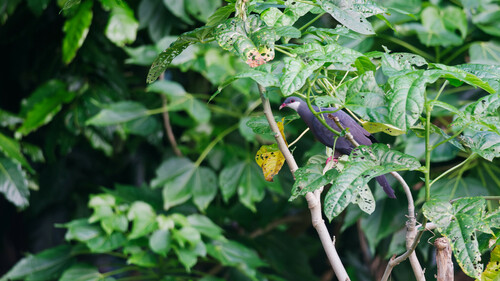
アカメカラスバト (Columba vitiensis) アカメカラスバト
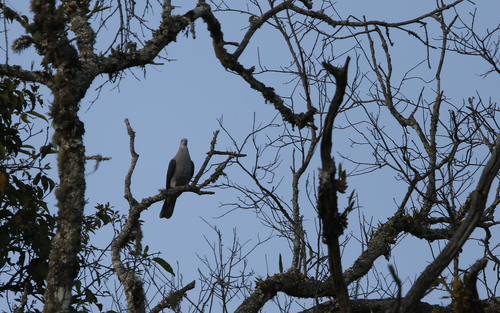
ヤマミカドバト (Ducula badia) ヤマミカドバト

メディア

読み込み中…

要点

最も信頼できるフィールドマークはサイズです:ヤマミカドバトはアカメカラスバトよりもはるかに大きく、ずんぐりした体型で、尾が長く、翼が広いです。すべての羽色において、ヤマミカドバトは、ワイン色の茶色の背中が淡い灰色の腹部と白い喉と対照的に見えますが、アカメカラスバトは小さく、よりコンパクトで、性別や亜種によって喉の色が変わる虹色の紫緑色の冠と上部を持っています。幼鳥と成鳥のアカメカラスバトは一般的に光沢があり、よりカラフルですが、いくつかの亜種や年齢では鈍く、灰色に見えることがあり、混乱を引き起こす可能性があります。構造的な違い(特に飛行中)とヤマミカドバトの背中と腹部の強いコントラストは、特に距離がある場合や混合群れの中での識別の鍵です。

識別のコツ

  1. サイズが最も直接的な手がかりです: ヤマミカドバトはアカメカラスバトよりもはるかに大きく、ずんぐりした体型で、尾が長く、翼が広いです。他の鳩やハトの隣にいる鳥をよく見ると、この違いはすべての年齢と性別で明らかです。
  2. 背中の色とコントラスト: ヤマミカドバトは常にワイン色の茶色の背中と翼を持ち、淡い灰色の腹部と白い喉と対照的です。アカメカラスバトはこの強い背中/腹部のコントラストが欠けており、一般的に上部はより暗く、虹色の変動があります。
  3. 喉の色と性差: アカメカラスバトでは、喉の色は性別や亜種によって異なります—オスはしばしば白い喉と頬を持ち、メスやいくつかの亜種は灰色です。ヤマミカドバトは常に白い喉を持ち、性別や年齢に関係なくそうです。
  4. 冠と上部の虹色: アカメカラスバト(特に成鳥やいくつかの亜種)は光沢のある紫緑色の冠と時々虹色の上部を示しますが、これはヤマミカドバトには存在しません。
  5. 腹部の色: アカメカラスバトの腹部は変動があり—鈍い栗色、ワイン色、または紫緑色の光沢があり、亜種や摩耗によって異なります。ヤマミカドバトの腹部は常にワイン色の灰色で、決して栗色や強い紫色ではありません。
  6. 尾のパターン: ヤマミカドバトは黒っぽい尾を持ち、灰色の水平線があります;アカメカラスバトの尾はあまり明確にマーキングされておらず、より均一に暗いです。
  7. 翼と飛行の形: 飛行中、ヤマミカドバトは広く丸みを帯びた翼と長い尾を示し、ゆっくりと深い翼の打撃を与えます。アカメカラスバトはよりコンパクトで、翼と尾が短く、より速く、重たくない飛行をします。
  8. 止まっているときの姿勢: ヤマミカドバトは止まっているときに細長く、重いくちばしに見え、しばしば直立して長い尾を垂らします。アカメカラスバトはよりコンパクトで、あまり直立していません。
  9. 虹彩、くちばし、眼窩の皮膚: アカメカラスバトは黄赤色の虹彩、黄色いくちばし、赤い眼窩の皮膚を持っています—これらの詳細は近距離で見えるかもしれません。ヤマミカドバトの裸の部分の色はここでは記述されていないので、注意して使用してください。
  10. 幼鳥の混乱: 幼鳥のアカメカラスバトは鈍いですが、いくつかの虹色や喉の色の性差を示すことがあります。幼鳥のヤマミカドバトは詳細には記述されていませんが、パターンでは成鳥に似ている可能性が高く、ワイン色の背中と淡い腹部を維持しています。
  11. 生息地の文脈: もしあなたが東南アジア本土の高地の広大な古い森林にいるなら、ヤマミカドバトの可能性が高いです。島やより局所的な森林、特に太平洋では、アカメカラスバトの可能性が高いです。
  12. 群れのサイズと行動: 水源での大きな群れ(数十から数百)はヤマミカドバトに典型的です。アカメカラスバトは通常、単独または小さな群れで見られます。
  13. 鳴き声: もし近距離で深く響く音を聞いたら、それはヤマミカドバトです。沈黙や他の鳴き声はアカメカラスバトの診断には役立ちません。
  14. 亜種の落とし穴: 一部のアカメカラスバトの亜種(例:C. v. griseogularis、C. v. metallica)は両性において灰色の喉を持っており、これがヤマミカドバトとの混乱を引き起こす可能性があります。この場合、サイズ、背中の色、構造を使用して区別してください。
  15. 照明と摩耗: アカメカラスバトの虹色は、悪い光や摩耗した羽毛では鈍く見えることがあり、ヤマミカドバトにより似て見えることがあります。色があいまいな場合は、常に構造的およびサイズの違いを確認してください。

大きさ

ヤマミカドバトはその範囲で最大の鳩で、長さは43〜51 cm [wikipedia]で、目立って長い尾と広く丸い翼を持っています。アカメカラスバトは小さく、最大37 cm [wikipedia]で、全体的によりコンパクトです。一緒に見たり、馴染みのある鳩と一緒に見たりすると、サイズの違いは際立っています:ヤマミカドバトははるかにずんぐりして長く見え、止まっているときも飛んでいるときもより細長いシルエットを持っています。このサイズのギャップはすべての年齢と性別で一貫しています。

羽色

行動

ヤマミカドバトは通常孤独ですが、特に休息中や山を移動する際には最大20羽の群れを作ることがあります。しばしば、ゆっくりと深い翼の打撃で樹冠の上を高く飛び、喉を膨らませて垂直飛行を行います。アカメカラスバトは主に樹上性で、ここでのディスプレイは詳細には記述されていませんが、一般的に飛行中は目立たず、中〜上部の樹冠に止まっているのが見られる可能性が高いです。両種は地面に降りて飲むことがありますが、ヤマミカドバトは水源で大きな群れで見られる可能性が高いです。

生息環境

ヤマミカドバトは東南アジア全体の広範な森林生息地に見られ、低地から山地の森林まで、古い森林を好み、500 m以上の高度で最も一般的です。海面から2,550 mまで見られ、特にヒマラヤやスマトラで見られます。アカメカラスバトは分布が不均一で、太平洋や東南アジアのさまざまな島に亜種が見られ、一般的により局所的です。両種は森林の鳩ですが、ヤマミカドバトは広大で成熟した森林や高い標高で見られる可能性が高く、アカメカラスバトはしばしば島や特定の地域に制限されます。

声

ヤマミカドバトは、近距離でのみ検出可能な深く響く音を出します。提供されたメモにはアカメカラスバトの鳴き声は記述されていません。したがって、声はヤマミカドバトの響く鳴き声が近距離で聞こえた場合にのみ役立ちます。それ以外の場合、沈黙は診断には役立ちません。

より良い説明を送る

比較と同じ項目を使ってください。文章はすぐに公開されます。

The most reliable field mark is size: Mountain Imperial-Pigeon is much larger and bulkier than Metallic Pigeon, with a longer tail and broader wings. In all plumages, Mountain Imperial-Pigeon shows a distinctive maroon-brown back contrasting with vinous-grey underparts and a white throat, while Metallic Pigeon is smaller, more compact, and has iridescent purple-green crown and upperparts with variable throat color depending on sex and subspecies. Juvenile and adult Metallic Pigeons are generally glossier and more colorful, but can appear duller and greyer in some subspecies and ages, which can cause confusion. Structural differences (especially in flight) and the strong contrast of the Mountain Imperial-Pigeon's back and underparts are key for separation, especially at a distance or in mixed flocks.

  1. Size is the most immediate clue: Mountain Imperial-Pigeon is much larger and bulkier than Metallic Pigeon, with a longer tail and broader wings. If you get a good look at the bird next to other pigeons or doves, this difference is obvious in all ages and sexes.
  2. Back color and contrast: Mountain Imperial-Pigeon always shows a maroon-brown back and wings that contrast with its paler, vinous-grey underparts and white throat. Metallic Pigeon lacks this strong back/underpart contrast and is generally darker above with variable iridescence.
  3. Throat color and sexual dimorphism: In Metallic Pigeon, throat color varies by sex and subspecies—males often have a white throat and cheeks, females and some subspecies have grey. Mountain Imperial-Pigeon always has a white throat, regardless of sex or age.
  4. Crown and upperparts iridescence: Metallic Pigeon (especially adults and some subspecies) shows a glossy purple-green crown and sometimes iridescent upperparts, which are never present in Mountain Imperial-Pigeon.
  5. Underpart color: Metallic Pigeon underparts are variable—dull chestnut, vinaceous, or purple-green gloss, depending on subspecies and wear. Mountain Imperial-Pigeon underparts are always vinous-grey and never chestnut or strongly purple.
  6. Tail pattern: Mountain Imperial-Pigeon has a blackish tail with a grey horizontal line; Metallic Pigeon’s tail is less distinctly marked and more uniformly dark.
  7. Wing and flight shape: In flight, Mountain Imperial-Pigeon shows broad, rounded wings and a long tail, giving a slow, deep wingbeat. Metallic Pigeon is more compact, with shorter wings and tail, and a quicker, less ponderous flight.
  8. Perched jizz: Mountain Imperial-Pigeon appears elongated and heavy-billed when perched, often upright with a long tail drooping. Metallic Pigeon is more compact and less upright.
  9. Iris, bill, and orbital skin: Metallic Pigeon has a yellowish-red iris, yellow bill, and red orbital skin—these details may be visible at close range. Mountain Imperial-Pigeon’s bare part colors are not described here, so use with caution.
  10. Juvenile confusion: Juvenile Metallic Pigeons are duller but may still show some iridescence and throat color dimorphism. Juvenile Mountain Imperial-Pigeon is not described, but likely resembles adults in pattern, maintaining the maroon back and pale underparts.
  11. Habitat context: If you are in a high-elevation, extensive old-growth forest in mainland Southeast Asia, Mountain Imperial-Pigeon is more likely. On islands or in more localized forests, especially in the Pacific, Metallic Pigeon is more probable.
  12. Group size and behavior: Large flocks (dozens to hundreds) at water sources are more typical of Mountain Imperial-Pigeon. Metallic Pigeon is usually seen singly or in small groups.
  13. Vocalization: If you hear a deep, resonant boom at close range, it is Mountain Imperial-Pigeon. Silence or other calls are not diagnostic for Metallic Pigeon.
  14. Subspecies pitfalls: Some Metallic Pigeon subspecies (e.g., C. v. griseogularis, C. v. metallica) have grey throats in both sexes, which can cause confusion with Mountain Imperial-Pigeon. Use size, back color, and structure to separate them in these cases.
  15. Lighting and wear: Iridescence in Metallic Pigeon can appear dull in poor light or worn plumage, making them look greyer and more similar to Mountain Imperial-Pigeon. Always check for structural and size differences if color is ambiguous.

Mountain Imperial-Pigeon is the largest pigeon in its range, measuring 43–51 cm in length [wikipedia], with a noticeably long tail and broad, rounded wings. Metallic Pigeon is smaller, up to 37 cm [wikipedia], and more compact overall. When seen together or with familiar pigeons, the size difference is striking: Mountain Imperial-Pigeon appears much bulkier and longer, with a more elongated silhouette both perched and in flight. This size gap is consistent across all ages and sexes.

  • Juvenile/Immature: Metallic Pigeon juveniles are duller than adults but still show some iridescence on the crown and upperparts, and their throat color varies by sex and subspecies (white or grey, sometimes with a malar spot). Mountain Imperial-Pigeon juveniles are not described in detail, but all ages share the basic pattern of vinous-grey underparts, a white throat, and a maroon-brown back and wings, with a blackish tail and slate-grey underwing.

  • Adult: Metallic Pigeon adults are highly variable by subspecies, but typically have an iridescent purple-green crown, black wing and uppertail coverts, and a white or grey throat (sexually dimorphic in some subspecies). Underparts can be dull chestnut, vinaceous, or glossed purple-green. Mountain Imperial-Pigeon adults always show a contrasting maroon-brown back and wings, vinous-grey head/neck/underparts, and a white throat. The tail is blackish with a grey line, and the underwing is slate-grey. The maroon back and large size are diagnostic for Mountain Imperial-Pigeon.

  • Flight views: Mountain Imperial-Pigeon in flight shows broad wings, a long tail, and the strong contrast of maroon upperparts and pale underparts. Metallic Pigeon appears more compact, with darker wings and less contrast between upperparts and underparts, though some iridescence may be visible in good light.

Mountain Imperial-Pigeon is usually solitary but can gather in groups of up to 20, especially when roosting or moving through mountains. It often flies high over the canopy with slow, deep wingbeats, and displays by puffing up its throat and performing vertical flights. Metallic Pigeon is predominantly arboreal, and while its display is not described in detail here, it is generally less conspicuous in flight and more likely to be seen perched in the mid- to upper canopy. Both species may descend to the ground to drink, but Mountain Imperial-Pigeon is more likely to be seen in large flocks at water sources.

Mountain Imperial-Pigeon is found in a wide range of forested habitats across southeastern Asia, from lowland to montane forests, but prefers old-growth and is most common above 500 m elevation. It can be seen from sea level up to 2,550 m, especially in the Himalayas and on Sumatra. Metallic Pigeon has a patchier distribution, with subspecies found on various islands in the Pacific and Southeast Asia, and is generally more localized. Both species are forest pigeons, but Mountain Imperial-Pigeon is more likely in extensive, mature forests and at higher elevations, while Metallic Pigeon is often restricted to islands or specific regions.

Mountain Imperial-Pigeon gives a deep, resonant boom that is only detectable at close range. No vocalization is described for Metallic Pigeon in the provided notes. Thus, voice is only useful if the Mountain Imperial-Pigeon’s booming call is heard at close range; otherwise, silence is not diagnostic.

変更を破棄しますか?

保存していない編集があります。今離れると失われます。

アカメカラスバト · ヤマミカドバト · 苦手な鳥