

Motmot

コチョウゲンボウ 対 ハヤブサ

Falco columbarius 対 Falco peregrinus

コチョウゲンボウとハヤブサのクイズ
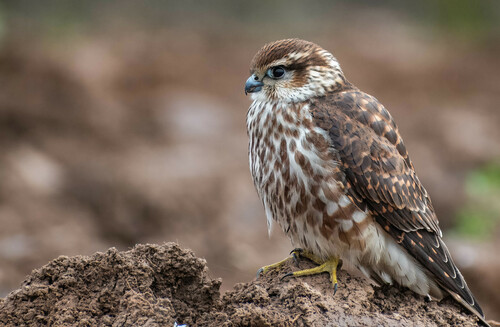
コチョウゲンボウ (Falco columbarius) コチョウゲンボウ
ハヤブサ (Falco peregrinus) ハヤブサ

メディア

読み込み中…

要点

コチョウゲンボウとハヤブサの最も信頼できるフィールドマークはサイズです:ハヤブサははるかに大きく、ずんぐりした体型で、カラスのような存在感がありますが、コチョウゲンボウは明らかに小さく、よりコンパクトです。飛行中、コチョウゲンボウは比率的に短い尾を示し、はっきりした暗い帯とパターンの少ない顔を持っていますが、ハヤブサは長く、幅広い尾と大胆な黒いフードを持っています。幼鳥と雌のコチョウゲンボウは特に混乱を招くことがありますが、ハヤブサの強い顔のマーキングと重い体格は通常明らかです。常に文脈を考慮してください—コチョウゲンボウの速く、直接的な飛行と小さなサイズは、ハヤブサの力強く、急降下する飛行と比較して独特です。

識別のコツ

  1. サイズが最初のチェック:ハヤブサはコチョウゲンボウよりもはるかに大きく、重いです。両方を一緒に見ると、その違いは際立っています。
  2. 尾のパターン:すべての年齢のコチョウゲンボウは、3〜4本の幅広い暗い帯と黒い先端を持つ明確に帯状の尾を示します。ハヤブサの尾は長く、幅広く、明確に帯状ではありません。
  3. 顔のパターン:ハヤブサは常に強い黒いフードと大胆なマラーストライプを持っており、幼鳥でもそうです。コチョウゲンボウの顔は弱くマーキングされており、わずかに見えるスーペリシリウムとマラーストライプしかありません。
  4. 腹部:コチョウゲンボウは下部に縞模様があり(特に幼鳥と雌)、ハヤブサは下部に帯状の模様があります(横の帯、縞模様ではありません)。
  5. 背中の色:成鳥のオスのコチョウゲンボウは上面が青灰色で(ハヤブサのフードほど暗くはありません)、雌と幼鳥は茶色がかっています。ハヤブサは成鳥で上面が青灰色で、目を引く黒い頭を持っています。
  6. 飛行の形:コチョウゲンボウはコンパクトで、短く尖った翼と比率的に短い尾を持っています。ハヤブサは長い翼を持ち、より幅広く、力強い翼と長い尾を持っています。
  7. 飛行スタイル:コチョウゲンボウは速く、浅い翼の打撃と迅速で直接的な動きで飛びます。ハヤブサは高いところから急降下したり、滑空したりする可能性が高く、水平飛行では遅く、深い翼の打撃を持っています。
  8. 止まっている姿:止まっているコチョウゲンボウは小さく、細身で、直立して見えます;ハヤブサは大きく、肩幅が広く、直立していて、より堂々とした姿勢を持っています。
  9. くちばしと足:両方とも黄色いセレと黄色い足を持つ暗いくちばしがありますが、これらはフィールドでの識別には信頼できません。
  10. 生息地の文脈:都市では、ハヤブサは高い建物や橋にいる可能性が高い;コチョウゲンボウは低い止まり木や開けた土地を好みます。開けた野原では、両方が見られることがありますが、サイズと飛行スタイルが重要です。
  11. 性別と年齢の混乱:雌のコチョウゲンボウはコチョウゲンボウにしては大きく見えることがありますが、それでもオスのハヤブサよりはるかに小さいです。幼鳥のハヤブサは上面がより茶色がかっているかもしれませんが、それでも大胆な顔のパターンと大きなサイズを示します。
  12. 飛行中の尾の形:コチョウゲンボウの尾は比較的短く、四角い先端を持ち、明確な帯があります;ハヤブサの尾は長く、より細く、明確に帯状ではありません。
  13. 羽毛の落とし穴:明るいオスのコチョウゲンボウは上面が青灰色に見えることがありますが、ハヤブサの強い顔のマーキングや重い体格は決して示しません。幼鳥のコチョウゲンボウは下部に縞模様があり、帯状ではありません。
  14. 行動の手がかり:コチョウゲンボウはしばしば地面近くで小さな鳥を追いかける速く、ねじれた飛行をします;ハヤブサは高高度からの急降下や高所からの待ち伏せで狩りをします。
  15. 疑問があるときは:サイズ、尾のパターン、顔のマーキングに焦点を当ててください—これらはすべての年齢と性別にわたって最も一貫したフィールドマークです。

大きさ

コチョウゲンボウは小型のハヤブサで、通常は長さ24〜33 cm、翼幅50〜73 cm、平均体重は約187 gです [wikidata]。ハヤブサははるかに大きく、カラスサイズと表現され、かなり重く、ずんぐりしています。ここでは正確なハヤブサの測定値は提供されていませんが、フィールドでの違いは劇的です:ハヤブサは頑丈で長い翼を持っているように見えますが、コチョウゲンボウはコンパクトで軽量です。両方に性差がありますが、雌のコチョウゲンボウでさえオスのハヤブサには及びません。

羽色

幼鳥と雌のコチョウゲンボウは上面が茶灰色から暗褐色で、下面は淡い茶色の縞模様があります。わずかに見えるスーペリシリウムと弱いマラーストライプしかなく、全体的に彼らの顔はハヤブサよりもはるかにマーキングが少ないです。成鳥のオスのコチョウゲンボウは上面が青灰色で、下面は縞模様がありますが、ハヤブサの強い顔のパターンは決して示しません。コチョウゲンボウの尾は明確に帯状で(3〜4本の幅広い暗い帯、黒い先端に狭い白い端帯)、すべての年齢での重要なマークです。ハヤブサは成鳥と幼鳥の両方で大胆な黒いフード、強いマラーストライプ、青灰色の背中を持ち、下面は帯状で、縞模様ではありません。飛行中、ハヤブサの翼は長く、尖っており、尾は長く、明確に帯状ではありません。顔のパターンは年齢に関係なく、常にハヤブサでより強くなります。

行動

コチョウゲンボウは速く、敏捷で、しばしば速く、低く、直接的な飛行と迅速で浅い翼の打撃で狩りをします。サイズに対して攻撃的に見えることがありますが、ハヤブサの強力で高速の急降下はありません。ハヤブサは劇的な高高度からの急降下と力強い直接的な飛行で有名です。止まっているとき、ハヤブサは直立して肩幅が広く見えますが、コチョウゲンボウはよりコンパクトで、印象が少ないです。両種は開けた地域で狩りをすることがありますが、ハヤブサはしばしば高く滑空したり、止まったりして獲物を探し、コチョウゲンボウはより低い止まり木や飛行中に狩りをする可能性が高いです。

生息環境

両種は開けた生息地に見られますが、コチョウゲンボウは北部の森林とツンドラで繁殖し、開けた土地、草原、都市部で越冬します。ハヤブサはよりコスモポリタンで、崖や高い建物に巣を作り、開けた水域、湿地、野原、都市で狩りをします。移動中や冬には、両方が開けた土地で重なることがありますが、ハヤブサは大きな水域や高い構造物のある都市景観の近くにいる可能性が高いです。

より良い説明を送る

比較と同じ項目を使ってください。文章はすぐに公開されます。

The most reliable field mark between Merlin and Peregrine Falcon is size: Peregrine is much larger and bulkier, with a crow-like presence, while Merlin is noticeably smaller and more compact. In flight, Merlin shows a proportionally shorter tail with distinct dark bands and a less patterned face, while Peregrine has a longer, broader tail and a bold black hood. Juvenile and female Merlins can be especially confusing, but Peregrine’s strong facial markings and heavier build are usually evident. Always consider context—Merlin’s rapid, direct flight and small size are distinctive compared to the powerful, stooping flight of a Peregrine.

  1. Size is the first check: Peregrine is much larger and heavier than Merlin. If you see both together, the difference is striking.
  2. Tail pattern: Merlin of all ages shows a distinctly banded tail with 3–4 broad dark bars and a black tip with a narrow white band. Peregrine’s tail is longer, broader, and less obviously banded.
  3. Facial pattern: Peregrine always has a strong black hood and bold malar stripe, even in juveniles. Merlin’s face is weakly marked, with only a faint supercilium and malar stripe.
  4. Underparts: Merlin is streaked below (especially in juveniles and females), while Peregrine is barred below (horizontal bars, not streaks).
  5. Back color: Adult male Merlin is blue-gray above (never as dark as Peregrine’s hood), while females and juveniles are brownish. Peregrine is blue-gray above in adults, with a striking black head.
  6. Flight shape: Merlin is compact, with short, pointed wings and a proportionally shorter tail. Peregrine is long-winged, with broader, more powerful wings and a longer tail.
  7. Flight style: Merlin flies with rapid, shallow wingbeats and quick, direct movements. Peregrine is more likely to soar or stoop from height, with slower, deeper wingbeats in level flight.
  8. Perched jizz: Perched Merlin looks small, slim, and upright; Peregrine appears large, broad-shouldered, and upright, with a more imposing stance.
  9. Bill and feet: Both have dark bills with yellow cere and yellow feet, but these are not reliable in the field for separation.
  10. Habitat context: In cities, Peregrine is more likely on tall buildings or bridges; Merlin prefers lower perches or open country. Over open fields, both can occur, but size and flight style are key.
  11. Sex and age confusion: Female Merlin can appear large for a Merlin, but is still much smaller than even a male Peregrine. Juvenile Peregrine may be browner above, but still shows the bold face pattern and larger size.
  12. Tail shape in flight: Merlin’s tail is relatively short and square-tipped with clear bands; Peregrine’s is longer, more tapered, and less distinctly banded.
  13. Plumage pitfalls: Light male Merlins may look blue-gray above, but never show the strong facial markings or heavy build of Peregrine. Juvenile Merlins are streaked below, not barred.
  14. Behavioral cues: Merlin often chases small birds in rapid, twisting flight close to the ground; Peregrine hunts with high-altitude stoops or by ambush from height.
  15. When in doubt: Focus on size, tail pattern, and facial markings—these are the most consistent field marks across all ages and sexes.

Merlin is a small falcon, typically 24–33 cm in length with a wingspan of 50–73 cm and an average body mass around 187 g [wikidata]. Peregrine Falcon is much larger, described as crow-sized, and is considerably heavier and bulkier. While exact Peregrine measurements are not provided here, the difference is dramatic in the field: Peregrine appears robust and long-winged, whereas Merlin is compact and lightly built. Sexual dimorphism exists in both, but even a female Merlin is dwarfed by a male Peregrine.

Juvenile and female Merlins are brownish-gray to dark brown above and pale with brown streaks below, with only a faint supercilium and weak malar stripe—overall, their face is much less marked than Peregrine. Adult male Merlins are blue-gray above and streaked below, but never show the strong facial pattern of Peregrine. The Merlin’s tail is distinctly banded (3–4 broad dark bands, black tip with a narrow white terminal band) and is a key mark in all ages. Peregrine Falcons, both adult and juvenile, have a bold black hood, strong malar stripe, and blue-gray back; underparts are barred, not streaked. In flight, Peregrine’s wings are longer and more pointed, and the tail is longer and less obviously banded. The face pattern is always much stronger in Peregrine, regardless of age.

Merlin is fast and agile, often hunting with rapid, low, direct flight and quick, shallow wingbeats. It can appear aggressive for its size, but lacks the powerful, high-speed stoop of the Peregrine. Peregrine Falcon is famous for its dramatic, high-altitude stoops and powerful, direct flight. Perched, Peregrine appears upright and broad-shouldered, while Merlin is more compact and less imposing. Both species may hunt in open areas, but Peregrine often soars or perches high, scanning for prey, while Merlin is more likely to hunt from lower perches or on the wing.

Both species can be found in open habitats, but Merlin breeds in northern forests and tundra, and winters in open country, grasslands, and urban areas. Peregrine Falcon is more cosmopolitan, nesting on cliffs and tall buildings, and hunting over open water, marshes, fields, and cities. In migration and winter, both may overlap in open country, but Peregrine is more likely near large water bodies or urban landscapes with tall structures.

変更を破棄しますか?

保存していない編集があります。今離れると失われます。

コチョウゲンボウ · ハヤブサ · 苦手な鳥