

Motmot

フジムネアルキバト 対 ヤマウズラバト

Paraclaravis mondetoura 対 Geotrygon montana

フジムネアルキバトとヤマウズラバトのクイズ
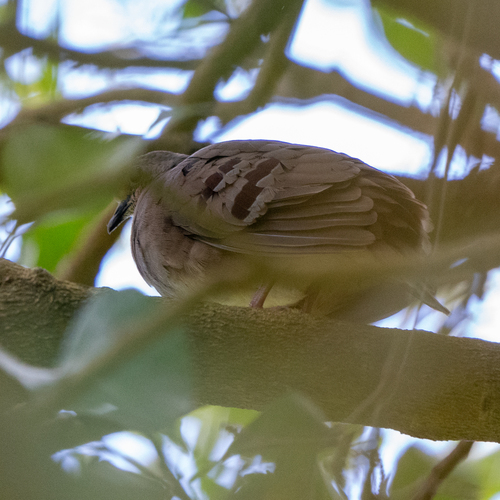
フジムネアルキバト (Paraclaravis mondetoura) フジムネアルキバト
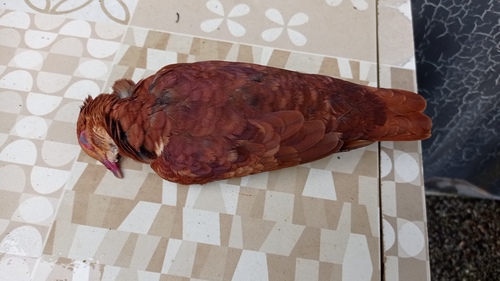
ヤマウズラバト (Geotrygon montana) ヤマウズラバト

メディア

読み込み中…

要点

フジムネアルキバトとヤマウズラバトの最も信頼できるフィールドマークは、フジムネアルキバトの折りたたまれた翼にある2本の幅広い暗い翼帯の存在です(特に成鳥のオスにおいて)。これはヤマウズラバトにはありません。成鳥のオスのフジムネアルキバトは、灰白色の顔と暗紫色の胸の印象的な組み合わせを示しますが、ヤマウズラバトは全体的に錆色で、胸と顔のマスクはより明るい茶色です。両種の雌と幼鳥はより茶色ですが、フジムネアルキバトの雌はシナモン色の顔とあまり明確でない翼帯を持ち、ヤマウズラバトはより均一にルフス色です。両者はネオトロピクスの地上に生息する鳩ですが、翼と顔のパターンはすべての年齢での識別の鍵です。

識別のコツ

  1. Look for wing bars: 成鳥のオスのフジムネアルキバトは、折りたたまれた翼に2本の幅広い暗い帯を示しますが、これはヤマウズラバトのどの年齢や性別にもありません。これは、見えるときに最も良いフィールドマークです。
  2. Face color in males: フジムネアルキバトのオスは灰白色の額、顔、顎を持ち、ヤマウズラバトのオスは錆色の顔に淡い眼下のストライプがあります。顔が淡く、頭の他の部分と対照的であれば、フジムネアルキバトを疑ってください。
  3. Breast color: フジムネアルキバトのオスは暗紫色の胸を持ち、灰色の腹部と肛門からはっきりと区別されます。ヤマウズラバトの胸はより明るい茶色で、他の羽毛と混ざっています。
  4. Upperparts and wings: フジムネアルキバトのオスは青灰色の上面と翼を持ち、ヤマウズラバトは上面と翼が均一に錆色です。
  5. Tail pattern: フジムネアルキバトは中央に灰色の尾羽を持ち、最外側は白、中央は灰白色で、対照的な尾のパターンを作ります。ヤマウズラバトの尾は対照的ではないと記述されており、より均一である可能性があります。
  6. Female and juvenile confusion: フジムネアルキバトの雌と幼鳥は全体的に茶色でシナモン色の顔を持ち、微かな翼帯を示すことがあります。ヤマウズラバトの雌と幼鳥はより均一にルフス色または錆色で、翼帯やシナモン色の顔の兆候はありません。
  7. Eye and orbital skin: フジムネアルキバトはオレンジ色の目を持ち、その周りに裸の黄色い皮膚があります。これは、よく見える場合には微妙ですが役立つマークです。ヤマウズラバトの目と眼窩の皮膚は特徴的ではないと記述されています。
  8. Size and structure: ヤマウズラバトは一般的に大きくてがっしりしていますが、サイズの重複があるため、これはあくまで補助的なマークです。
  9. Facial mask: ヤマウズラバトは特徴的な顔のマスクと淡い眼下のストライプを持ち、これはフジムネアルキバトにはありません。
  10. Plumage gloss: どちらの種についても記述されていないため、分離のために虹色や光沢に頼らないでください。
  11. Habitat and range: 両者は似たような生息地に生息する可能性があるため、一方の種の知られている範囲の外でない限り、文脈だけに頼らないでください。
  12. Flight views: 飛行中、フジムネアルキバトの翼帯(特にオスや時には雌/幼鳥)を探してください。これがない場合はヤマウズラバトを示します。
  13. Sexual dimorphism: フジムネアルキバトは強い性的二形性を示します(オスは灰色の顔、雌はシナモン色の顔)、一方ヤマウズラバトは両性ともにより均一に錆色です。
  14. Seasonal variation: どちらの種についても季節的な羽毛の違いは記述されていないため、マークは年間を通じて信頼できます。
  15. Voice: ソースには声の違いは記述されていないため、分離のために呼び声や歌に頼らないでください。

大きさ

フジムネアルキバトはわずかに小さく、よりコンパクトで、オスは18–24 cm、雌は19–22 cmの長さで、両性ともに89–95 gの重さです。ヤマウズラバトは一般的に大きく、19–28 cmの長さですが、重さは指定されていません。フィールドでは、ヤマウズラバトはよりがっしりしていて長い体に見えるかもしれませんが、サイズの重複があるため、遠くから見ると信頼できない場合があります。

羽色

行動

両種は地上に生息し、秘密主義的で、しばしば密な下草で採餌します。フィールドでの識別に役立つ特定の行動の違いは、ソースには記述されていません。

生息環境

両種は中央アメリカと南アメリカに生息し、特に山地や低地の森林で範囲が重なることがあります。フジムネアルキバトはアメリカコルディレラに関連していますが、ヤマウズラバトはより広範囲に分布し、西インド諸島や南フロリダ、テキサスの迷子としても見られます。生息地だけでは、範囲が重なる場所では診断的ではありません。

より良い説明を送る

比較と同じ項目を使ってください。文章はすぐに公開されます。

The most reliable field mark between Maroon-chested Ground Dove and Ruddy Quail-Dove is the presence of two broad dark wing bars on the folded wing of the Maroon-chested Ground Dove (especially in adult males), which are absent in Ruddy Quail-Dove. Adult male Maroon-chested Ground Doves show a striking combination of grayish white face and dark purple breast, while Ruddy Quail-Doves are overall rust-colored with a lighter brown breast and facial mask. Females and juveniles of both species are browner, but Maroon-chested Ground Dove females have a cinnamon face and less distinct wing bars, while Ruddy Quail-Doves remain more uniformly rufous. Both are ground-dwelling doves of the Neotropics, but their wing and face patterns are key for separation at all ages.

  1. Look for wing bars: Adult male Maroon-chested Ground Doves show two broad dark bars on the folded wing, which are absent in Ruddy Quail-Dove of any age or sex. This is the single best field mark when visible.
  2. Face color in males: Maroon-chested Ground Dove males have a grayish white forehead, face, and chin, while Ruddy Quail-Dove males have a rust-colored face with a pale undereye stripe. If the face is pale and contrasts with the rest of the head, suspect Maroon-chested.
  3. Breast color: Maroon-chested Ground Dove males have a dark purple breast, sharply set off from the gray belly and vent. Ruddy Quail-Dove's breast is a lighter brown, blending into the rest of the plumage.
  4. Upperparts and wings: Maroon-chested Ground Dove males have blue-gray upperparts and wings, while Ruddy Quail-Dove is uniformly rust-colored above and on the wings.
  5. Tail pattern: Maroon-chested Ground Dove has central gray tail feathers, with outermost ones white and intermediates grayish white, creating a contrasting tail pattern. Ruddy Quail-Dove's tail is not described as contrasting and is likely more uniform.
  6. Female and juvenile confusion: Female and juvenile Maroon-chested Ground Doves are brown overall with a cinnamon face, and may show faint wing bars. Ruddy Quail-Dove females and juveniles are more uniformly rufous or rust-brown without any hint of wing bars or cinnamon face.
  7. Eye and orbital skin: Maroon-chested Ground Dove has an orange eye with bare yellow skin around it, which can be a subtle but helpful mark if seen well. Ruddy Quail-Dove's eye and orbital skin are not described as distinctive.
  8. Size and structure: Ruddy Quail-Dove is generally larger and bulkier, but size overlap means this is only a supporting mark.
  9. Facial mask: Ruddy Quail-Dove has a distinctive facial mask and pale undereye stripe, which is not present in Maroon-chested Ground Dove.
  10. Plumage gloss: Not described for either species, so do not rely on iridescence or gloss for separation.
  11. Habitat and range: Both can occur in similar habitats, so do not rely on context alone unless outside the known range of one species.
  12. Flight views: In flight, look for the wing bars on Maroon-chested Ground Dove (especially in males and sometimes females/juveniles); their absence points to Ruddy Quail-Dove.
  13. Sexual dimorphism: Maroon-chested Ground Dove shows strong sexual dimorphism (males gray-faced, females cinnamon-faced), while Ruddy Quail-Dove is more uniformly rust-colored in both sexes.
  14. Seasonal variation: No seasonal plumage differences are described for either species, so marks are reliable year-round.
  15. Voice: No vocal differences are described in the sources, so do not rely on calls or songs for separation.

Maroon-chested Ground Dove is slightly smaller and more compact, with males measuring 18–24 cm and females 19–22 cm in length, and both sexes weighing 89–95 g. Ruddy Quail-Dove is generally larger, ranging from 19–28 cm in length, but weight is not specified. In the field, Ruddy Quail-Dove may appear bulkier and longer-bodied, but size overlap can make this unreliable at a distance or without direct comparison.

  • Juvenile and Female: Maroon-chested Ground Dove juveniles and females are brown overall with a cinnamon face, and the wing bars are less distinct but still sometimes visible. Ruddy Quail-Dove juveniles and females are uniformly rust-brown with a lighter brown breast and facial mask, lacking any wing bars.
  • Adult Male: Maroon-chested Ground Dove males have a grayish white forehead, face, and chin, a dark purple breast, blue-gray upperparts and wings with two broad dark wing bars, and a gray-to-white tail pattern. Ruddy Quail-Dove males are rust-colored above and on the face, with a lighter brown breast, rump, and a pale undereye stripe, but no wing bars.
  • Tail: Maroon-chested Ground Dove shows a gray-to-white tail pattern, with the outermost feathers white, while Ruddy Quail-Dove's tail is not specifically described but is not noted as contrasting.
  • Eye and Facial Skin: Maroon-chested Ground Dove has an orange eye with bare yellow skin around it; this is not described for Ruddy Quail-Dove.

Both species are ground-dwelling and secretive, often foraging in dense undergrowth. There are no specific behavioral differences described in the sources that are diagnostic for field separation.

Both species occur in Central and South America and can overlap in range, especially in montane and lowland forests. Maroon-chested Ground Dove is associated with the American Cordillera, while Ruddy Quail-Dove is more widespread, including the West Indies and as a vagrant in southern Florida and Texas. Habitat alone is not diagnostic where ranges overlap.

変更を破棄しますか?

保存していない編集があります。今離れると失われます。

フジムネアルキバト · ヤマウズラバト · 苦手な鳥