

Motmot

Malagasy Brush-Warbler 対 ハンサバクシマヨシキリ

Nesillas typica 対 Nesillas lantzii

Malagasy Brush-Warblerとハンサバクシマヨシキリのクイズ
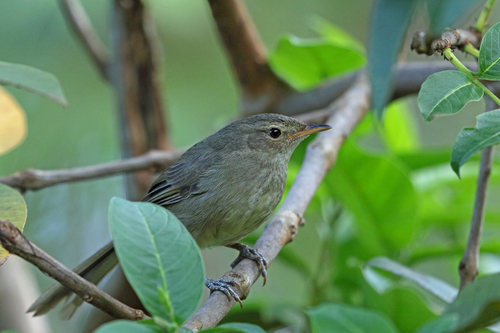
Malagasy Brush-Warbler (Nesillas typica) Malagasy Brush-Warbler
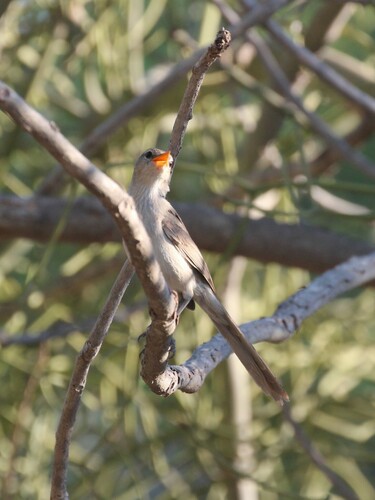
ハンサバクシマヨシキリ (Nesillas lantzii) ハンサバクシマヨシキリ

メディア

読み込み中…

要点

Malagasy Brush-WarblerとハンサバクシマヨシキリはどちらもマダガスカルのNesillasウグイスですが、Malagasyはより広範囲に分布しており(コモロにも生息)、通常は森林の下草に見られますが、ハンサバクシマヨシキリはマダガスカルに限定されています。利用可能な情報に基づく最も信頼できるフィールドマークは、茶色の羽毛に対して際立った白い眉毛を持つMalagasyです。両種は構造的に似ており、細身で長い尾と短く丸い翼を持っていますが、Malagasyはやや重い傾向があり、少し頑丈に見えることがあります。フィールドでは、生息地と大胆な顔のマーキングの有無が最良の手がかりとなります。年齢特有の羽毛や声の違いに関する詳細な情報は不足しています。

識別のコツ

  1. 白い眉毛: Malagasy Brush-Warblerは茶色の顔の上に大胆で対照的な白い眉毛を示します—これは最も信頼できるフィールドマークであり、すべての年齢と季節に適用されます。ハンサバクシマヨシリはそのような強い顔の対比についての言及がありません。
  2. 顔の構造: Malagasyは低い額と頭頂を持ち、時にはわずかに冠を形成します。この微妙な形状を止まっている鳥で探してください。ただし、直接比較なしでは判断が難しい場合があります。
  3. 尾の形と長さ: 両種は長く、段階的な尾を持っています; これは分離マークではありませんが、Nesillasウグイスを確認するのに役立ちます。
  4. 翼の形: 両方とも短く丸い翼を持ち、これが彼らの弱く短い飛行に寄与しています。これは二者間の診断にはなりませんが、他のマダガスカルのウグイスと区別するのに役立ちます。
  5. サイズ: Malagasyはやや重い(18.1g)で、少し頑丈に見えることがありますが、これは両種が一緒に見られない限りフィールドでの信頼できるマークではありません。
  6. 生息地: Malagasyは森林の下草に見られ、特に湿ったまたは乾燥した森林や低木地に生息し、マダガスカルとコモロに広く分布しています。ハンサバクシマヨシリはマダガスカルに限定され、乾燥したより開けた生息地を好む可能性があります—位置と生息地の種類を知っている場合はこの文脈を使用してください。
  7. 行動: 両種は孤独またはペアで見られ、短い距離を飛ぶ傾向があります。行動は信頼できる分離要因ではありません。
  8. くちばし: Malagasyは長い茶色のくちばしを持っていますが、ハンサバクシマヨシキリの比較情報はありません; このマークだけを使用しないでください。
  9. 飛行時の視点: どちらの種も飛行中に特徴的な翼や尾のパターンは記載されていないため、分離のために上翼や尾のマーキングに頼らないでください。
  10. 幼鳥/未成熟の羽毛: 年齢特有の違いに関する情報は利用できないため、上記のすべてのフィールドマークは大人と未成熟の両方に平等に適用されます。
  11. 声: 比較情報は利用できません; 現在の情報源に基づいて分離のために歌や鳴き声を使用しないでください。
  12. 性差: 両性は構造と羽毛が似ており、サイズの違いはわずかです(Malagasyではオスがやや大きい)。
  13. 落とし穴: 主な落とし穴は、Malagasy Brush-Warblerの白い眉毛を見落とすことや、生息地だけが診断的であると仮定することです—常に最初に顔の対比を探してください。
  14. 地理的範囲: コモロにいる場合、Malagasy Brush-Warblerに出会う可能性が高いです。マダガスカルでは、生息地と顔のマーキングを確認してください。
  15. 疑問がある場合: 大胆な白い眉毛と生息地の文脈の存在を優先してください; どちらも明確でない場合、現在の情報では識別が不可能な場合があります。

大きさ

Malagasy Brush-Warblerは体重が平均18.1gです [wikidata]。オスの翼幅は62–70mm、尾は72–93mm(メスはやや小さく、翼は58–67mm、尾は67–83mm)です [wikipedia]。ハンサバクシマヨシリの直接的な測定値は利用できませんが、構造的には両方とも細身で、長い段階的な尾と短く丸い翼を持つと記載されています。Malagasyはわずかに重く、場合によっては少し頑丈に見えることが期待されますが、これは微妙であり、並べて比較しない限り信頼できるフィールドマークではありません。

羽色

両種とも成鳥は一般的に上面が茶色で下面が淡いですが、Malagasy Brush-Warblerはその際立った白い眉毛で目立ちます—これは利用可能な情報源ではハンサバクシマヨシキリには帰属されていない特徴です。Malagasyはまた、低い額と頭頂を示し、時にはわずかに冠を形成します。幼鳥や未成熟の羽毛に関する詳細な情報は利用できず、飛行中の特定の翼パターンの違いもありません。したがって、すべての羽毛における最良の分離は、大胆な白い眉毛の存在または不在と全体的な顔の対比です。両方とも長い段階的な尾と短く丸い翼を持ち、年齢特有の上翼パターンの記載はありません。

行動

両種は通常、孤独またはペアで見られ、短い距離を飛ぶ傾向があります。これは彼らの短く丸い翼によるものと思われます。Malagasy Brush-Warblerは森林の下草の鳥として知られており、これがその行動に影響を与える可能性があります—隠れて低く採餌し、カバーの間を素早くダッシュします。フィールドでハンサバクシマヨシキリをMalagasyから信頼できるように分離する行動特性は記載されていませんが、可能な生息地の好みを除いてはありません。

生息環境

Malagasy Brush-Warblerはマダガスカルとコモロ諸島に広く分布し、亜熱帯または熱帯の乾燥森林、湿った低地森林、湿った低木地に生息しています [wikipedia]。ハンサバクシマヨシキリはマダガスカルに限定され、その名前と範囲から推測すると、乾燥したより開けたまたは亜砂漠の生息地を好む可能性がありますが、これは利用可能なメモには明示されていません。したがって、生息地の文脈は役立つ場合があります: Malagasyは湿った森林の下草に、ハンサバクシマヨシキリは乾燥したより開けた地域にいます。

より良い説明を送る

比較と同じ項目を使ってください。文章はすぐに公開されます。

Malagasy Brush-Warbler and Subdesert Brush-Warbler are both Nesillas warblers of Madagascar, but the Malagasy is more widespread (also on the Comoros) and typically found in forest undergrowth, while the Subdesert is restricted to Madagascar. The most reliable field mark, based on available information, is the Malagasy's contrasting white eyebrows set against brown plumage. Both species are structurally similar—slim, with long, graduated tails and short, rounded wings—but the Malagasy tends to be slightly heavier and may appear a bit more robust. In the field, habitat and the presence or absence of bold facial markings are your best clues, as detailed information on age-specific plumage or vocal differences is lacking.

  1. White eyebrows: Malagasy Brush-Warbler shows bold, contrasting white eyebrows above a brown face—this is the single most reliable field mark and applies to all ages and seasons. Subdesert Brush-Warbler lacks any mention of such a strong facial contrast.
  2. Facial structure: Malagasy has a low forehead and crown, sometimes raised to a slight crest. Look for this subtle shape in perched birds, though it may be hard to judge without direct comparison.
  3. Tail shape and length: Both species have long, graduated tails; this is not a separating mark but helps confirm you have a Nesillas warbler.
  4. Wing shape: Both have short, rounded wings, which contribute to their weak, short flights. This is not diagnostic between the two but helps distinguish them from other Malagasy warblers.
  5. Size: Malagasy is slightly heavier (18.1g) and may appear a bit more robust, but this is not a reliable mark in the field unless both species are seen together.
  6. Habitat: Malagasy is found in forest undergrowth, especially in moist or dry forests and shrubland, and is widespread in Madagascar and the Comoros. Subdesert is restricted to Madagascar and likely prefers drier, more open habitats—use this context if you know your location and habitat type.
  7. Behavior: Both species are solitary or in pairs and tend to fly short distances. Behavior is not a reliable separator.
  8. Bill: Malagasy has a long, brown bill, but there is no comparative information for Subdesert; do not use this mark alone.
  9. Flight views: No distinctive wing or tail pattern is described for either species in flight, so do not rely on upperwing or tail markings for separation.
  10. Juvenile/immature plumage: No information is available for age-specific differences, so all field marks above apply equally to adults and immatures.
  11. Vocalizations: No comparative information is available; do not use song or call for separation based on current sources.
  12. Sexual dimorphism: Both sexes are similar in structure and plumage, with only minor size differences (males slightly larger in Malagasy).
  13. Pitfalls: The main pitfall is overlooking the white eyebrow of Malagasy Brush-Warbler or assuming habitat alone is diagnostic—always look for facial contrast first.
  14. Geographic range: If you are on the Comoros, you are only likely to encounter Malagasy Brush-Warbler. In Madagascar, check habitat and facial markings.
  15. When in doubt: Prioritize the presence of bold white eyebrows and habitat context; if neither is clear, identification may not be possible with current information.

Malagasy Brush-Warbler averages 18.1g in body mass [wikidata], with male wingspans of 62–70mm and tails 72–93mm (females slightly smaller: wings 58–67mm, tails 67–83mm) [wikipedia]. No direct measurements are available for Subdesert Brush-Warbler, but structurally both are described as slim, with long, graduated tails and short, rounded wings. Expect the Malagasy to be marginally heavier and possibly a touch more robust, but this is subtle and not a reliable field mark without side-by-side comparison.

For both species, adults are generally brown above and paler below, but the Malagasy Brush-Warbler stands out with its sharply contrasting white eyebrows—a feature not attributed to Subdesert Brush-Warbler in the available sources. The Malagasy also shows a low forehead and crown, sometimes forming a slight crest. No detailed information is available for juvenile or immature plumages, nor for specific wing pattern differences in flight. Thus, the best separation in all plumages is the presence or absence of bold white eyebrows and overall facial contrast. Both have long, graduated tails and short, rounded wings, with no mention of distinctive age-specific upperwing patterns.

Both species are described as typically solitary or in pairs and tend to fly short distances, likely due to their short, rounded wings. The Malagasy Brush-Warbler is noted for being a bird of forest undergrowth, which may influence its behavior—skulking, low foraging, and quick dashes between cover. There is no behavioral trait described that reliably separates Subdesert from Malagasy in the field, aside from possible habitat preferences.

Malagasy Brush-Warbler is widespread in Madagascar and the Comoro Islands, inhabiting forest undergrowth in subtropical or tropical dry forests, moist lowland forests, and moist shrubland [wikipedia]. Subdesert Brush-Warbler is restricted to Madagascar and, by implication of its name and range, likely favors drier, more open or subdesert habitats, though this is not explicitly stated in the available notes. Thus, habitat context can be helpful: Malagasy in moist forest undergrowth, Subdesert in drier, more open areas.

変更を破棄しますか?

保存していない編集があります。今離れると失われます。

Malagasy Brush-Warbler · ハンサバクシマヨシキリ · 苦手な鳥