

Motmot

マカロニペンギン 対 イワトビペンギン

Eudyptes chrysolophus 対 Eudyptes chrysocome

マカロニペンギンとイワトビペンギンのクイズ
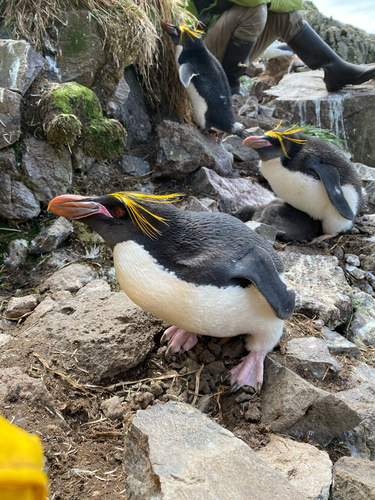
マカロニペンギン (Eudyptes chrysolophus) マカロニペンギン
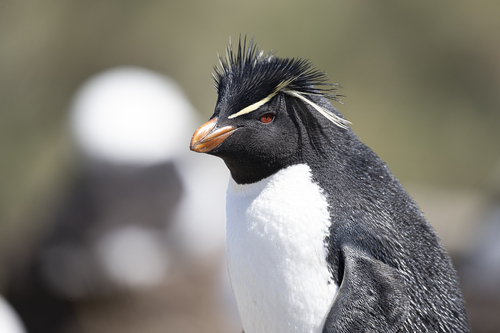
イワトビペンギン (Eudyptes chrysocome) イワトビペンギン

メディア

読み込み中…

要点

マカロニペンギンとイワトビペンギンの最も信頼できるフィールドマークは、冠の形と配置です:マカロニペンギンは、額の中心から始まり、真っ直ぐ後ろに伸びる厚くてふさふさした黄色の冠を持っていますが、イワトビペンギンは、目の上から始まり外側に広がる細くてまばらな黄色の冠を示し、しばしば「眉毛」のように見えます。マカロニペンギンはまた、目に見えて大きくてがっしりしており、より重く、より膨らんだオレンジ茶色のくちばしを持っています。未熟なマカロニペンギンは完全な冠を欠き、くちばしが鈍い色をしているため、イワトビペンギンと混同されることがありますが、全体的なサイズとくちばしの形は依然として役立ちます。両者は似たような黒と白のパターンを持つ冠のあるペンギンであるため、特に混合コロニーや海上では、頭の詳細と構造に注意を払うことが重要です。

識別のコツ

  1. Crest shape and placement (all ages): マカロニペンギンは、額の中心から始まり、真っ直ぐ後ろに伸びる厚くてふさふさした黄色の冠を持っています; イワトビペンギンは、目の上から始まり外側に広がる細くてまばらな黄色の冠を持ち、しばしば「眉毛」のように見えます。
  2. Bill size and shape (all ages): マカロニペンギンは、くちばしから目までのピンクがかった裸の部分を持つ大きくて膨らんだオレンジ茶色のくちばしを示します; イワトビペンギンは、より細く短いくちばしを持ち、裸の部分があまり目立ちません。
  3. Overall size (all ages): マカロニペンギンは、イワトビペンギンよりもはるかに大きく重い(約5 kg対2.5 kg)で、未熟な個体でもがっしりとした体型を持っています。これは、冠が見えない場合の最良の代替マークです。
  4. Crest in immatures: 若いマカロニペンギンは完全な冠を欠くか、散発的な黄色の羽毛しか持たないことがありますが、イワトビペンギンの未熟な個体よりも大きく、重いくちばしを持っています。
  5. Head pattern: 両種は黒い頭を持っていますが、マカロニペンギンの黒は白い腹部からはっきりと区別され、冠はより中央にあります; イワトビペンギンの黄色は常に目の上にあり、よりトゲトゲしています。
  6. Bill color in immatures: 未熟なマカロニペンギンは鈍い茶色のくちばしを持ち、混乱を引き起こすことがありますが、くちばしはイワトビペンギンよりも厚くなっています。
  7. Leg and foot color: 両者はピンクの足と足を持っていますが、マカロニペンギンの方がややがっしりしています; 主要なマークではありませんが、近くで見ると役立つかもしれません。
  8. Bare skin patch: マカロニペンギンは、くちばしの基部から目までのピンクがかった裸の部分を持っており、これはイワトビペンギンではあまり目立ちません。
  9. Behavior (in colony): イワトビペンギンは、岩や巨石の上を元気に跳ね回っているのが見られることが多いですが、マカロニペンギンもそうすることがありますが、特化しているわけではありません。
  10. Foraging groups: イワトビペンギンは、群れでコロニーを離れたり戻ったりすることが多いですが、マカロニペンギンのコロニー行動は、社会的なディスプレイにより焦点を当てています。
  11. Plumage sheen: マカロニペンギンの黒い上面は、新鮮なときに青みがかった光沢があり、着古すと茶色がかります; イワトビペンギンの上面はあまり光沢がありません。
  12. Tail length: マカロニペンギンの尾は約9〜10 cmですが、これは並べて見ない限り強いフィールドマークではありません。
  13. Sexual dimorphism: 両性は似ていますが、オスのマカロニペンギンはわずかに大きいくちばしを持っています; 直接比較がないと通常は役立ちません。
  14. Habitat context: もし南の方(南極半島)で見られた場合、マカロニペンギンの方が可能性が高いです; 南アメリカの南部の島にいる場合、イワトビペンギンの方が可能性が高いですが、重複は発生します。
  15. No reliable flight/wing pattern: どちらの種も、距離で分けるための特徴的な上翼や飛行マークを持っていないため、止まっているか近くで見る際には、常に頭とくちばしの構造に頼る必要があります。

大きさ

マカロニペンギンは、イワトビペンギンよりもかなり大きく、重いです。成体のマカロニペンギンは平均約4985 gで、イワトビペンギンの2470 gのほぼ2倍です。マカロニペンギンはまた、約70 cmの長さに達し、目に見えて厚く、よりがっしりした体型と、より大きく、より膨らんだくちばしを持っています。イワトビペンギンは、よりコンパクトで軽量で、スリムなプロファイルと小さなくちばしを持っています。このサイズの違いは、両種が並んで見られるときにしばしば明らかですが、距離がある場合や単独の鳥の場合は判断が難しいことがあります。

羽色

行動

両種は非常に社会的で、密集したコロニーで繁殖しますが、イワトビペンギンは特に岩や巨石の上を跳ねる動きで知られています。これはマカロニペンギンにはあまり典型的ではありません。マカロニペンギンは、くちばしの戦いや精巧な求愛姿勢を含む幅広い社会的ディスプレイに従事しますが、これらはイワトビペンギンと比較して独特ではありません。採餌行動は両者で複雑で、イワトビペンギンは、外洋および底生の潜水と群れでの採餌旅行の両方で知られています。マカロニペンギンの行動は、コロニーの相互作用の文脈でより頻繁に説明されます。

生息環境

マカロニペンギンは亜南極から南極半島まで繁殖しますが、イワトビペンギンは南アメリカの南部の海岸や近くの亜南極の島々に生息しています。両者は岩の多い沿岸環境に生息し、時には範囲が重複することがありますが、マカロニペンギンは一般的に南と東に見られます。混合コロニーでは、両者が類似の生息地に出現する可能性があるため、頭とくちばしの構造に注意を払うことが重要です。

より良い説明を送る

比較と同じ項目を使ってください。文章はすぐに公開されます。

The most reliable field mark between Macaroni and Southern Rockhopper Penguins is the crest shape and placement: Macaroni Penguins have a thick, bushy yellow crest that starts from the center of the forehead and extends straight back, while Southern Rockhoppers show thinner, sparser yellow crests that originate above the eye and sweep outwards, often looking more 'eyebrowed.' Macaronis are also noticeably larger and bulkier, with a heavier, more bulbous orange-brown bill. Immature Macaronis lack a full crest and have a duller bill, which can cause confusion with Rockhoppers, but the overall size and bill shape remain useful. Both are crested penguins with similar black-and-white patterns, so careful attention to head detail and structure is essential, especially in mixed colonies or at sea.

  1. Crest shape and placement (all ages): Macaroni Penguins have a thick, bushy yellow crest that starts from the center of the forehead and extends straight back; Southern Rockhoppers have thinner, sparser yellow crests that originate above the eye and sweep outward, often appearing as 'eyebrows.'
  2. Bill size and shape (all ages): Macaronis show a large, bulbous, orange-brown bill with a pinkish bare patch from bill to eye; Rockhoppers have a slimmer, shorter bill with less pronounced bare skin.
  3. Overall size (all ages): Macaronis are much larger and heavier (about 5 kg vs. 2.5 kg for Rockhoppers) and have a bulkier build, even in immatures. This is often the best fallback mark if crest is not visible.
  4. Crest in immatures: Young Macaronis may lack a full crest or have only scattered yellow feathers, but will still be larger and have a heavier bill than Rockhopper immatures, whose yellow plumes are always more lateral.
  5. Head pattern: Both species have black heads, but Macaroni's black is sharply demarcated from the white underparts, and the crest is more central; Rockhopper's yellow is always above the eye and more spiky.
  6. Bill color in immatures: Immature Macaronis have a duller brown bill, which can cause confusion, but the bill remains thicker than in Rockhoppers.
  7. Leg and foot color: Both have pink legs and feet, but Macaroni's are slightly more robust; not a primary mark but may help in close views.
  8. Bare skin patch: Macaronis have a pinkish bare patch from the base of the bill to the eye, which is less obvious in Rockhoppers.
  9. Behavior (in colony): Rockhoppers are more likely to be seen hopping energetically over rocks and boulders; Macaronis may do so but are less specialized for it.
  10. Foraging groups: Rockhoppers often leave and return to colonies in groups; Macaronis' colony behavior is more focused on social displays.
  11. Plumage sheen: Macaroni's black upperparts have a bluish sheen when fresh, turning brownish when worn; Rockhoppers' upperparts are less glossy.
  12. Tail length: Macaronis have a tail around 9–10 cm, but this is not a strong field mark unless seen side by side.
  13. Sexual dimorphism: Both sexes are similar, but male Macaronis have slightly larger bills; not usually useful without direct comparison.
  14. Habitat context: If seen further south (Antarctic Peninsula), Macaroni is more likely; if on southern South American islands, Rockhopper is more likely, but overlap does occur.
  15. No reliable flight/wing pattern: Neither species has a distinctive upperwing or flight mark to separate them at a distance; always rely on head and bill structure in perched or close views.

Macaroni Penguins are significantly larger and heavier than Southern Rockhopper Penguins. Adult Macaronis average about 4985 g, nearly double the Rockhopper's 2470 g. Macaronis also reach about 70 cm in length, with a noticeably thicker, more robust build and a larger, more bulbous bill. Rockhoppers are more compact and lighter, with a slimmer profile and smaller bill. This size difference is often evident when both species are seen side by side, but can be harder to judge at a distance or with lone birds.

  • Juvenile/Immature birds: Young Macaroni Penguins lack the full, bushy yellow crest, showing only scattered yellow feathers or none at all. Their bills are smaller and duller brown, and the chin and throat are dark grey. Immature Rockhoppers also have less pronounced crests, but their yellow eyebrow-like plumes are still more lateral than the Macaroni's central crest. Both species' immatures can look similar, but Macaroni's larger size and heavier bill persist even in young birds.
  • Adults: Macaroni Penguins have a dense yellow crest starting from the center of the forehead, sweeping straight back, and a sharply demarcated black head and upperparts with a bluish sheen when fresh. The bill is large and orange-brown, with a patch of pinkish bare skin from bill to eye. Rockhoppers have a thinner yellow crest that starts above the eye and extends outward, giving a 'spiky eyebrow' look, and their head is also black but with a less sharply defined crest. Both have pink legs and feet, but Macaroni's are slightly more robust.
  • Wing/flight pattern: No distinctive upperwing or flight marks are described for either species that would separate them in flight, so perched or close views are necessary for reliable ID.

Both species are highly social and breed in dense colonies, but Southern Rockhoppers are especially noted for their hopping movement over rocks and boulders, which is less typical of Macaronis. Macaroni Penguins engage in a wide range of social displays, including bill-jousting and elaborate courtship postures, but these are not unique compared to Rockhoppers. Foraging behavior is complex in both, with Rockhoppers noted for both pelagic and benthic dives and group foraging trips. Macaronis' behaviors are more often described in the context of colony interactions.

Macaroni Penguins breed from the Subantarctic to the Antarctic Peninsula, while Southern Rockhopper Penguins are found around the southern coasts of South America and nearby subantarctic islands. Both inhabit rocky, coastal environments and can sometimes overlap in range, but Macaronis are generally found further south and east. In mixed colonies, careful attention to head and bill structure is essential, as both can occur in similar habitats.

変更を破棄しますか?

保存していない編集があります。今離れると失われます。

マカロニペンギン · イワトビペンギン · 苦手な鳥