

Motmot

シロハラトウゾクカモメ 対 クロトウゾクカモメ

Stercorarius longicaudus 対 Stercorarius parasiticus

シロハラトウゾクカモメとクロトウゾクカモメのクイズ
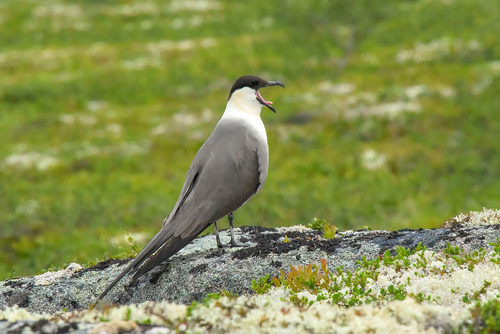
シロハラトウゾクカモメ (Stercorarius longicaudus) シロハラトウゾクカモメ
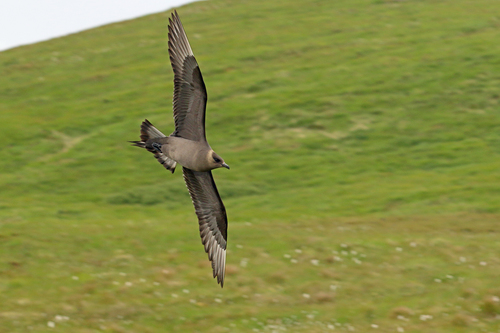
クロトウゾクカモメ (Stercorarius parasiticus) クロトウゾクカモメ

メディア

読み込み中…

要点

長尾トウゾクカモメ (Stercorarius longicaudus) とクロトウゾクカモメ (Stercorarius parasiticus) を分けるのは、繁殖期の成鳥において最も信頼性が高く、長尾は非常に長く細い尾羽を示し、クロトウゾクカモメに見られる白い翼のフラッシュが欠けています。未熟な鳥や幼鳥ははるかに難しいです:構造と全体のトーンに焦点を当ててください—長尾はスリムで、翼が長く、冷たい灰色であり、クロトウゾクカモメはより大きく、翼が短く、茶色がかっています。飛行中は、白い翼のフラッシュ(クロトウゾクカモメに存在し、長尾には欠けている)と尾の突出(成鳥の長尾でははるかに長い)を確認してください。両種は幼鳥の羽毛に混乱を招く変異を示すため、構造と飛行の特徴は色よりも役立つことが多いです。特に海上では、若い鳥に重複と不確実性があることを期待してください。

識別のコツ

  1. 白い翼のフラッシュ: すべての年齢と形態のクロトウゾクカモメは、飛行中に一次羽の基部に大胆な白いフラッシュを示します。長尾トウゾクカモメはこのマークが完全に欠けています。これは、特に未熟な個体にとって最も信頼性の高いフィールドマークです。
  2. 尾羽(繁殖羽毛の成鳥): 長尾トウゾクカモメは非常に長く細い尾羽(最大15 cm)を持ち、クロトウゾクカモメの短く尖った尾(約7 cm)を大きく超えています。繁殖期以外では、両者は尾羽を失うため、これは夏の成鳥にのみ有用です。
  3. 構造と特徴: 長尾はスリムで、翼が長く、飛行中はよりトンビのようで、軽く浮遊感のあるスタイルです。クロトウゾクカモメはより大きく、翼が短く、よりハヤブサのようで、翼のビートが深いです。これは特に幼鳥や非繁殖の鳥に役立ちます。
  4. 全体の色調(幼鳥/未熟): 長尾は通常、冷たい灰色でより均一ですが、クロトウゾクカモメは暖かい茶色です。ただし、両者は変動があり、このマークは確実ではありません。
  5. 背中の色(成鳥): 成鳥の長尾は灰色の背中を持ち、成鳥の明るい形態のクロトウゾクカモメは茶色の背中を持っています。暗い形態と中間形態のクロトウゾクカモメの成鳥は、全体的に茶色から暗い茶色です。
  6. 頭の模様(成鳥): 両者は黒い帽子を持っていますが、成鳥のクロトウゾクカモメ(明るい形態)は黄白色の頭と首を示し、長尾はより均一に帽子をかぶり、黄白色の洗いが欠けています。
  7. 腹部(成鳥): 成鳥のクロトウゾクカモメ(明るい形態)は主に白い腹部を持ち、長尾はコントラストが少ないです。
  8. くちばしと足: 利用可能なノートに基づいてフィールドで信頼性を持って分けることはできません。
  9. 飛行行動: 長尾はしばしばホバリングし、よりトンビのように見えます。クロトウゾクカモメはより直接的でハヤブサのようです。
  10. 生息地の文脈: 長尾は通過中に内陸にいる可能性が高く、クロトウゾクカモメは岸からより一般的です。
  11. 攻撃性: 両者は巣の近くで攻撃的になることがありますが、これは信頼できるフィールドマークではありません。
  12. 声: 長尾は鳴き声/ rattling callsを出し、クロトウゾクカモメは鼻音の鳴き声を出します。繁殖地以外では通常診断的ではありません。
  13. サイズ: 長尾はわずかに小さく軽いですが、重複が広範囲でフィールドでは信頼できません。
  14. 季節: 尾羽の長さは繁殖成鳥(夏)でのみ役立ちます。冬や未熟な場合は、翼のフラッシュと構造に頼ってください。
  15. 羽毛の変異: 両種は幼鳥の羽毛に広範な変異を示します。常に複数のマークを使用し、近くで長時間の観察なしでは識別できない鳥がいることを期待してください。

大きさ

長尾トウゾクカモメは最小のトウゾクカモメで、体重は約289 g、長さは38–58 cmですが、成鳥ではこの長さの半分が尾羽になることがあります。クロトウゾクカモメはわずかに大きく重く(41–48 cmの長さ、300–650 g)、尾羽は短く(成鳥で約7 cm)なります。フィールドでは、長尾はよりスリムでトンビのように見え、クロトウゾクカモメはより大きく頑丈ですが、サイズだけでは重複と尾羽の影響により信頼できません。

羽色

行動

長尾トウゾクカモメは繁殖地の上でしばしばホバリングし、飛行中はよりトンビのように見え、軽く浮遊感のある飛行スタイルを持っています。クロトウゾクカモメはよりハヤブサのようで直接的で、より強力な翼のビートを持っています。両種は盗食行動(他の鳥を追いかけて食べ物を奪う)を行いますが、クロトウゾクカモメは岸からより一般的に見られ、一般的に大胆です。繁殖地では、両者は侵入者に対して攻撃的になることがあります。

生息環境

両種は北極の乾燥したツンドラや高地の丘陵で繁殖しますが、長尾トウゾクカモメはより高く乾燥した地面を好み、通過中に内陸で見つかる可能性が高いです(時には畑やゴルフコースでも)。クロトウゾクカモメは岸からより一般的に見られ、沿岸の移動で最も一般的なジャガーです。両者は南半球の海で冬を越しますが、クロトウゾクカモメは移動中に海岸近くで見られる可能性が高いです。

声

長尾トウゾクカモメは繁殖地で鳴き声や rattling callsを出し、海では厳しい 'kreeah' の叫びを出します。クロトウゾクカモメは通常、繁殖地での鼻音の鳴き声や短い警戒音を除いて静かです。声はフィールドで診断的であることはまれで、領土でのみ可能性があります。

より良い説明を送る

比較と同じ項目を使ってください。文章はすぐに公開されます。

Separating Long-tailed Skua (Stercorarius longicaudus) from Arctic Skua (Stercorarius parasiticus) is most reliable in adults during the breeding season, when the Long-tailed shows extremely long, slender tail streamers and lacks the white wing flash seen in Arctic. Immature and juvenile birds are much trickier: focus on structure and overall tone—Long-tailed is slimmer, longer-winged, and colder grey, while Arctic is bulkier, shorter-winged, and browner. In flight, check for the white wing flash (present in Arctic, absent in Long-tailed) and tail projection (much longer in adult Long-tailed). Both species show confusing variation in juvenile plumage, so structural and flight jizz are often more helpful than color. Expect overlap and uncertainty with young birds, especially at sea.

  1. White wing flash: Arctic Skua of all ages and morphs shows a bold white flash at the base of the primaries in flight; Long-tailed Skua lacks this mark entirely. This is the most reliable single field mark, especially for immatures.
  2. Tail streamers (adults in breeding plumage): Long-tailed Skua has extremely long, thin tail streamers (up to 15 cm), far exceeding the short, pointed tail of Arctic Skua (about 7 cm). Outside the breeding season, both lose streamers, so this is only useful in summer adults.
  3. Structure and jizz: Long-tailed is slimmer, longer-winged, and more tern-like in flight, with a lighter, more buoyant style. Arctic is bulkier, shorter-winged, and more falcon-like, with deeper wingbeats. This is especially helpful with juveniles and non-breeding birds.
  4. Overall color tone (juveniles/immatures): Long-tailed is usually colder grey and more uniform, while Arctic is warmer brown. However, both are variable and this mark is not foolproof.
  5. Back color (adults): Adult Long-tailed has a grey back; adult light-morph Arctic has a brown back. Dark and intermediate morph Arctic adults are overall brown to dark brown.
  6. Head pattern (adults): Both have a black cap, but adult Arctic (light morph) shows a yellowish-white head and neck, while Long-tailed is more uniformly capped and lacks the yellowish wash.
  7. Underparts (adults): Adult Arctic (light morph) has mainly white underparts; Long-tailed is less contrasting.
  8. Bill and legs: Not reliably separable in the field based on available notes.
  9. Flight behavior: Long-tailed often hovers and appears more tern-like; Arctic is more direct and falcon-like.
  10. Habitat context: Long-tailed is more likely inland on passage; Arctic is more common from shore.
  11. Aggression: Both can be aggressive near nests, but this is not a reliable field mark.
  12. Voice: Long-tailed gives yelping/rattling calls; Arctic gives nasal mewing notes. Not usually diagnostic except on breeding grounds.
  13. Size: Long-tailed is slightly smaller and lighter, but overlap is extensive and not reliable in the field.
  14. Season: Tail streamer length only helps in breeding adults (summer); in winter or with immatures, rely on wing flash and structure.
  15. Plumage variation: Both species show wide variation in juvenile plumage; always use multiple marks and expect some birds to be unidentifiable without close, prolonged views.

Long-tailed Skua is the smallest skua, with a body mass around 289 g and a length of 38–58 cm, but up to half of this length can be the tail streamers in adults. Arctic Skua is slightly larger and heavier (41–48 cm length, 300–650 g), with a shorter tail streamer (about 7 cm in adults). In the field, Long-tailed appears more slender and tern-like, while Arctic is bulkier and more robust, but size alone is unreliable due to overlap and the effect of tail streamers.

  • Juveniles/immatures: Both species are highly variable and can be very similar, but Long-tailed is usually colder grey and more uniform, while Arctic is warmer brown. Juvenile Long-tailed is slimmer, longer-winged, and more tern-like, with a greyer cast. Juvenile Arctic is bulkier, shorter-winged, and browner overall. Both lack the adult tail streamers. The most reliable mark is the white wing flash: present in all morphs of Arctic (including juveniles), absent in Long-tailed.

  • Adults (breeding): Long-tailed is unmistakable with very long, thin tail streamers (up to 15 cm), a grey back, black cap, and dark primaries with no white wing flash. Arctic adult (light morph) has a brown back, white underparts, yellowish-white head and neck with a black cap, and a white wing flash on dark primaries; tail streamer is shorter and less pointed. Dark and intermediate morph Arctic adults are overall brown to dark brown but still show the white wing flash.

  • Adults (non-breeding): Both species lose tail streamers and become less distinctive, but structural differences and wing flash remain helpful.

Long-tailed Skua often hovers over breeding territories and appears more tern-like in flight, with a lighter, more buoyant flight style. Arctic Skua is more falcon-like and direct, with stronger, more powerful wingbeats. Both species engage in kleptoparasitism (chasing other birds for food), but Arctic Skua is more commonly seen from shore and is generally bolder. On the breeding grounds, both can be aggressive toward intruders.

Both species breed on dry tundra or upland fells in the Arctic, but Long-tailed Skua prefers higher, drier ground and is more likely to be found inland on passage (sometimes even in fields or golf courses). Arctic Skua is more often seen from shore and is the most common jaeger in coastal migration. Both winter at sea in the southern hemisphere, but Arctic Skua is more likely to be seen near coasts during migration.

Long-tailed Skua gives yelping and rattling calls on the breeding grounds, and a harsh 'kreeah' cry at sea. Arctic Skua is usually silent except for a nasal mewing sound and shorter alarm notes on the breeding grounds. Voice is rarely diagnostic in the field, except possibly on territory.

変更を破棄しますか?

保存していない編集があります。今離れると失われます。

シロハラトウゾクカモメ · クロトウゾクカモメ · 苦手な鳥