

Motmot

アメリカダイシャクシギ 対 ダイシャクシギ

Numenius americanus 対 Numenius arquata

アメリカダイシャクシギとダイシャクシギのクイズ
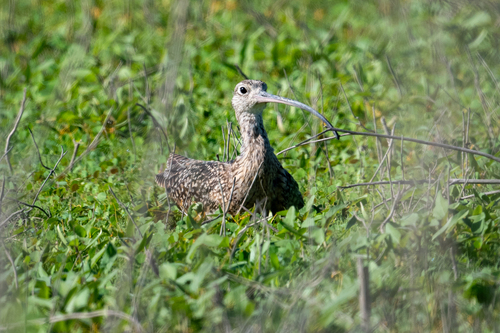
アメリカダイシャクシギ (Numenius americanus) アメリカダイシャクシギ
ダイシャクシギ (Numenius arquata) ダイシャクシギ

メディア

読み込み中…

要点

アメリカダイシャクシギとダイシャクシギの最も信頼できるフィールドマークはくちばしです:アメリカダイシャクシギは、特に雌では、はるかに長く、劇的に下向きに曲がったくちばしを持っていますが、ダイシャクシギのくちばしは長いですが、一般的に短く、誇張されていません。両者は大きく、茶色がかった shorebirds で、比率は似ていますが、アメリカダイシャクシギは下部と首に温かみのあるシナモン色のトーンを示し、灰色がかったより均一な茶色のダイシャクシギと対照的です。飛行中または静止中は、構造的な違いや微妙な羽毛の手がかりが役立ちますが、くちばしの長さと下部の色が最も迅速なチェックポイントです。両種は遠くから見ると混乱することがあるため、これらのポイントに注意を払うことが重要です。

識別のコツ

  1. くちばしの長さと形:アメリカダイシャクシギのくちばしは非常に長く(最大21.9 cm)、細く、滑らかに下向きに曲がっており、特に雌では鎌のように見えることがよくあります。ダイシャクシギのくちばしは長いですが、明らかに短く、誇張されておらず、より緩やかな曲線を持っています。これはすべての年齢と季節で最も良いフィールドマークです。
  2. 下部の色:アメリカダイシャクシギは、すべての羽毛で見える首と下部に温かみのある明るいシナモン色の洗いが見られます。ダイシャクシギは、下部がより灰色がかっているか白っぽく、赤褐色やシナモン色のトーンが欠けています。良い光の下または近距離で使用してください。
  3. 全体のトーン:アメリカダイシャクシギは、特に首と顔で温かみがあり、バフィーに見えます。ダイシャクシギは、上部と下部がより冷たく、均一な灰色がかった茶色です。
  4. 冠と頭のパターン:両者はストライプのある冠を持っていますが、これは強い区別にはなりません。全体の色とくちばしに焦点を当ててください。
  5. 脚の色:ダイシャクシギは灰色がかった青い脚を持ち、止まっているときや飛んでいるときに見ることができます。アメリカダイシャクシギの脚の色は指定されていませんが、診断的ではないとされています。
  6. 飛行中の背中の色:ダイシャクシギは白い背中を持ち、飛行中や羽繕いの際に見えることがあります。アメリカダイシャクシギにはこの特徴がありません。
  7. 性差:雌のアメリカダイシャクシギは最も長いくちばしを持っていますが、両性ともダイシャクシギとの重要な違いを示しています。ダイシャクシギの性は似ており、くちばしの長さはペアでない限り信頼性がありません。
  8. サイズと構造:ダイシャクシギはわずかに重く、がっしりしており、翼幅が広いですが、これは微妙で、鳥が並んでいない限り信頼性がありません。アメリカダイシャクシギは、くちばしと首のために長く、より伸びて見えることがあります。
  9. 飛行の印象:両種は安定した強い翼の打撃で飛びますが、アメリカダイシャクシギはくちばしのために前方重心で伸びて見えることがあります。ダイシャクシギはよりコンパクトです。
  10. 生息地の文脈:北アメリカでは、漂流するダイシャクシギの強い証拠がない限り、アメリカダイシャクシギを想定してください。ユーラシアでは、ダイシャクシギがデフォルトです。生息地(草原対湿地/泥地)は役立ちますが、決定的ではありません。
  11. 鳴き声:大きく、泡立つ「カールーオー」という声が聞こえたら、それはダイシャクシギです。アメリカダイシャクシギの鳴き声はここでは説明されていないので、クラシックなダイシャクシギの鳴き声が聞こえた場合のみ声を使用してください。
  12. 年齢/季節:どちらの種にも、飛行中に迅速に分離できるような特徴的な幼鳥や未成熟の上翼パターンは説明されていないため、年齢はフィールドでの強い区別にはなりません。
  13. 落とし穴:遠距離や悪光の中では、くちばしの長さを判断するのが難しく、色調が誤解を招くことがあります。常に直接比較や複数のフィールドマークを試みてください。
  14. 群れの構成:両種は単一種の群れを形成することができますが、混合群れは漂流状況を除いて非常にまれです。
  15. 地理的範囲:範囲を強力なフィルターとして使用してください—北アメリカではアメリカダイシャクシギ、ユーラシアではダイシャクシギ。範囲外の記録には、複数の確認フィールドマークが必要です。

大きさ

ダイシャクシギは平均してわずかに重く(805.5 g 対 699.35 g)、翼幅が広い(最大106 cm 対 90 cm)ですが、両者はそれぞれの範囲で最大の shorebirds の一部であり、サイズがかなり重なっています。長さは似ており、アメリカダイシャクシギはくちばしのために長く見えることがあります。フィールドでは、サイズだけでは診断的であることはまれですが、ダイシャクシギはよりがっしりして見えることがあり、アメリカダイシャクシギはしばしば細長く見え、非常に長いくちばしと首によって強調されます。

羽色

どちらの種にも、飛行中に迅速に分離できるような特徴的な幼鳥や未成熟の上翼パターンは説明されていません。両種は全体的に茶色がかっており、ストライプのある冠と淡い下部を持っています。アメリカダイシャクシギは、首と下部に明るいシナモン色の洗いが目立ち、特に良い光の下や近距離で目立ちますが、ダイシャクシギはより灰色がかった茶色で、下部に温かみのある赤褐色のトーンが欠けています。ダイシャクシギは白い背中と灰色がかった青い脚を持ち、飛行中や止まっているときに見ることができます。両者はストライプのある冠を持っていますが、全体の印象はアメリカダイシャクシギでは温かみがあり、バフィーであり、ダイシャクシギでは冷たく、均一です。両者の性は似ていますが、雌のアメリカダイシャクシギは最も長いくちばしを持っています。ダイシャクシギでは、くちばしの長さも変動しますが、極端ではなく、フィールドでの性別の判断は信頼できません。

行動

両種は柔らかい地面を探ることで餌を探し、しばしば開けた草原や泥地で見られます。アメリカダイシャクシギは、ループ状の飛行を伴う華やかな求愛行動で知られていますが、これは繁殖シーズン以外ではめったに観察されません。飛行中、両者は長い首と脚を引きずりながら安定した強い翼の打撃を示します。アメリカダイシャクシギは、くちばしのためにより伸びて「前方重心」に見えることがあります。ダイシャクシギは、特に餌を探しているときに、よりがっしりして見えることがあります。社会的行動は似ており、両者は繁殖シーズン以外に群れを形成します。

生息環境

アメリカダイシャクシギは、北アメリカの中央部と西部の草原で繁殖し、沿岸や南部の低地で越冬します。ダイシャクシギは、温帯のヨーロッパとアジア全体で繁殖し、牧草地、湿地、泥地を好み、沿岸、河口、泥地で越冬します。北アメリカでは、ダイシャクシギは非常にまれで漂流者となるでしょう。ユーラシアでは、アメリカダイシャクシギは期待されません。生息地の重なりは、移動中や越冬地で可能ですが、文脈が通常役立ちます:北アメリカの草原や西部の沿岸ではアメリカダイシャクシギがデフォルトであり、ヨーロッパやアジアの湿地ではダイシャクシギがデフォルトです。

声

ダイシャクシギは、大きく泡立つ「カールーオー」という鳴き声を出し、これはその名前の由来です。アメリカダイシャクシギの鳴き声は提供されたメモには記載されていないため、ダイシャクシギの特徴的な鳴き声が聞こえない限り、鳴き声はここでは信頼できる区別にはなりません。

より良い説明を送る

比較と同じ項目を使ってください。文章はすぐに公開されます。

The most reliable field mark between Long-billed Curlew and Eurasian Curlew is the bill: Long-billed Curlew has a much longer, more dramatically downcurved bill, especially in females, while Eurasian Curlew's bill is long but generally shorter and less exaggerated. Both are large, brownish shorebirds with similar proportions, but Long-billed Curlew shows warmer cinnamon tones below and on the neck, contrasting with the greyer, more uniformly brown Eurasian Curlew. In flight or at rest, structural differences and subtle plumage cues can help, but bill length and underpart color are your best quick checks. Both species can be confusing at a distance or in poor light, so careful attention to these points is key.

  1. Bill length and shape: Long-billed Curlew's bill is extremely long (up to 21.9 cm), thin, and smoothly downcurved, often looking sickle-like, especially on females. Eurasian Curlew's bill is long but noticeably shorter and less exaggerated, with a more gradual curve. This is the single best field mark at all ages and seasons.
  2. Underpart color: Long-billed Curlew shows a warm, light cinnamon wash on the neck and underparts, visible in all plumages. Eurasian Curlew is more greyish or whitish below, lacking any rufous or cinnamon tones. Use this in good light or at close range.
  3. Overall tone: Long-billed Curlew appears warmer and buffier, especially on the neck and face. Eurasian Curlew is colder, more uniformly grey-brown above and below.
  4. Crown and head pattern: Both have streaked crowns, but this is not a strong separator. Focus on overall color and bill.
  5. Leg color: Eurasian Curlew has greyish-blue legs, which can be seen when perched or in flight. Long-billed Curlew's leg color is not specified but is not noted as diagnostic.
  6. Back color in flight: Eurasian Curlew has a white back, which may be visible in flight or when preening. Long-billed Curlew lacks this feature.
  7. Sex differences: Female Long-billed Curlews have the longest bills, but both sexes show the key differences from Eurasian Curlew. Eurasian Curlew sexes are similar, and bill length is not reliably sexed unless in a pair.
  8. Size and structure: Eurasian Curlew is slightly heavier and bulkier, with a broader wingspan, but this is subtle and not reliable unless birds are side by side. Long-billed Curlew may look longer and more stretched due to its bill and neck.
  9. Flight jizz: Both species fly with steady, strong wingbeats, but Long-billed Curlew may look more front-heavy and elongated due to its bill. Eurasian Curlew is more compact.
  10. Habitat context: In North America, assume Long-billed Curlew unless there is strong evidence for a vagrant Eurasian Curlew. In Eurasia, Eurasian Curlew is default. Habitat (grassland vs. marsh/mudflat) can help but is not definitive.
  11. Vocalizations: If you hear a loud, bubbling 'curloo-oo', it is Eurasian Curlew. Long-billed Curlew's calls are not described here, so use voice only if the classic curlew call is heard.
  12. Age/season: No distinctive juvenile or immature upperwing patterns are described for either species, so age is not a strong separator in the field.
  13. Pitfalls: At long range or in poor light, bill length can be hard to judge, and color tones can be misleading. Always try for a direct comparison or multiple field marks.
  14. Flock composition: Both species can form single-species flocks; mixed flocks are extremely rare except in vagrancy situations.
  15. Geographic range: Use range as a strong filter—Long-billed Curlew in North America, Eurasian Curlew in Eurasia. Out-of-range records require multiple confirming field marks.

Eurasian Curlew averages slightly heavier (805.5 g vs 699.35 g) and has a broader wingspan (up to 106 cm vs 90 cm), but both are among the largest shorebirds in their respective ranges and overlap considerably in size. Length is similar, with Long-billed Curlew sometimes appearing longer due to its bill. In the field, size alone is rarely diagnostic unless birds are side by side, but Eurasian Curlew may look bulkier and more robust, while Long-billed Curlew often appears lankier, accentuated by its extremely long bill and neck.

No distinctive juvenile or immature upperwing patterns are described for either species that would allow a quick separation in flight. Both species are overall brownish above with streaked crowns and pale underparts. Long-billed Curlew stands out with a light cinnamon wash on the neck and underparts, which is especially noticeable in good light and at close range, while Eurasian Curlew is more grey-brown and lacks any warm or rufous tones below. Eurasian Curlew has a white back and greyish-blue legs, which can sometimes be seen in flight or when perched. Both have streaked crowns, but the overall impression is warmer and more buffy in Long-billed Curlew, colder and more uniform in Eurasian Curlew. Sexes are similar in both, though female Long-billed Curlews have the longest bills; in Eurasian Curlew, bill length also varies but is less extreme and not reliably sexed in the field.

Both species forage by probing in soft ground, often in open grasslands or mudflats. Long-billed Curlew is known for elaborate courtship displays with looping flights, but this is rarely observed outside the breeding season. In flight, both show steady, strong wingbeats with long necks and legs trailing. Long-billed Curlew may appear more stretched and 'front-heavy' due to its bill. Eurasian Curlew can look bulkier and more compact, especially when feeding. Social behavior is similar, with both forming flocks outside the breeding season.

Long-billed Curlew breeds in central and western North American grasslands and winters along coasts and southern lowlands. Eurasian Curlew breeds across temperate Europe and Asia, favoring meadows, moorland, and marshes, and winters along coasts, estuaries, and mudflats. In North America, Eurasian Curlew is extremely rare and would be a vagrant; in Eurasia, Long-billed Curlew is not expected. Habitat overlap is possible on migration or wintering grounds, but context usually helps: Long-billed Curlew is the default in North American prairies and western coasts, Eurasian Curlew in European and Asian wetlands.

Eurasian Curlew gives a loud, bubbling 'curloo-oo' call, which is the origin of its name. Long-billed Curlew's calls are not described in the provided notes, so vocalization is not a reliable separator here unless the Eurasian Curlew's distinctive call is heard.

変更を破棄しますか?

保存していない編集があります。今離れると失われます。

アメリカダイシャクシギ · ダイシャクシギ · 苦手な鳥