

Motmot

ヒメカモメ 対 ミツユビカモメ

Hydrocoloeus minutus 対 Rissa tridactyla

ヒメカモメとミツユビカモメのクイズ
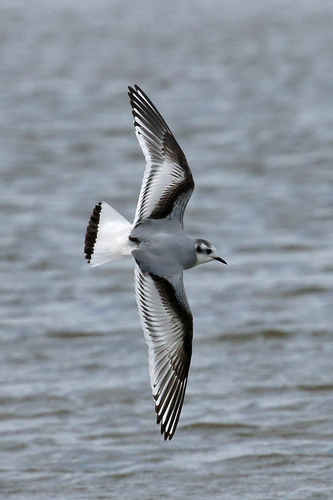
ヒメカモメ (Hydrocoloeus minutus) ヒメカモメ
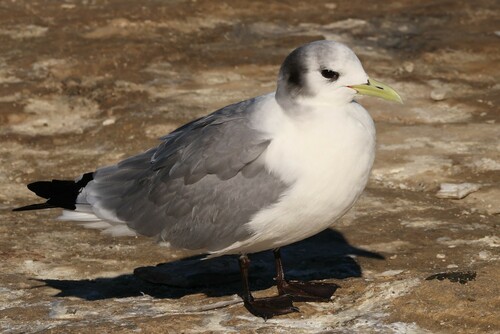
ミツユビカモメ (Rissa tridactyla) ミツユビカモメ

メディア

読み込み中…

要点

ヒメカモメとミツユビカモメを分ける最も信頼できる方法は、特に飛行中に、幼鳥と未成熟の個体の上翼のパターンに注目することです:幼鳥のヒメカモメは上翼にきれいで狭い黒の「W」を示し、一方、幼鳥のミツユビカモメは、より広く、より大胆な黒の「W」を持ち、初列風切と覆羽により広範囲の黒があります。成鳥はより簡単です:ヒメカモメははるかに小さく、暗い下翼を持ち、繁殖羽衣では黒いフードがあります;ミツユビカモメは大きく、きれいな白い頭(冬には小さな汚れを除く)、しっかりとした黒い翼先端、そして黄色いくちばしを持っています。体の構造と印象も異なり、ヒメカモメはより優雅で、よりトンビのように見えます。両種は沿岸の環境で見ることができますが、ヒメカモメは開けた海の崖でははるかに少ない可能性があります。サイズの違いは極端で、ミツユビカモメは4倍以上重いです。

識別のコツ

  1. Juvenile upperwing pattern: 幼鳥のヒメカモメは上翼に狭く、きれいな黒の「W」を示し、白い下翼と尾を持っています;ミツユビカモメの「W」はより広く、初列風切と覆羽により多くの黒があり、黒い尾帯と後頸の襟があります。これは、飛行中の未成熟個体にとって最も有用なマークです。
  2. Adult underwing: 成鳥のヒメカモメは、すべての羽衣で見える際立った暗灰色の下翼を持ち、このサイズのカモメの中でユニークです;ミツユビカモメの下翼は淡いです。
  3. Adult head pattern: 繁殖期のヒメカモメは完全な黒いフードを持っています(ただの帽子ではありません);ミツユビカモメは常に白い頭を持ち、目の後ろにかすかな灰色の汚れと冬には灰色の後頸の襟があります。
  4. Bill color: 成鳥のヒメカモメは暗赤色(繁殖期)または黒(非繁殖期)のくちばしを持っています;ミツユビカモメは成鳥として黄色いくちばしを持ち、2年目には緑がかり、幼鳥の時だけでしっかりとした黒になります。
  5. Leg color: ヒメカモメは繁殖羽衣で明るい赤い脚を持ち、非繁殖期には鈍い色になります;ミツユビカモメは黒い脚を持ち(時々ピンクがかることもあります)、赤くはありません。
  6. Size: ミツユビカモメは4倍以上重く、すべての寸法ではるかに大きいです;ヒメカモメは比較すると小さくて繊細です。これは直接比較や混合群で明らかです。
  7. Tail pattern: 幼鳥のミツユビカモメは尾に黒い端帯を持っています;ヒメカモメの尾はほとんど白です。
  8. Head and neck: 幼鳥のミツユビカモメは黒い後頸の襟を示します;ヒメカモメは示しません。
  9. Flight style: ヒメカモメは浮遊感があり、トンビのようで、空中や水面から昆虫を捕まえることがよくあります;ミツユビカモメはより力強く、特に崖や海の近くでより滑空します。
  10. Habitat: ヒメカモメは内陸の湖や保護された海岸で見られる可能性が高いです;ミツユビカモメはほとんど常に海洋性で、特に崖や遠洋で見られます。
  11. Plumage progression: ミツユビカモメは完全な成鳥の羽衣に達するのに4年かかり、翼や尾に黒いマーキングが数年間持続します;ヒメカモメはより早く成熟し、2年目の鳥はすでに成鳥に似ていますが、初列風切にいくつかの黒があります。
  12. Bill structure: ヒメカモメは細くて繊細なくちばしを持っています;ミツユビカモメのくちばしは特に成鳥ではより頑丈で長いです。
  13. Voice: ミツユビカモメだけが大きな「kittee-wa-aaake」という鳴き声を出します;ヒメカモメははるかに静かです。
  14. Perched posture: ヒメカモメはコンパクトで短い脚に見えます;ミツユビカモメはより高く、長い翼を持ち、より直立した姿勢をしています。
  15. Contextual clues: 大きくて騒がしい海鳥のコロニーや開けた海では、ミツユビカモメが期待されます;内陸の湖にいる孤独な小さなカモメはヒメカモメの可能性が高いです。

大きさ

ヒメカモメは世界で最も小さなカモメで、体重は約98g、全長は24–28cm、翼開長は62–69cmです。ミツユビカモメははるかに大きく、305–525g(平均約418g)で、全長は37–41cm、翼開長は91–105cmです。フィールドでは、ミツユビカモメは頑丈で長い翼を持っているように見え、ヒメカモメは明らかに小さく、繊細でコンパクトです。距離があっても、混合群の中でも、サイズのギャップは際立っており、迅速なチェックとして使用できます。

羽色

幼鳥と初冬の鳥が主な混乱点です。幼鳥のヒメカモメは上翼に狭く、鮮明な黒の「W」を示し、白い下翼とほとんど白い尾を持っています;黒は翼の覆羽に集中しており、ミツユビカモメよりも広範囲ではありません。幼鳥のミツユビカモメは、翼の長さ全体にわたって広い黒の「W」を持ち、初列風切に黒があり、尾には黒い端帯があり、黒い後頸の襟があります。両者はこの年齢でしっかりとした黒いくちばしを持っています。初冬には、ヒメカモメは上翼のパターンを保持しますが、頭と体はより成鳥のようになります;ミツユビカモメはまだ覆羽と尾に黒を示しますが、くちばしは緑がかります。繁殖羽衣の成鳥のヒメカモメは黒いフード、暗赤色のくちばし、明るい赤い脚を持ち、淡い灰色の背中と白い初列風切が非常に暗い灰色の下翼と対照的です(飛行中に診断的です)。非繁殖羽衣では、ヒメカモメはフードを失いますが、黒い帽子と耳の斑点を保持します。繁殖羽衣の成鳥のミツユビカモメは白い頭(冬にはかすかな灰色の汚れがあります)、灰色の背中、しっかりとした黒い翼先端、黒い脚、そして黄色いくちばしを持っています。ミツユビカモメの下翼は淡いですが、ヒメカモメの暗い下翼とは異なります。ヒメカモメだけが黒いフードを示し、ミツユビカモメだけが成鳥として黄色いくちばしとしっかりとした黒い翼先端を持っています。

行動

ヒメカモメは機敏で浮遊感があり、水面や空中から昆虫を捕まえることがよくあります。トンビのようなひらひらした飛行をします。ミツユビカモメはより頑丈で、海洋性のカモメに典型的な強い滑空飛行を持ち、崖や開けた水面を滑空しているのがよく見られます。ヒメカモメは他の小さなカモメと群れで見られることがありますが、ミツユビカモメは通常、より大きくて騒がしいコロニーや群れにいます、特に海で。

生息環境

ヒメカモメは内陸の淡水湖や湿地で繁殖し、海や沿岸で越冬し、時には保護された水域で他の小さなカモメと混ざることがあります。ミツユビカモメは典型的な海鳥で、海の崖で繁殖し、ほとんどの生活を開けた海で過ごし、めったに内陸に遠く出かけることはありません。淡水湖で見られる場合、ヒメカモメの可能性がはるかに高いです;急な海の崖や遠洋では、ミツユビカモメが優勢です。

声

ミツユビカモメは特徴的で高音の「kittee-wa-aaake」という鳴き声を持ち、騒がしいコロニーでよく聞かれます。ヒメカモメは一般的に静かで、同様に大きなまたは診断的な鳴き声はありません。声はこれら二種を分けるための主要なフィールドマークになることは稀ですが、典型的なミツユビカモメの鳴き声の存在はその種を確認します。

より良い説明を送る

比較と同じ項目を使ってください。文章はすぐに公開されます。

The most reliable way to separate Little Gull from Black-legged Kittiwake, especially in flight, is by focusing on the upperwing pattern of juveniles and immatures: juvenile Little Gull shows a neat, narrow black 'W' across the upperwings, while juvenile Kittiwake has a broader, bolder black 'W' with more extensive black on the primaries and coverts. Adults are easier: Little Gull is much smaller, with a dark underwing and, in breeding plumage, a black hood; Kittiwake is larger, with a clean white head (except for a small smudge in winter), solid black wingtips, and a yellow bill. Structure and jizz are also distinct, with Little Gull appearing daintier and more tern-like. Both species can be seen in coastal contexts, but Little Gull is much less likely on open ocean cliffs. Size difference is extreme, with Kittiwake over four times heavier.

  1. Juvenile upperwing pattern: Juvenile Little Gull shows a narrow, neat black 'W' across the upperwings, with white underwings and tail; Kittiwake's 'W' is broader, with more black on the primaries and coverts, plus a black tail band and hind-neck collar. This is the single most useful mark for immatures in flight.
  2. Adult underwing: Adult Little Gull has a strikingly dark grey underwing, visible in all plumages and unique among gulls of this size; Kittiwake's underwing is pale.
  3. Adult head pattern: Breeding Little Gull has a full black hood (not just a cap); Kittiwake is always white-headed except for a faint grey smudge behind the eye and a grey hind-neck collar in winter.
  4. Bill color: Adult Little Gull has a dark red (breeding) or black (non-breeding) bill; Kittiwake has a yellow bill as an adult, greenish in second-year, and solid black only in juveniles.
  5. Leg color: Little Gull has bright red legs in breeding plumage, duller in non-breeding; Kittiwake has black legs (occasionally pinkish), never red.
  6. Size: Kittiwake is more than four times heavier and much larger in all dimensions; Little Gull is tiny and delicate by comparison. This is obvious in direct comparison or mixed flocks.
  7. Tail pattern: Juvenile Kittiwake has a black terminal band on the tail; Little Gull's tail is mostly white.
  8. Head and neck: Juvenile Kittiwake shows a black hind-neck collar; Little Gull does not.
  9. Flight style: Little Gull is buoyant and tern-like, often picking insects from the air or water; Kittiwake is more powerful and glides more, especially near cliffs or at sea.
  10. Habitat: Little Gull is more likely on inland lakes or sheltered coasts; Kittiwake is almost always marine, especially near cliffs or far offshore.
  11. Plumage progression: Kittiwake takes four years to reach full adult plumage, with black markings persisting on the wings and tail for several years; Little Gull matures faster, with second-year birds already resembling adults except for some black in the primaries.
  12. Bill structure: Little Gull has a fine, delicate bill; Kittiwake's is stouter and longer, especially in adults.
  13. Voice: Only Kittiwake gives the loud 'kittee-wa-aaake' call; Little Gull is much quieter.
  14. Perched posture: Little Gull appears compact and short-legged; Kittiwake stands taller and longer-winged, with a more upright stance.
  15. Contextual clues: In large, noisy seabird colonies or on open ocean, Kittiwake is expected; a lone small gull on an inland lake is more likely Little Gull.

Little Gull is the smallest gull in the world, weighing about 98 g, with a length of 24–28 cm and wingspan of 62–69 cm. Black-legged Kittiwake is much larger, weighing 305–525 g (average ~418 g), measuring 37–41 cm long with a wingspan of 91–105 cm. In the field, Kittiwake looks robust and long-winged, while Little Gull is noticeably petite, delicate, and compact. Even at a distance or in mixed flocks, the size gap is striking and can be used as a quick check.

Juvenile and first-winter birds are the main confusion point. Juvenile Little Gull shows a narrow, crisp black 'W' across the upperwings, with white underwings and a mostly white tail; the black is concentrated along the wing coverts and less extensive than in Kittiwake. Juvenile Kittiwake has a much broader black 'W' that extends across the length of the wings, with black on the primaries and a black terminal band on the tail, plus a black hind-neck collar. Both have solid black bills at this age. By first winter, Little Gull retains the upperwing pattern but the head and body become more adult-like; Kittiwake still shows black on the coverts and tail, but the bill turns greenish. Adult Little Gull in breeding plumage has a black hood, dark red bill, and bright red legs, with a pale grey back and white primaries contrasting with very dark grey underwing (diagnostic in flight). In non-breeding plumage, Little Gull loses the hood but keeps a black cap and ear spot. Adult Kittiwake is white-headed (with a faint grey smudge in winter), grey-backed, with solid black wingtips, black legs, and a yellow bill. Underwing of Kittiwake is pale, unlike the dark underwing of Little Gull. Only Little Gull ever shows a black hood; only Kittiwake has a yellow bill and solid black wingtips as an adult.

Little Gull is agile and buoyant, often feeding by picking insects from the water surface or in the air, with a tern-like, fluttery flight. Kittiwake is more robust, with a strong, gliding flight typical of oceanic gulls, often seen soaring along cliffs or over open water. Little Gull may be seen in flocks with other small gulls, while Kittiwake is usually in larger, noisier colonies or flocks, especially at sea.

Little Gull breeds on inland freshwater lakes and marshes, and winters at sea or along coasts, sometimes mixing with other small gulls on sheltered waters. Black-legged Kittiwake is a classic seabird, breeding on sea cliffs and spending most of its life over open ocean, rarely venturing far inland. If seen on a freshwater lake, Little Gull is far more likely; on a sheer sea cliff or far offshore, Kittiwake dominates.

Kittiwake has a distinctive, shrill 'kittee-wa-aaake' call, often heard in noisy colonies. Little Gull is generally quieter and does not have a similarly loud or diagnostic call. Voice is rarely a primary field mark for separating these two, but the presence of the classic kittiwake call confirms that species.

変更を破棄しますか?

保存していない編集があります。今離れると失われます。

ヒメカモメ · ミツユビカモメ · 苦手な鳥