

Motmot

カイツブリ 対 キバシオナガゴシキドリ

Tachybaptus ruficollis 対 Trachylaemus goffinii

カイツブリとキバシオナガゴシキドリのクイズ
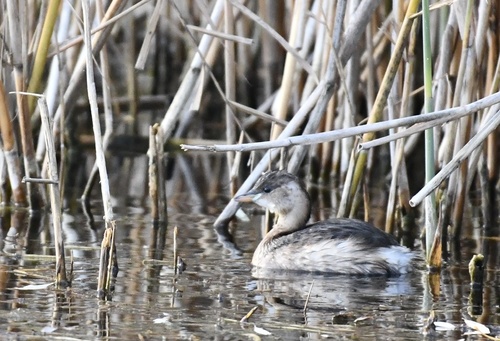
カイツブリ (Tachybaptus ruficollis) カイツブリ
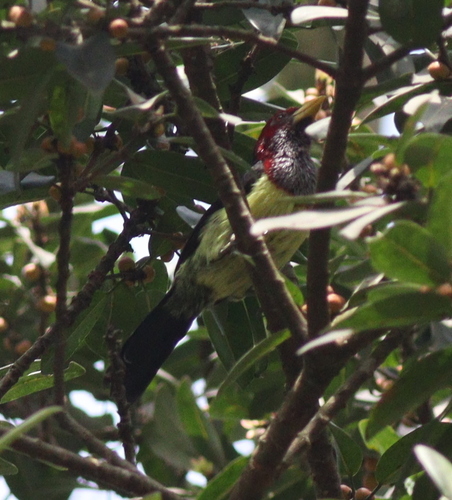
キバシオナガゴシキドリ (Trachylaemus goffinii) キバシオナガゴシキドリ

メディア

読み込み中…

要点

カイツブリとキバシオナガゴシキドリを区別する最も信頼できるフィールドマークは、全体の構造と生息地です:カイツブリは尖ったくちばしとパウダーパフの後部を持つ小さな水生の潜水鳥であり、キバシオナガゴシキドリは太くて樹上に生息するバルベットで、厚い黄色のくちばしを持っています。幼鳥のカイツブリは顔と首に特徴的な黒と白のストライプを示し、黒い先端のある黄色のくちばしを持っていますが、バルベットはこのパターンを示しません。すべての年齢と季節において、カイツブリは水面で泳いだり潜ったりしているのが見られますが、バルベットは常に木に止まっていたり、移動したりしています。開けた水面に小さくて丸い体の鳥が見えたら、それはカイツブリです;太くて大きな頭の鳥が木にいて、重い黄色のくちばしを持っているのはバルベットです。

識別のコツ

  1. Juvenile face pattern: 幼鳥のカイツブリは頬と首の側面に黒と白のストライプがあり、黒い先端のある黄色のくちばしを持っています;キバシオナガゴシキドリはどの年齢でもこのパターンを示しません。
  2. Bill shape and color: カイツブリは尖ったまっすぐなくちばしを持っています(幼鳥は黄色、大人は黒);バルベットはすべての羽衣で厚くて重い、広い基部の黄色いくちばしを持っています。
  3. Body structure: カイツブリはコンパクトで丸い体を持ち、短い首とほとんど尾がありません('パウダーパフ'の後部);バルベットは太くて大きな頭を持ち、相対的に長い尾とより直立した姿勢を持っています。
  4. Plumage (breeding adult): 繁殖羽衣のカイツブリは、豊かな赤褐色の首、頬、側腹部を持ち、明るい黄色の口を持っています;バルベットは赤褐色やこの色のパターンを示しません。
  5. Plumage (non-breeding/juvenile): 非繁殖期および幼鳥のカイツブリは茶色がかった灰色で、より暗い帽子と背中を持ち、依然としてコンパクトで水生の外観を持っています;バルベットは緑がかったり茶色がかったりし、決して水生には見えません。
  6. Wing pattern in flight: 一部のカイツブリの亜種は二次羽に白を示しますが、これは変動します;バルベットは白い翼のパネルを示しません。
  7. Habitat: カイツブリは常に水の上または近くにいます;バルベットは常に木や密な植生の中におり、決して水の上にはいません。
  8. Behavior: Grebeは動揺すると潜って沈み、遠くに飛ぶことはほとんどありません;バルベットは枝の間を跳ねたり飛んだりし、直立して止まり、決して潜りません。
  9. Vocalization: カイツブリの鳴き声はトリルの'ウィート・ウィート・ウィート'または'ウィー・ウィー・ウィー'で、馬のいななきのようです;バルベットの鳴き声はここでは説明されていませんが、通常は大きく、繰り返し、グリーブのものとは異なります。
  10. Context: 池や湖で泳いだり潜ったりしている小さな鳥を見たら、それはグリーブです;木の中で黄色いくちばしを持つ太い鳥を見たら、それはバルベットです。
  11. Seasonal variation: グリーブの赤褐色の繁殖羽衣は春と夏にのみ存在します;それ以外の場合は、コンパクトな形と水生の習性を探してください。
  12. Subspecies variation: 一部のカイツブリの亜種は翼により多くの白を示しますが、これはバルベットと区別するための信頼できるマークではありません。
  13. Eye color: 一部のグリーブの亜種は目の色が変動しますが、これはこの比較のための重要なマークではありません。
  14. Common pitfalls: 幼鳥のグリーブのストライプのある顔と黄色のくちばしをバルベットの黄色のくちばしと混同しないでください;生息地と体の形は常に異なります。
  15. When in doubt: まず生息地を確認してください—水はグリーブを意味し、木はバルベットを意味します。

大きさ

カイツブリは小さな水鳥で、キバシオナガゴシキドリよりも明らかに小さく、よりコンパクトです。グリーブは短い首と尖ったくちばしを持ち、繊細な外観を与えています。それに対して、バルベットは頑丈で太い体を持ち、大きな頭と重くて広い基部の黄色いくちばしを持ち、バルベットの典型です。グリーブの全体の長さと質量はバルベットよりも少なく、しかしその違いは特にくちばしと体の比率において最も明らかです。

羽色

幼鳥のカイツブリは特徴的です:彼らは小さな黒い先端のある黄色のくちばしを持ち、頬と首の側面には黒と白のストライプがあります。このパターンはユニークで、バルベットではどの年齢でも見られません。カイツブリが成熟するにつれて、くちばしは黒に暗くなり、繁殖期の大人では首、頬、側腹部が豊かな赤褐色になり、明るい黄色の口を持ちます。非繁殖期および幼鳥では、赤褐色は鈍い茶色がかった灰色に置き換えられますが、鳥は上部が暗く、下部が淡いバフ色で、より暗い帽子を持っています。対照的に、バルベットは赤褐色やストライプのある顔を決して示さず、主な羽衣の特徴は黄色のくちばしであり、体は通常亜種に応じて緑がかったり茶色がかったりし、水生の適応はありません。飛行中、カイツブリは亜種に応じて二次羽に変動する白を示しますが、これはバルベットの特徴ではありません。グリーブの'パウダーパフ'の後部とコンパクトで尾のない外観はユニークです。

行動

カイツブリは常に水の上に見られ、頻繁に潜り、水の端から遠くに見られることはほとんどありません。動揺すると急速に沈むことがよくあります。キバシオナガゴシキドリは厳密に樹上性で、木や低木の間を移動し、しばしばペアや小さな群れで行動し、決して水に入ることはありません。グリーブの行動は秘密主義的で水生的であるのに対し、バルベットは目立ち、枝に直立して止まり、大声で鳴きます。

生息環境

カイツブリは池、湖、緩やかな川などの淡水生息地に制限され、常に水の上または近くにいます。キバシオナガゴシキドリは森林の生息地、森林の端、庭に見られ、常に木や密な植生の中におり、決して開けた水の上にはいません。水の上に鳥を見たら、それはグリーブです;木の中に見たら、それはバルベットです。

声

カイツブリの繁殖期の鳴き声はトリルの繰り返しの'ウィート・ウィート・ウィート'または'ウィー・ウィー・ウィー'で、馬のいななきに似ています。バルベットの鳴き声は提供されたメモでは説明されていませんが、バルベットは通常、大きく、繰り返し、時には機械的な音の鳴き声を持ち、グリーブのトリルとは非常に異なります。水の近くでいななきのトリルを聞いたら、カイツブリを疑ってください。

より良い説明を送る

比較と同じ項目を使ってください。文章はすぐに公開されます。

The most reliable field mark to separate Little Grebe from Western Yellow-billed Barbet is overall structure and habitat: Little Grebe is a small, aquatic diving bird with a pointed bill and powder-puff rear, while Western Yellow-billed Barbet is a chunky, tree-dwelling barbet with a thick yellow bill. Juvenile Little Grebes show distinctive black-and-white streaks on the face and neck and a yellow bill with a black tip, while barbets never show this pattern. In all ages and seasons, Little Grebe is seen swimming or diving on water, whereas the barbet is always perched or moving in trees. If you see a small, round-bodied bird on open water, it is a Little Grebe; a thickset, large-headed bird in a tree with a heavy yellow bill is the barbet.

  1. Juvenile face pattern: Juvenile Little Grebes have black-and-white streaks on the cheeks and neck sides and a yellow bill with a black tip; Western Yellow-billed Barbet never shows this pattern at any age.
  2. Bill shape and color: Little Grebe has a pointed, straight bill (yellow in juveniles, black in adults); the barbet has a thick, heavy, broad-based yellow bill in all plumages.
  3. Body structure: Little Grebe is compact, round-bodied, with a short neck and almost no tail ('powder puff' rear); the barbet is chunky, large-headed, and has a proportionally longer tail and a more upright stance.
  4. Plumage (breeding adult): Little Grebe in breeding plumage has a rich rufous neck, cheeks, and flanks with a bright yellow gape; the barbet never shows rufous or this color pattern.
  5. Plumage (non-breeding/juvenile): Non-breeding and juvenile Little Grebes are brownish-grey with a darker cap and back, still with a compact, aquatic look; the barbet remains greenish or brownish and never appears aquatic.
  6. Wing pattern in flight: Some Little Grebe subspecies show white in the secondaries, but this is variable; the barbet does not show white wing panels.
  7. Habitat: Little Grebe is always on or near water; barbet is always in trees or dense vegetation, never on water.
  8. Behavior: Grebes dive and sink when disturbed, rarely fly far; barbets hop or fly between branches, perch upright, and never dive.
  9. Vocalization: Little Grebe's call is a trilled 'weet-weet-weet' or 'wee-wee-wee', like a horse whinny; barbet calls are not described here but are typically loud, repetitive, and different from the grebe's.
  10. Context: If you see a small bird swimming or diving on a pond or lake, it is a grebe; if you see a thickset bird with a yellow bill in a tree, it is a barbet.
  11. Seasonal variation: The grebe's rufous breeding plumage is only present in spring and summer; otherwise, look for the compact shape and aquatic habits.
  12. Subspecies variation: Some Little Grebe subspecies show more white in the wing, but this is not a reliable mark for separating from barbet.
  13. Eye color: Some grebe subspecies have variable eye color, but this is not a key mark for this comparison.
  14. Common pitfalls: Do not confuse a juvenile grebe's streaked face and yellow bill for a barbet's yellow bill; the habitat and body shape are always different.
  15. When in doubt: Always check habitat first—water means grebe, trees mean barbet.

Little Grebe is a small waterbird, noticeably smaller and more compact than the Western Yellow-billed Barbet. The grebe has a short neck and a pointed bill, giving it a delicate appearance. In contrast, the barbet is a robust, thickset bird with a large head and a heavy, broad-based yellow bill, typical of barbets. The grebe's overall length and mass are less than the barbet's, but the difference is most obvious in the bill and body proportions.

Juvenile Little Grebes are distinctive: they have a yellow bill with a small black tip, and their cheeks and neck sides are marked with black and white streaks. This pattern is unique and not found in the barbet at any age. As Little Grebes mature, the bill darkens to black, and in breeding adults, the neck, cheeks, and flanks turn rich rufous, with a bright yellow gape. In non-breeding and juvenile birds, the rufous is replaced by a dull brownish-grey, but the bird remains dark above with a paler, buffy underside and a darker cap. The barbet, by contrast, never shows rufous or streaked faces; its main plumage feature is the yellow bill, and its body is typically greenish or brownish, depending on subspecies, with no aquatic adaptation. In flight, Little Grebes show variable white on the secondaries depending on subspecies, but this is not a feature of the barbet. The grebe's 'powder puff' rear and compact, tailless look are unique.

Little Grebe is always found on water, diving frequently and rarely seen far from the water's edge. It often sinks rapidly when disturbed. The Western Yellow-billed Barbet is strictly arboreal, moving through trees and shrubs, often in pairs or small groups, and never enters water. The grebe's behavior is secretive and aquatic, while the barbet is conspicuous, perching upright on branches and calling loudly.

Little Grebe is restricted to freshwater habitats such as ponds, lakes, and slow rivers, always on or near water. Western Yellow-billed Barbet is found in wooded habitats, forest edges, and gardens, always in trees or dense vegetation and never on open water. If you see the bird on water, it is a grebe; in trees, it is a barbet.

Little Grebe's breeding call is a trilled, repeated 'weet-weet-weet' or 'wee-wee-wee', reminiscent of a horse whinnying. The barbet's call is not described in the provided notes, but barbets typically have loud, repetitive, and sometimes mechanical-sounding calls, very different from the grebe's trills. If you hear a whinnying trill near water, suspect Little Grebe.

変更を破棄しますか?

保存していない編集があります。今離れると失われます。

カイツブリ · キバシオナガゴシキドリ · 苦手な鳥