

Motmot

ヒメウタスズメ 対 クロズキンアメリカムシクイ

Melospiza lincolnii 対 Setophaga citrina

ヒメウタスズメとクロズキンアメリカムシクイのクイズ
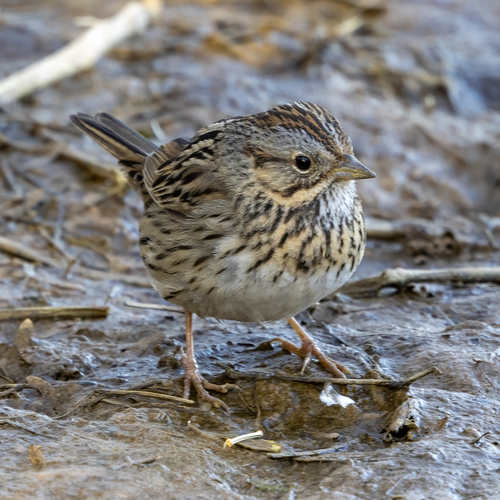
ヒメウタスズメ (Melospiza lincolnii) ヒメウタスズメ
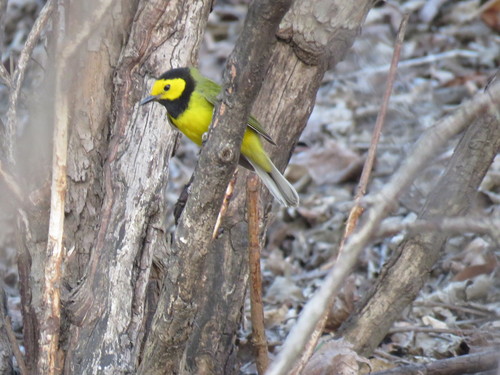
クロズキンアメリカムシクイ (Setophaga citrina) クロズキンアメリカムシクイ

メディア

読み込み中…

要点

リンカーンウタスズメとクロズキンアメリカムシクイを区別する最も信頼できるフィールドマークは、リンカーンウタスズメ(すべての年齢)の胸と側面に見られる細かく鮮明なストライプの存在であり、対してクロズキンアメリカムシクイはきれいで無地の黄色い下部を持っています。リンカーンウタスズメは、淡い灰色のストライプのある顔と茶色の上面を持つ秘密主義的でストライプのあるスズメであり、クロズキンアメリカムシクイは、明るい黄色の下部と、成鳥のオスには目を引く黒いフードを持つより活動的なオリーブ色の背中のムシクイです。雌と未熟なクロズキンアメリカムシクイは黒いフードを欠いていますが、無地の黄色い下部と無地のオリーブグリーンのキャップを示し、決してストライプはありません。構造的には、リンカーンウタスズメはより大きく、重いくちばしを持ち、クロズキンアメリカムシクイはより細く、繊細です。声と生息地も大きく異なりますが、胸のパターンが最も迅速なフィールドチェックです。

識別のコツ

  1. Breast Streaking: リンカーンウタスズメは常に淡いまたは薄茶色の胸に細かく鮮明なストライプを示しますが、クロズキンアメリカムシクイは年齢や性別に関係なくきれいで無地の黄色い下部を持っています。これは最も迅速で信頼できるフィールドマークです。
  2. Facial Pattern: リンカーンウタスズメは灰色の顔に茶色の頬、淡い口ひげ、茶色のアイライン、狭いアイリングを持っています。クロズキンアメリカムシクイのオスは黄色い顔を囲む目を引く黒いフードを持ち、雌と未熟な個体は無地のオリーブグリーンのキャップと黄色い顔を持ち、ストライプや口ひげはありません。
  3. Crown and Cap: リンカーンウタスズメは中央に灰色のストライプのある茶色の冠を示します。クロズキンアメリカムシクイのオスは黒いキャップ(フードの一部)を持ち、雌と未熟な個体は顔や喉に達しないオリーブグリーンのキャップを持っています。
  4. Back and Upperparts: リンカーンウタスズメは上面がストライプのあるオリーブブラウンであり、クロズキンアメリカムシクイは無地のオリーブ/緑茶色で、決してストライプはありません。
  5. Tail Pattern: クロズキンアメリカムシクイは飛行中または尾を振るときに見える白い外尾羽(直羽)を持っていますが、リンカーンウタスズメは白のない狭い茶色の尾を持っています。
  6. Bill Shape: リンカーンウタスズメは種子に適した重い円錐形のスズメのくちばしを持ち、クロズキンアメリカムシクイは昆虫を捕まえるための細く尖ったムシクイのくちばしを持っています。
  7. Structure and Jizz: リンカーンウタスズメはずんぐりしていてコンパクトに見え、しばしばかがんで地面に近い姿勢をとります。クロズキンアメリカムシクイはより細く、直立していて活動的で、しばしば尾を振ったり低い植生の中を移動したりします。
  8. Juvenile Pitfalls: 幼鳥のリンカーンウタスズメは下部にストライプがあり、他のストライプのあるスズメに似ることがありますが、決してクロズキンアメリカムシクイの無地の黄色い下部を示しません。幼鳥のクロズキンアメリカムシクイは無地で、成鳥の雌のようです。
  9. Song: リンカーンウタスズメは甘く、複雑で、ゴロゴロとした歌を歌いますが、クロズキンアメリカムシクイの歌はより明瞭でリズミカルです(「ウィータ ウィータ ウィー・ティー・オー」)。
  10. Call Notes: リンカーンウタスズメは平坦な「タップ」または柔らかい「ズィート」を出し、クロズキンアメリカムシクイは大きく鋭い「チップ」を出します。
  11. Habitat: リンカーンウタスズメは密集した低い湿った覆いの中に見られ、クロズキンアメリカムシクイは密な下層植生のある広葉樹林を好みます。
  12. Behavior: リンカーンウタスズメは内気で、隠れていることが多く、飛び跳ねることはほとんどありませんが、クロズキンアメリカムシクイは活動的で、しばしば飛び跳ねたり尾を振ったりします。
  13. Sex Differences: 成鳥のオスのクロズキンアメリカムシクイだけが黒いフードを持ち、雌と未熟な個体はそれを欠いていますが、下部は無地です。リンカーンウタスズメは羽毛において性差を示しません。
  14. Size: リンカーンウタスズメはより重く、ずんぐりしていますが、クロズキンアメリカムシクイは軽く、より繊細ですが、長さは似ています。
  15. Seasonal Confusion: 渡りの際、両者は茂みの多い地域にいることがありますが、リンカーンウタスズメは常にストライプのある下部とスズメの構造を示し、クロズキンアメリカムシクイは無地でより活動的です。

大きさ

リンカーンウタスズメは明らかに重く、頑丈で、体重は約18.8gであり、軽いクロズキンアメリカムシクイ(9〜12g)と比較されます。両種は長さ(約13〜15cm)で似ていますが、リンカーンウタスズメはわずかに長い翼幅(19〜22cm)を持ち、クロズキンアメリカムシクイは17.5cmです。フィールドでは、リンカーンウタスズメはずんぐりしていてコンパクトに見え、クロズキンアメリカムシクイは細く、より機敏です。

羽色

すべての年齢において、リンカーンウタスズメは淡いまたは薄茶色の胸に細かく暗いストライプを示し、白い腹部と淡い口ひげと茶色の頬を持つ灰色の顔を持っています。冠は茶色で中央に灰色のストライプがあり、上面はオリーブブラウンでストライプがあります。幼鳥のリンカーンウタスズメは下部にストライプがあり、幼鳥のヌマウタスズメに似ていますが、無地の冠を持つことは稀です。対照的に、すべての年齢のクロズキンアメリカムシクイは無地で無地の黄色い下部と無地のオリーブ/緑茶色の背中を持っています。成鳥のオスは黄色い顔を囲む大胆な黒いフードを持ち、雌と未熟な個体はフードを欠き、顔や喉に達しないオリーブグリーンのキャップを示します。クロズキンアメリカムシクイの外尾羽は白っぽい羽軸を持ち、飛行中または尾を振るときに見えます。どの年齢のクロズキンアメリカムシクイの下部にもストライプはありません。

行動

リンカーンウタスズメは内気で、密な地面の覆いの中に隠れていることが多く、しばしばかがんだり、歌うために一時的に止まったりすることがあります。歌っているとき以外は、開けた場所で見られることは少ないです。クロズキンアメリカムシクイはより活動的で目立ち、低い植生の中で餌を探し、頻繁に尾を振って白い外羽を見せます。飛び跳ねたり、下層植生の中を移動しているのを見ることが多いです。リンカーンウタスズメはめったに飛び跳ねず、地面の上での活動は少ないです。

生息環境

リンカーンウタスズメは、茂み、ヤナギの絡まり、またはスファグナム湿地などの密集した湿った地面の覆いを好み、通常は地面に近い場所にいます。クロズキンアメリカムシクイは、密な下層植生のある広葉樹林で繁殖し、しばしばアメリカ東部や南カナダに生息し、発達した低木層のある森林生息地で見つかる可能性が高いです。リンカーンウタスズメは成熟した森林の内部で見つかる可能性が低く、茂みの多いエッジや湿った草地を好みます。

声

リンカーンウタスズメは、急速で高音の導入音と複雑な多音節パターンを持つ甘く、ウグイスのようなゴロゴロとした歌を歌います。その呼び声には平坦な「タップ」または「チップ」、柔らかく高音のブズブズした「ズィート」が含まれます。クロズキンアメリカムシクイの歌は一連の音楽的な音であり、しばしば「ウィータ ウィータ ウィー・ティー・オー」と表現され、その呼び声は大きく鋭い「チップ」です。リンカーンウタスズメの歌は、クロズキンアメリカムシクイの歌よりも複雑で音楽的ではなく、クロズキンアメリカムシクイの歌はより明瞭でリズミカルです。オスのリンカーンウタスズメだけが歌い、彼らは声を出しているときでもしばしば秘密主義的です。

より良い説明を送る

比較と同じ項目を使ってください。文章はすぐに公開されます。

The most reliable field mark to separate Lincoln's Sparrow from Hooded Warbler is the presence of fine, crisp streaking on the breast and flanks of Lincoln's Sparrow (all ages), versus the clean, unmarked yellow underparts of Hooded Warbler. Lincoln's Sparrow is a secretive, streaky sparrow with a buffy, gray-streaked face and brown upperparts, while Hooded Warbler is a more active, olive-backed warbler with bright yellow underparts and, in adult males, a striking black hood. Females and immature Hooded Warblers lack the black hood but still show plain yellow underparts and a plain olive-green cap, never streaked. Structurally, Lincoln's Sparrow is bulkier with a heavier bill, while Hooded Warbler is slimmer and more delicate. Voice and habitat also differ significantly, but the breast pattern is the fastest field check.

  1. Breast Streaking: Lincoln's Sparrow always shows fine, crisp streaks on a buffy or light brown breast, while Hooded Warbler of any age or sex has clean, unmarked yellow underparts. This is the fastest and most reliable field mark.
  2. Facial Pattern: Lincoln's Sparrow has a gray face with brown cheeks, a buffy mustache, a brown eye-line, and a narrow eye ring. Hooded Warbler males have a striking black hood surrounding the yellow face; females and immatures have a plain olive-green cap and yellow face, lacking any streaks or mustache.
  3. Crown and Cap: Lincoln's Sparrow shows a brown crown with a central gray stripe. Hooded Warbler males have a black cap (as part of the hood), while females and immatures have an olive-green cap that does not reach the face or throat.
  4. Back and Upperparts: Lincoln's Sparrow is streaked and olive-brown above; Hooded Warbler is plain olive/green-brown above, never streaked.
  5. Tail Pattern: Hooded Warbler has white outer tail feathers (rectrices) visible in flight or when flicking the tail; Lincoln's Sparrow has a narrow, brown tail without white.
  6. Bill Shape: Lincoln's Sparrow has a heavier, conical sparrow bill suited for seeds; Hooded Warbler has a slimmer, pointed warbler bill for insect catching.
  7. Structure and Jizz: Lincoln's Sparrow appears stocky and compact, often hunched and low to the ground. Hooded Warbler is slimmer, more upright, and active, often flicking its tail and moving through low vegetation.
  8. Juvenile Pitfalls: Juvenile Lincoln's Sparrow is streaky below and may resemble other streaky sparrows, but never shows the plain yellow underparts of Hooded Warbler. Juvenile Hooded Warbler is plain below, like the adult female.
  9. Song: Lincoln's Sparrow sings a sweet, complex, gurgling song; Hooded Warbler's song is clearer and more rhythmic ('wheeta wheeta whee-tee-oh').
  10. Call Notes: Lincoln's Sparrow gives a flat 'tup' or soft 'zeet'; Hooded Warbler gives a loud, sharp 'chip.'
  11. Habitat: Lincoln's Sparrow is found in dense, low, often wet cover; Hooded Warbler prefers broadleaved forest with dense understory.
  12. Behavior: Lincoln's Sparrow is shy, skulking, and rarely flycatches; Hooded Warbler is active, often flycatching and flicking its tail.
  13. Sex Differences: Only adult male Hooded Warbler has a black hood; females and immatures lack it but are still plain below. Lincoln's Sparrow shows no sexual dimorphism in plumage.
  14. Size: Lincoln's Sparrow is heavier and bulkier; Hooded Warbler is lighter and more delicate, though similar in length.
  15. Seasonal Confusion: In migration, both may be in brushy areas, but Lincoln's Sparrow will always show streaked underparts and a sparrow's structure, while Hooded Warbler remains plain below and more active.

Lincoln's Sparrow is noticeably heavier and more robust, with a body mass around 18.8 g, compared to the lighter Hooded Warbler (9–12 g). Both species are similar in length (about 13–15 cm), but Lincoln's Sparrow has a slightly longer wingspan (19–22 cm) versus Hooded Warbler's 17.5 cm. In the field, Lincoln's Sparrow appears stockier and more compact, while Hooded Warbler is slimmer and more agile.

For all ages, Lincoln's Sparrow shows fine, dark streaks on a buffy or light brown breast, a white belly, and a gray face with a buffy mustache and brown cheeks. The crown is brown with a central gray stripe, and the upperparts are olive-brown and streaked. Juvenile Lincoln's Sparrows are streaky below, similar to juvenile swamp sparrows, but rarely have a plain crown. In contrast, Hooded Warbler of all ages has plain, unmarked yellow underparts and a plain olive/green-brown back. Adult males have a bold black hood surrounding the yellow face; females and immatures lack the hood, showing an olive-green cap that does not extend to the face or throat. The outer tail feathers of Hooded Warbler have whitish vanes, visible in flight or when the tail is flicked. There is no streaking anywhere on the underparts of Hooded Warbler at any age.

Lincoln's Sparrow is shy and tends to stay hidden in dense ground cover, often only glimpsed as it skulks or briefly perches to sing. It is less likely to be seen in the open except during singing bouts. Hooded Warbler is more active and conspicuous, foraging in low vegetation and frequently flicking its tail to reveal white outer feathers. It is more likely to be seen flycatching or moving through the understory. Lincoln's Sparrow rarely flycatches and is less active above ground level.

Lincoln's Sparrow prefers dense, often wet ground cover, such as thickets, willow tangles, or sphagnum bogs, usually close to the ground. Hooded Warbler breeds in broadleaved woodlands with dense undergrowth, often in the eastern U.S. and southern Canada, and is more likely to be found in forested habitats with a well-developed shrub layer. Lincoln's Sparrow is less likely to be found in mature forest interiors, favoring brushy edges or wet meadows.

Lincoln's Sparrow sings a sweet, wrenlike, gurgling song with rapid, high-pitched introductory notes and a complex, multisyllabic pattern. Its calls include a flat 'tup' or 'chip' and a soft, high-pitched buzzy 'zeet.' Hooded Warbler's song is a series of musical notes, often rendered as 'wheeta wheeta whee-tee-oh,' and its call is a loud, sharp 'chip.' Lincoln's Sparrow's song is more complex and less musical than Hooded Warbler's, which is clearer and more rhythmic. Only male Lincoln's Sparrows sing, and they are often secretive even when vocalizing.

変更を破棄しますか?

保存していない編集があります。今離れると失われます。

ヒメウタスズメ · クロズキンアメリカムシクイ · 苦手な鳥