

Motmot

インドアカガシラサギ 対 アカガシラサギ

Ardeola grayii 対 Ardeola bacchus

インドアカガシラサギとアカガシラサギのクイズ
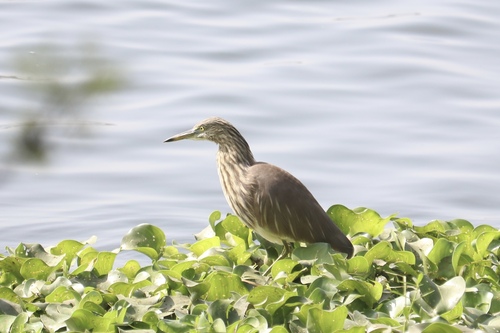
インドアカガシラサギ (Ardeola grayii) インドアカガシラサギ
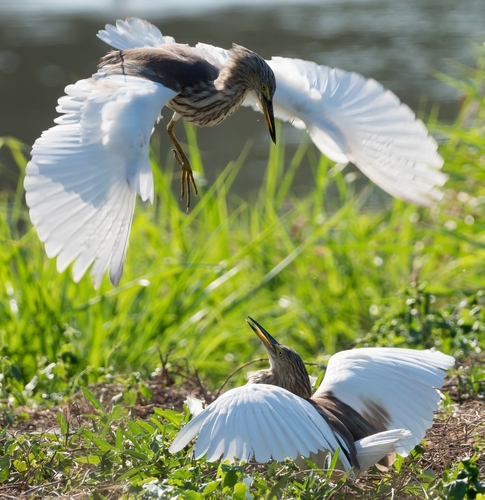
アカガシラサギ (Ardeola bacchus) アカガシラサギ

メディア

読み込み中…

要点

インドアカガシラサギとアカガシラサギを区別する最も信頼性の高い方法は、繁殖羽に焦点を当てることです:アカガシラサギの成鳥は鮮やかな赤、青、白の色を示しますが、インドアカガシラサギの成鳥はバフブラウンで、わずかな首の羽毛しか持ちません。両種は繁殖していないときは暗色で縞模様のブラウンですが、飛行中は白い翼が目立ちます。構造的な違いは微妙なので、文脈と季節的な羽毛に細心の注意を払うことが重要です。分布はしばしば最良の手がかりですが、重複ゾーンや迷鳥の場合は、繁殖色の注意深い観察が不可欠です。

識別のコツ

  1. 繁殖羽が鍵の区別点です: 春と夏には、アカガシラサギの鮮やかな赤(栗色)、青、白の羽毛—特に深紅の頭と首、青みがかった背中を探してください。インドアカガシラサギはこれらの色を示さず、せいぜいバフブラウンで長い首の羽毛を持っています。
  2. 非繁殖の鳥は非常に似ています: 両者は飛行中に白い翼を持つ縞模様のブラウンに見えます。基本的または幼鳥の羽毛には信頼できる違いがないため、繁殖シーズン外での識別は非常に難しいです。
  3. 飛行中の視点: 両種は、フラッシュされたときに暗色の体と明るい白い翼との間に劇的なコントラストを示します。これは区別点ではありませんが、池のサギの同定を確認するのに役立ちます。
  4. くちばしと脚の色: 両者は非繁殖羽毛で黒い先端のある黄色いくちばしと黄色い脚を持っています。インドアカガシラサギは繁殖シーズンに赤い脚を示すことがありますが、これは一貫性がなく診断的ではありません。
  5. 首の羽毛: 繁殖中のインドアカガシラサギは長い首の羽毛を持っていますが、これはアカガシラサギの鮮やかな色の変化と比較すると微妙です。
  6. 構造: 両者はずんぐりした短い首と太いくちばしを持っています。フィールドでの形やサイズに信頼できる違いはありません。
  7. 生息地と分布: インドアカガシラサギはインド亜大陸で一般的ですが、アカガシラサギは東アジアに見られます。1種のみが期待される地域では、分布が強い手がかりですが、重複ゾーンや迷鳥の可能性がある場合は注意が必要です。
  8. 止まっているときと飛行中: 両種は繁殖シーズン中に止まっているときに最も識別されます。飛行中は、両者が白い翼を持ち、区別には役立ちません。
  9. 幼鳥と未成熟の鳥: どちらの種にも、年齢特有の上翼や体の特徴が記述されていないため、若い鳥は羽毛で区別できません。
  10. 鳴き声: 鳴き声は稀で、フィールドでの区別には十分に特異ではありません。
  11. 混合サギコロニー: アカガシラサギはしばしば混合種のコロニーに巣を作りますが、両種が存在しない限り、これは信頼できるフィールドの手がかりではありません。
  12. 赤い脚のインドアカガシラサギ: 繁殖シーズンに赤い脚を示す稀な個体がありますが、これは一貫性がなく診断的な特徴ではありません。
  13. 赤色変異や変種の羽毛: 稀な色の変異(例:赤色変異のインドアカガシラサギ)は混乱を引き起こす可能性がありますが、例外的です。
  14. 文脈: 繁殖シーズン中に東アジアで鮮やかな色の池のサギ(赤/青/白)を見た場合、それはアカガシラサギです。鳥が鈍いブラウンでわずかな羽毛しか持たない場合、それはインドアカガシラサギです。
  15. 疑問がある場合: 繁殖シーズン外や遠くの/未成熟の鳥の場合、識別は分布の文脈なしでは不可能な場合があります。

大きさ

インドアカガシラサギは平均して約255gの体重ですが、アカガシラサギの直接的な質量データはありません。両者は小型でずんぐりしたサギで、短い首と太いくちばしを持ち、フィールドでの明確なサイズの違いはありません。長さは似ており(アカガシラサギ:約47cm)、サイズは信頼できる区別点ではありません。

羽色

非繁殖(基本)羽毛では、両種は上面が縞模様のブラウンで、飛行中に白い翼が閃き、非常に似ていて区別が難しいです。幼鳥と未成熟の鳥は、両者を区別するための特異な上翼パターンや年齢特有のマークを持っているとは記述されていません。繁殖(交替)羽毛では、アカガシラサギの成鳥は鮮やかな赤、青、白の色を発達させ、頭と首は深い栗色に、背中は青みがかり、翼は白のままです。繁殖シーズンのインドアカガシラサギの成鳥はより控えめで、バフブラウンの背中とわずかな長い首の羽毛しか持たず、豊かな赤や青の色調は発達しません。時折、繁殖シーズンのインドアカガシラサギは赤い脚を示すことがありますが、これは稀であり、一貫したフィールドマークではありません。両種は飛行中に白い翼によって変化しますが、止まっている鳥は繁殖色の有無によって最も区別されます。

行動

両種は通常、孤独または緩やかに群れをなしており、水域の端で獲物を追い、長時間動かずにいることがよくあります。彼らの暗色の羽毛は、フラッシュする前に近づくことを可能にします。飛行中、両者は鈍いカモフラージュの羽毛から明るい白い翼への劇的な切り替えを示します。両者の間に強い行動の違いは記録されていません。

生息環境

インドアカガシラサギはインド亜大陸、南イラン、ビルマ、スリランカに広く分布していますが、アカガシラサギは中国および隣接する東アジアに見られ、浅い淡水および塩水の湿地を好みます。両者は低地の湿地、池、稲作地に生息し、どちらも人間の居住地の近くに見られます。彼らの分布が交わる地域では、生息地だけでは診断的ではありませんが、重複の外では分布が強い手がかりです。

声

両種は通常静かですが、インドアカガシラサギは警戒したり巣の近くにいるときに厳しいクロークを出すことがあります。特異な鳴き声の違いは記述されておらず、鳴き声は区別のための信頼できるフィールドマークではありません。

より良い説明を送る

比較と同じ項目を使ってください。文章はすぐに公開されます。

The most reliable way to separate Indian Pond Heron from Chinese Pond Heron is by focusing on their breeding plumage: Chinese Pond Heron adults show bold red, blue, and white colors, while Indian Pond Heron adults remain buff-brown with only subtle neck plumes. Both species are cryptic and streaky brown when not breeding, but in flight, their white wings stand out. Structural differences are subtle, so context and close attention to seasonal plumage are key. Range is often the best clue, but in overlap zones or with vagrants, careful observation of breeding colors is essential.

  1. Breeding plumage is the key separator: In spring and summer, look for the Chinese Pond Heron's vivid red (chestnut), blue, and white plumage—especially the deep red head and neck and bluish back. Indian Pond Heron never shows these colors, remaining buff-brown with elongated neck plumes at most.
  2. Non-breeding birds are extremely similar: Both appear streaky brown above with white wings in flight. There are no reliable plumage differences in basic or juvenile plumage, so identification is very difficult outside the breeding season.
  3. Flight views: Both species show a dramatic contrast between cryptic brown body and bright white wings when flushed. This is not a separator, but is useful for confirming pond heron identity.
  4. Bill and leg color: Both have yellow bills with a black tip and yellow legs in non-breeding plumage. Indian Pond Heron may rarely show red legs in breeding season, but this is not consistent or diagnostic.
  5. Neck plumes: Breeding Indian Pond Herons have elongated neck feathers, but these are subtle compared to the bold color changes in Chinese Pond Heron.
  6. Structure: Both are stocky, short-necked, and thick-billed. There are no reliable differences in shape or size in the field.
  7. Habitat and range: Indian Pond Heron is common in the Indian subcontinent, while Chinese Pond Heron is found in East Asia. In areas where only one species is expected, range is a strong clue, but be cautious in overlap zones or with possible vagrants.
  8. Perched vs. in flight: Both species are best identified when perched during the breeding season. In flight, white wings are shared by both and do not help separation.
  9. Juvenile and immature birds: No distinctive age-specific upperwing or body marks are described for either species, so young birds are not separable by plumage.
  10. Vocalizations: Calls are infrequent and not distinctive enough for field separation.
  11. Mixed heronries: Chinese Pond Heron often nests in mixed-species colonies, but this is not a reliable field clue unless both species are present.
  12. Red-legged Indian Pond Herons: Rare individuals may show red legs in breeding season, but this is not a consistent or diagnostic feature.
  13. Erythristic or variant plumages: Rare color variants (e.g., erythristic Indian Pond Herons) can cause confusion but are exceptional.
  14. Context: If you see a boldly colored pond heron (red/blue/white) in breeding season in East Asia, it is Chinese Pond Heron. If the bird is dull brown with only subtle plumes, it is Indian Pond Heron.
  15. When in doubt: Outside the breeding season, or with distant/immature birds, identification may not be possible without range context.

Indian Pond Heron averages about 255 g in body mass, but no direct mass data is available for Chinese Pond Heron. Both are small, stocky herons with short necks and thick bills, and there is no clear size difference in the field. Length is similar (Chinese Pond Heron: ~47 cm), so size is not a reliable separator.

In non-breeding (basic) plumage, both species are streaky brown above with white wings that flash in flight, making them very similar and hard to distinguish. Juvenile and immature birds are not described as having distinctive upperwing patterns or age-specific marks that separate the two. In breeding (alternate) plumage, Chinese Pond Heron adults develop striking red, blue, and white colors, with the head and neck turning deep chestnut-red, back bluish, and wings remaining white. Indian Pond Heron adults in breeding season are more subdued, with buff-brown backs and only some elongated neck feathers; they do not develop the rich red or blue tones. Occasional Indian Pond Herons may show red legs in breeding season, but this is rare and not a consistent field mark. Both species are transformed in flight by their white wings, but perched birds are best separated by the presence or absence of bold breeding colors.

Both species are typically solitary or loosely gregarious, stalking prey at the edges of water bodies and often remaining motionless for long periods. Their cryptic plumage allows close approach before flushing. In flight, both show a dramatic switch from dull, camouflaged plumage to bright white wings. There are no strong behavioral differences noted between the two.

Indian Pond Heron is widespread in the Indian subcontinent, southern Iran, Burma, and Sri Lanka, while Chinese Pond Heron is found in China and adjacent East Asia, favoring shallow freshwater and saltwater wetlands. Both occur in lowland wetlands, ponds, and rice paddies, and both can be found near human habitation. In areas where their ranges meet, habitat alone is not diagnostic, but outside the overlap, range is a strong clue.

Both species are usually silent, but Indian Pond Heron may give a harsh croak when alarmed or near the nest. No distinctive vocal differences are described, and calls are not a reliable field mark for separation.

変更を破棄しますか?

保存していない編集があります。今離れると失われます。

インドアカガシラサギ · アカガシラサギ · 苦手な鳥