

Motmot

イベリアオオモズ 対 ヨーロッパオオモズ

Lanius meridionalis 対 Lanius excubitor

イベリアオオモズとヨーロッパオオモズのクイズ
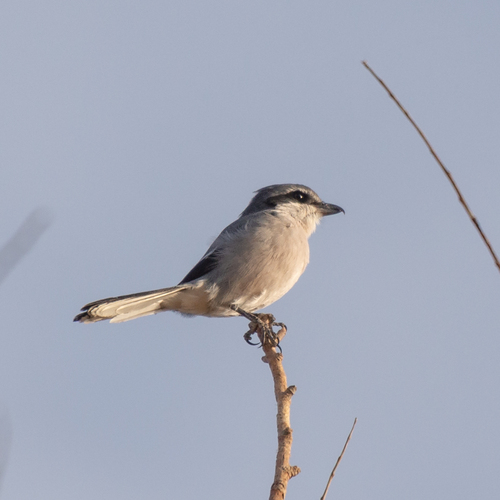
イベリアオオモズ (Lanius meridionalis) イベリアオオモズ
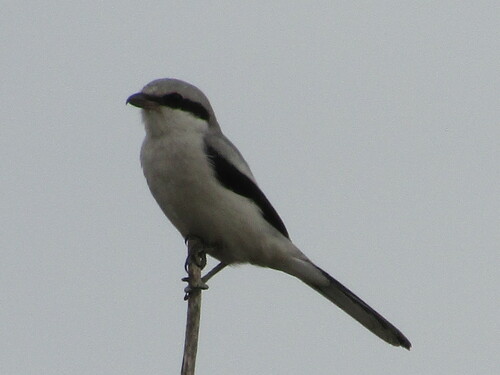
ヨーロッパオオモズ (Lanius excubitor) ヨーロッパオオモズ

メディア

読み込み中…

要点

イベリアオオモズとヨーロッパオオモズを区別するための最も信頼できるフィールドマークは、イベリアの全体的に暗い灰色の上面、特に頭頂、うなじ、背中に加え、より広い黒いマスクと腹部のピンクがかった色合いです。飛行中または静止中のイベリアオオモズは、初列風切羽に中程度の大きさの白い斑点を示しますが、次列風切羽には白がありません。一方、ヨーロッパオオモズは通常、真珠のような灰色の背中と白い腹部を持っています。構造的な違いは微妙ですが、注目に値します:イベリアオオモズはわずかに大きな頭、頑丈なくちばし、そして細い尾を持っているかもしれません。両種の幼鳥はあまり特徴的ではないため、未成熟の鳥には注意が必要です。生息地も役立つことがあります。イベリアオオモズは南西ヨーロッパに特有で、両者が重なる異なる生息地を好みます。

識別のコツ

  1. Upperparts Color (Adults): イベリアオオモズは上面が明らかに暗い灰色で、特に頭頂、うなじ、背中において、ヨーロッパオオモズはより淡い真珠のような灰色です。これは良い光の中での重要な区別です。
  2. Underparts Tint: イベリアオオモズはしばしば胸と腹に灰色がかったピンクの色合いを示しますが、ヨーロッパオオモズの清潔な白い腹部とは異なります。
  3. Black Mask: 黒いマスクはイベリアオオモズでより広く、時には目の上と下にさらに広がり、より明確な白い眉班と組み合わされています。ヨーロッパオオモズのマスクは狭く、眉班はあまり目立ちません。
  4. Wing Pattern (Adults): イベリアオオモズは初列風切羽に中程度の大きさの白い斑点を持っていますが、次列風切羽には白がありません。ヨーロッパオオモズは通常、翼に白い斑点を示しますが、メモには次列のパターンは指定されていません。次列に白があるかどうかを確認して、ヨーロッパオオモズの手がかりとしてみてください。
  5. Tail Structure: イベリアオオモズは細い尾を持っているかもしれませんが、ヨーロッパオオモズの尾は白い縁を持つくさび形と表現されています。尾の形は微妙で、他のマークと組み合わせて使用するのが最適です。
  6. Bill Structure: イベリアオオモズはヨーロッパオオモズに比べてわずかに大きな頭と頑丈なくちばしを持っているかもしれませんが、これは小さな違いであり、両種が一緒に見られない限り判断が難しいです。
  7. Juvenile/Immature Birds: 幼鳥の羽毛は両種ともあまり特徴的ではなく、利用可能なメモには区別のための明確な年齢特有の翼や尾のパターンは提供されていません。若い鳥には注意を払い、構造と文脈にもっと依存してください。
  8. Perched vs. In-Flight: 両種は目立って止まりますが、飛行中は翼の白の範囲と位置、上面の全体的な色調を探してください。イベリアオオモズの暗い上面と次列の白がないことが役立ちます。
  9. Habitat and Range: 南西ヨーロッパ、特に乾燥した開けた風景で観察された場合、イベリアオオモズの可能性が高くなります。ヨーロッパオオモズは北部および中央ヨーロッパとアジアでより広く分布しています。
  10. Behavior: 両種は典型的なオオモズの行動を示し、開けた場所に止まり、波状の飛行をし、攻撃的な姿勢をとります。行動の手がかりは区別には信頼できません。
  11. Sex and Season: オスとメスは両種とも似ています。季節的な変化は利用可能なメモの中で重要なフィールドマークとして強調されていません。
  12. Pitfalls: 特に幼鳥や未成熟の個体において重なる特徴が識別を難しくすることがあります。光の条件も上面の色やマスクの幅の認識に影響を与える可能性があります。
  13. Not Diagnostic: 鳴き声、詳細な翼のフォーミュラ、初列の投影は、利用可能なメモの中で区別に役立つとは記載されていません。
  14. When in Doubt: 上面の暗さ、腹部の色合い、マスクの幅、初列の白のパターンの組み合わせを優先してください。特に重なりのあるゾーンでは、生息地と範囲を補助的な文脈として使用してください。

大きさ

両種はサイズが似ており、ヨーロッパオオモズは体重が約63.4gであるとされています [wikidata]。イベリアオオモズは北部のヨーロッパオオモズとサイズが似ていると説明されていますが、わずかに大きな頭と細い尾を持っているかもしれません。これらの違いは微妙で、特に距離がある場合や直接比較がない場合には、フィールドで信頼できるとは限りません。

羽色

成鳥の場合、イベリアオオモズは上面がはるかに暗い灰色で、特に頭頂、うなじ、背中において、胸と腹には灰色がかったピンクの色合いがあります。黒いマスクはより広く、白い眉班はより明確です。初列風切羽の白い斑点は中程度の大きさですが、次列風切羽には白がありません。対照的に、ヨーロッパオオモズは上面が真珠のような灰色で、黒いマスクと明確な白い腹部を持っています。翼は黒で白い斑点があり、尾は白い縁を持つくさび形です。両種の幼鳥はあまり特徴的ではなく、年齢特有の上翼パターンは利用可能なメモに詳細が記載されていないため、未成熟の鳥には注意が必要です。

行動

両種は目立って止まり、オオモズに典型的な狩猟および社会的行動を持っています。ヨーロッパオオモズの飛行は波状で重く、しばしば地面に低く留まり、上向きに着地します。また、特にディスプレイや領土の相互作用中に繰り返しホバリング飛行を行うことができます。社会的な合図には、立ち上がった姿勢、尾や翼のひらひら、興奮したときの冠の立ち上がりが含まれます。フィールドでイベリアオオモズをヨーロッパオオモズから区別する特定の行動メモはありません。

生息環境

イベリアオオモズは南西ヨーロッパに特有で、ヨーロッパオオモズとは広く重ならず、限られた接触ゾーンで異なる生息地を選択し、交配しません。生息地の好みは手がかりになることがあります:南西ヨーロッパ、特に開けた乾燥したまたは半乾燥の風景にいる場合、イベリアオオモズの可能性が高くなります。ヨーロッパオオモズは北部および中央ヨーロッパとアジア全体に広い範囲を占め、より温暖な開けた生息地に生息しています。

より良い説明を送る

比較と同じ項目を使ってください。文章はすぐに公開されます。

The most reliable field mark for separating Iberian Grey Shrike from Great Grey Shrike is the overall darker grey upperparts of the Iberian, especially on the crown, nape, and mantle, combined with a broader black mask and a pinkish tinge to the underparts. In flight or at rest, Iberian Grey Shrike shows a moderately large white patch on the primaries but lacks white on the secondaries, while Great Grey Shrike typically has a pearlier grey back and white underparts. Structural differences are subtle but worth noting: Iberian Grey Shrike may have a slightly larger head, a stouter bill, and a thinner tail. Juveniles of both species are less distinctive, so caution is needed with immature birds. Habitat can also help, as Iberian Grey Shrike is endemic to southwestern Europe and prefers different habitats where the two overlap.

  1. Upperparts Color (Adults): Iberian Grey Shrike is noticeably darker grey above, especially on the crown, nape, and mantle, while Great Grey Shrike is a paler, pearly grey. This is a key distinction in good light.
  2. Underparts Tint: Iberian Grey Shrike often shows a greyish-pink wash on the breast and belly, unlike the clean white underparts of Great Grey Shrike.
  3. Black Mask: The black mask is broader in Iberian Grey Shrike, sometimes extending further above and below the eye, and is paired with a more distinct white supercilium. Great Grey Shrike's mask is narrower and the supercilium less obvious.
  4. Wing Pattern (Adults): Iberian Grey Shrike has a moderately large white patch on the primaries but lacks white on the secondaries. Great Grey Shrike typically shows a white spot on the wing, but the notes do not specify secondary pattern; check for any white on the secondaries as a possible Great Grey Shrike clue.
  5. Tail Structure: Iberian Grey Shrike may have a thinner tail, while Great Grey Shrike's tail is described as wedge-shaped with white edges. Tail shape is subtle and best used in combination with other marks.
  6. Bill Structure: Iberian Grey Shrike may have a slightly larger head and a stouter bill compared to Great Grey Shrike, but this is a minor difference and hard to judge unless both species are seen together.
  7. Juvenile/Immature Birds: Juvenile plumage is less distinctive in both species, and the available notes do not provide clear age-specific wing or tail patterns for separation. Exercise caution with young birds, and rely more on structure and context.
  8. Perched vs. In-Flight: Both species perch conspicuously, but in flight, look for the extent and location of white in the wings and the overall tone of the upperparts. Iberian Grey Shrike's darker upperparts and lack of secondary white are helpful.
  9. Habitat and Range: If observed in southwestern Europe, especially in drier, open landscapes, Iberian Grey Shrike is more likely. Great Grey Shrike is more widespread in northern and central Europe and Asia.
  10. Behavior: Both species exhibit typical shrike behaviors—perching in the open, undulating flight, and aggressive posturing. Behavioral cues are not reliable for separation.
  11. Sex and Season: Males and females are similar in both species. Seasonal variation is not highlighted as a key field mark in the available notes.
  12. Pitfalls: Overlapping features, especially in juveniles and immatures, can make identification tricky. Lighting conditions can also affect perception of upperpart color and mask width.
  13. Not Diagnostic: Vocalizations, detailed wing formula, and primary projection are not described as useful for separation in the available notes.
  14. When in Doubt: Prioritize the combination of upperpart darkness, underpart tint, mask width, and wing white pattern for adults. Use habitat and range as supporting context, especially in overlap zones.

Both species are similar in size, with the Great Grey Shrike averaging around 63.4 g in body mass [wikidata]. The Iberian Grey Shrike is described as similar in size to northern Great Grey Shrikes but may have a slightly larger head and a thinner tail. These differences are subtle and not always reliable in the field, especially at a distance or without direct comparison.

For adults, Iberian Grey Shrike is much darker grey above, especially on the crown, nape, and mantle, and has a greyish-pink wash on the breast and belly. Its black mask is broader and the white supercilium is more distinct. The white patch on the primaries is moderately large, but there is no white on the secondaries. In contrast, Great Grey Shrike is pearly grey above with a black mask and clear white underparts. Its wings are black with a white spot, and the tail is wedge-shaped with white edges. Juveniles of both species are less distinctive, and age-specific upperwing patterns are not detailed in the available notes, so caution is needed with immature birds.

Both species perch conspicuously and have similar hunting and social behaviors typical of shrikes. Great Grey Shrike's flight is undulating and heavy, often staying low to the ground and landing with an upward swoop. It is also capable of repeated hovering flights, especially during display or territorial interactions. Social signaling includes upright postures, tail and wing flicking, and crest-raising when agitated. There is no specific behavioral note distinguishing Iberian Grey Shrike from Great Grey Shrike in the field.

Iberian Grey Shrike is endemic to southwestern Europe and does not overlap broadly with Great Grey Shrike, except in limited contact zones where they select different habitats and do not interbreed. Habitat preference can be a clue: if you are in southwestern Europe, especially in open, dry, or semi-arid landscapes, Iberian Grey Shrike is more likely. Great Grey Shrike occupies a wider range across northern and central Europe and Asia, often in more temperate open habitats.

変更を破棄しますか?

保存していない編集があります。今離れると失われます。

イベリアオオモズ · ヨーロッパオオモズ · 苦手な鳥