

Motmot

ヨーロッパヤマウズラ 対 ベニハシガラス

Perdix perdix 対 Pyrrhocorax pyrrhocorax

ヨーロッパヤマウズラとベニハシガラスのクイズ
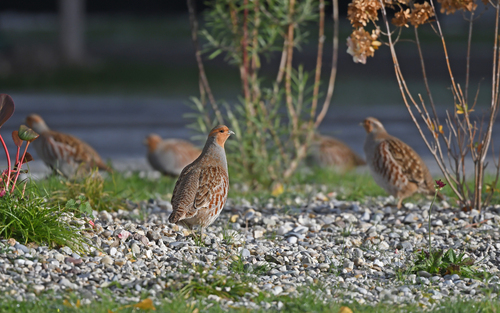
ヨーロッパヤマウズラ (Perdix perdix) ヨーロッパヤマウズラ
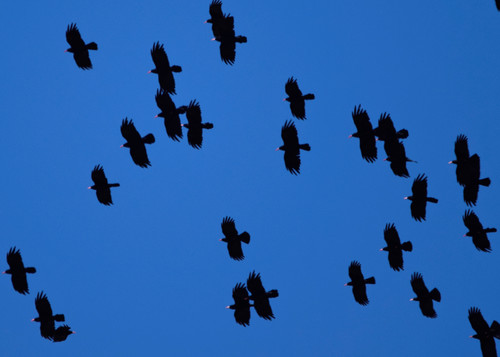
ベニハシガラス (Pyrrhocorax pyrrhocorax) ベニハシガラス

メディア

読み込み中…

要点

ヨーロッパヤマウズラとベニハシガラスを区別する最も信頼できるフィールドマークは、全体の色合いとくちばし/脚の色です:ヨーロッパヤマウズラは、丸みを帯びた土色のゲームバードで、小さく淡いくちばしと脚を持ち、一方ベニハシガラスは、光沢のある黒い羽毛を持つスリムなカラスのような鳥で、長く湾曲した赤いくちばしと赤い脚を持っています。幼鳥のヨーロッパヤマウズラは黄褐色で、成鳥の顔や腹の模様が欠けていますが、決してベニハシガラスの黒い光沢や赤い裸の部分を示すことはありません。飛行中、ヨーロッパヤマウズラは短く丸い翼と、低くハイピッチな飛行を示し、ベニハシガラスは長く広い翼と浮遊感のあるアクロバティックな飛行スタイルを持っています。距離があっても、ベニハシガラスの黒い羽毛と独特のくちばしの形は、ヨーロッパの鳥の中でユニークです。

識別のコツ

  1. Bill color and shape: ベニハシガラスは長く、細く、下向きに曲がった赤いくちばし(幼鳥はオレンジ)を持ち、ヨーロッパヤマウズラは短く、太く、淡いくちばしを持っています。これはすべての年齢で診断的です。
  2. Leg color: ベニハシガラスの脚は明るい赤(幼鳥はピンク)で、ヨーロッパヤマウズラには見られない、鈍い淡い脚を持っています。
  3. Plumage color: ベニハシガラスは完全に光沢のある黒で、緑がかった光沢があります;ヨーロッパヤマウズラは決して黒ではなく、代わりに灰色、茶色、赤褐色のトーンを示し、錆びた顔と栗色の側面を持っています。
  4. Juvenile confusion: 幼いヤマウズラは黄褐色で、強い顔や腹の模様が欠けています;幼いベニハシガラスは黒で、光沢が少なく、オレンジのくちばしとピンクの脚を持っています。ベニハシガラスのどの年齢でも茶色や土色は見られません。
  5. Flight style: ヨーロッパヤマウズラは低く速く飛び、短く丸い翼で、通常はフラッシュされたときにのみ短時間飛びます。ベニハシガラスは長く広い翼を持ち、滑空し、アクロバティックな飛行を行います。
  6. Tail shape: ベニハシガラスはくさび形の長い尾を持ち、ヤマウズラは短く四角い尾を持っています。
  7. Size and jizz: ベニハシガラスは長く、より細く、直立しており;ヤマウズラはコンパクトで、ずんぐりした地面に密着した姿です。
  8. Habitat: ヤマウズラは低地の野原、草地、農地に生息し;ベニハシガラスは崖、丘陵地、時には開けた国の古い建物に生息します。
  9. Group behavior: ベニハシガラスはしばしば騒がしく活発な群れで見られ;ヤマウズラは小さく静かな群れで見られます。
  10. Vocalizations: ベニハシガラスの「chee-ow」は大きく響き;ヤマウズラの「kieerr-ik」と「rick rick rick」はより厳しく、音楽的ではありません。
  11. Face pattern: ヤマウズラの成鳥は錆びた顔と暗い腹の斑点を持ち(雌は小さくなる);ベニハシガラスは赤いくちばしを持つ平坦な黒い顔を持っています。
  12. Sex differences: 両種はフィールドでの性的二形性が少ないですが、雌のヤマウズラは小さな腹の斑点と鈍い羽毛を持っています。
  13. In-hand marks: ヤマウズラの雌は二つの横のバーを持ち(「ロレーヌの十字」)、雄は一つだけ;フィールドでは見えません。
  14. Seasonal changes: ベニハシガラスは一年中黒い羽毛を保持します;ヤマウズラは幼鳥としてのみ黄褐色のトーンを示し、すぐに成鳥のパターンを得ます。
  15. Common pitfalls: 距離があっても、ベニハシガラスの黒い形と飛行はカラスと間違えられることがありますが、決してヤマウズラとは間違えられません。ヤマウズラは決して滑空したり崖にいることはなく、決して黒く見えたり赤い裸の部分を持つことはありません。

大きさ

ヨーロッパヤマウズラはコンパクトでずんぐりした鳥で、通常29〜31 cmの長さで、翼幅は45〜48 cmです。ベニハシガラスは明らかに大きく、より細長く、39〜40 cmの長さで、翼幅は73〜90 cmです。ベニハシガラスの大きなサイズにもかかわらず、平均体重は似ています(ヤマウズラは最大455 g、ベニハシガラスは約287.5〜310 g)ですが、ベニハシガラスはその比率と飛行スタイルのために軽く、より敏捷に見えます。ヤマウズラは地面に生息し、ずんぐりした外見を持ち、ベニハシガラスはより直立してカラスのようです。

羽色

行動

ヨーロッパヤマウズラは地面に生息し、秘密主義的な鳥で、オープンフィールドで歩いたりしゃがんだりしているのがよく見られ、通常はフラッシュされたときにのみ短距離を飛び、急速でハイピッチな羽音を立てます。ベニハシガラスは非常に空中性が高く、アクロバティックな飛行動作を行い、崖や開けた地面を滑空するのがよく見られます。ベニハシガラスは群れで行動し、騒がしく食事をしたり飛んだりすることが多いのに対し、ヤマウズラは地面で小さく静かな群れで見られることが多いです。

生息環境

ヨーロッパヤマウズラは低地の農地、草地、開けた国を好み、特に作物や生垣の近くに生息します。山岳地帯や岩の多い地域ではめったに見られません。ベニハシガラスは海岸の崖、丘陵地、山岳地域に強く関連しており、古い建物が巣の場所を提供する低地地域にのみ局所的に生息します。岩の多い海岸や高地の環境で鳥を見た場合、ベニハシガラスである可能性が高いです;農地や低地の草地では、ヤマウズラが期待されます。

声

ヨーロッパヤマウズラはフラッシュされたときに厳しく高音の「kieerr-ik」と繰り返しの「rick rick rick」を出します。ベニハシガラスは大きく響く「chee-ow」の鳴き声を持ち、ヤマウズラの音よりもはるかに明瞭で音楽的です。ベニハシガラスの鳴き声は遠くまで届き、飛行中や崖に止まっているときによく聞かれます。ヤマウズラの鳴き声は近距離で聞かれることが多く、響きが少ないです。

より良い説明を送る

比較と同じ項目を使ってください。文章はすぐに公開されます。

The most reliable field mark to separate Grey Partridge from Red-billed Chough is overall coloration and bill/leg color: Grey Partridge is a rotund, earth-toned gamebird with a small, pale bill and legs, while Red-billed Chough is a sleek, crow-like bird with glossy black plumage, a long, curved red bill, and red legs. Juvenile Grey Partridges are yellow-brown and lack the adult's face and belly markings, but never show the black gloss or red bare parts of the chough. In flight, Grey Partridge shows short, rounded wings and a whirring, low flight, while choughs have long, broad wings and a buoyant, acrobatic flight style. Even at a distance, the chough's black plumage and distinctive bill shape are unique among European birds.

  1. Bill color and shape: Red-billed Chough has a long, slender, downcurved red bill (orange in juveniles), while Grey Partridge has a short, stout, pale bill. This is diagnostic at all ages.
  2. Leg color: Chough legs are bright red (pink in juveniles), never seen in partridge, which has dull, pale legs.
  3. Plumage color: Chough is entirely glossy black with a greenish sheen; Grey Partridge is never black, instead showing grey, brown, and rufous tones with a rusty face and chestnut flanks.
  4. Juvenile confusion: Young partridges are yellow-brown and lack strong facial or belly markings; juvenile choughs are black with less gloss, orange bill, and pink legs. No brown or earth tones in chough at any age.
  5. Flight style: Partridge flies low and fast with short, rounded wings, usually only briefly when flushed. Choughs have long, broad wings, soar and glide, and perform aerial acrobatics.
  6. Tail shape: Chough has a wedge-shaped, longer tail; partridge has a short, squared tail.
  7. Size and jizz: Chough is longer, more slender, and upright; partridge is compact, squat, and ground-hugging.
  8. Habitat: Partridge in lowland fields, meadows, and farmland; chough on cliffs, uplands, and sometimes old buildings in open country.
  9. Group behavior: Choughs are often in noisy, active flocks; partridges in small, quiet coveys.
  10. Vocalizations: Chough's "chee-ow" is loud and ringing; partridge's "kieerr-ik" and "rick rick rick" are harsher and less musical.
  11. Face pattern: Partridge adults have a rusty face and dark belly patch (smaller in females); chough has a plain black face with a red bill.
  12. Sex differences: Both species show little sexual dimorphism in the field, but female partridges have a smaller belly patch and duller plumage.
  13. In-hand marks: Partridge females have two transverse bars on the tertiary coverts ("cross of Lorraine"), males only one; not visible in the field.
  14. Seasonal changes: Choughs retain black plumage year-round; partridges only show yellow-brown tones as juveniles, quickly gaining adult pattern.
  15. Common pitfalls: At a distance, a chough's black shape and flight may be mistaken for a crow, but never for a partridge. Partridges are never seen soaring or on cliffs, and never appear black or have red bare parts.

Grey Partridge is a compact, chunky bird, typically 29–31 cm in length with a wingspan of 45–48 cm. Red-billed Chough is noticeably larger and more elongated, at 39–40 cm long with a wingspan of 73–90 cm. Despite the chough's larger size, their average mass is similar (partridge up to 455 g, chough around 287.5–310 g), but the chough appears lighter and more agile due to its proportions and flight style. Partridges are ground-dwelling and appear squat, while choughs are more upright and crow-like.

  • Juvenile/immature birds: Young Grey Partridges are yellow-brown overall, lacking the adult's rusty face and dark belly patch. Juvenile Red-billed Choughs are glossy black but with less sheen than adults, and have an orange bill and pink legs (not red). No age of chough is brown or earth-toned like a partridge.
  • Adults: Grey Partridge adults are greyish with a rufous face, chestnut flanks, and a dark belly patch (smaller or duller in females). Their wings are brown with no gloss. Red-billed Chough adults are entirely velvet-black with a greenish gloss, a long, curved red bill, and red legs. No partridge shows black plumage or red bare parts at any age.
  • Flight views: Grey Partridge in flight shows short, rounded wings and a compact body, with no strong contrast or gloss. Choughs in flight show long, broad wings, a wedge-shaped tail, and all-black coloration with a striking red bill visible at close range.

Grey Partridge is a ground-dwelling, secretive bird, often seen walking or crouching in open fields and only flying when flushed, usually for a short distance with rapid, whirring wingbeats. Red-billed Chough is highly aerial, often seen performing acrobatic flight maneuvers, soaring, and gliding along cliffs or over open ground. Choughs are gregarious and often feed or fly in noisy groups, while partridges are more likely to be seen in small, quiet coveys on the ground.

Grey Partridge prefers lowland farmland, grassy fields, and open country, especially near crops or hedgerows. They are rarely found in mountainous or rocky areas. Red-billed Chough is strongly associated with coastal cliffs, upland pastures, and mountainous regions, and only locally in lowland areas where old buildings provide nest sites. If you see a bird in a rocky coastal or highland setting, chough is far more likely; in arable fields or lowland grassland, partridge is expected.

Grey Partridge gives a harsh, high-pitched "kieerr-ik" and a repeated "rick rick rick" when flushed. Red-billed Chough has a loud, ringing "chee-ow" call, much clearer and more musical than any partridge sound. The chough's call carries far and is often given in flight or when perched on cliffs. Partridge calls are more likely heard at close range and are less resonant.

変更を破棄しますか?

保存していない編集があります。今離れると失われます。

ヨーロッパヤマウズラ · ベニハシガラス · 苦手な鳥