

Motmot

カンムリコゲラ 対 ハイガシラコゲラ

Hemicircus concretus 対 Yungipicus canicapillus

カンムリコゲラとハイガシラコゲラのクイズ
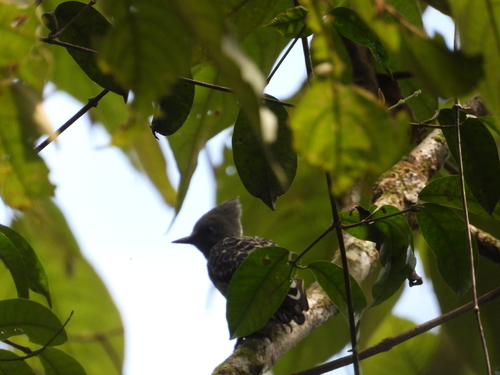
カンムリコゲラ (Hemicircus concretus) カンムリコゲラ
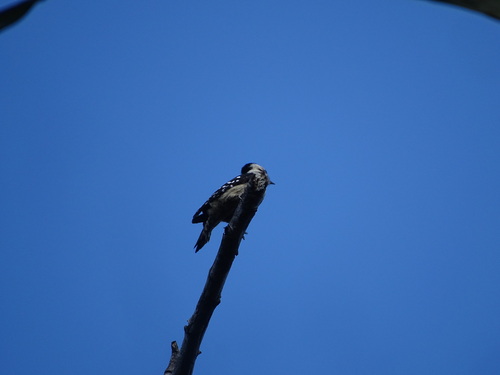
ハイガシラコゲラ (Yungipicus canicapillus) ハイガシラコゲラ

メディア

読み込み中…

要点

カンムリコゲラとハイガシラコゲラを区別する最も信頼できるフィールドマークは全体のパターンです。Grey-and-buffは大きな円錐形の冠を持ち、ほとんど灰色の頭を持つコンパクトでふっくらとした鳥です(オスは赤い額があります)。一方、Grey-capped Pygmyは明確に黒と白の縞模様の背中を持つ小さく暗いキツツキで、強い顔の縞模様と暗い灰色の冠(オスには赤い後頭部があります)を持っています。Grey-and-buffは上面と翼にスカラップ効果を示し、頭には細い白い波状の線がありますが、Grey-capped Pygmyは下部に目立つ縞模様と大胆な顔のパターンがあります。両種は小型ですが、Grey-and-buffはよりずんぐりしており、相対的に大きな頭と短い尾を持っています。これらの違いは、止まっているときと飛んでいるときの両方で見ることができますが、顔と上面のパターンはすべての年齢で重要です。

識別のコツ

  1. Head and Crest Shape: カンムリコゲラは大きな円錐形の冠と相対的に大きな頭を持ち、独特のプロファイルを与えています。ハイガシラコゲラは平らな冠と小さく目立たない冠を持っています。
  2. Facial Pattern: Grey-and-buffはほとんど灰色の頭を持ち、頬からマントルまで細い白い波状の線があり、顔は控えめです。Grey-capped Pygmyは大胆な黒い目の縞、細い暗いマラールの縞、広い白いスーパーシリウムと頬、そして暗い灰色の冠(オスには赤い後頭部があります)を持っています。Grey-capped Pygmyの顔ははるかにコントラストが強く、パターンがあります。
  3. Sex Differences: Grey-and-buffでは、オスだけが赤い額を持ち、メスは全体が灰色の頭と冠を持っています。Grey-capped Pygmyでは、オスは赤い後頭部を持ち、メスにはありません。
  4. Upperparts and Wing Pattern: Grey-and-buffは黒っぽい上面と翼を持ち、白またはバフのスカラップがあり、スケールまたはスカラップ効果を生み出します。Grey-capped Pygmyは上面が強く黒と白の縞模様で、より鮮明で規則的なパターンを持っています。
  5. Underparts: Grey-and-buffは下部がほとんど無地の灰色です。Grey-capped Pygmyは目立つ暗い縞模様のある暗いバフの下部を持ち、腹部ははるかにパターンが目立ちます。
  6. Tail: Grey-and-buffは短く丸い暗い尾を持っています。Grey-capped Pygmyの中央の尾羽は通常無地ですが、尾はGrey-and-buffよりも長く、丸みが少ないです。
  7. Bill Shape: Grey-and-buffは黒い先端を持つ長く細い灰色のくちばしを持っています。Grey-capped Pygmyのくちばしは詳細には記述されていませんが、一般的に頭のサイズに対して短くて細いです。
  8. Body Structure: Grey-and-buffはふっくらとしてコンパクトで、短い尾と大きな頭を持っています。Grey-capped Pygmyはより細長く、尾が長く、頭が小さいです。
  9. Iris Color: Grey-and-buffは栗色の虹彩を持っています。Grey-capped Pygmyの目は暗いですが、特に栗色とは記述されていません。
  10. Rump: Grey-and-buffは腺の分泌物によって汚れた白い尾を示すことがありますが、これはGrey-capped Pygmyにはありません。
  11. Habitat Context: マレー半島、スマトラ、ボルネオの低地熱帯雨林や森林の端で見られた場合はGrey-and-buffを考慮してください。より広範な森林タイプ、特にスンダ地域の外での高地やマングローブにいる場合は、Grey-capped Pygmyの可能性が高いです。
  12. Behavior: 両種は採餌を行いますが、Grey-and-buffは動きがより重く、意図的に見えることがあります。
  13. Group Size: Grey-and-buffはしばしば単独またはペアで見られ、時には混合群れに参加します。Grey-capped Pygmyも小さな群れや混合群れで遭遇することがあります。
  14. Plumage Pitfalls: 未成熟または摩耗した鳥はコントラストを失うことがありますが、全体の体形、冠、顔のパターンは信頼できます。
  15. Seasonal Variation: どちらの種にも強い季節的な羽毛の変化は記述されていないため、これらのマークは年間を通じて信頼できます。

大きさ

カンムリコゲラはハイガシラコゲラよりもわずかに大きく、明らかにずんぐりしています。全長約13.5 cm、体重約29 g [wikidata]で、ふっくらとした体、大きな頭、短く丸い尾を持っています。ハイガシラコゲラは全体的に小さく、より細長く、相対的に長い尾と細い体を持っています。フィールドでは、Grey-and-buffはしばしばよりコンパクトで重厚に見え、Grey-capped Pygmyはより優雅で細長く見えます。

羽色

どちらの種にも年齢特有の翼や飛行パターンの違いは詳細には記述されていないため、成鳥と一般的な羽毛に焦点を当ててください。カンムリコゲラはほとんど灰色の頭を持ち、頬からマントルまで細い白い波状の線があり、大きな冠(オスの額は赤、メスは全灰色)、黒っぽい上面と翼に白またはバフのスカラップがあり、灰色の下部を持っています。尾と下翼は暗く、尾は腺の分泌物で汚れることがあります。対照的に、ハイガシラコゲラは暗い灰色の冠(オスには赤い後頭部があります)、大胆な黒い目の縞、細い暗いマラールの縞、広い白いスーパーシリウムと頬、そして強く黒と白の縞模様の背中を持っています。下部は暗いバフで目立つ暗い縞模様があり、中央の尾羽は通常無地です。顔のパターンはGrey-capped Pygmyでより強く、コントラストが強いのに対し、Grey-and-buffはより控えめでスカラップ状です。これらの違いは、記述されたすべての性別と年齢に適用されます。

行動

カンムリコゲラは通常、単独またはペアで見られ、時には混合種の群れに参加します。主に葉や枝から昆虫や果物を採餌し、掘ることはありません。死木に掘られた浅い穴で共同で休息します。ハイガシラコゲラの行動はノートには詳細に記述されていませんが、一般的に採餌スタイルや生息地の使用は似ています。両種は活発で敏捷ですが、Grey-and-buffのふっくらした形と大きな頭は、その動きをより意図的に見せるかもしれません。

生息環境

両種は東南アジアの森林に生息していますが、カンムリコゲラは低地および中標高の常緑雨林、森林の端、プランテーション、竹の茂み、さらには木々のある都市部に制限されています。シンガポールでは現在絶滅しています。ハイガシラコゲラはヒマラヤや満州から東南アジアまでのはるかに広い範囲を持ち、亜熱帯または熱帯の湿った低地および山地の森林、さらにはマングローブを利用します。東南アジアでは重複が可能ですが、Grey-capped Pygmyはより高い標高やより広範な森林タイプで見られる可能性が高いです。

より良い説明を送る

比較と同じ項目を使ってください。文章はすぐに公開されます。

The most reliable field mark to separate Grey-and-buff Woodpecker from Grey-capped Pygmy Woodpecker is overall pattern: Grey-and-buff is a compact, plump bird with a large, cone-shaped crest and a mostly grey head (males have a red forehead), while Grey-capped Pygmy is a small, dark woodpecker with a clearly barred black-and-white back, strong facial stripes, and a dark grey crown (with a red nape in males). Grey-and-buff shows a scalloped effect on the upperparts and wings, with a fine white wavy line on the head, while Grey-capped Pygmy has prominent streaking below and bold face patterning. Both species are small, but Grey-and-buff is bulkier and has a proportionally larger head and shorter tail. These differences are visible both perched and in flight, but facial and upperpart patterns are key at all ages.

  1. Head and Crest Shape: Grey-and-buff Woodpecker has a large, cone-shaped crest and a proportionally large head, giving it a distinctive profile. Grey-capped Pygmy Woodpecker has a flatter crown and a smaller, less prominent crest.
  2. Facial Pattern: Grey-and-buff shows a mostly grey head with a fine white wavy line from cheek to mantle, and a muted face. Grey-capped Pygmy has a bold black eyestripe, thin dark malar stripe, broad white supercilium and cheeks, and a dark grey crown (red nape in males). The face of Grey-capped Pygmy is much more contrasting and patterned.
  3. Sex Differences: In Grey-and-buff, only males have a red forehead; females have an all-grey head and crest. In Grey-capped Pygmy, males have a red nape, which is absent in females.
  4. Upperparts and Wing Pattern: Grey-and-buff has blackish upperparts and wings with white or buff scalloping, creating a scaled or scalloped effect. Grey-capped Pygmy is strongly barred black-and-white above, with a more crisp and regular pattern.
  5. Underparts: Grey-and-buff is mostly plain grey below. Grey-capped Pygmy has dark buff underparts with prominent dark streaking, making the belly look much more patterned.
  6. Tail: Grey-and-buff has a short, rounded, dark tail. Grey-capped Pygmy's central tail feathers are usually unbarred, but the tail is longer and less rounded than in Grey-and-buff.
  7. Bill Shape: Grey-and-buff has a long, slender, grey bill with a black tip. Grey-capped Pygmy's bill is not described in detail, but is generally shorter and finer in proportion to head size.
  8. Body Structure: Grey-and-buff is plump and compact, with a short tail and large head. Grey-capped Pygmy is more slender and elongated, with a longer tail and smaller head.
  9. Iris Color: Grey-and-buff has chestnut irides. Grey-capped Pygmy's eyes are dark, but not specifically described as chestnut.
  10. Rump: Grey-and-buff may show a stained white rump due to gland secretions, a feature not present in Grey-capped Pygmy.
  11. Habitat Context: If seen in lowland rainforest or forest edge in Peninsular Malaysia, Sumatra, or Borneo, consider Grey-and-buff. If in a wider range of forest types, including higher elevation or mangroves, especially outside the Sundaic region, Grey-capped Pygmy is more likely.
  12. Behavior: Both species forage by gleaning, but Grey-and-buff may appear heavier and more deliberate in movement.
  13. Group Size: Grey-and-buff is often solitary or in pairs, sometimes in mixed flocks. Grey-capped Pygmy may be encountered in small groups or mixed flocks as well.
  14. Plumage Pitfalls: Immature or worn birds may lose some contrast, but overall body shape, crest, and face pattern remain reliable.
  15. Seasonal Variation: No strong seasonal plumage changes are described for either species, so these marks are reliable year-round.

Grey-and-buff Woodpecker is slightly larger and noticeably bulkier than Grey-capped Pygmy Woodpecker. It reaches about 13.5 cm in length and weighs around 29 g [wikidata], with a plump body, large head, and short, rounded tail. Grey-capped Pygmy Woodpecker is smaller and more slender overall, with a proportionally longer tail and finer build. In the field, Grey-and-buff often appears more compact and heavyset, while Grey-capped Pygmy looks daintier and more elongated.

No detailed age-specific wing or flight pattern differences are described for either species, so focus on adult and general plumage. Grey-and-buff Woodpecker has a mostly grey head with a fine white wavy line from cheek to mantle, a large crest (red on forehead in males, all grey in females), blackish upperparts and wings with white or buff scalloping, and grey underparts. The tail and underwing are dark, and the rump can be stained from gland secretions. In contrast, Grey-capped Pygmy Woodpecker has a dark grey crown (red nape in males), bold black eyestripes, thin dark malar stripes, broad white supercilia and cheeks, and a strongly barred black-and-white back. Its underparts are dark buff with prominent dark streaking, and the central tail feathers are usually unbarred. The face pattern is much stronger and more contrasting in Grey-capped Pygmy, while Grey-and-buff is more muted and scalloped. These differences apply to both sexes and all ages as described.

Grey-and-buff Woodpecker is usually seen singly or in pairs, sometimes joining mixed-species flocks in the canopy. It forages mainly by gleaning insects and fruit from foliage and branches, rather than drilling. It roosts communally in shallow holes excavated in dead wood. Grey-capped Pygmy Woodpecker's behavior is not detailed in the notes, but it is generally similar in foraging style and habitat use. Both species are active and agile, but Grey-and-buff's plumper shape and larger head may make its movements appear more deliberate compared to the more nimble Grey-capped Pygmy.

Both species occur in Southeast Asian forests, but Grey-and-buff Woodpecker is more restricted to lowland and mid-elevation evergreen rainforests, forest edges, plantations, bamboo thickets, and even wooded urban areas. It is now extinct in Singapore. Grey-capped Pygmy Woodpecker has a much wider range, from the Himalayas and Manchuria to Southeast Asia, and uses subtropical or tropical moist lowland and montane forests, as well as mangroves. Overlap is possible in Southeast Asia, but Grey-capped Pygmy is more likely at higher elevations and in a broader range of forest types.

変更を破棄しますか?

保存していない編集があります。今離れると失われます。

カンムリコゲラ · ハイガシラコゲラ · 苦手な鳥