

Motmot

ミドリボウシヒメムシクイ 対 ミドリコムシクイ

Eremomela scotops 対 Camaroptera brachyura

ミドリボウシヒメムシクイとミドリコムシクイのクイズ
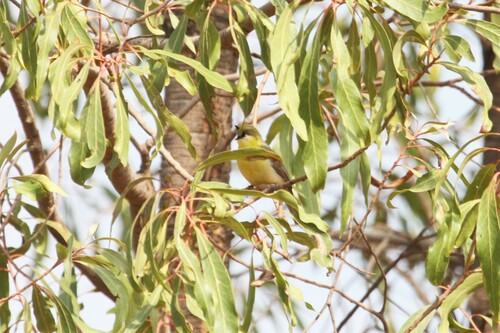
ミドリボウシヒメムシクイ (Eremomela scotops) ミドリボウシヒメムシクイ
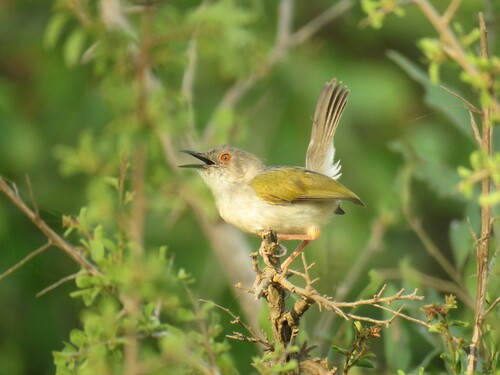
ミドリコムシクイ (Camaroptera brachyura) ミドリコムシクイ

メディア

読み込み中…

要点

ミドリボウシヒメムシクイとミドリコムシクイの間で最も信頼できるフィールドマークは全体の羽毛パターンです:ミドリコムシクイはオリーブ色の翼と白灰色の腹部を持つ緑色の上面を示しますが、ミドリボウシヒメムシクイはこの組み合わせを欠いています。幼鳥のコムシクイは胸がより淡い黄色で、混乱を引き起こす可能性がありますが、ヒメムシクイはこれを示しません。どちらもCisticolidae科の小さく活発な鳥ですが、コムシクイはわずかに重く、通常は密なカバーの中で低く留まります。フィールドでこれらの種を区別するために、腹部の色、翼のトーン、行動の微妙な違いに注意してください。

識別のコツ

  1. Juvenile underparts: 幼鳥のミドリコムシクイは胸が淡い黄色で、ミドリボウシヒメムシクイはどの年齢でもこれを示しません。黄色い胸の若い鳥を見たら、コムシクイを疑ってください。
  2. Adult upperparts: コムシクイの成鳥は緑色の上面とオリーブ色の翼を持ち、ヒメムシクイはこの正確な組み合わせを欠いています。止まっているか採餌している鳥の緑色の背中とオリーブ色の翼のコントラストを探してください。
  3. Underparts color: コムシクイは成鳥で白灰色の腹部を示し、緑色の上面と対照的です。ヒメムシクイの腹部の色は指定されていませんが、鋭い緑/白のコントラストがないことはヒメムシクイを示唆するかもしれません。
  4. Wing color: オリーブ色の翼はコムシクイの特徴です。翼がより中立的またはオリーブ色が少ない場合は、ヒメムシクイを考慮してください。
  5. Sex differences: 両種は性別が似ているため、識別に性別を頼らないでください。
  6. Flight vs perched views: どちらの種にも特有の飛行マークや上翼パターンは記載されていないため、止まっている視点と全体の色に焦点を当ててください。
  7. Behavior: コムシクイは隠れた行動をすることが多く、通常は密なカバーの中で低く留まり、しばしば隠れています。もし鳥が厚い茂みを通って移動しているか地面の近くにいる場合、コムシクイの可能性が高いです。ヒメムシクイはより目立ち、開けた場所で活発である可能性があります。
  8. Habitat: 密で茂ったカバーと葉を結びつける行動はコムシクイの強い手がかりです。ヒメムシクイは密な低木にあまり依存していません。
  9. Size: 両種はサイズが非常に似ており、コムシクイはわずかに重いですが、これは信頼できるフィールドマークではありません。
  10. Nest location: もし低い茂みの中で葉に縛られた巣を観察した場合、それはおそらくコムシクイです。
  11. Pitfalls with juveniles: 幼鳥のコムシクイの淡い黄色の胸は他の種と間違えられることがあります。確認するために緑色の上面とオリーブ色の翼をチェックしてください。
  12. No strong seasonal variation: 両種は季節的または性的二形性がほとんどないため、羽毛のマークは年間を通じて適用されます。
  13. Voice: メモには音声の違いは記載されていないため、歌や鳴き声に頼って区別しないでください。
  14. Context: 密で低い植生の中でバードウォッチングをしていて、小さな緑色の鳥を見た場合、コムシクイの可能性が高いです。より開けたまたは混合した生息地では、ヒメムシクイを考慮してください。
  15. Combined marks: 最良の区別は、コムシクイの緑色の上面、オリーブ色の翼、白灰色の腹部、隠れた行動の組み合わせから得られ、ヒメムシクイはこの組み合わせを欠いています。

大きさ

ミドリボウシヒメムシクイは体重が平均9.0gで、ミドリコムシクイはわずかに重く10.0gです[wikidata]。どちらも小さなスズメ目の鳥ですが、この違いはフィールドでは無視できるものです。コムシクイは約11.5cmの長さと記載されていますが、ヒメムシクイの長さは記載されていませんが、両者はサイズと構造が似ているため、サイズだけでは信頼できる区別にはなりません。

羽色

幼鳥のミドリコムシクイは、ミドリボウシヒメムシクイと区別できる淡い黄色の胸を持っており、ヒメムシクイはどの年齢でもこの特徴を示しません。成鳥のコムシクイは緑色の上面、オリーブ色の翼、白灰色の腹部を持ち、ヒメムシクイはこの特定の組み合わせを欠いています。コムシクイの両性は似ているため、性別は有用な区別にはなりません。どちらの種にも特有の年齢別の上翼パターンや飛行マークは記載されていないため、腹部と上面の色に焦点を当ててください。ヒメムシクイの羽毛はここでは詳細に説明されていませんが、コムシクイの緑色の背中とオリーブ色の翼は重要なコントラストです。

行動

ミドリコムシクイは隠れた行動をする種として説明されており、通常は密なカバーの中で低く見られ、しばしば葉を結びつけて巣を作ります。この行動は特異であり、ミドリボウシヒメムシクイとの区別に役立ちます。コムシクイが低く隠れている傾向は、ヒメムシクイのより典型的な採餌行動と対照的であり、ヒメムシクイは開けた場所でより目立つかもしれません。

生息環境

ミドリコムシクイは密で低い植生と茂ったカバーに強く関連しており、そこで巣を作り、採餌します。ミドリボウシヒメムシクイの生息地はメモに指定されていませんが、コムシクイの密な低木への好みは有用な文脈の手がかりです。もし厚いカバーの中で小さな緑色の鳥を見た場合、コムシクイの可能性が高いです。より露出した鳥はヒメムシクイかもしれません。

より良い説明を送る

比較と同じ項目を使ってください。文章はすぐに公開されます。

The most reliable field mark between Green-capped Eremomela and Green-backed Camaroptera is the overall plumage pattern: Green-backed Camaroptera shows green upperparts with olive wings and whitish-grey underparts, while Green-capped Eremomela lacks this combination. Juvenile Camaroptera are paler yellow on the breast, which can cause confusion, but the Eremomela does not show this. Both are small, active birds in the Cisticolidae family, but Camaroptera is slightly heavier and typically stays low in dense cover. Watch for subtle differences in underpart color, wing tone, and behavior to separate these species in the field.

  1. Juvenile underparts: Juvenile Green-backed Camaroptera have a paler yellow breast, which is not shown by Green-capped Eremomela at any age. If you see a yellowish-breasted young bird, suspect Camaroptera.
  2. Adult upperparts: Camaroptera adults have green upperparts and olive wings, while Eremomela lacks this exact combination. Look for the green back and olive wing contrast in perched or foraging birds.
  3. Underparts color: Camaroptera shows whitish-grey underparts in adults, contrasting with its green upperparts. Eremomela's underpart color is not specified, but the absence of a sharp green/white contrast may point toward Eremomela.
  4. Wing color: Olive-toned wings are a feature of Camaroptera; if the wings appear more neutral or less olive, consider Eremomela.
  5. Sex differences: Both species have similar sexes, so do not rely on sex for identification.
  6. Flight vs perched views: No distinctive flight marks or upperwing patterns are described for either species, so focus on perched views and overall color.
  7. Behavior: Camaroptera is a skulker, usually staying low in dense cover and often hidden. If the bird is moving through thick brush or near the ground, Camaroptera is more likely. Eremomela may be more visible and active in the open.
  8. Habitat: Dense, bushy cover and leaf-binding behavior are strong clues for Camaroptera. Eremomela is less tied to dense undergrowth.
  9. Size: Both species are very similar in size, with Camaroptera just slightly heavier, but this is not a reliable field mark.
  10. Nest location: If you observe a nest bound within leaves low in a bush, it is likely Camaroptera.
  11. Pitfalls with juveniles: The paler yellow breast of juvenile Camaroptera can be mistaken for other species; check for green upperparts and olive wings to confirm.
  12. No strong seasonal variation: Both species have little seasonal or sexual dimorphism, so plumage marks apply year-round.
  13. Voice: No vocal differences are described in the notes, so do not rely on song or call for separation.
  14. Context: If you are birding in dense, low vegetation and see a small, greenish bird, Camaroptera is more likely; in more open or mixed habitat, consider Eremomela.
  15. Combined marks: The best separation comes from a combination of green upperparts, olive wings, whitish-grey underparts, and skulking behavior for Camaroptera versus a lack of this combination for Eremomela.

Green-capped Eremomela averages 9.0 g in body mass, while Green-backed Camaroptera is slightly heavier at 10.0 g [wikidata]. Both are small passerines, but this difference is negligible in the field. Camaroptera is described as about 11.5 cm long; no length is given for Eremomela, but both are similar in size and structure, so size alone is not a reliable separator.

Juvenile Green-backed Camaroptera can be separated from Green-capped Eremomela by their paler yellow breast, a feature not shown by Eremomela at any age. Adult Camaroptera have green upperparts, olive wings, and whitish-grey underparts, while Eremomela lacks this specific combination. Both sexes of Camaroptera are similar, so sex is not a useful separator. No distinctive age-specific upperwing patterns or flight marks are described for either species, so focus on underpart and upperpart coloration. The Eremomela's plumage is not detailed here, but the Camaroptera's green back and olive wings are key contrasts.

Green-backed Camaroptera is described as a skulking species, typically found low in dense cover and often binding leaves together to nest. This behavior is distinctive and can help separate it from Green-capped Eremomela, which is not described as particularly skulking or leaf-binding. Camaroptera's tendency to stay low and hidden contrasts with the more typical foraging behavior of Eremomela, which may be more visible in the open.

Green-backed Camaroptera is strongly associated with dense, low vegetation and bushy cover, where it nests and forages. Green-capped Eremomela's habitat is not specified in the notes, but the Camaroptera's preference for dense undergrowth is a useful context clue. If you see a small greenish bird low in thick cover, Camaroptera is more likely; a more exposed bird may be Eremomela.

変更を破棄しますか?

保存していない編集があります。今離れると失われます。

ミドリボウシヒメムシクイ · ミドリコムシクイ · 苦手な鳥