

Motmot

ニシヒメコウテンシ 対 ヒバリ

Calandrella brachydactyla 対 Alauda arvensis

ニシヒメコウテンシとヒバリのクイズ
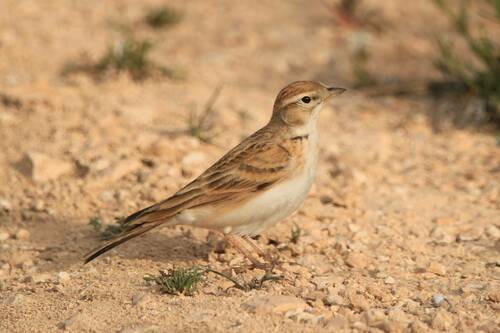
ニシヒメコウテンシ (Calandrella brachydactyla) ニシヒメコウテンシ
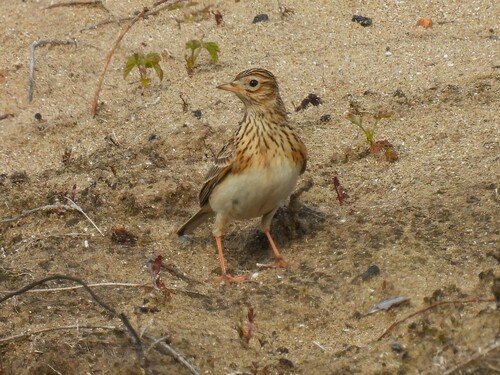
ヒバリ (Alauda arvensis) ヒバリ

メディア

読み込み中…

要点

ニシヒメコウテンシとヒバリを区別する最も信頼できるフィールドマークは、全体のサイズと構造です:ニシヒメコウテンシは明らかに小さく、尾が短く、翼も短く、目立って太く、円錐形のくちばしを持っています。飛行中、ヒバリは広い翼と白い縁のある短い尾を示しますが、ニシヒメコウテンシはコンパクトで淡い外観を持ち、尾や翼に明らかな白がありません。止まっているとき、ヒバリはしばしば短くふさふさした冠を見せますが、ニシヒメコウテンシは平らな頭頂と淡い眉斑を持っています。両者は上面が茶色の縞模様で、下面は淡いですが、ヒバリは全体的により大きく、頑丈です。幼鳥/未熟な上翼のパターンは、メモには記載されていないため、飛行中の構造と尾/翼のパターンに焦点を当ててください。

識別のコツ

  1. Size and Structure: ヒバリはニシヒメコウテンシよりもはるかに大きく、頑丈です。サイズの参考があれば、これが最も信頼できるフィールドマークです。ニシヒメコウテンシはコンパクトで、尾と翼が短いです。
  2. Bill Shape: ニシヒメコウテンシは、ヒバリのものよりも短くて太い、強く尖った円錐形のくちばしを持っています。ヒバリのくちばしは長くて細いですが、依然としてヒバリのようです。
  3. Crest: ヒバリは、特に警戒しているときや興奮しているときに、短く鈍い冠を示すことがよくあります。ニシヒメコウテンシは冠がなく、平らな頭頂を持っています。
  4. Tail Pattern in Flight: ヒバリは尾と後翼に白い縁を示し、特に飛び去るときに明らかです。ニシヒメコウテンシは明らかな白い縁のない暗い尾を持っています。
  5. Wing Shape in Flight: ヒバリは広い翼と短い尾を持ち、広く丸みを帯びた印象を与えます。ニシヒメコウテンシの翼と尾はどちらも短く、飛行中にコンパクトで太い印象を与えます。
  6. Supercilium and Face Pattern: ニシヒメコウテンシは淡い眉斑(アイブロウ)と首の側面に暗い斑点を持っています。ヒバリの顔はよりシンプルで、コントラストが少なく、強い眉斑はありません。
  7. Crown Color: 西部の一部のニシヒメコウテンシは赤褐色の頭頂を持っていますが、ヒバリはこれを示しません。しかし、これは変動があり、常に見えるわけではありません。
  8. Plumage Tone: ニシヒメコウテンシは全体的に淡く、特に下面が淡く、より豊かな茶色のヒバリと比較して洗い流されたように見えることがよくあります。
  9. Flock Behavior: 冬には、ニシヒメコウテンシは密集した同期した群れを形成し、しばしば低く速く飛びます。ヒバリはより頻繁に単独、ペア、または緩い群れで見られます。
  10. Perched Posture: ヒバリはしばしば直立して座り、時には冠を上げます。ニシヒメコウテンシはより水平に座り、平らな頭頂を持っています。
  11. Song Flight: 高くホバリングして数分間歌っている鳥を見たら、それはヒバリです。ニシヒメコウテンシはそのような長時間の高い歌の飛行を行いません。
  12. Habitat Context: ヒバリは豊かな草地や耕作されたフィールドにいる可能性が高いですが、ニシヒメコウテンシは乾燥した開けた地面や石の多い地面を好みます。
  13. Vocalization: ヒバリの歌は長く、音楽的で、泡立つようなもので、ニシヒメコウテンシの歌は乾いたさえずりや短く多様なメロディーです。
  14. Sex and Age: 両性は似ており、強い季節的または性別に基づく違いは記載されていません。幼鳥/未熟な特定の上翼パターンは詳細に記載されていません。
  15. Pitfalls: 遠くにいるかシルエットのような鳥は特に飛行中に難しい場合があります。羽毛が見えにくい場合は、サイズ、尾/翼の形、群れ行動に焦点を当ててください。

大きさ

ヒバリはニシヒメコウテンシよりもはるかに大きく(18〜19 cmの長さ)、重いです。ニシヒメコウテンシは「ヒバリより小さい」と説明されており、最小のヒバリの一つです。ヒバリはより頑丈で、より大きな体、長い翼、長い尾を持っています。ニシヒメコウテンシはコンパクトで、短い尾と短い翼を持ち、ヒバリの隣でははるかに繊細な外観を与えます。並べて見ると、サイズの違いは際立っています。

羽色

幼鳥と未熟な特定の上翼パターンは、提供されたメモには詳細に記載されていません。成鳥の場合、両者は上面が茶色で縞模様があり、下面は淡いですが、ニシヒメコウテンシは全体的に淡く、淡い眉斑と暗い首の斑点を持っています。ヒバリは上面が鈍い茶色で、短く鈍い冠(警戒しているときによく上げられる)を持ち、飛行中に尾と後翼に白い縁を示します—これらの白い縁は、鳥が飛び去るときに見えます。ニシヒメコウテンシはこれらの白い縁がなく、代わりによりシンプルで淡い外観を持ち、暗い尾ですが対照的な白はありません。西部の一部のニシヒメコウテンシは赤褐色の頭頂を持っていますが、これは変動があります。両性は両種で似ています。

行動

ヒバリは長いホバリング歌の飛行で有名で、しばしば開けたフィールドの高いところで、時には遠くの点のように見えます。地面や低い植生に頻繁に止まり、時には冠を上げます。ニシヒメコウテンシは、特に冬に、密集した同期した群れで見られる可能性が高く、開けた地面を低く速く飛ぶか、水に来ることがあります。止まるときは、小さな地面のくぼみにしゃがむ傾向があります。ヒバリは繁殖シーズン以外ではより孤立しているか、緩い群れで見られ、ニシヒメコウテンシはしばしば密集した群れを形成します。

生息環境

両種は開けた国を好みますが、ヒバリは開けた農地、草地、ヒースと強く関連しており、しばしば耕作されたまたは半自然のフィールドにいます。ニシヒメコウテンシも開けた地面を好みますが、乾燥した裸の地面や疎に植生のある生息地、草原、半砂漠、石の多いフィールドに典型的です。豊かな草地や作物のフィールドでヒバリを見た場合、ヒバリの可能性が高いですが、乾燥した不毛の地や砂地ではニシヒメコウテンシが好まれます。

声

ヒバリは、ホバリング飛行中に長く連続した泡立つようなさえずりで知られており、繁殖シーズンには数分間、あるいは最大20分間続くことがあります。ニシヒメコウテンシの歌は乾いたさえずりやより多様で模倣的なメロディーですが、ヒバリのものよりも音楽的で持続的ではありません。高くホバリングしている鳥から長く高い音楽的な歌を聞いたら、それはほぼ確実にヒバリです。

より良い説明を送る

比較と同じ項目を使ってください。文章はすぐに公開されます。

The most reliable field mark to separate Greater Short-toed Lark from Eurasian Skylark is overall size and structure: Greater Short-toed Lark is distinctly smaller, with a shorter tail, shorter wings, and a noticeably stubbier, more conical bill. In flight, Eurasian Skylark shows broad wings and a short tail with white edges, while Greater Short-toed Lark appears compact and pale, lacking obvious white in the tail or wing. Perched, Skylark often shows a short, bushy crest, whereas Greater Short-toed Lark has a flat crown and a pale supercilium. Both are streaked brown above and pale below, but Skylark is bulkier and more robust overall. Juvenile/immature upperwing patterns are not described for either species in the notes, so focus on structure and tail/wing pattern in flight.

  1. Size and Structure: Eurasian Skylark is much larger and bulkier than Greater Short-toed Lark. If you have any size reference, this is the most reliable field mark. Greater Short-toed Lark is compact, with a short tail and short wings.
  2. Bill Shape: Greater Short-toed Lark has a strong, pointed, conical bill that is shorter and stubbier than the Skylark's. Skylark's bill is longer and finer, though still lark-like.
  3. Crest: Eurasian Skylark often shows a short, blunt crest, especially when alert or agitated. Greater Short-toed Lark lacks a crest and has a flat crown.
  4. Tail Pattern in Flight: Skylark shows white edges to the tail and rear wing, especially obvious when flying away. Greater Short-toed Lark has a dark tail with no obvious white edges.
  5. Wing Shape in Flight: Skylark has broad wings and a short tail, giving a broad, rounded impression. Greater Short-toed Lark's wings and tail are both short, making the bird look compact and stubby in flight.
  6. Supercilium and Face Pattern: Greater Short-toed Lark has a pale supercilium (eyebrow) and dark patches on the sides of the neck. Skylark's face is plainer, with less contrast and no strong supercilium.
  7. Crown Color: Some Greater Short-toed Larks in the west have a rufous crown, which Skylark never shows. However, this is variable and not always visible.
  8. Plumage Tone: Greater Short-toed Lark is paler overall, especially below, and often appears washed-out compared to the richer brown Skylark.
  9. Flock Behavior: In winter, Greater Short-toed Lark forms tight, synchronized flocks that fly together, often low and fast. Skylark is more often seen singly, in pairs, or in loose groups.
  10. Perched Posture: Skylark often sits upright, sometimes with crest raised. Greater Short-toed Lark sits more horizontally, with a flat crown.
  11. Song Flight: If you see a bird hovering high and singing for minutes, it is a Skylark. Greater Short-toed Lark does not perform such prolonged, high song flights.
  12. Habitat Context: Skylark is more likely in lush, grassy, or cultivated fields; Greater Short-toed Lark prefers dry, open, or stony ground.
  13. Vocalization: Skylark's song is long, musical, and bubbling; Greater Short-toed Lark's is a dry twitter or short, varied melody.
  14. Sex and Age: Both sexes are similar in both species; no strong seasonal or sex-based differences are described. Juvenile/immature-specific upperwing patterns are not detailed for either species in the notes provided.
  15. Pitfalls: Distant or silhouetted birds can be tricky, especially in flight. Focus on size, tail/wing shape, and flocking behavior if plumage is hard to see.

Eurasian Skylark is much larger (18–19 cm in length) and heavier than Greater Short-toed Lark, which is described as 'smaller than the skylark' and among the smallest larks. The Skylark has a bulkier, more robust body, longer wings, and a longer tail. Greater Short-toed Lark is compact, with a short tail and short wings, giving it a much daintier appearance next to a Skylark. If seen side-by-side, the size difference is striking.

Juvenile and immature-specific upperwing patterns are not detailed for either species in the provided notes. For adults, both are brown and streaked above with paler underparts, but Greater Short-toed Lark is paler overall, with a pale supercilium and dark neck patches. Eurasian Skylark is dull brown above, with a short blunt crest (often raised when alert), and shows white edges to the tail and rear wing in flight—these white edges are visible when the bird is flying away. Greater Short-toed Lark lacks these white edges and instead appears plainer and paler, with a dark tail but no contrasting white. Some Greater Short-toed Larks in the west have a rufous crown, but this is variable. Both sexes are similar in both species.

Eurasian Skylark is famous for its long, hovering song flights, often high above open fields, sometimes appearing as a distant dot. It frequently perches on the ground or low vegetation, occasionally raising its crest. Greater Short-toed Lark is more likely to be seen in compact, synchronized flocks, especially in winter, flying low and fast over open ground or coming to water. It tends to squat in small ground depressions when roosting. The Skylark is more solitary or in loose groups outside the breeding season, while Greater Short-toed Lark often forms tight flocks.

Both species favor open country, but Eurasian Skylark is strongly associated with open farmland, grassland, and heath, often in cultivated or semi-natural fields. Greater Short-toed Lark also prefers open ground but is more typical of dry, bare, or sparsely vegetated habitats, including steppe, semi-desert, and stony fields. If you see a lark in lush grassland or crop fields, Skylark is more likely; in dry, barren, or sandy areas, Greater Short-toed Lark is favored.

Eurasian Skylark is renowned for its long, continuous, bubbling warble delivered in hovering flight, often lasting several minutes or even up to 20 minutes in the breeding season. Greater Short-toed Lark's song is a dry twittering or a more varied, imitative melody, but is much less musical and sustained than Skylark's. If you hear a long, high, musical song from a bird hovering high overhead, it is almost certainly a Skylark.

変更を破棄しますか?

保存していない編集があります。今離れると失われます。

ニシヒメコウテンシ · ヒバリ · 苦手な鳥