

Motmot

モモイロペリカン 対 コシベニペリカン

Pelecanus onocrotalus 対 Pelecanus rufescens

モモイロペリカンとコシベニペリカンのクイズ
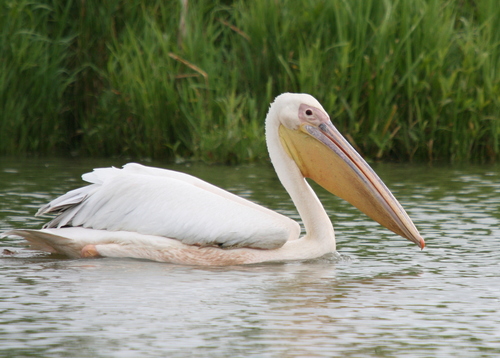
モモイロペリカン (Pelecanus onocrotalus) モモイロペリカン
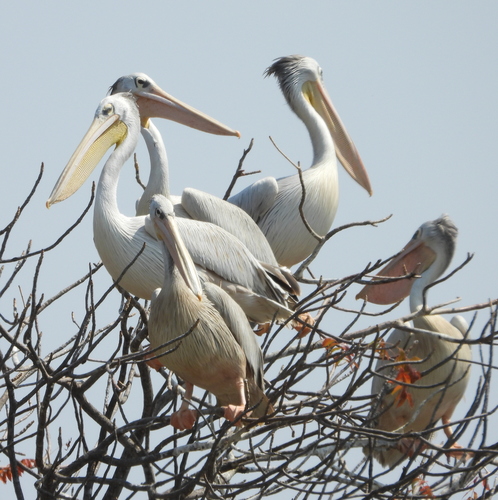
コシベニペリカン (Pelecanus rufescens) コシベニペリカン

メディア

読み込み中…

要点

グレートホワイトペリカンとコシベニペリカンを区別する最も信頼できるフィールドマークは、全体のサイズと体格です:グレートホワイトははるかに大きく、重く、巨大なくちばしと広い翼を持っていますが、コシベニは明らかに小さく、スリムです。飛行中、成鳥のグレートホワイトペリカンは、白い羽毛と対照的な印象的な黒い一次羽と二次羽を示しますが、コシベニペリカンは背中にわずかにピンクがかった洗い流しがある灰色に見え、鮮やかな翼のコントラストが欠けています。幼鳥のグレートホワイトペリカンは、暗い茶色の腹部と、コシベニには見られない暗いバーが翼の下にあります。くちばしと脚の色も異なり、特に繁殖期には顕著です。両種はアフリカの湖で一緒に見られることがありますが、サイズと羽毛のコントラストは、どんな距離でも決定的です。

識別のコツ

  1. サイズが決定的: グレートホワイトペリカンはコシベニよりもはるかに大きく、体格がしっかりしています。両方を一緒に見ると、サイズの差は明らかです。単独の場合は、近くの鳥と比較するか、グレートホワイトが最も重い飛ぶ鳥の一つであることを思い出してください。
  2. くちばしの長さと形: グレートホワイトのくちばしは長く、より巨大(最大47 cm)で、オスは下向きに曲がり、青灰色の基部に赤と黄色のアクセントがあります。コシベニのくちばしは短く(最大38 cm)、より細く、上部は黄色がかり、袋は灰色がかっています。
  3. 飛行中の成鳥の翼のパターン: グレートホワイトは白い羽毛と固体の黒い一次羽/二次羽との間に劇的なコントラストを示し、鮮やかな白黒の翼を作ります。コシベニの翼は全体的に灰色がかりで、鋭いコントラストが欠けており、ピンクは微妙で背中に制限されています。
  4. 幼鳥の腹部と翼の下: 幼鳥のグレートホワイトペリカンは茶色がかった腹部を持ち、翼の下の大きな羽毛に暗いバーがありますが、コシベニは決してこれを示しません。幼鳥のコシベニは灰色がかりで、強い翼の下のパターンが欠けています。
  5. 羽毛の色調: グレートホワイトは全体的に白で、繁殖期にはわずかにピンクまたは黄色がかった色合いがあります。コシベニは灰色がかった白で、背中にのみ淡いピンクがかった洗い流しがあり、決して深いピンクや全体的にバラ色ではありません。
  6. 脚の色: グレートホワイトは黄色がかった肉色からピンクがかったオレンジの脚を持っています。コシベニの脚の色はあまり特徴的ではありませんが、同じ明るい色調は示しません。
  7. 頭の羽毛: 両種は繁殖期に頭の羽毛を持っていますが、グレートホワイトの方がよりふさふさしていて明らかです。
  8. 繁殖期の顔の皮膚: グレートホワイトのオスはピンクがかった顔の皮膚を示し、メスはオレンジがかっています。コシベニはそのような強い顔の皮膚の色の変化を示しません。
  9. 飛行中の印象: グレートホワイトは巨大に見え、広い翼と遅く重い羽ばたきを持っています。コシベニはスリムで、相対的に狭い翼と軽い飛行を持っています。
  10. 止まっている姿勢: グレートホワイトは休んでいるときにしばしば大きく、胸が重いように見えます。コシベニはよりスリムで直立しており、特に木に止まっているときにそうです。
  11. 生息地の文脈: 特にマングローブの木に巣を作ったり、止まったりしているのが見られた場合、コシベニの方が可能性が高いです。グレートホワイトは通常、地面や低い島に巣を作ります。
  12. 群れの行動: グレートホワイトはしばしば大きく目立つ餌を求める群れを形成しますが、コシベニの群れは小さく、あまり騒がしくありません。
  13. くちばしの袋の色: グレートホワイトの喉の袋はクリーム色から卵黄色です。コシベニのものは通常灰色がかっています。
  14. 性的二形性: グレートホワイトは性別間に強いサイズの違いを示します。コシベニはそれほどではありませんが、直接比較なしでは現場で判断するのは難しいです。
  15. 重複と混乱: 両種はアフリカの湖で一緒に見られることがあるので、場所だけに頼らないでください。常にサイズ、翼のパターン、くちばしの構造を確認してください。

大きさ

グレートホワイトペリカンは、平均9520 g(オスはしばしば11 kgを超える)で、長さ140〜180 cm、翼幅は最大360 cmの、最も大きな飛ぶ鳥の一つです。コシベニペリカンははるかに小さく、平均5445 g(めったに7 kgを超えない)で、長さ125〜155 cm、翼幅は最大290 cmです。グレートホワイトのくちばしは、コシベニ(最大38 cm)と比較しても長く、より大きい(最大47 cm)です。フィールドでは、グレートホワイトは巨大で重い体に見え、コシベニはより控えめなサイズで、あまり威圧的ではありません。

羽色

幼鳥のグレートホワイトペリカンは茶色がかった腹部を持ち、最も淡いのは尻と腹の中心で、翼の下の大きな羽毛に暗い茶色のバーがあります—これはコシベニのどの年齢でも見られません。成鳥のグレートホワイトペリカンは主に白で、わずかにピンクがかった色合いを持ち、飛行中は白い上翼の羽毛と固体の黒い一次羽と二次羽との間に鋭いコントラストを示します。コシベニペリカンは全体的に灰色がかった白で、背中に微妙なピンクがかった洗い流しがあり(決して深いピンクではなく)、大胆な白黒の翼のパターンが欠けています。彼らの翼はより均一に灰色がかっています。繁殖期の成鳥は両種ともに頭の羽毛を持っていますが、グレートホワイトの方がよりふさふさしており、体はピークシーズンによりバラ色がかった黄色に見えることがあります。くちばしと袋の色は異なります:グレートホワイトは赤と黄色のトーンを持つ青灰色のくちばしを持ち、コシベニは黄色の上部のくちばしと灰色がかった袋を示します。

行動

両種は社交的で、しばしば協力して魚を捕ることが多いですが、グレートホワイトペリカンはそのサイズのために混合群れを支配する傾向があります。グレートホワイトはしばしばより大きく、目立つ群れで餌を求め、重く遅い羽ばたきで熱気流に乗っているのが見られることがあります。コシベニは木に止まったり巣を作ったりする可能性が高く、止まっているときや飛行中により敏捷に見えることがあります。両種は水中に頭を突っ込んで餌を取りますが、グレートホワイトの餌を求める群れはより明らかで騒がしいです。

生息環境

両種はアフリカの湿地、浅い湖、そしてゆっくり流れる川を共有しており、時には隣り合って見られます。グレートホワイトペリカンは、南東ヨーロッパやアジアにまで範囲を広げており、コシベニはアフリカと南アラビアに制限されています。コシベニは、巣を作ったり止まったりするための木がある静かな水域を好み、マングローブや洪水の森林で見つかる可能性が高いです。グレートホワイトは、開水域や大きな湖にいることが多く、木に巣を作ることはめったにありません。

より良い説明を送る

比較と同じ項目を使ってください。文章はすぐに公開されます。

The most reliable field mark to separate Great White Pelican from Pink-backed Pelican is overall size and bulk: Great White is much larger and heavier, with a massive bill and broad wings, while Pink-backed is noticeably smaller and slimmer. In flight, adult Great White Pelicans show striking black primaries and secondaries contrasting with white coverts, whereas Pink-backed Pelicans appear greyer with only a faint pinkish wash on the back and lack the bold wing contrast. Juvenile Great White Pelicans have darker, brownish underparts and a dark bar on the underwing, which is not matched by Pink-backed. Bill and leg color also differ, especially in breeding season. Both species can occur together at African lakes, but size and plumage contrast are decisive at any distance.

  1. Size is decisive: Great White Pelican is much larger and bulkier than Pink-backed. If you see both together, the size gap is obvious. If alone, compare to nearby birds or recall that Great White is one of the heaviest flying birds.
  2. Bill length and shape: Great White's bill is longer and more massive (up to 47 cm), with a downward bend in males and a bluish-grey base with red and yellow accents. Pink-backed's bill is shorter (up to 38 cm), more slender, yellowish on top, and the pouch is greyish.
  3. Adult wing pattern in flight: Great White shows a dramatic contrast between white coverts and solid black primaries/secondaries, creating a bold black-and-white wing. Pink-backed's wings are much greyer overall, lacking the sharp contrast; any pink is subtle and restricted to the back.
  4. Juvenile underparts and underwing: Juvenile Great White Pelicans have brownish underparts and a dark bar across the underwing greater coverts, which Pink-backed never shows. Juvenile Pink-backed are greyer and lack strong underwing pattern.
  5. Plumage tone: Great White is white overall with a faint pink or yellowish tinge in breeding season; Pink-backed is greyish-white with a pale pinkish wash only on the back, never deep pink or overall rosy.
  6. Leg color: Great White has yellow-flesh to pinkish-orange legs; Pink-backed's leg color is less distinctive but does not show the same bright tones.
  7. Head plumes: Both species have head plumes in breeding season, but Great White's are shaggier and more obvious.
  8. Facial skin in breeding: Great White males show pinkish facial skin, females orangey; Pink-backed does not show such strong facial skin color changes.
  9. Jizz in flight: Great White appears massive, with broad wings and slow, heavy wingbeats. Pink-backed is slimmer, with proportionally narrower wings and a lighter flight.
  10. Perched posture: Great White often looks hulking and heavy-chested when at rest; Pink-backed is more slender and upright, especially when perched in trees.
  11. Habitat context: If seen nesting or roosting in trees, especially mangroves, Pink-backed is more likely. Great White usually nests on the ground or low islands.
  12. Group behavior: Great White often forms large, conspicuous feeding flocks; Pink-backed's groups are smaller and less boisterous.
  13. Bill pouch color: Great White's gular pouch is cream-yellow to yolk-yellow; Pink-backed's is usually greyish.
  14. Sexual dimorphism: Great White shows strong size difference between sexes; Pink-backed less so, but this is hard to judge in the field without direct comparison.
  15. Overlap and confusion: Both can occur together on African lakes, so do not rely on location alone. Always check size, wing pattern, and bill structure for confirmation.

Great White Pelican is among the largest flying birds, averaging 9520 g (males often over 11 kg), with a length of 140–180 cm and a wingspan up to 360 cm. Pink-backed Pelican is much smaller, averaging 5445 g (rarely above 7 kg), with a length of 125–155 cm and a wingspan up to 290 cm. The bill of Great White is also longer and bulkier (up to 47 cm) compared to Pink-backed (up to 38 cm). In the field, Great White appears huge and heavy-bodied, while Pink-backed is more modest in size and less imposing.

Juvenile Great White Pelicans have brownish underparts, palest at the rump and belly center, and a dark brownish bar across the underwing greater coverts—this is not seen in Pink-backed of any age. Adult Great White Pelicans are predominantly white with a faint pink tinge, and in flight show a sharp contrast between white upperwing coverts and solid black primaries and secondaries. Pink-backed Pelicans are greyish-white overall, with a subtle pinkish wash on the back (never deep pink), and lack the bold black-and-white wing pattern; their wings appear more uniformly greyish. Breeding adults of both species have head plumes, but Great White's are shaggier and the body can appear more rosy-yellowish in peak season. Bill and pouch color differ: Great White has a bluish-grey bill with red and yellow tones, while Pink-backed shows a yellow-topped bill and greyish pouch.

Both species are gregarious and often fish cooperatively, but Great White Pelicans tend to dominate mixed flocks due to their size. Great White often forages in larger, more conspicuous groups and may be seen soaring on thermals with heavy, slow wingbeats. Pink-backed is more likely to roost and nest in trees and can appear more agile when perched or in flight. Both species plunge their heads into the water to feed, but Great White's feeding groups are more obvious and boisterous.

Both species share swamps, shallow lakes, and slow-moving rivers in Africa, sometimes side by side. Great White Pelican has a broader range, extending into southeastern Europe and Asia, while Pink-backed is restricted to Africa and southern Arabia. Pink-backed prefers quieter backwaters, often with trees for roosting and nesting, and is more likely to be found in mangroves or flooded woodland. Great White is more likely on open water and large lakes, rarely nesting in trees.

変更を破棄しますか?

保存していない編集があります。今離れると失われます。

モモイロペリカン · コシベニペリカン · 苦手な鳥